Jeonnam•Wando•Nature•Island
Wando Cheongsando Slow Island
완도 청산도
Powered by Korea Tourism OrganizationAddress: Wando Cheongsando Slow Island, Wando, Jeonnam, South Korea (전라남도 완도군 청산면 청산로 (도청리 도청항 일원))
Editorial review pending

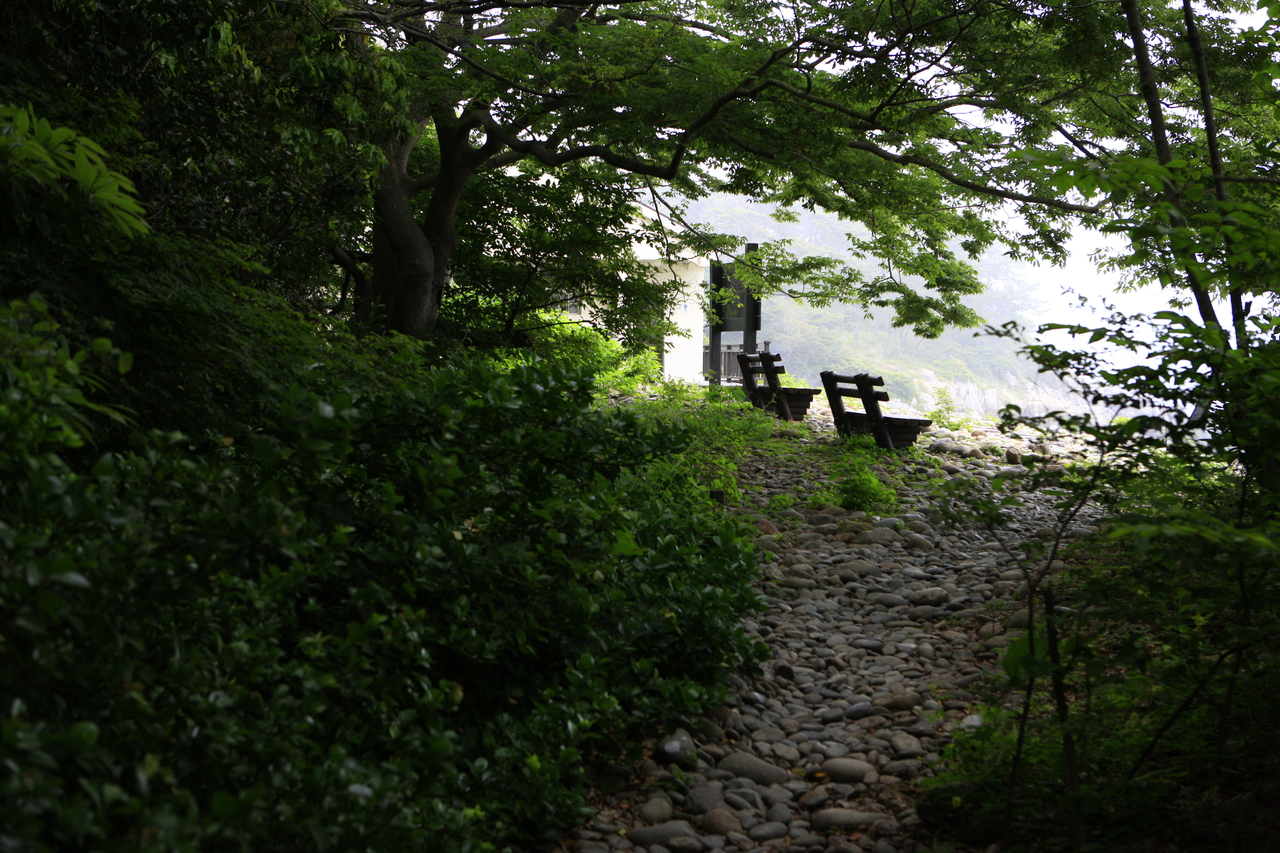
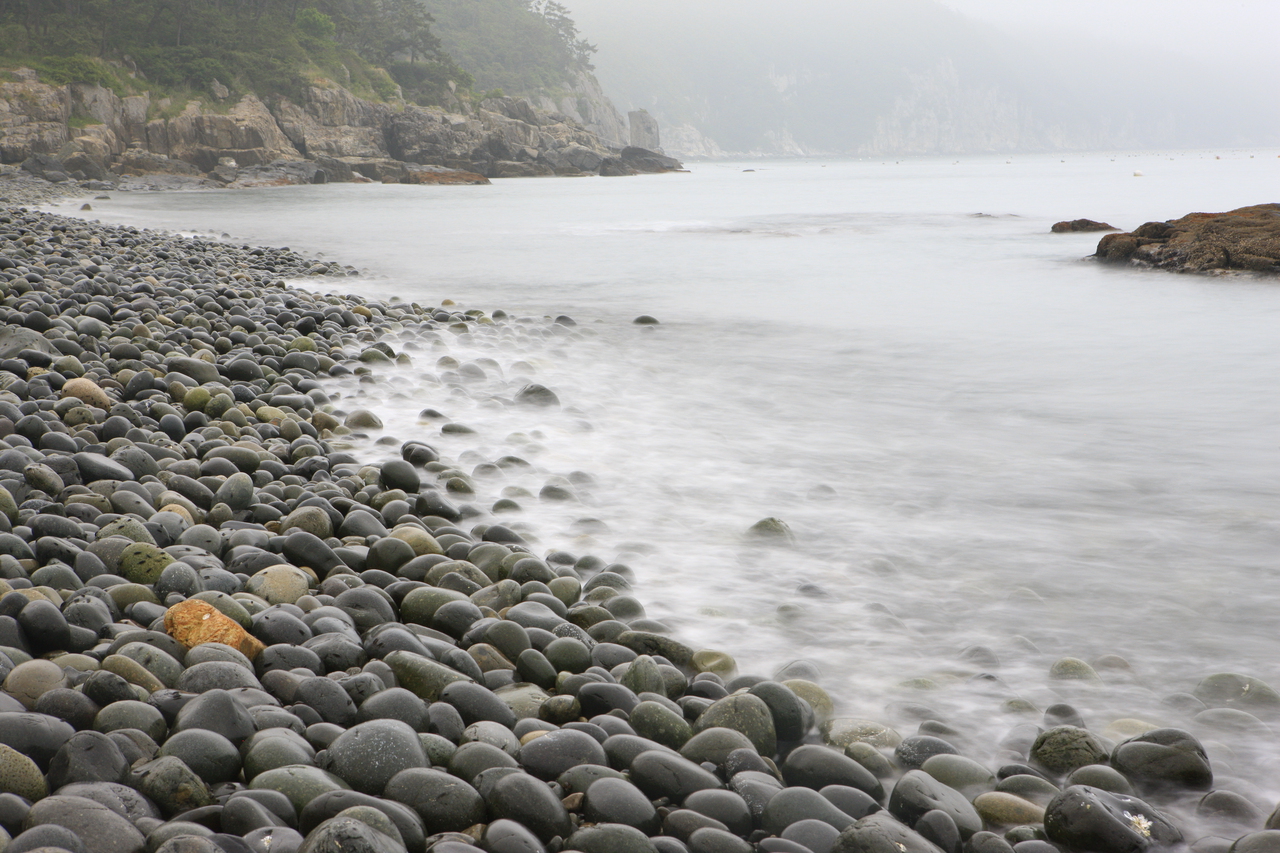
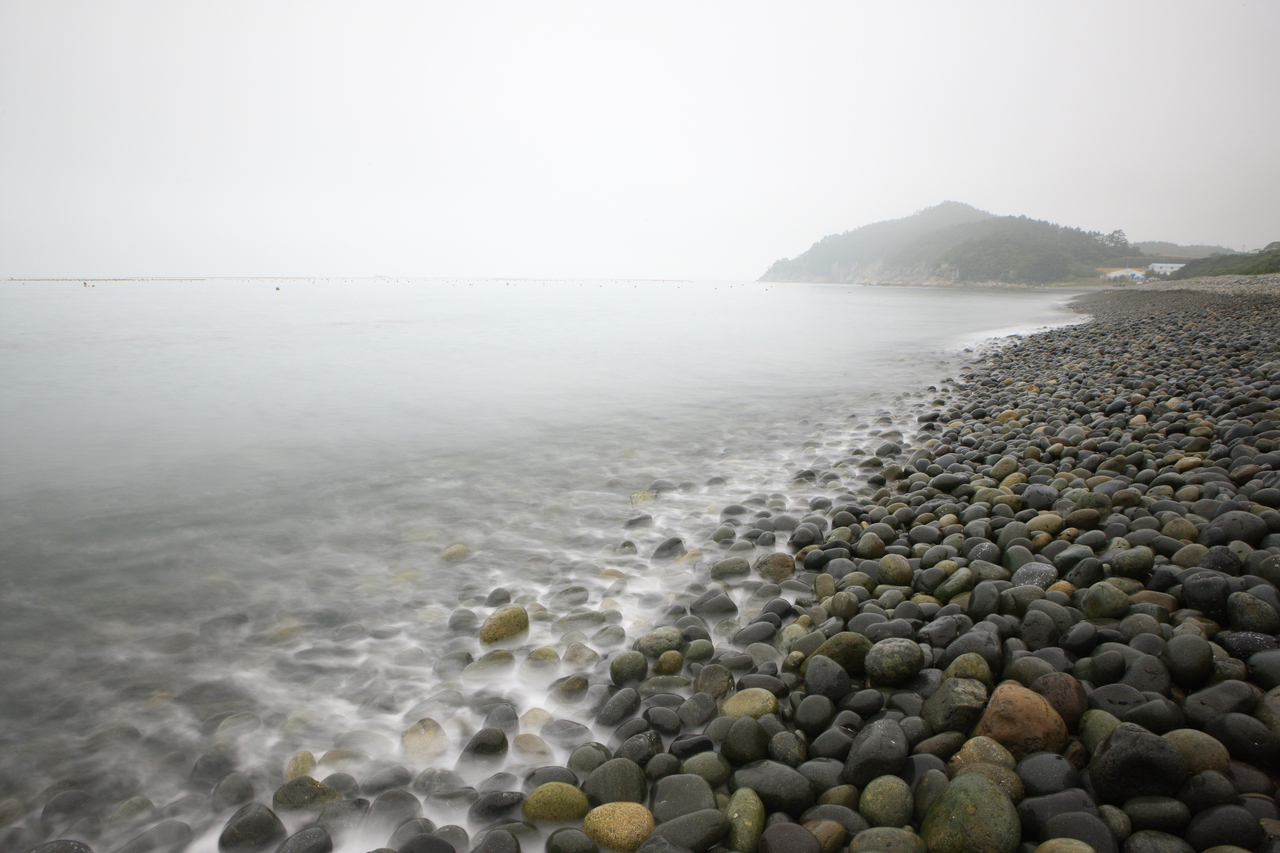
Wando Cheongsando Slow Island representative scenic panoramaZoom

+1More
1 / 6
Wando Cheongsando Slow Island representative scenic panorama
Curator's Guide & Overview
Comprehensive Guide1. Historical Origins & Cultural Background
Cheongsando, meaning 'Blue Mountain Island', is an idyllic South Sea paradise located 19.7 kilometers south of Wando Port. In 2007, recognizing its pristine natural environment, traditional agrarian heritage, and harmonious village life, the international Cittaslow network designated Cheongsando as Asia's first official 'Slow City'. Fringed by turquoise waters, ancient dry-stacked stone walls, and rolling terraced emerald fields, the island invites travelers to step off the modern treadmill and rediscover the forgotten art of unhurried contemplation.
2. Architectural Highlights & Key Structures
The island boasts two remarkable cultural treasures. The first is 'Gudeuljangnon'—unique terraced rice paddies designated as South Korea’s National Important Agricultural Heritage No. 1 and a FAO Globally Important Agricultural Heritage System (GIAHS). Engineered on steep rocky hillsides lacking water, Joseon farmers stacked flat stones (like underfloor ondol heating slabs) beneath the soil, allowing irrigation water to filter downward from terrace to terrace without waste. The second icon is the famous Dang-ri hill, where the classic Korean pansori film *Seopyeonje* and KBS drama *Spring Waltz* were filmed along sweeping dirt roads bordered by dry-stone dykes.
3. Four Seasons Landscape & Seasonal Visiting Charms
Cheongsando dazzles across the calendar, but April is its undisputed crowning season. During the annual 'Cheongsando Slow Walking Festival', the entire island erupts in a mesmerizing sea of golden yellow canola (rapeseed) blooms and undulating emerald-green barley waves. Summer (June to August) brings tranquil turquoise beaches like Sinheungri and Jisanri for swimming and coastal strolls. Autumn (September to November) offers crisp sea breezes, silver pampas grass, and golden rice terraces ready for harvest. Winter is mild, peaceful, and scented by blooming camellias.
4. Operating Hours & Peak Viewing Times
The island is open year-round 24/7. Passenger car ferries depart Wando Coastal Passenger Terminal starting at 07:00 and run every 90 to 120 minutes until approximately 18:00 (expanded to hourly sailings during peak April weekends). The last ferry returning from Cheongsando to Wando departs around 18:00 (winter) or 18:30 (spring/summer). Travelers should arrive at Wando Terminal at least 30 minutes before departure to complete boarding manifests and present passports/ID cards.
5. Admission Fees & Concessions (Youth/Foreigner Discounts)
Access to Cheongsando Island itself is completely free of charge. Passenger ferry fares from Wando Port to Cheongsando are approximately 8,700 KRW one-way (approx. 17,000 KRW round-trip for adults; youth 15,400 KRW; children 8,300 KRW). If bringing a standard passenger vehicle, ferry freight is approximately 27,000 to 30,000 KRW each way. On the island, the convenient Hop-on Hop-off Tour Bus costs 5,000 KRW for a full-day ticket, while regular village town buses cost 1,000 KRW per ride.
7. Barrier-Free Accessibility & Visitor Amenities
Cheongsando's main ferry hub at Docheong Port features modern paved sidewalks, accessible ticket desks, and barrier-free public restrooms. The Island Tour Bus stops directly at major highlights including Dang-ri hill and Beombawi Rock, making sightseeing effortless for seniors and families with strollers. While the unpaved Slow Road hiking sections involve dirt paths, stone stairs, and gentle climbs, the paved viewing platforms at the Seopyeonje filming lane and the Beombawi lookout pavilion accommodate wheelchairs with assistance.
8. Recommended Walking Route & Highlights Tour
Recommended 4-Hour Highlights Slow Tour: Arrive at Docheong Port → Board the Slow Tour Bus or walk 15 minutes to Slow Road Course 1 (Dang-ri) → Walk the iconic winding dirt path between stone walls and golden canola fields to the *Seopyeonje* filming house and *Spring Waltz* white villa → Continue down to Hwaryangpo beach to listen to the ocean waves rolling over smooth pebbles → Take the shuttle up to Beombawi (Tiger Rock), celebrated for its natural magnetic anomalies and panoramic 360-degree South Sea vistas → Inspect the centuries-old Gudeuljangnon stone-retained rice terraces in Buheung-ri → Return to Docheong Port to savor an abalone lunch before boarding the return ferry.
9. Local Food Specialties & Regional Flavors
Wando County produces over 70% of South Korea's world-famous abalone, and Cheongsando dining centers on pristine marine bounty. Indulge in steaming Jeonbok-juk (hearty green abalone rice porridge simmered with nutrient-rich abalone intestines), Jeonbok-gui (butter-grilled fresh abalone), and Tot-bap (fragrant steamed rice cooked with wild brown seaweed). In port taverns, relish rustic Cheongsando barley bibimbap served with fresh coastal greens, grilled seasonal sea bream, and crisp local Cheongsan makgeolli (farmhouse rice wine).
10. Dietary Options (Vegetarian, Halal & Allergen Guide)
Vegetarian travelers can savor rich Tot-bap (seaweed rice) with soy seasoning, fresh seasonal wild mountain greens (Sanchae), acorn jelly salad (Dotorimuk), and crispy vegetable potato pancakes at village eateries near Docheong Port and Dang-ri. Halal and pescatarian visitors will find Cheongsando an absolute paradise: abalone porridge, grilled fish banchan, sea mustard soup (Miyeokguk), and seafood stews contain zero land-animal products and are prepared fresh from the morning's ocean catch.
11. Signature Photo Spots & Golden Hour Lighting
Signature photo locations: standing on the winding dirt path of Dang-ri framed by dry stone walls, vivid yellow canola blossoms, and the sparkling turquoise bay below (the classic *Seopyeonje* frame); the sweeping circular panorama of the South Sea archipelago from the dramatic cliff lookout at Beombawi; golden sunset reflections across the pebble shores of Eup-ri; and the stepped green terraces of Gudeuljangnon under soft morning sun.
12. Visitor Etiquette & Cultural Property Regulations
Cheongsando embraces the philosophy of slow living. Travelers are urged not to rush, but to savor the sights, sounds, and gentle cadence of island village life. Do not walk into agricultural crops or climb atop fragile dry-stone walls (Doldam). Cheongsando is part of Dadohaehaesang National Park; collecting wildflowers, wild herbs, or stones is strictly illegal. Always pack out all personal trash to preserve the island's pristine ecosystem.
13. Safety Precautions & 1330 Tourism Hotline Support
Wear comfortable walking shoes with sturdy soles, as the scenic paths combine unpaved dirt lanes and country tracks. Spring and autumn maritime winds can be brisk; carry a lightweight windbreaker jacket, sunscreen, and a sunhat. Cellphone reception is excellent island-wide. Automated teller machines (ATMs) and convenience stores are concentrated around Docheong Port. For tourist information, island bus timetables, or ferry updates, call the Cheongsando Tourism Center at 061-550-6981 or call 1330.
14. Nearby Connected Attractions & Walking Links
Pair your Cheongsando voyage with other Wando and South Coast treasures: explore Wando Tower and Wando Abalone Market in mainland Wando, visit the ancient seaside pagoda and temple at Jirisan Gurye Hwaeomsa (PLACE-JEONNAM-012), or continue westward to Jindo Miracle Sea Road (PLACE-JEONNAM-010) and Haenam Ttangkkeut (PLACE-JEONNAM-014).
15. Frequently Asked Questions (FAQ)
Q: How much time is needed to explore Cheongsando? A: A minimum of 4 to 5 hours allows you to take the shuttle bus to the top three sights (Dang-ri, Beombawi, Gudeuljangnon) and enjoy a leisurely abalone meal. Staying overnight in a traditional village minbak (homestay) is deeply recommended to experience the island's peaceful magic after day-trippers leave. Q: What makes Beombawi Rock unique? A: Beombawi contains immense concentrations of ironstone that create localized magnetic anomalies, causing compasses to spin wildly and legendary tales of revitalizing natural energy.
16. Regional Extended Day Trip Itinerary
Wando & Cheongsando Slow Life Day Trip: Morning express bus or drive to Wando Coastal Passenger Terminal → 08:30 ferry to Cheongsando (50 min scenic cruise) → Arrive at Docheong Port and hop on the Slow Tour Bus → Walk the iconic canola and stone-wall path at Dang-ri (Seopyeonje course) → Climb Beombawi lookout for panoramic sea views → Savor fresh abalone porridge and grilled fish at a seaside tavern → Stroll the historic Gudeuljangnon terraces → 16:30 return ferry to Wando → Sunset view from Wando Tower → Evening fresh seafood dinner at Wando Port.
Essential Visitor Facts
Operating Hours
Open year-round 24/7; Passenger Ferries run daily 07:00 - 18:00 (approx. 6 to 8 sailings daily between Wando Coastal Terminal and Cheongsando Docheong Port; schedules expand during the April Slow Walking Festival).
Admission / Price
Island admission is free; Round-trip Passenger Ferry ticket from Wando to Cheongsando is approximately 17,000 KRW for adults (15,400 KRW outbound, vehicle ferry extra approx. 50,000 KRW round-trip). Island Tour Bus ticket: 5,000 KRW.
Closed Days
Open 365 Days
Best Time to Visit
Morning (around 09:30-10:00)
Transit & Access Directions
From Seoul Central City (Express Bus Terminal), take an express bus to Wando Bus Terminal (approx. 4 hours 50 minutes). Take a 5-minute taxi to Wando Coastal Passenger Terminal, then board the car ferry to Cheongsando Docheong Port (approx. 50 minutes sailing).
Accessibility & Special Amenities
Wheelchair ramps, tactile paving, accessible restrooms
Location Coordinates
Latitude: 34.1785
Longitude: 126.8812
Discover Themes & Highlights
Key interest areas and cultural highlights:
#wando-cheongsando-slow-island#VisitJeonnam#KoreaTravelAtlas
Community Traveler Reviews0 Reviews
Visitor tips, feedback, and questions submitted by real travelers.
No community reviews submitted yet. Be the first traveler to share your experience!
Connected Cultural Destinations
Handpicked nearby attractions and regional cultural highlights.
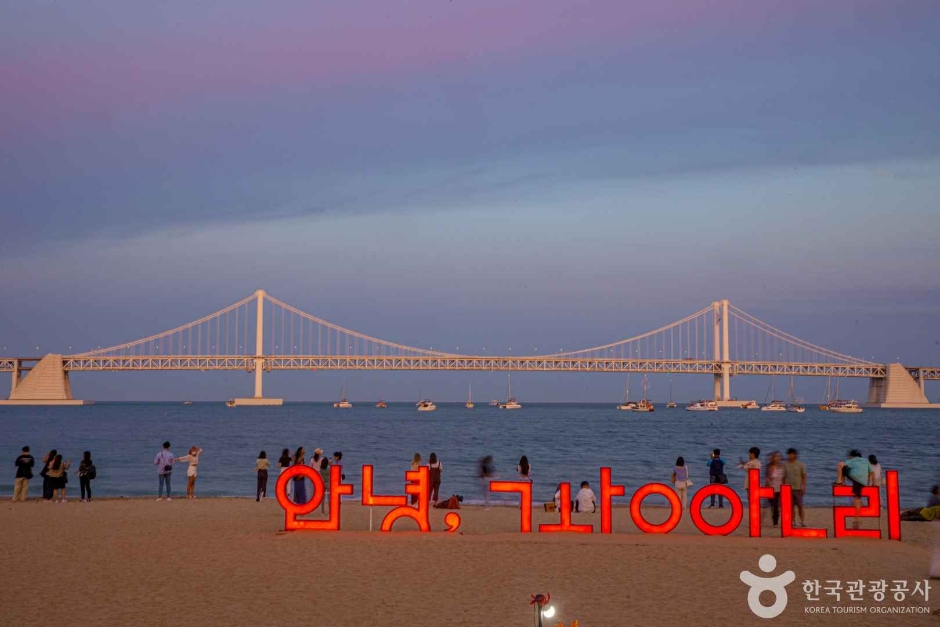
Gwangalli Beach & Gwangan Bridge
광안리해수욕장219 Gwanganhaebyeon-ro, Suyeong-gu, Busan
Gwangalli Beach, curving gracefully in Suyeong-gu, Busan, is renowned for its sweeping vistas of the monumental 7.42-kilometer Gwangan Grand Bridge (Diamond Bridge) spanning the ocean horizon. Frin...
HalalMorning (around 09:30-10:00)
Details→
Jindo Miracle Sea Parting Road
진도 신비의 바닷길Jindo Miracle Sea Parting Road, Jindo, Jeonnam, South Korea
Jindo Miracle Sea Parting Road is the world-renowned Korean version of Moses’ Miracle, an extraordinary tidal phenomenon where the ocean parts between Hoedong-ri and Modo Island, revealing a 2.8-ki...
Morning (around 09:30-10:00)
Details→
Haenam Ttangkkeut (Land's End Point)
해남 땅끝마을Haenam Ttangkkeut (Land's End Point), Haenam, Jeonnam, South Korea
Haenam Ttangkkeut is the symbolic southernmost geographic point of the Korean Peninsula (34°17′38″ N), where the Yellow Sea meets the South Sea, featuring the hilltop Ttangkkeut Observation Tower r...
Morning (around 09:30-10:00)
Details→
Udo Island (Seobinbaeksa Coral Beach)
우도 (서빈백사)Udo Island (Seobinbaeksa Coral Beach), Jeju, South Korea
Udo Island is Jeju’s breathtaking ‘Cow Island’ maritime paradise, internationally renowned for Seobinbaeksa (Natural Monument No. 438)—Asia’s only white rhodolith beach formed from calcified red al...
Morning (around 09:30-10:00)
Details→