Jeonnam•Jindo•Nature•Scenic Nature Spot
Jindo Miracle Sea Parting Road
진도 신비의 바닷길
Powered by Korea Tourism OrganizationAddress: Jindo Miracle Sea Parting Road, Jindo, Jeonnam, South Korea (전라남도 진도군 고군면 신비의바닷길 148 (회동리 일원))
Editorial review pending

Jindo Miracle Sea Road spectacular parting of the sea walking routeZoom
+1More
1 / 6
Jindo Miracle Sea Road spectacular parting of the sea walking route
Curator's Guide & Overview
Comprehensive Guide1. Historical Origins & Cultural Background
Jindo Miracle Sea Parting Road is an internationally acclaimed geological wonder where the Yellow Sea appears to magically part, uncovering a 2.8-kilometer-long natural walking bridge between Hoedong Village in mainland Jindo and the small offshore islet of Modo. Designated as National Scenic Site No. 9, this breathtaking marine phenomenon was introduced to the global stage in 1975 by Pierre Landy, the then French Ambassador to South Korea, who famously christened it 'the modern Korean version of Moses' parting of the Red Sea'.
3. Four Seasons Landscape & Seasonal Visiting Charms
While the coastal park is peaceful throughout the year, the sea parting reaches its absolute climax during the annual 'Jindo Miracle Sea Parting Festival', held in spring (typically March or April). Thousands of domestic and international travelers gather with tall rubber boots and torches to walk side-by-side across the exposed seabed. Summer (June to August) is ideal for ocean kayaking and coastal walks. Autumn brings golden sunsets, while winter offers brisk walks and dramatic sea mist over the strait.
4. Operating Hours & Peak Viewing Times
The coastline and memorial park are open 24 hours daily. However, the sea parting itself is strictly governed by tidal astronomical cycles and occurs only during extreme low tides on specific dates, remaining exposed for roughly one hour before the ocean surges back. The Jindo Sea Parting Experience Center and Memorial Hall operates daily from 09:00 to 18:00. Always check the Korea Hydrographic and Oceanographic Agency (KHOA) tidal calendar or the official Jindo County website for exact low-tide dates and minutes before planning your journey.
5. Admission Fees & Concessions (Youth/Foreigner Discounts)
Viewing the coastline and walking the exposed sea road is completely free of charge. Admission to the Jindo Sea Parting Experience Center is 1,000 KRW for adults and 500 KRW for children (complimentary during festival periods). Knee-high rubber boots, which are essential for walking across the damp, shellfish-covered seabed, are readily available for rent or purchase from local vendor booths along the harbor for approximately 5,000 to 10,000 KRW. Spacious open-air parking at Hoedong Beach is free.
6. Public Transit & Subway Exit Directions
From Seoul, board the KTX or SRT to Mokpo Station (approx. 2 hours 20 minutes). From Mokpo Intercity Bus Terminal, direct buses run to Jindo Public Bus Terminal roughly every 40 to 60 minutes (approx. 1 hour). From Jindo Bus Terminal, board the rural bus bound for Hoedong / Gogun (approx. 30 minutes) or take a taxi directly to the Miracle Sea Road (approx. 20 minutes, 15,000 to 18,000 KRW). During the annual spring festival, dedicated express shuttle buses operate directly between KTX Mokpo Station and Hoedong Beach.
7. Barrier-Free Accessibility & Visitor Amenities
Hoedong Beach features wide paved plazas, accessible walkways, and multi-story barrier-free facilities at the Jindo Sea Parting Experience Center, including elevators and accessible restrooms. The coastal promenade provides senior travelers and wheelchair users with an unhindered vantage point to watch the sea waters part in real time without descending onto the muddy seabed. Entering the actual sea road involves navigating sand, wet rocks, and slippery seabed mud, which requires sturdy footwear and caution for those with limited mobility.
8. Recommended Walking Route & Highlights Tour
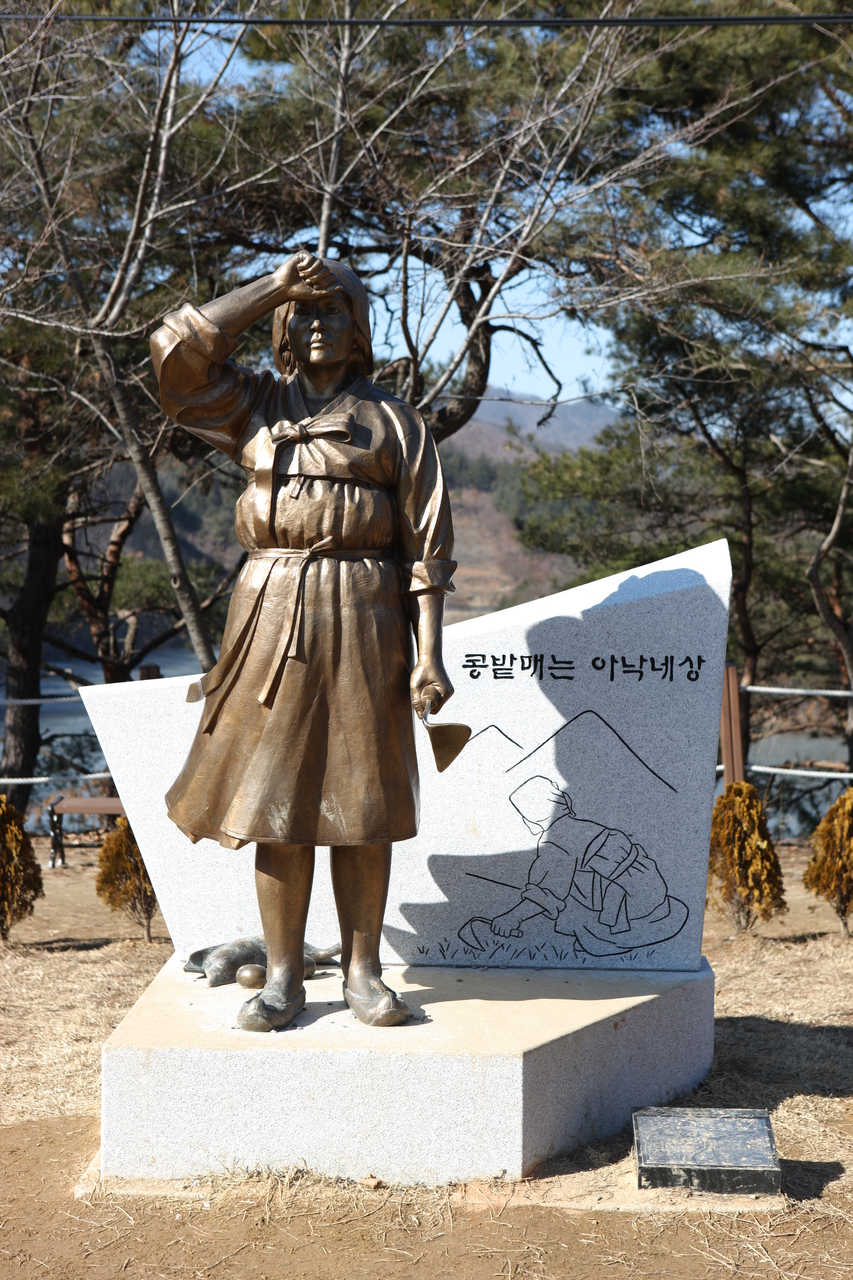
Recommended 2-Hour Miracle & Cultural Walk: Arrive at Hoedong Beach 45 minutes before peak low tide → Rent rubber boots and inspect the exhibits at the Jindo Sea Parting Experience Center → Pay respects at the bronze statue of Grandma Ppong and the Tiger → As the siren sounds and the ocean recedes, step onto the emerging seabed pathway → Walk toward Modo Island, picking up natural sea pebbles and observing sea urchins, kelp, and small crabs left behind by the retreating tide → Reach the halfway mark or Modo Island before the tidal reversal whistle sounds → Return safely to Hoedong Beach → Witness an authentic performance of Jindo Ssitgim-gut (UNESCO intangible heritage) and Ganggangsullae dance on the beach stage.
10. Dietary Options (Vegetarian, Halal & Allergen Guide)
Vegetarians can dine happily on Jindo's pristine coastal bounty: try savory seaweed rice (Tot-bap), seasoned fresh wild herbs, tofu stews, and vegetable pancakes at local harbor eateries. Halal and pescatarian travelers will find Jindo an exceptional seafood sanctuary: live octopus, grilled fish banchan, sea urchin bibimbap, and abalone hot pots are prepared without pork or animal broths, celebrating the purest flavors of the pristine southern sea.
11. Signature Photo Spots & Golden Hour Lighting
Signature photo vantage points: capturing the dramatic perspective of thousands of people walking across the exposed sandbar with the open sea on both sides, the poignant bronze statue of Grandma Ppong praying with hands clasped alongside the wild tiger on the shoreline, vibrant festival-goers waving torches during the illuminated night-tide parting, and the colorful folk costumes of women performing Ganggangsullae along the crescent beach.
12. Visitor Etiquette & Cultural Property Regulations
Safety is of paramount importance during the sea parting. Pay strict attention to coast guard sirens and maritime marshals; when the warning siren sounds indicating that the tide is turning, you must immediately begin walking back toward the Hoedong mainland. Do not wander off the main seabed sandbar into deep mud flats. Watch your footing on slippery sea rocks covered in moss or barnacles. Please do not litter or use disposable plastic bags while walking across the fragile marine environment.
13. Safety Precautions & 1330 Tourism Hotline Support
Tall rubber boots or water shoes with thick soles are strictly required, as the damp seabed is scattered with sharp oyster shells, barnacles, and wet silt. Carry a waterproof phone pouch and a small flashlight or torch if attending an evening or dawn parting. Marine sea breezes can be strong and damp; dress in layers with a water-resistant jacket. For tidal schedules, festival details, and shuttle operations, contact the Jindo Tourism Division at 061-540-3455 or call 1330.
14. Nearby Connected Attractions & Walking Links
Combine your visit with other historic treasures across Jindo Island: visit Ullimsanbang (the historic mountain pavilion and garden of Joseon ink master Heo Ryeon), explore the battlefield memorials of Admiral Yi Sun-sin at the roaring tidal waters of Uldolmok (Myeongnyang Strait) under Jindo Bridge, or continue east to Wando Cheongsando (PLACE-JEONNAM-008) and Haenam Ttangkkeut (PLACE-JEONNAM-014).
16. Regional Extended Day Trip Itinerary
Jindo Island Cultural & Miracle Sea Road Day Trip: Morning arrival at KTX Mokpo Station → Intercity bus or rental car across Jindo Bridge (viewing the roaring whirlpools of Uldolmok) → Tour Ullimsanbang Joseon garden and art museum → Savor Jindo fresh fish bibimbap and a sip of ruby Jindo Hongju for lunch → Arrive at Hoedong Beach for the Miracle Sea Parting → Don rubber boots and walk the 2.8 km seabed path across the ocean floor → Watch traditional Jindo Dog demonstrations and Ganggangsullae performances on the beach → Evening return to Mokpo for dinner and KTX departure.
Essential Visitor Facts
Operating Hours
Open year-round 24/7 (sea parting occurs on specific extreme low-tide dates, typically 2 to 3 days each spring between March and May, remaining open for about 1 hour per event; Memorial Hall open 09:00 - 18:00 daily).
Admission / Price
Free admission to the coastal beach and sea parting road; Sea Parting Experience Center / Memorial Hall is 1,000 KRW for adults, 500 KRW for children (free during the Jindo Miracle Sea Parting Festival); rubber boots available for rental (approx. 5,000 KRW).
Closed Days
Open 365 Days
Best Time to Visit
Morning (around 09:30-10:00)
Transit & Access Directions
From KTX/SRT Mokpo Station, take an intercity bus to Jindo Bus Terminal (approx. 1 hour). From Jindo Bus Terminal, take a local rural bus or taxi to Hoedong (신비의바닷길 회동마을, approx. 20 minutes, taxi fare roughly 15,000 to 18,000 KRW).
Accessibility & Special Amenities
Wheelchair ramps, tactile paving, accessible restrooms
Location Coordinates
Latitude: 34.4385
Longitude: 126.3565
Discover Themes & Highlights
Key interest areas and cultural highlights:
#jindo-miracle-sea-road#VisitJeonnam#KoreaTravelAtlas
Community Traveler Reviews0 Reviews
Visitor tips, feedback, and questions submitted by real travelers.
No community reviews submitted yet. Be the first traveler to share your experience!
Connected Cultural Destinations
Handpicked nearby attractions and regional cultural highlights.
Cheongyang Alps Village (Chilgapsan)
청양 알프스마을Cheongyang Alps Village (Chilgapsan), Cheongyang, Chungnam, South Korea
Cheongyang Alps Village at the base of Mount Chilgapsan is South Korea’s premier winter fairytale ice kingdom, famous for colossal sculpted ice fountains, natural sledding slopes, illuminated night...
Morning (around 09:30-10:00)
Details→
Wando Cheongsando Slow Island
완도 청산도Wando Cheongsando Slow Island, Wando, Jeonnam, South Korea
Cheongsando Island is Asia’s first designated Cittaslow (Slow City), world-renowned for its emerald sea, golden canola and green barley terraces, ancient Gudeuljangnon stone-retained rice paddies, ...
Morning (around 09:30-10:00)
Details→
Sinan Purple Island (Banwol & Bakji)
신안 퍼플섬 (반월박지도)Sinan Purple Island (Banwol & Bakji), Sinan, Jeonnam, South Korea
Sinan Purple Island is a whimsical, world-renowned fairytale archipelago consisting of Banwoldo and Bakjido, interconnected by 1.4 kilometers of iconic purple wooden pedestrian bridges, where every...
Morning (around 09:30-10:00)
Details→
Haenam Ttangkkeut (Land's End Point)
해남 땅끝마을Haenam Ttangkkeut (Land's End Point), Haenam, Jeonnam, South Korea
Haenam Ttangkkeut is the symbolic southernmost geographic point of the Korean Peninsula (34°17′38″ N), where the Yellow Sea meets the South Sea, featuring the hilltop Ttangkkeut Observation Tower r...
Morning (around 09:30-10:00)
Details→