Jeonbuk•Wanju•Culture•Art & Mural Village
Wanju Samnye Culture Art Village
완주 삼례문화예술촌
Powered by Korea Tourism OrganizationAddress: Wanju Samnye Culture Art Village, Wanju, Jeonbuk, South Korea (전북특별자치도 완주군 삼례읍 삼례역로 81-13)
Editorial review pending

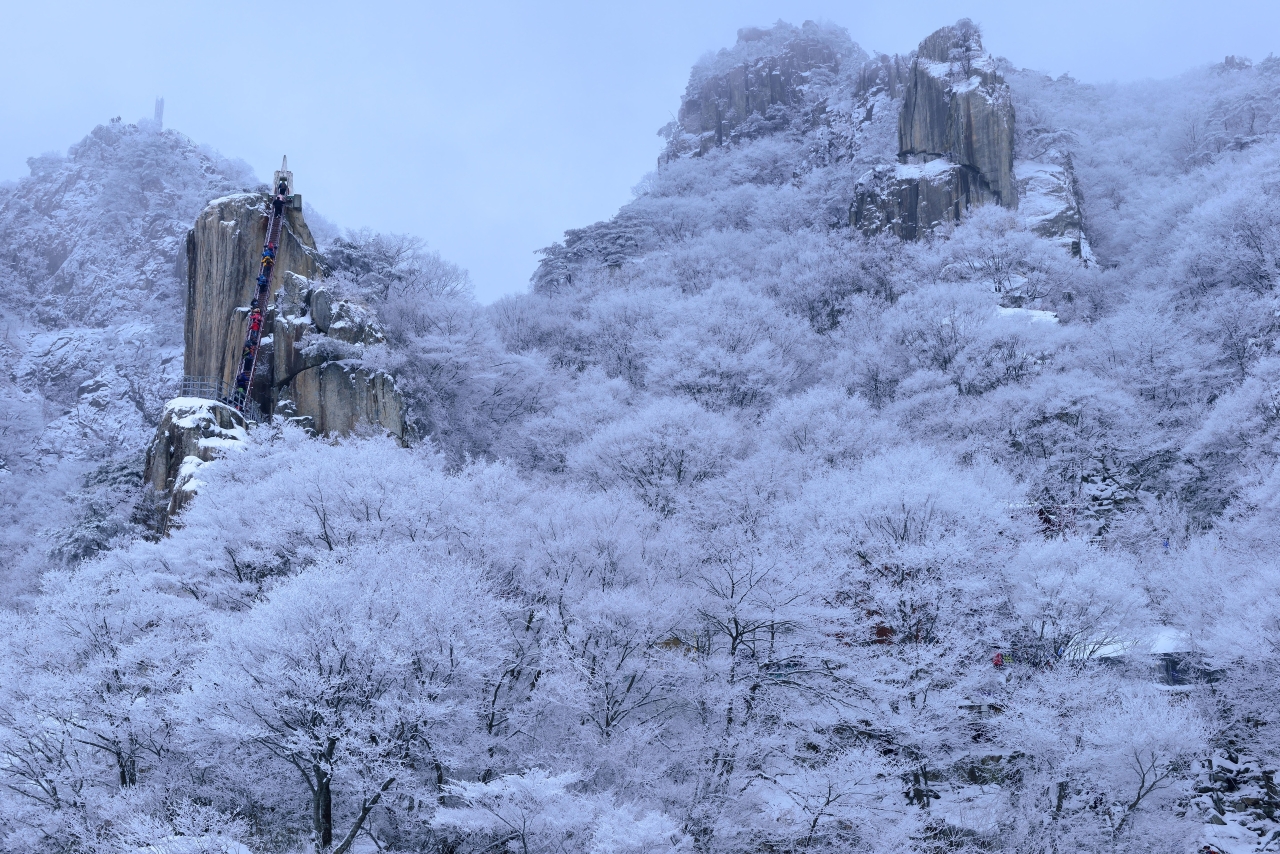
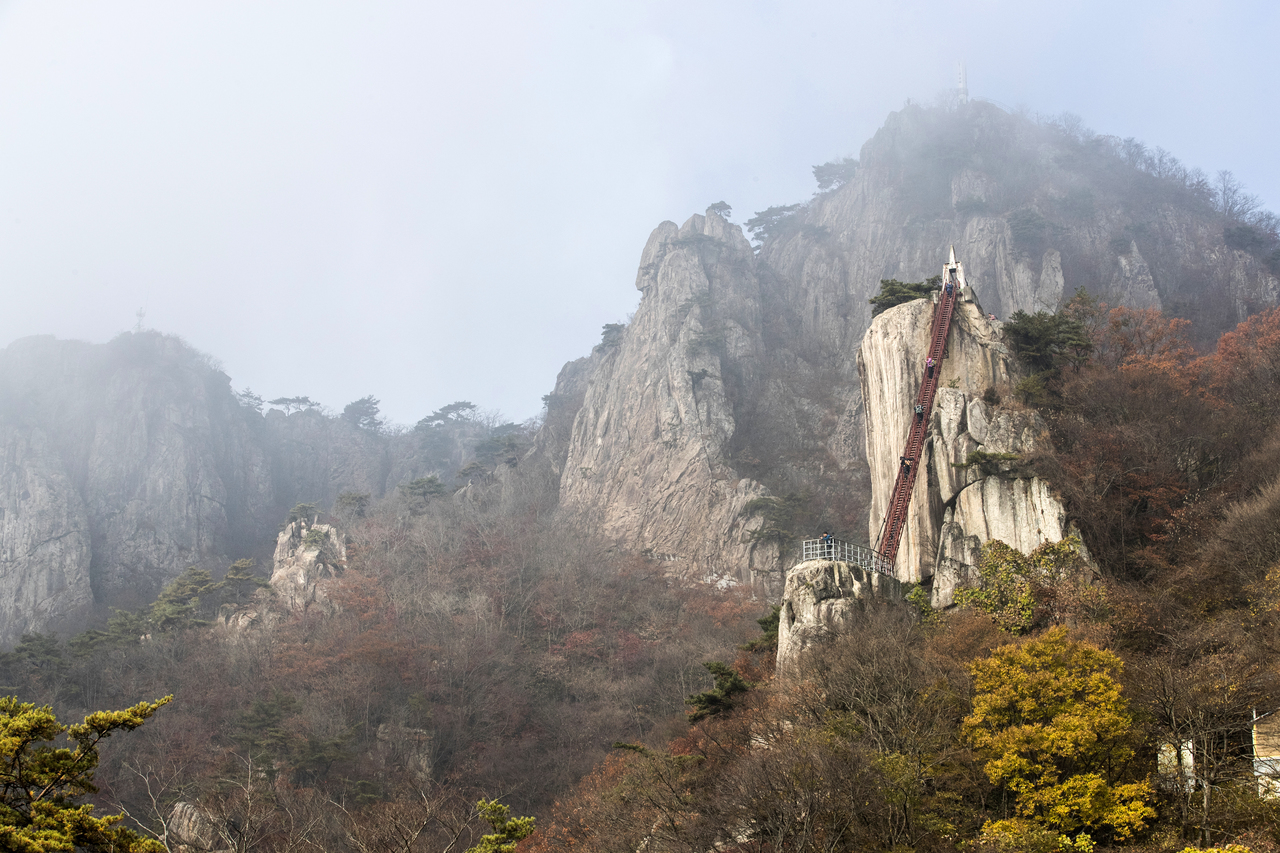
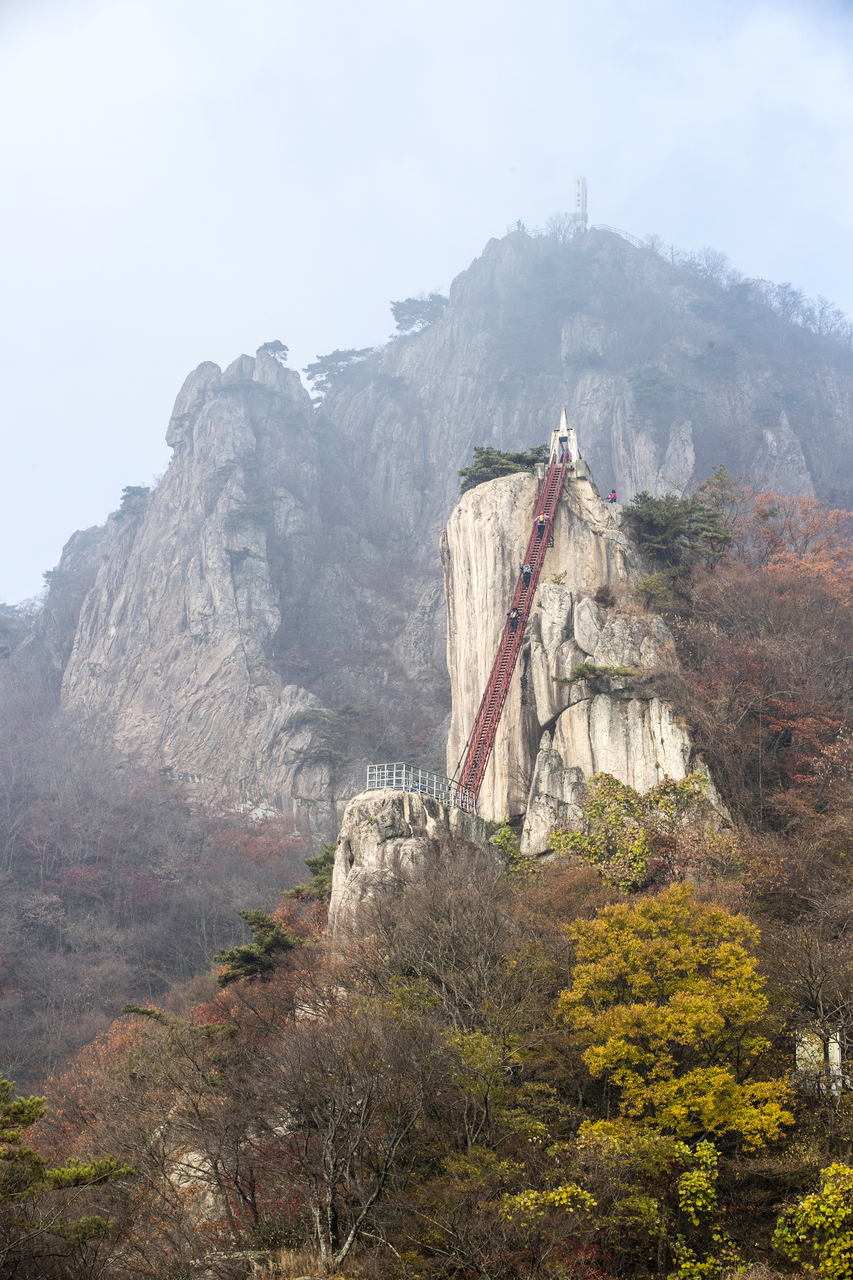
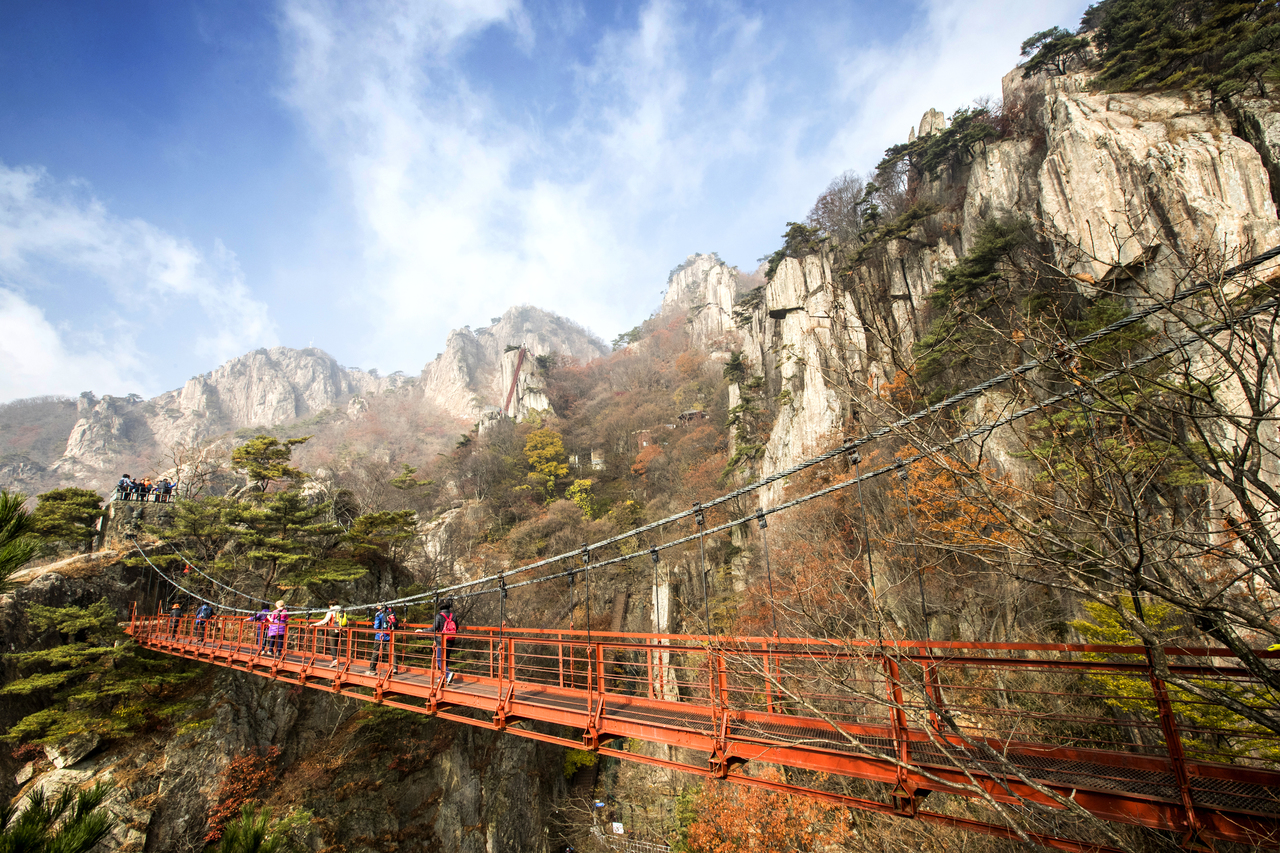
Wanju Samnye Culture Art Village representative scenic panoramaZoom
+1More
1 / 6
Wanju Samnye Culture Art Village representative scenic panorama
Curator's Guide & Overview
Comprehensive Guide1. Historical Origins & Cultural Background
Located in the historic transport crossroads of Samnye-eup, Wanju, the Samnye Culture Art Village is South Korea’s foremost example of adaptive modern architectural conservation. During the Japanese colonial occupation in the 1920s, the fertile Mangyeong River plains surrounding Samnye yielded hundreds of thousands of tons of premium rice. To systematically collect and requisition this agricultural bounty before hauling it along the newly laid rail lines to Gunsan Port, Japanese commercial consortiums erected a sprawling compound of enormous wooden and masonry grain storehouses (the Samnye Grain Storage Depot). Used for agricultural storage until the 2010s, these industrial relic buildings were slated for demolition before Wanju County decisively intervened to transform them into an innovative living eco-cultural arts village in 2013.
2. Architectural Highlights & Key Structures
The complex preserves six original 100-year-old granaries, retaining their massive natural cedar roof trusses, red-brick walls, loading bay doors, and ventilation louver systems originally designed to regulate rice moisture. Today, each heritage structure hosts a distinct creative discipline: the MOMO Art Museum showcases bold modern and contemporary painting and sculpture; the Visual Media Theater stages indie film screenings and performing arts; the Kim Sang-rim Woodworking Studio displays master artisan furniture; and the neighboring Samnye Book Village features an astonishing antiquarian Book Museum, a traditional European bookbinding workshop, and a massive multi-level bookstore cafe housing over 100,000 rare volumes.
3. Four Seasons Landscape & Seasonal Visiting Charms
Spring brings pleasant patio weather as budding green ivy wraps around the rustic red bricks, with outdoor kinetic sculptures gleaming under the warm sun. Summer offers a cool, tranquil cultural haven, where visitors can read books inside the air-conditioned, high-ceilinged timber storehouses while escaping the humidity. Autumn casts an amber glow across the historic wood-truss rooftops, coinciding with the popular Wanju Wild Food Festival and lively book craft fairs. Winter enchants with a serene, minimalist aesthetic, as white snow rests on the gabled warehouse eaves and cozy cafe stoves warm visitors browsing vintage books.
4. Operating Hours & Peak Viewing Times
The art village welcomes visitors Tuesday through Sunday from 10:00 to 18:00 (last admission at 17:30). It is closed on Mondays and New Year’s Day. Allow approximately 2 to 2.5 hours to tour the art galleries, inspect the craft workshops, and relax over a cup of specialty coffee in the book cafe.
5. Admission Fees & Concessions (Youth/Foreigner Discounts)
Admission is 3,000 KRW for adults, 2,000 KRW for youth, and 1,000 KRW for children, granting complete access to all active galleries and exhibition halls. The spacious on-site municipal parking lot is completely free of charge.
6. Public Transit & Subway Exit Directions
From Seoul, board the KTX to KTX Jeonju Station or KTX Iksan Station (approx. 1 hour 15 to 30 minutes). From Jeonju Station, take city bus 380, 381, 383, or 385 directly to the Samnye Post Office / Culture Village stop (approx. 20 minutes). If traveling on regional trains along the Jeolla Line, disembark directly at Samnye Station; the art village is an easy 7-minute walk (500 meters) straight from the station exit. Taxis from Jeonju Station cost approximately 11,000 to 13,000 KRW.
7. Barrier-Free Accessibility & Visitor Amenities
The village complex is completely flat, paved with smooth red bricks and decomposed granite, providing exemplary barrier-free access. All warehouse exhibition halls feature level thresholds or shallow ramps that effortlessly accommodate wheelchairs, motorized mobility scooters, and baby strollers. Modern accessible restrooms with emergency call buttons are located in the central visitor pavilion. Wheelchairs are available for complimentary loan at the ticket pavilion.
8. Recommended Walking Route & Highlights Tour
Recommended 2-Hour Heritage Arts Circuit: Enter through the village courtyard and photograph the industrial brick facades → Explore contemporary art installations inside the high-ceilinged MOMO Art Museum → Admire handcrafted traditional furniture in Kim Sang-rim Woodworking Studio → Walk over to the neighboring Samnye Book Village to tour the Antiquarian Book Museum → Browse floor-to-ceiling book walls inside Book House Cafe and enjoy artisanal pour-over coffee → Inspect rare vintage print presses in the Book Workshop → Finish with a farm-to-table dinner at Wanju Local Food Market.
9. Local Food Specialties & Regional Flavors
Wanju is South Korea’s undisputed national pioneer of the farm-to-table 'Local Food' movement. Just 5 minutes from the art village is the flagship Wanju Local Food Happy Table Restaurant (Haengbokhan Bapsang), a beloved community buffet serving over 40 dishes prepared entirely with organic produce harvested that morning by local farmers. Savor Bongdong Saenggang-cha (invigorating spicy ginger tea brewed with local Bongdong ginger), Samnye sweet strawberries, savory Hanwoo beef bulgogi, and handmade tofu stews.
10. Dietary Options (Vegetarian, Halal & Allergen Guide)
Wanju is an exceptional paradise for vegan and vegetarian diners. The Happy Table Local Food Buffet offers an abundance of organic plant-based choices: fresh seasonal vegetable salads, pumpkin porridge, acorn jelly, stir-fried mountain roots, and vegetable bibimbap. The village book cafes serve dairy-free plant milks, organic herbal infusions, and fresh fruit tarts. Halal visitors can comfortably feast on the abundant vegetable buffets, grilled tofu, fresh bakery items, and fruit desserts.
11. Signature Photo Spots & Golden Hour Lighting
Top photo spots: the dramatic perspective looking down the high cedar roof trusses of the MOMO Art Museum with modern sculptures beneath, standing between the towering brick granary gables covered in lush green ivy, candid portraits reading on the towering wooden staircase shelves of the Book House Cafe, and retro industrial shots posing in front of the historic wooden grain-loading bay doors.
12. Visitor Etiquette & Cultural Property Regulations
The art village preserves delicate historical timber structures and fine modern artworks. Do not touch fragile museum exhibits or woodworking displays. Flash photography and tripods are restricted inside the main art galleries. Maintain a quiet, contemplative atmosphere inside the book museum and reading halls. The entire village complex is strictly smoke-free.
13. Safety Precautions & 1330 Tourism Hotline Support
Wear comfortable walking shoes suitable for strolling between galleries and book warehouses. The adjacent Samnye Book Village is free to browse and houses exceptional antiquarian volumes. For exhibition guides or group workshop inquiries, contact the Samnye Culture Art Village Office at 063-290-3862 or call 1330.
14. Nearby Connected Attractions & Walking Links
Combine your visit with other nearby highlights: the UNESCO World Heritage Iksan Mireuksaji Temple Site (PLACE-JEONBUK-007) is just a 15-minute drive north, while the vibrant Jeonju Hanok Village (PLACE-JEONBUK-001) is 20 minutes to the south.
15. Frequently Asked Questions (FAQ)
Q: What is the historical background of these granaries? A: Built during the 1920s colonial era, these six large warehouses were used to inspect, grade, and stockpile rice expropriated from Korean tenant farmers across the Mangyeong Plain before shipping it by train to Gunsan Port for export to Japan. Q: What makes the architecture unique? A: The warehouses feature high-vaulted scissor-truss roofs built from fragrant Japanese cedar without interior pillars, creating immense open halls that now serve as ideal modern gallery spaces with natural acoustics.
16. Regional Extended Day Trip Itinerary
Wanju Modern Art & Local Food Healing Day Tour: Morning KTX to Jeonju Station → Short bus or taxi to Samnye Culture Art Village → Tour contemporary art at MOMO Art Museum and woodworking studio → Browse 100,000 books in Samnye Book Village → Hand-drip coffee break in the high-ceilinged warehouse cafe → Organic farm-to-table buffet lunch at Wanju Local Food Happy Table → Afternoon visit to UNESCO Mireuksaji Temple Site in neighboring Iksan → Return via KTX Iksan Station.
Essential Visitor Facts
Operating Hours
Daily 10:00 - 18:00 (Last admission 17:30; Closed every Monday and Jan 1)
Admission / Price
General Village Admission: Adults 3,000 KRW, Youth 2,000 KRW, Children 1,000 KRW; Parking Free
Closed Days
Open 365 Days
Best Time to Visit
Morning (around 09:30-10:00)
Transit & Access Directions
From KTX/SRT Jeonju Station or Iksan Station, take City Bus 380, 381, 383, or 385 directly to Samnye Post Office / Culture Village stop (approx. 20 mins, or taxi 15 mins / 12,000 KRW)
Accessibility & Special Amenities
Wheelchair ramps, tactile paving, accessible restrooms
Location Coordinates
Latitude: 35.9125
Longitude: 127.0685
Discover Themes & Highlights
Key interest areas and cultural highlights:
#wanju-samnye-culture-art-village#VisitJeonbuk#KoreaTravelAtlas
Community Traveler Reviews0 Reviews
Visitor tips, feedback, and questions submitted by real travelers.
No community reviews submitted yet. Be the first traveler to share your experience!
Connected Cultural Destinations
Handpicked nearby attractions and regional cultural highlights.
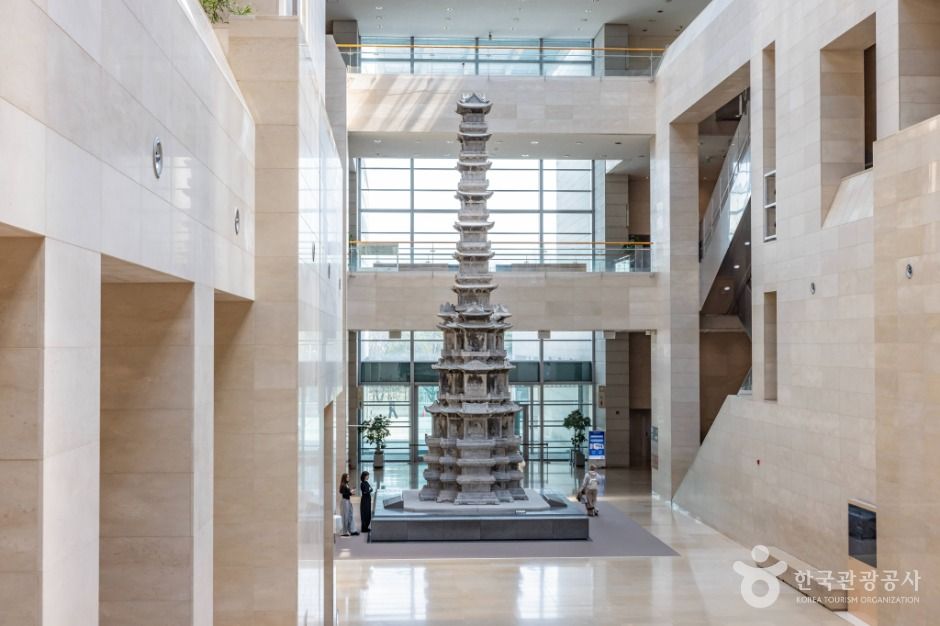
National Museum of Korea
국립중앙박물관137 Seobinggo-ro, Yongsan-gu, Seoul
The National Museum of Korea, situated in Yongsan, Seoul, is the preeminent cultural institution of South Korea, housing an unparalleled collection of over 400,000 historical artifacts from prehist...
HalalMorning (around 09:30-10:00)
Details→
Jeonju Hanok Village
전주한옥마을Jeonju Hanok Village, Jeonju, Jeonbuk, South Korea
Jeonju Hanok Village encompasses over 700 traditional Korean tiled homes nestled within the historic downtown core of Jeonju. Designated as an International Slow City, the village preserves authent...
Morning (around 09:30-10:00)
Details→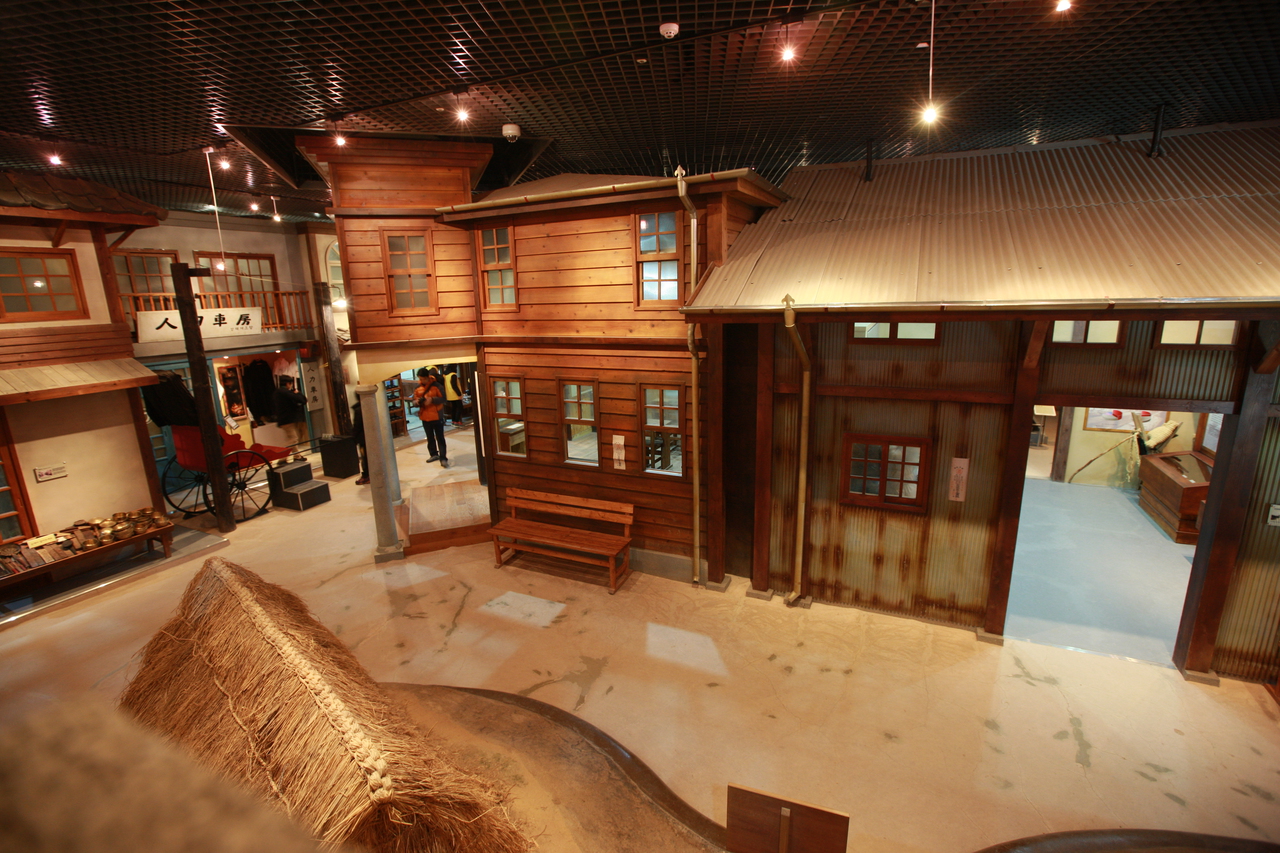
Gunsan Modern History Museum & Customs
군산 근대역사박물관Gunsan Modern History Museum & Customs, Gunsan, Jeonbuk, South Korea
Gunsan Modern History Museum and the Old Gunsan Customs House form South Korea’s premier modern heritage quarter, chronicling the dramatic 1930s maritime rice export port, Japanese colonial-era ban...
Morning (around 09:30-10:00)
Details→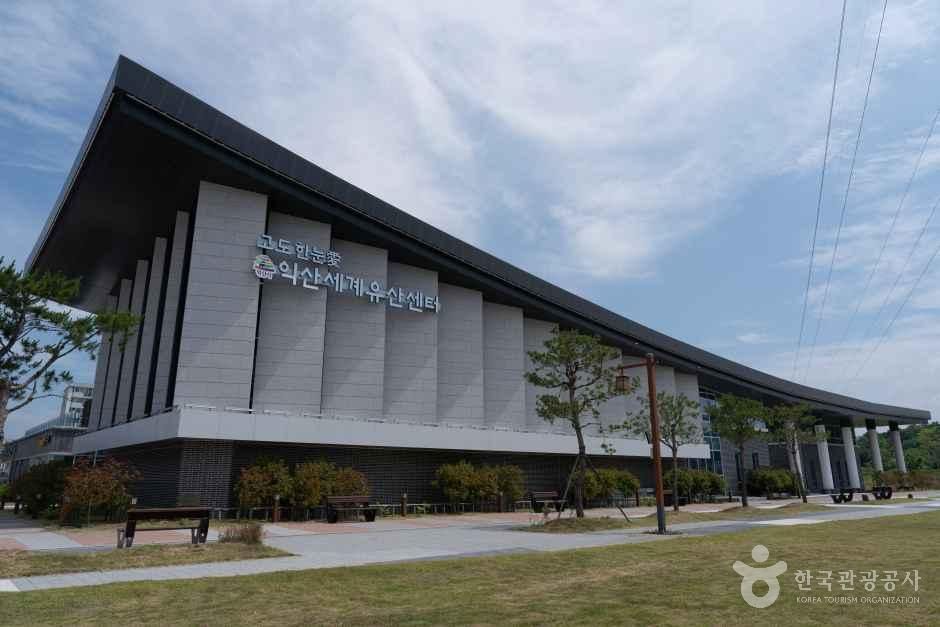
Iksan Mireuksaji Temple Site & Museum (UNESCO)
익산 미륵사지 석탑Iksan Mireuksaji Temple Site & Museum (UNESCO), Iksan, Jeonbuk, South Korea
Iksan Mireuksaji Temple Site and the National Museum of Iksan represent the zenith of ancient Baekje Kingdom Buddhist architecture, home to the monumental, 20-year-restored 7th-century West Stone P...
Morning (around 09:30-10:00)
Details→