Jeonbuk•Gunsan•Culture•Museum
Gunsan Modern History Museum & Customs
군산 근대역사박물관
Powered by Korea Tourism OrganizationAddress: Gunsan Modern History Museum & Customs, Gunsan, Jeonbuk, South Korea (전북특별자치도 군산시 해망로 240 (장미동))
Editorial review pending
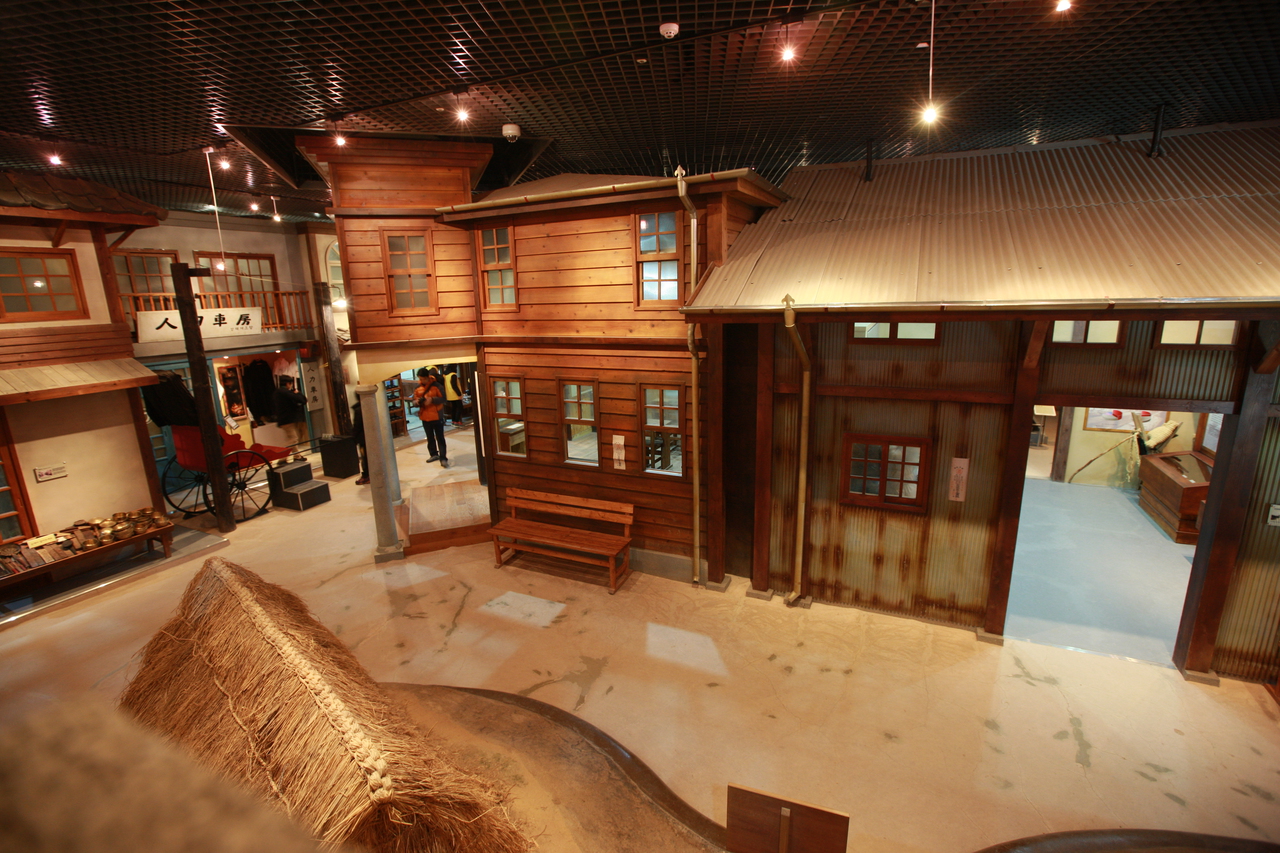
Gunsan Modern History Museum & Customs representative scenic panoramaZoom


+1More
1 / 6
Gunsan Modern History Museum & Customs representative scenic panorama
Curator's Guide & Overview
Comprehensive Guide1. Historical Origins & Cultural Background
Situated along the tidal mouth of the Geumgang River overlooking Gunsan Inner Port, the Gunsan Modern History Museum is South Korea’s leading maritime museum exploring the country's turbulent transition into the modern era. Gunsan was opened as a treaty port in 1899, rapidly becoming the primary conduit through which the Japanese empire expropriated millions of bushels of rice from the fertile Honam Plain. Rather than concealing this painful past, Gunsan has courageously preserved its colonial infrastructure as living pedagogical classrooms of history, operating under the museum’s core philosophy: 'A people that forgets its history has no future.'
2. Architectural Highlights & Key Structures
The centerpiece of the museum complex is the 1930s Modern Life Exhibition Hall, an extraordinary full-scale indoor recreation of colonial Gunsan’s port streets. Visitors can walk into historical storefronts, including a period Japanese rice broker’s shop, an authentic rubber shoe store, the Yeongmyeong School where student patriots organized the March 1st Movement, a wooden inn, and the floating pier system (Ttumbodu). Directly beside the modern museum stands the Old Gunsan Customs House (Historic Site No. 545), a magnificent 1908 German-designed building built from imported Belgian red bricks and granite sills, representing one of only three surviving Western-style customs edifices in Korea alongside the Bank of Korea and Seoul Station.
3. Four Seasons Landscape & Seasonal Visiting Charms
Spring brings refreshing coastal breezes and blooming cherry blossoms along Wolmyeong Park behind the museum district. Summer offers crisp, air-conditioned indoor exploration followed by sunset walks along the restored harbor boardwalk. Autumn provides crystal-clear blue skies ideal for walking the Gunsan Modern Architecture Trail between the museum, the Old Bank of Joseon, and Hirotsu Japanese House. Winter presents a nostalgic harbor panorama, where quiet snowfalls dust the red-brick gables of the customs house and fishing boats bob along the frozen waters of the Geumgang estuary.
4. Operating Hours & Peak Viewing Times
The museum welcomes visitors Tuesday through Sunday from 09:00 to 18:00 (last ticketing at 17:30). It is closed on New Year’s Day and the first and third Mondays of each month. Plan approximately 1.5 to 2 hours for the museum itself, and an additional 1.5 hours to tour the neighboring Old Customs House, Old Bank of Joseon, and Mizu Cafe.
5. Admission Fees & Concessions (Youth/Foreigner Discounts)
General museum admission is 2,000 KRW for adults, 1,000 KRW for teenagers, and 500 KRW for children. The highly recommended 'Modern Heritage Belt Integrated Ticket' costs just 3,000 KRW for adults, granting admission to four heritage facilities: the Modern History Museum, Modern Art Museum (Old Juhachi Bank), Modern Architecture Hall (Old Bank of Joseon), and Jinpo Maritime Theme Park. The exterior and museum cafe of the Old Gunsan Customs House are free to enter.
6. Public Transit & Subway Exit Directions
From Seoul, board the Saemaeul or Mugunghwa train from Yongsan Station directly to Gunsan Station (approx. 2 hours 40 minutes), or take the KTX to Iksan Station (approx. 1 hour 10 minutes) and transfer to a short local train or bus to Gunsan. Alternatively, express buses from Seoul Central City arrive at Gunsan Bus Terminal in 2 hours 20 minutes. From Gunsan Terminal, city buses 1, 2, 8, 11, or 85 reach the museum in 15 minutes. Taxis cost approximately 5,000 to 6,000 KRW.
7. Barrier-Free Accessibility & Visitor Amenities
The museum is designed to the highest barrier-free accessibility standards. The main exhibition hall features gentle ramps, wide automatic doorways, elevators to all three floors, and completely flat floor transitions that effortlessly accommodate wheelchairs and baby strollers. Tactile paving, braille displays, and wheelchair-accessible restrooms are located on every floor. The outdoor plaza and the ground floor of the Old Customs House are also step-free. Complimentary wheelchairs and strollers are provided at the information desk.
8. Recommended Walking Route & Highlights Tour
Recommended 3-Hour Modern Heritage Promenade: Explore the 1st Floor Maritime Logistics Gallery → Step into the 1930s streets in the Modern Life Exhibition Hall and try on period school uniforms → Walk across the museum plaza to photograph the 1908 red-brick Old Gunsan Customs House → Sip Dutch drip coffee inside the historic Mizu Cafe (former 1930s trade office) → Visit the Modern Art Hall (Old 18th Bank) and Modern Architecture Hall (Old Bank of Joseon) → Stroll along the floating piers at Jinpo Maritime Theme Park → Finish with warm red-bean pastries at Lee Sung Dang.
9. Local Food Specialties & Regional Flavors
Gunsan is one of Korea’s greatest coastal foodie destinations. No visit is complete without stopping at Lee Sung Dang (South Korea’s oldest functioning bakery, operating since 1945) for their iconic Danpat-ppang (sweet red bean bun) and Yachae-ppang (savory vegetable bun). Savor spicy Jjamppong (spicy seafood noodle soup) at famous historic eateries along Gunsan Jjamppong Street, savory Hanil-ok Soegogi Muguk (clear beef radish soup served in a historic house), and spicy fresh rockfish stew (Kkotge-tang / Maeuntang) along the harbor.
10. Dietary Options (Vegetarian, Halal & Allergen Guide)
Vegetarians will find welcoming dining options across Gunsan: Hanil-ok serves vegetable side banchan and seaweed soups; local Chinese restaurants can prepare vegetable fried rice (Yachae Bokkeumbap) without pork upon request; and traditional bakeries offer sweet potato bread, red bean buns, and fresh bagels. Halal visitors can indulge in Gunsan’s legendary seafood cuisine, including grilled sea bass, spicy rockfish stews, raw crab, and vegetarian noodle options.
11. Signature Photo Spots & Golden Hour Lighting
Top photo spots: the symmetrical facade of the red-brick Old Gunsan Customs House with its copper turret roof against a blue sky, retro street portraits inside the 1930s photo studio in the Modern Life Hall, standing on the floating pier overlooking the historic lighthouse, the ivy-covered brick arches of the Old Bank of Joseon, and candid shots carrying the yellow paper pastry bags outside Lee Sung Dang bakery.
12. Visitor Etiquette & Cultural Property Regulations
The museum exhibits document somber national history; maintain a respectful demeanor throughout the galleries. Flash photography, commercial videography, and running are prohibited inside the exhibitions. Do not touch or lean on fragile historic wooden artifacts in the 1930s street reproduction. Smoking is strictly prohibited across the entire historic zone.
13. Safety Precautions & 1330 Tourism Hotline Support
Comfortable walking shoes are recommended as the museum district connects seamlessly on foot to multiple heritage sites across a 1.5-kilometer radius. For guided history walking tours or group reservation inquiries, contact the Gunsan City Tourism Division at 063-454-3310 or call 1330.
14. Nearby Connected Attractions & Walking Links
Within a 10-minute walk lies the Gunsan Gyeongam-dong Railroad Village (PLACE-JEONBUK-004), the Sinheung-dong Japanese-Style House (Hirotsu House), and Dongguksa Temple—the only remaining Japanese-style Buddhist temple in Korea.
15. Frequently Asked Questions (FAQ)
Q: What makes the Old Gunsan Customs House architecturally rare? A: Built in 1908, it is constructed of European red bricks with granite foundations and a French slate mansard roof, blending classical Western Romanesque and Renaissance elements; it is one of only three early-20th-century Western customs buildings surviving in Korea. Q: What is the floating pier (Ttumbodu)? A: Because Gunsan Harbor experiences extreme Yellow Sea tidal variations of up to 7 meters, Japanese engineers constructed enormous pontoon piers that rose and fell with the tides to load looted rice onto bulk cargo ships round the clock.
16. Regional Extended Day Trip Itinerary
Gunsan Modern Time Travel Day Tour: Morning KTX to Iksan Station + connecting bus to Gunsan Modern History Museum → Immersive exploration of the 1930s Modern Life Hall → Tour the 1908 red-brick Old Gunsan Customs House → Coffee break at historic Mizu Cafe → Modern Architecture Hall & Hirotsu House walk → Legendary Jjamppong lunch on Gunsan Jjamppong Street → Afternoon visit to Gyeongam-dong Railroad Village → Buy famous red-bean buns at Lee Sung Dang bakery → Evening train return to Seoul.
Essential Visitor Facts
Operating Hours
Daily 09:00 - 18:00 (Entry closes 17:30; Closed on New Year’s Day and the first and third Mondays of each month)
Admission / Price
Adults 2,000 KRW, Youth 1,000 KRW, Children 500 KRW; Integrated Modern Heritage Ticket: Adults 3,000 KRW; Old Customs Free
Closed Days
Open 365 Days
Best Time to Visit
Morning (around 09:30-10:00)
Transit & Access Directions
From Gunsan Station or Gunsan Intercity Bus Terminal, take City Bus 1, 2, 8, 11, or 85 to Modern History Museum stop (approx. 15-20 mins)
Accessibility & Special Amenities
Wheelchair ramps, tactile paving, accessible restrooms
Location Coordinates
Latitude: 35.9895
Longitude: 126.7112
Discover Themes & Highlights
Key interest areas and cultural highlights:
#gunsan-modern-history-museum#VisitJeonbuk#KoreaTravelAtlas
Community Traveler Reviews0 Reviews
Visitor tips, feedback, and questions submitted by real travelers.
No community reviews submitted yet. Be the first traveler to share your experience!
Connected Cultural Destinations
Handpicked nearby attractions and regional cultural highlights.

Dongdaemun Design Plaza (DDP)
동대문디자인플라자 (DDP)281 Eulji-ro, Jung-gu, Seoul
Dongdaemun Design Plaza (DDP), masterminded by world-renowned architect Zaha Hadid, is a groundbreaking neo-futuristic architectural marvel characterized by undulating curves and clad in 45,133 uni...
HalalMorning (around 09:30-10:00)
Details→
Incheon Chinatown & Fairy Tale Village
인천 차이나타운 및 동화마을Incheon Chinatown & Fairy Tale Village, Incheon, South Korea
Incheon Chinatown is Korea’s premier historical Chinese community established in 1884, famous as the birthplace of black bean Jajangmyeon and seamlessly connected to the pastel murals of Songwol-do...
Morning (around 09:30-10:00)
Details→
Jeonju Hanok Village
전주한옥마을Jeonju Hanok Village, Jeonju, Jeonbuk, South Korea
Jeonju Hanok Village encompasses over 700 traditional Korean tiled homes nestled within the historic downtown core of Jeonju. Designated as an International Slow City, the village preserves authent...
Morning (around 09:30-10:00)
Details→
Gunsan Gyeongam-dong Railroad Village
군산 경암동 철길마을Gunsan Gyeongam-dong Railroad Village, Gunsan, Jeonbuk, South Korea
Gunsan Gyeongam-dong Railroad Village is an evocative retro time-slip living quarter where an authentic 1944 paper-mill freight railway cuts within inches of colorful residential cottages, celebrat...
Morning (around 09:30-10:00)
Details→