Jeonbuk•Gunsan•Culture•Local Experience
Gunsan Gyeongam-dong Railroad Village
군산 경암동 철길마을
Powered by Korea Tourism OrganizationAddress: Gunsan Gyeongam-dong Railroad Village, Gunsan, Jeonbuk, South Korea (전북특별자치도 군산시 경촌4길 14 (경암동))
Editorial review pending

Gunsan Gyeongam-dong Railroad Village representative scenic panoramaZoom


+1More
1 / 6
Gunsan Gyeongam-dong Railroad Village representative scenic panorama
Curator's Guide & Overview
Comprehensive Guide1. Historical Origins & Cultural Background
Gunsan Gyeongam-dong Railroad Village is one of South Korea’s most evocative living testaments to 20th-century industrial life and grassroots community resilience. Opened on April 4, 1944, during the final years of Japanese colonial occupation, this 2.5-kilometer single-track rail spur was constructed to shuttle raw pulp, newsprint, and manufacturing chemicals between Gunsan Station and the Paper Korea factory (originally the Japanese Bukseon Paper Mill). Following the Korean War, impoverished refugees and laborers built makeshift wooden shacks directly along both sides of the narrow railbed, creating an extraordinary communal environment where living rooms, kitchen laundry lines, and vegetable plots existed merely inches from rumbling freight engines.
2. Architectural Highlights & Key Structures
Until the final diesel freight locomotive rolled down these tracks on July 1, 2008, the train traveled at a deliberate crawling speed of 10 kilometers per hour. A dedicated railroad crewman walked ahead of the train blowing whistles, waving red flags, and clearing out clotheslines, drying red peppers, and wandering children. Today, the central 400-meter preserved section of rusting railway tracks has transformed into a vibrant retro cultural street. Flanked by pastel-painted wooden cottages and colorful murals, the tracks are lined with vintage photo studios, retro arcades, old-fashioned penny-candy kiosks, and traditional workshops where visitors can roast sweet Dalgona candy over genuine briquette embers.
3. Four Seasons Landscape & Seasonal Visiting Charms
Spring brings bright, pleasant sunshine perfect for renting retro high-school uniforms and strolling along the rustic iron rails. Summer bursts with youthful holiday energy, featuring cold shaved-ice cups (Bingsu), vintage slushies, and lively street laughter beneath rainbow parasols. Autumn offers clear coastal light that illuminates the rusty tracks and vintage storefront signs, providing ideal conditions for black-and-white photography. Winter creates a cozy, nostalgic atmosphere as the aroma of caramelized sugar and burning charcoal briquettes drifts into the crisp air, with light snow settling along the narrow iron rails.
4. Operating Hours & Peak Viewing Times
The railroad tracks and outdoor alleys are open to the public 24 hours a day. Rental boutiques, memorabilia shops, and experience stalls typically operate daily from 10:00 to 19:00 on weekdays, extending until 20:00 on weekends and national holidays. The most picturesque time to visit is mid-afternoon between 14:00 and 17:00, when sunlight filters down the narrow corridor between the wooden rooftops.
5. Admission Fees & Concessions (Youth/Foreigner Discounts)
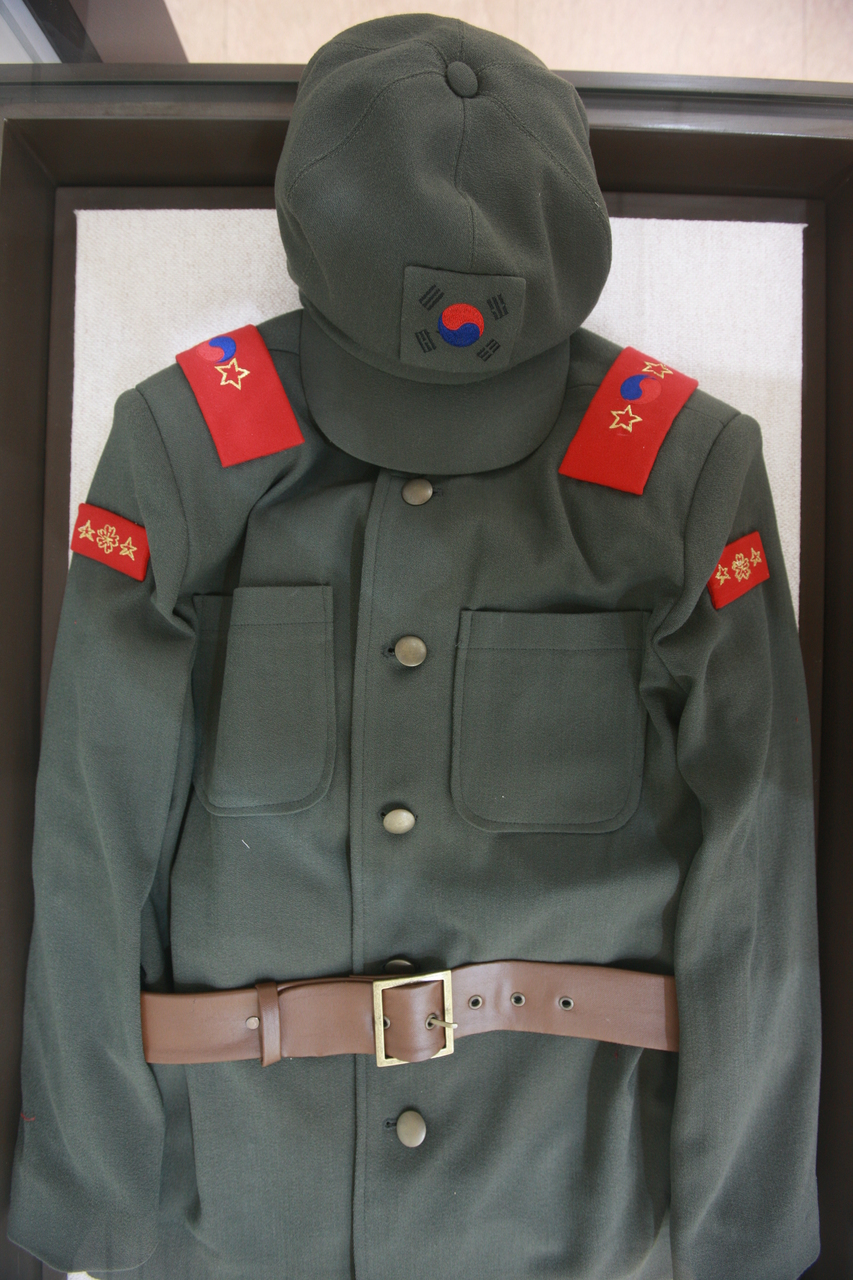
Entering and strolling through the railroad village is completely free. Traditional 1970s–1980s retro school uniform rentals cost between 7,000 and 10,000 KRW per person (including period armbands, hats, and name tags). Roasting Dalgona over charcoal briquettes costs roughly 3,000 to 5,000 KRW. Professional retro studio photography packages with printouts range from 10,000 to 20,000 KRW. Free parking is available in the large public lot directly across the street adjacent to E-Mart Gunsan.
6. Public Transit & Subway Exit Directions
From Seoul Express Bus Terminal, board an express bus to Gunsan Intercity Bus Terminal (approx. 2 hours 20 minutes). From the terminal, the village is an easy 12-minute walk (850 meters) straight down Gyeongam-ro, or a 5-minute ride on city bus 1, 2, or 8 to the E-Mart / Railroad Village stop. Taxis from the terminal take under 5 minutes and cost the base fare of approximately 4,000 KRW. From Gunsan KTX Station, city buses take roughly 15 minutes.
7. Barrier-Free Accessibility & Visitor Amenities
The main walking corridor consists of the flat, level ground of the preserved historical railbed. While the iron rails and wooden railroad ties protrude slightly from the ground, the pathway has been paved and smoothed with packed decomposed granite and crushed stone, making it accessible for assisted wheelchairs and strollers. Handrails and ramps connect the village to the adjacent street level. Accessible restrooms are located in the public service pavilion near the center of the tracks and inside E-Mart across the street.
8. Recommended Walking Route & Highlights Tour
Recommended 2-Hour Nostalgia Circuit: Arrive at the village entrance by E-Mart → Choose a retro rental boutique and change into a 1970s Korean high school uniform with student cap and armband → Stroll along the narrow tracks posing on the iron rails between rustic wooden cottages → Squat beside a charcoal briquette burner to melt sugar and stamp your own Dalgona candy shapes → Play vintage arcade games (Street Fighter, bubble-bobble) in a retro game room → Stop at a traditional snack stand to taste Jjondeuk-i (chewy roasted corn candy) and Apollo candy → Pose for a black-and-white studio portrait at a vintage photo shop.
9. Local Food Specialties & Regional Flavors
Gyeongam-dong is a treasure trove of beloved childhood comfort snacks from Korea’s 1970s and 1980s. Try freshly pressed Dalgona (caramelized sugar candy with baking soda), charcoal-grilled Jjondeuk-i (sweet, chewy dried flour sticks roasted over fire), Garak-guksu (rustic station-style thick udon noodles), retro cup Tteokbokki, and handmade hotteok filled with melted brown sugar and sunflower seeds.
10. Dietary Options (Vegetarian, Halal & Allergen Guide)
Vegetarian travelers will find an abundance of sweet street snacks along the railway: pure plant-based Dalgona candy, roasted sweet corn, charcoal-toasted Jjondeuk-i, grilled sweet pumpkin cakes, and candied fruit skewers (Tanghulu). For full meals, local noodle stalls prepare piping-hot vegetarian Garak-guksu (request vegetable broth) and bibim-guksu (spicy cold noodles). Halal visitors can comfortably enjoy all the retro confectionery, roasted sweet snacks, fruit juices, and egg-free candies.
11. Signature Photo Spots & Golden Hour Lighting
Iconic photographic compositions: walking along the narrow iron rails in matching vintage black school uniforms with arms outstretched for balance, close-ups stamping the umbrella or star shape into bubbling golden Dalgona on a hot brass ladle, romantic couple portraits framed by the tight wooden rooftops converging toward vanishing railway lines, and candid shots browsing shelves overflowing with colorful vintage snack boxes.
12. Visitor Etiquette & Cultural Property Regulations
Gyeongam-dong Railroad Village remains a living neighborhood where elderly residents inhabit homes immediately behind the commercial facades. Please respect local residents: do not knock on residential backdoors, do not shout or use megaphones, and keep voices low in the evening hours. Dispose of wooden skewers, paper cups, and candy wrappers in designated trash receptacles. Smoking along the narrow wooden corridor is strictly prohibited due to severe fire hazard.
13. Safety Precautions & 1330 Tourism Hotline Support
The tracks feature wooden ties and iron rails, so wear comfortable flat shoes or sneakers; high heels are prone to catching between the rails. Bring cash or local transit cards for small street candy and snack purchases. For village information or guided tour inquiries, contact the Gunsan City Tourism Information Center at 063-454-7830 or call 1330.
14. Nearby Connected Attractions & Walking Links
Located just a 5-minute drive (1.8 km) to the west is the Gunsan Modern History Museum (PLACE-JEONBUK-003) and the historic Old Gunsan Customs House. The famous Dongguksa Temple is a 7-minute drive away.
15. Frequently Asked Questions (FAQ)
Q: Did a real full-sized train actually run through this narrow alley? A: Yes, from 1944 until July 2008, real diesel locomotives pulling freight boxcars traveled right through these front yards once or twice daily; the train was so close that pedestrians had to press their backs flat against the house walls as it crawled past. Q: How long does the school uniform rental last? A: Standard rentals typically allow 1 to 2 hours of free walking and photography throughout the village, with lockers provided for your regular clothes.
16. Regional Extended Day Trip Itinerary
Gunsan Retro Time-Slip & Heritage Day Tour: Express bus from Seoul to Gunsan Bus Terminal → 12-minute walk to Gyeongam-dong Railroad Village → Rent 1970s vintage school uniforms and walk the tracks → Roast Dalgona over hot charcoal and play retro arcade games → Black-and-white studio photoshoot on the rails → 5-minute taxi to Gunsan Modern History Museum and Old Customs House → Savor seafood Jjamppong for lunch → Pick up iconic pastries at Lee Sung Dang → Return to Seoul via evening bus.
Essential Visitor Facts
Operating Hours
Village alleys open 24/7; Shops, rentals, and snack booths typically operate daily 10:00 - 19:00 (Weekends until 20:00)
Admission / Price
Free admission to railroad village; Uniform rental approx. 7,000 - 10,000 KRW; Dalgona experience 3,000 - 5,000 KRW
Closed Days
Open 365 Days
Best Time to Visit
Morning (around 09:30-10:00)
Transit & Access Directions
From Gunsan Intercity Bus Terminal, walk 12 mins (850m) or take City Bus 1, 2, or 8 to E-Mart / Railroad Village stop (approx. 5 mins)
Accessibility & Special Amenities
Wheelchair ramps, tactile paving, accessible restrooms
Location Coordinates
Latitude: 35.9812
Longitude: 126.7352
Discover Themes & Highlights
Key interest areas and cultural highlights:
#gyeongam-dong-railroad-village#VisitJeonbuk#KoreaTravelAtlas
Community Traveler Reviews0 Reviews
Visitor tips, feedback, and questions submitted by real travelers.
No community reviews submitted yet. Be the first traveler to share your experience!
Connected Cultural Destinations
Handpicked nearby attractions and regional cultural highlights.

Cheonggyecheon Stream
청계천Cheonggyecheon Stream, Seoul, South Korea
Cheonggyecheon Stream is an 11-kilometer ecological urban waterway flowing through central Seoul, featuring restored historic stone bridges, stepping stones, and lantern art festivals.
HalalMorning (around 09:30-10:00)
Details→
Apsan Park & Sunset Observatory
앞산전망대 케이블카Apsan Park & Sunset Observatory, Daegu, South Korea
Apsan Park & Sunset Observatory is Daegu’s largest natural municipal park, spreading across scenic valleys and granite ridges of Mount Apsan at 600 meters above sea level. The mountain is crowned b...
Morning (around 09:30-10:00)
Details→
Jeonju Hanok Village
전주한옥마을Jeonju Hanok Village, Jeonju, Jeonbuk, South Korea
Jeonju Hanok Village encompasses over 700 traditional Korean tiled homes nestled within the historic downtown core of Jeonju. Designated as an International Slow City, the village preserves authent...
Morning (around 09:30-10:00)
Details→
Gunsan Modern History Museum & Customs
군산 근대역사박물관Gunsan Modern History Museum & Customs, Gunsan, Jeonbuk, South Korea
Gunsan Modern History Museum and the Old Gunsan Customs House form South Korea’s premier modern heritage quarter, chronicling the dramatic 1930s maritime rice export port, Japanese colonial-era ban...
Morning (around 09:30-10:00)
Details→