Incheon•Heritage•Buddhist Temple
Ganghwado Jeondeungsa Temple
강화 전등사
Powered by Korea Tourism OrganizationAddress: Ganghwado Jeondeungsa Temple, Incheon, South Korea (인천광역시 강화군 길상면 전등사로 37-41)
Editorial review pending

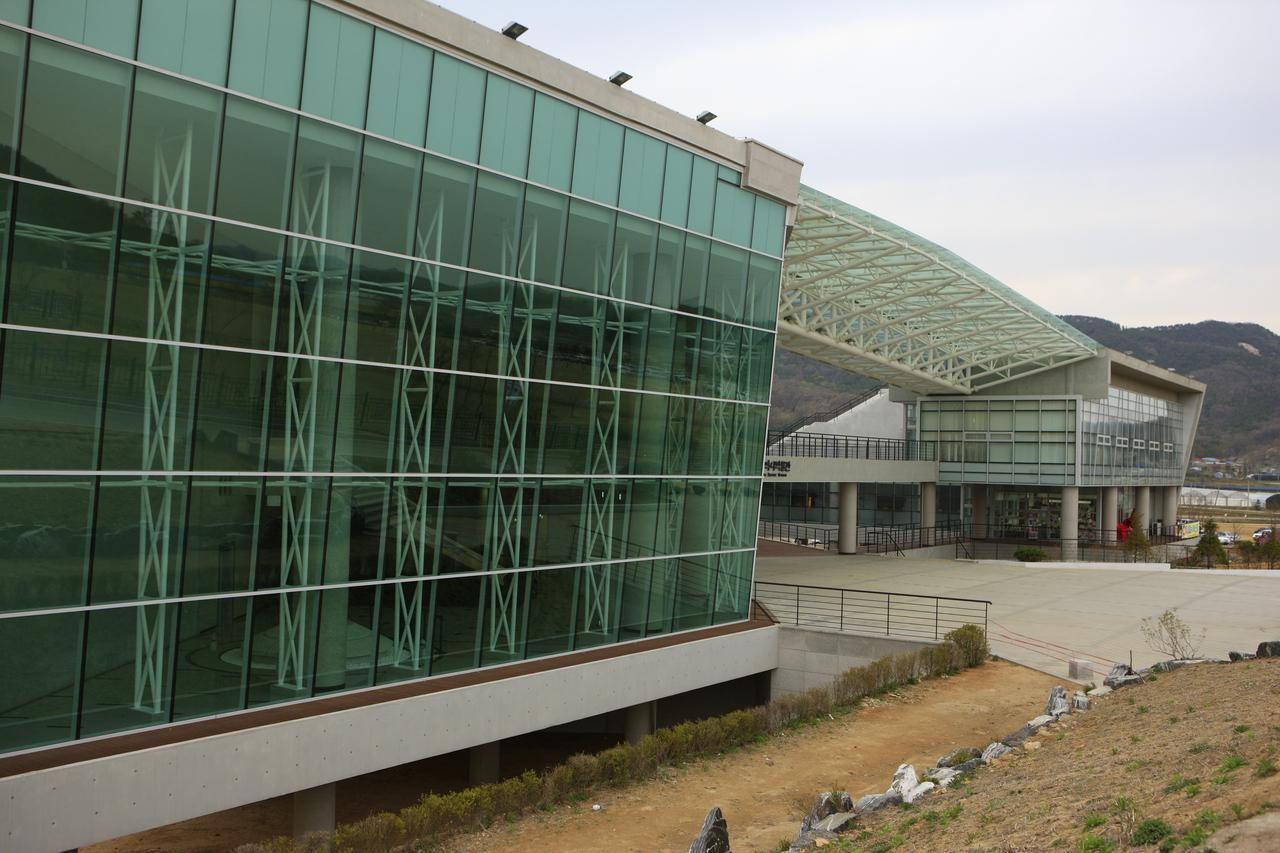
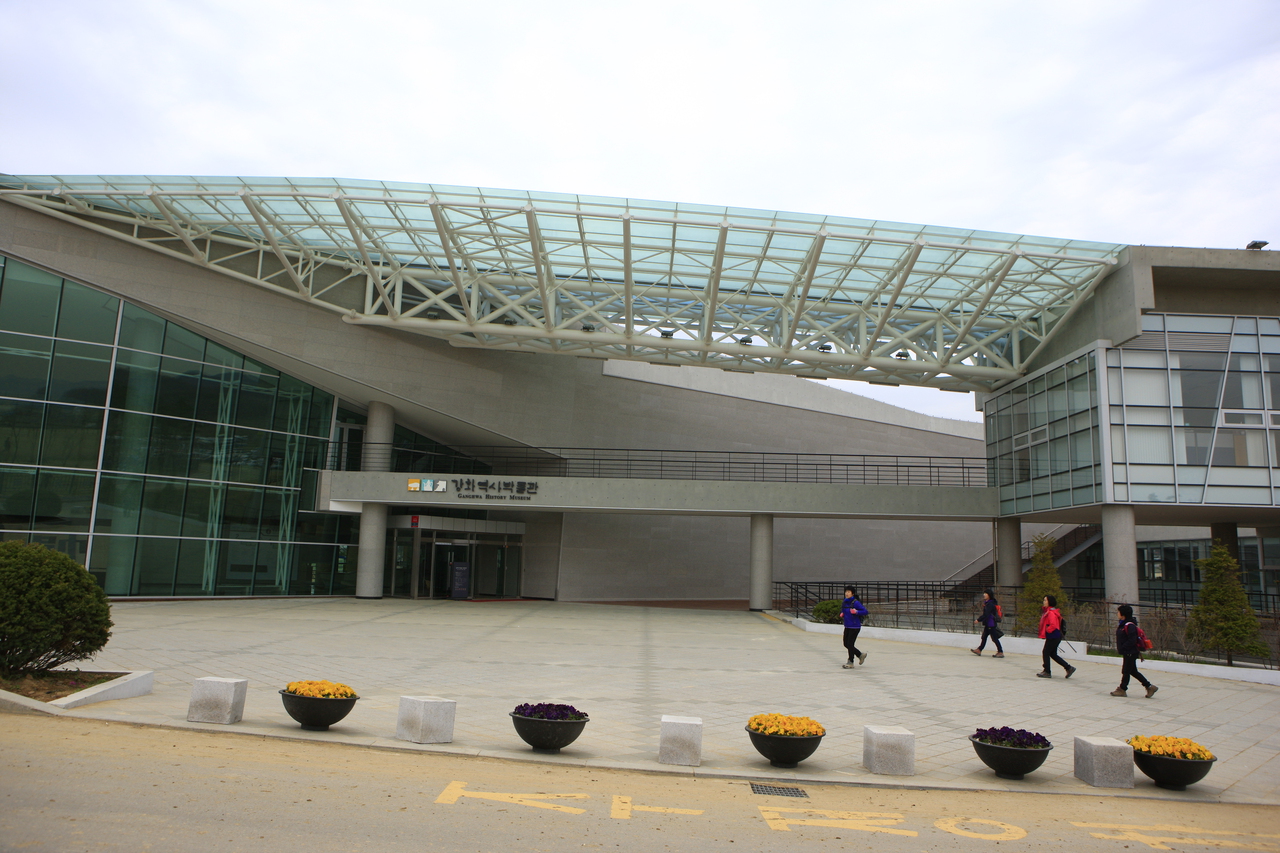
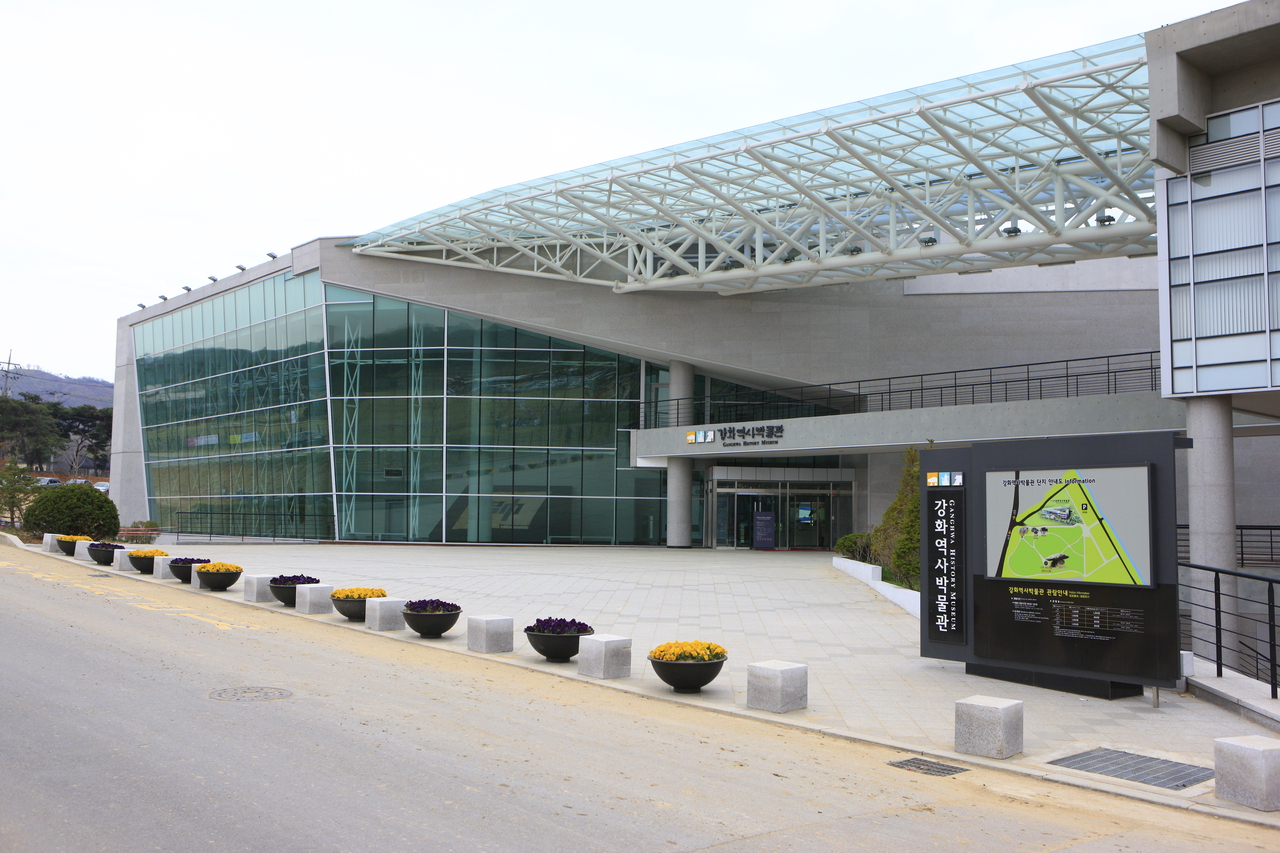
Ganghwado Jeondeungsa Temple representative scenic panoramaZoom

+1More
1 / 6
Ganghwado Jeondeungsa Temple representative scenic panorama
Curator's Guide & Overview
Comprehensive Guide1. Historical Origins & Cultural Background
Tracing its founding to 381 AD during the reign of King Sosurim of Goguryeo, Jeondeungsa is officially the oldest Buddhist monastery in South Korea. Originally named Jinjongsa by monk Ado, it was rechristened Jeondeungsa ('Transmitting the Lamp of Dharma') during the Goryeo Dynasty in 1282 when Queen Jeonghwa donated an exquisite jade lamp and Tripitaka scriptures to the shrine.
2. Architectural Highlights & Key Structures
The temple is fortified inside Samnangseong Fortress, an ancient stone fortress traditionally believed to have been constructed by the three sons of Dangun, the mythological founder of Korea. Architectural treasures include Daeungbojeon (Treasure No. 178)—famed for the carved naked wooden figurines supporting the eaves—and the Jeongjoksan Sago archives that sheltered the Annals of the Joseon Dynasty from foreign invasions.
3. Four Seasons Landscape & Seasonal Visiting Charms
Spring surrounds the fortress gates with wild pink azaleas and ancient weeping willows. Summer provides refreshing shade beneath centuries-old zelkova trees. Autumn is famous for dramatic crimson foliage framed against ancient gray stone fortress walls, while winter blankets the quiet mountain hermitage in pristine snow.
4. Operating Hours & Peak Viewing Times
The temple grounds are open daily from 08:00 to 18:30 in summer and 08:30 to 17:30 in winter. Visiting on weekday mornings before 10:30 offers tranquil mountain contemplation accompanied by the rhythmic sound of wooden bells and singing birds.
5. Admission Fees & Concessions (Youth/Foreigner Discounts)
General temple admission is 100% free under national cultural heritage programs. Parking at the South Gate and East Gate lots costs 2,000 KRW per vehicle. Renowned 2-day/1-night experiential Temple Stay programs cost 80,000 to 100,000 KRW per person with advance booking.
6. Public Transit & Subway Exit Directions
From Seoul, take City Bus 3000 from Sinchon Station (Line 2) to Ganghwa Terminal (1.5 hours), then transfer to Local Bus 60-5, 70, or 71 to Jeondeungsa South Gate (30 minutes). Direct buses (Bus 700-1) also operate from Geomam Station.
7. Barrier-Free Accessibility & Visitor Amenities
The path from the South Gate ticket area into the main courtyard is a shaded, uphill gravel and stone trail that takes about 10-15 minutes of moderate walking. A vehicular access road is available for authorized handicap vehicles and temple stay guests to reach the upper parking area without climbing stairs.
8. Recommended Walking Route & Highlights Tour
Arrive Jeondeungsa South Gate → climb through the arched fortress rampart of Samnangseong → walk along the forest path past 500-year-old ginkgo trees → explore Daeungbojeon Hall and examine the carved Nayeosang eave figurines → visit Yakasajeon Hall and Beomjonggak bell pavilion → stop at the historic traditional tea house Jukrimdabang.
9. Local Food Specialties & Regional Flavors
The village outside the South Gate is famous for Ganghwa culinary traditions: savory deodeok mountain root pancakes, acorn jelly (dotori-muk), herbal baeksuk (ginseng chicken soup), and Ganghwa ginseng Makgeolli. The on-site tea house serves warm jujube tea and lotus leaf cookies.
10. Dietary Options (Vegetarian, Halal & Allergen Guide)
Jeondeungsa is renowned for its authentic Buddhist monastic vegan cuisine. Village eateries offer mountain vegetable bibimbap made with locally gathered wild greens and house-made soybean paste stew, providing an ideal menu for vegetarian and halal-conscious travelers.
11. Signature Photo Spots & Golden Hour Lighting
Capture close-up details of the whimsical naked wooden figurine (Nayeosang) carved beneath the eaves of Daeungbojeon Hall, the panoramic view of Ganghwa plains from the Samnangseong fortress wall, and the ancient stone bell pavilion reflecting autumn foliage.
12. Visitor Etiquette & Cultural Property Regulations
As an active monastic practice site, speak in quiet voices and remove shoes before stepping onto wooden temple floors. Photography of Buddhist monk meditation sessions and indoor altars during prayer is restricted.
13. Safety Precautions & 1330 Tourism Hotline Support
The temple maintains an emergency first aid kit at the administrative office, and Ganghwa Fire Station covers the park. Multi-lingual assistance is provided by the Korea Tourism Organization at 1330.
14. Nearby Connected Attractions & Walking Links
Ganghwa Peace Observatory (overlooking North Korea) is 30 minutes north, the prehistoric Ganghwa Dolmen Site (UNESCO World Heritage) is 25 minutes northwest, and Dongmak Beach's mudflats lie 15 minutes south.
15. Frequently Asked Questions (FAQ)
Q: What is the legend of the carved naked figures under Daeungbojeon's eaves? A: Legend holds that a Joseon master carpenter, heartbroken when the local tavern hostess fled with his savings, carved her naked likeness beneath the heavy eave corners so she would bear the heavy weight of the temple roof forever as penitence.
16. Regional Extended Day Trip Itinerary
Morning visit to Ganghwa Jeondeungsa Temple and peaceful forest walk → traditional deodeok pancake lunch at South Gate village → afternoon tour of the Ganghwa Dolmen UNESCO site → sunset coffee overlooking the yellow sea at Dongmak Beach.
Essential Visitor Facts
Operating Hours
08:00 - 18:30 (Winter 08:30 - 17:30, Open 365 days)
Admission / Price
Free Temple Admission
Closed Days
Closed on Mondays/Tuesdays
Best Time to Visit
Morning (around 09:30-10:00)
Transit & Access Directions
From Ganghwa Bus Terminal take Local Bus 60-5, 70, or 71 to Jeondeungsa South Gate (30 min)
Accessibility & Special Amenities
Wheelchair ramps, tactile paving, accessible restrooms
Location Coordinates
Latitude: 37.6322
Longitude: 126.4839
Discover Themes & Highlights
Key interest areas and cultural highlights:
#ganghwado-jeondeungsa#VisitIncheon#KoreaTravelAtlas
Community Traveler Reviews0 Reviews
Visitor tips, feedback, and questions submitted by real travelers.
No community reviews submitted yet. Be the first traveler to share your experience!
Connected Cultural Destinations
Handpicked nearby attractions and regional cultural highlights.

Songdo Central Park
송도 센트럴파크Songdo Central Park, Incheon, South Korea
Songdo Central Park is an avant-garde 400,000-square-meter urban oasis featuring Korea’s first seawater canal, futuristic architectural icons like the Tri-bowl, and moon-shaped electric leisure boats.
Morning (around 09:30-10:00)
Details→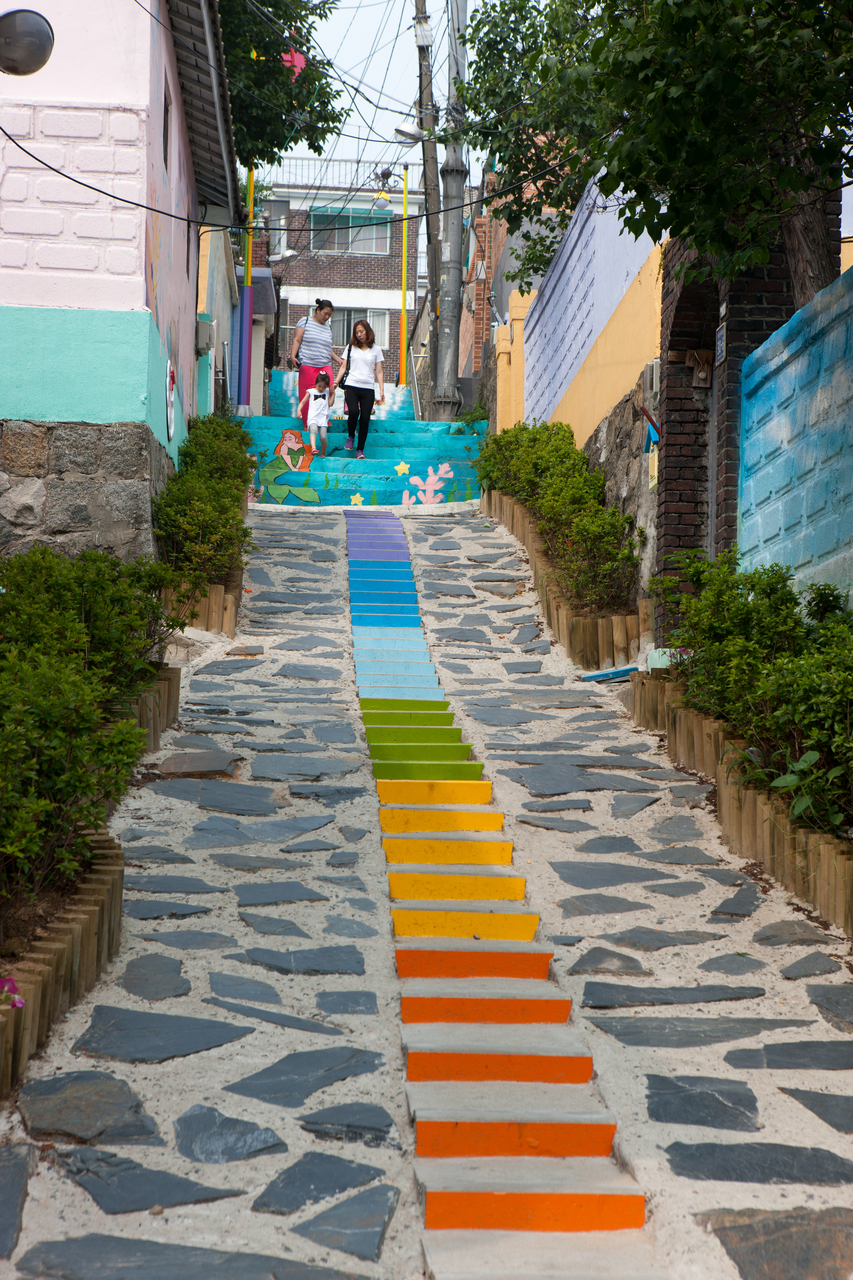
Incheon Chinatown & Fairy Tale Village
인천 차이나타운 및 동화마을Incheon Chinatown & Fairy Tale Village, Incheon, South Korea
Incheon Chinatown is Korea’s premier historical Chinese community established in 1884, famous as the birthplace of black bean Jajangmyeon and seamlessly connected to the pastel murals of Songwol-do...
Morning (around 09:30-10:00)
Details→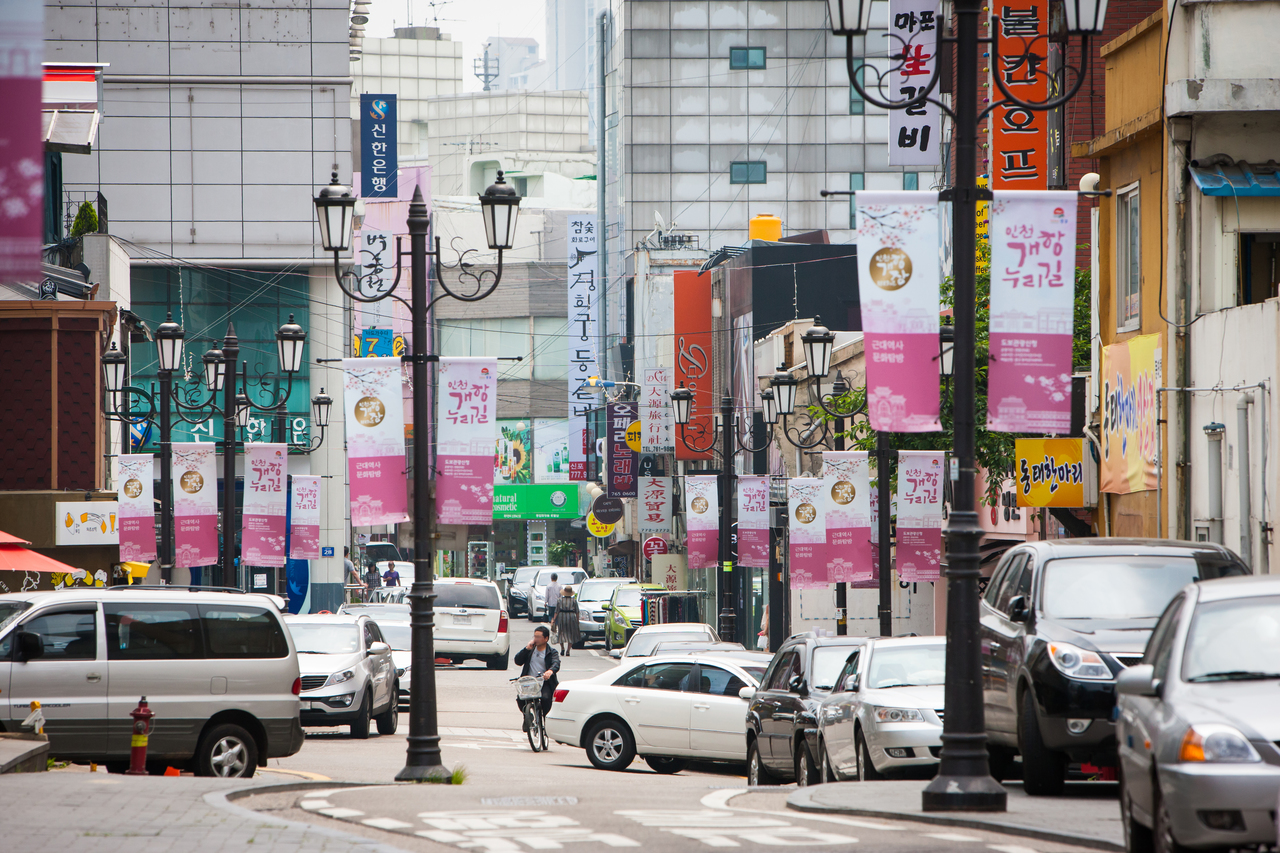
Incheon Open Port Modern History Street
인천 개항장 근대역사거리Incheon Open Port Modern History Street, Incheon, South Korea
Incheon Open Port Modern History Street preserves authentic late-nineteenth-century Western and Japanese consular bank buildings, red-brick art warehouses, and historical concession borders from th...
Morning (around 09:30-10:00)
Details→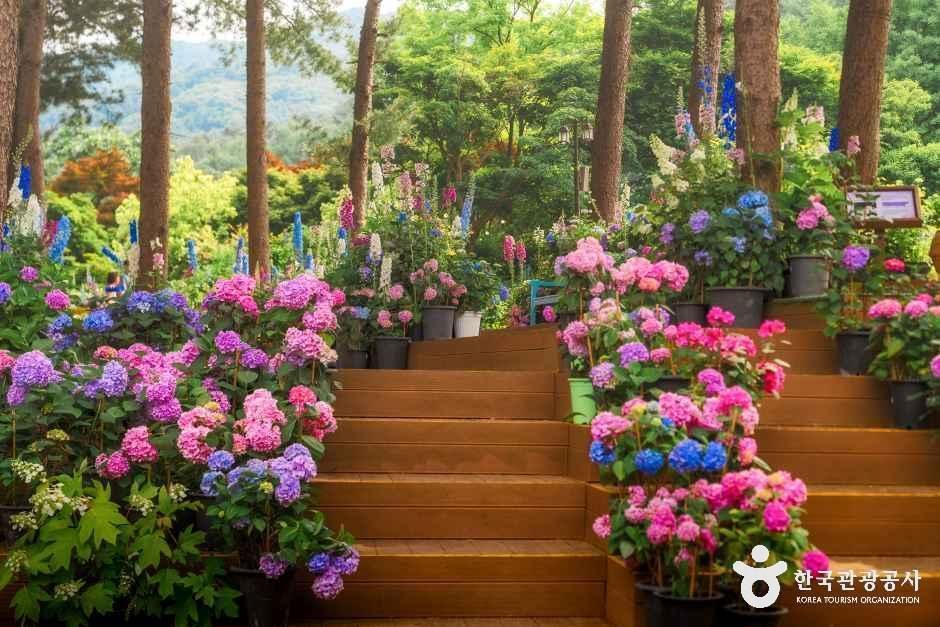
The Garden of Morning Calm
아침고요수목원The Garden of Morning Calm, Gapyeong, Gyeonggi, South Korea
The Garden of Morning Calm is South Korea’s premier classical botanical arboretum nestled beneath Mount Chungnyeong in Gapyeong, featuring over 5,000 plant species across 22 themed gardens, and the...
Morning (around 09:30-10:00)
Details→