Discover All 17 Provinces & Hidden Towns
Discover Authentic South Korea
Your multi-lingual magazine and smart map guide covering iconic landmarks to regional hidden gems across all provinces.
16+ Regions Mapped
100% Official Public Open Data
8 Languages Supported
Curated Style Guides
Busan, Gyeongju & Seoul: Latest Guides
New local-research guides added daily.
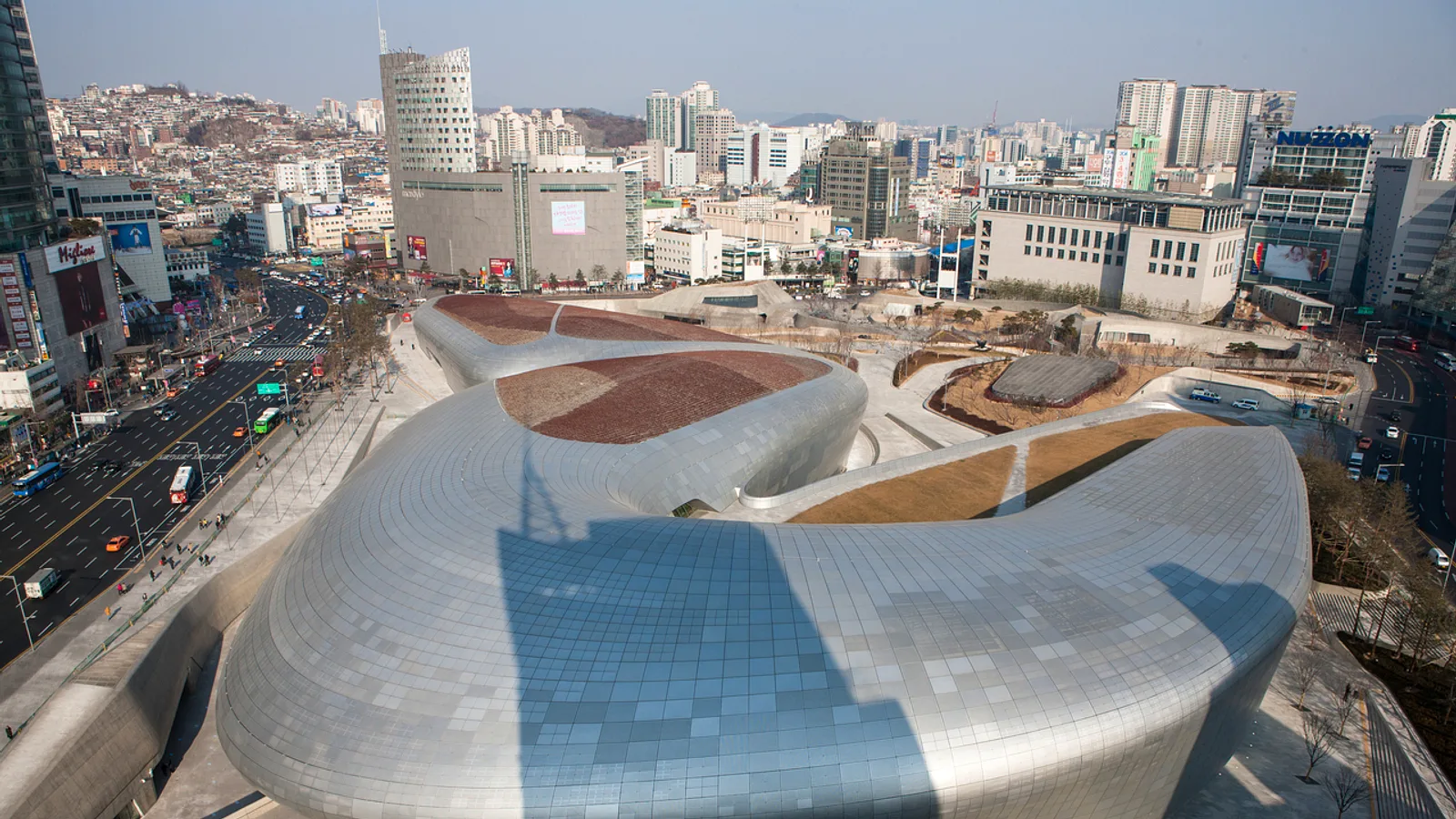
Seoul
Dongdaemun Design Plaza and Night Shopping: How Seoul's Wholesale Malls Work
A practical guide to Dongdaemun Design Plaza, the late-opening retail malls across the street, and the wholesale malls behind them that mainly serve trade buyers.
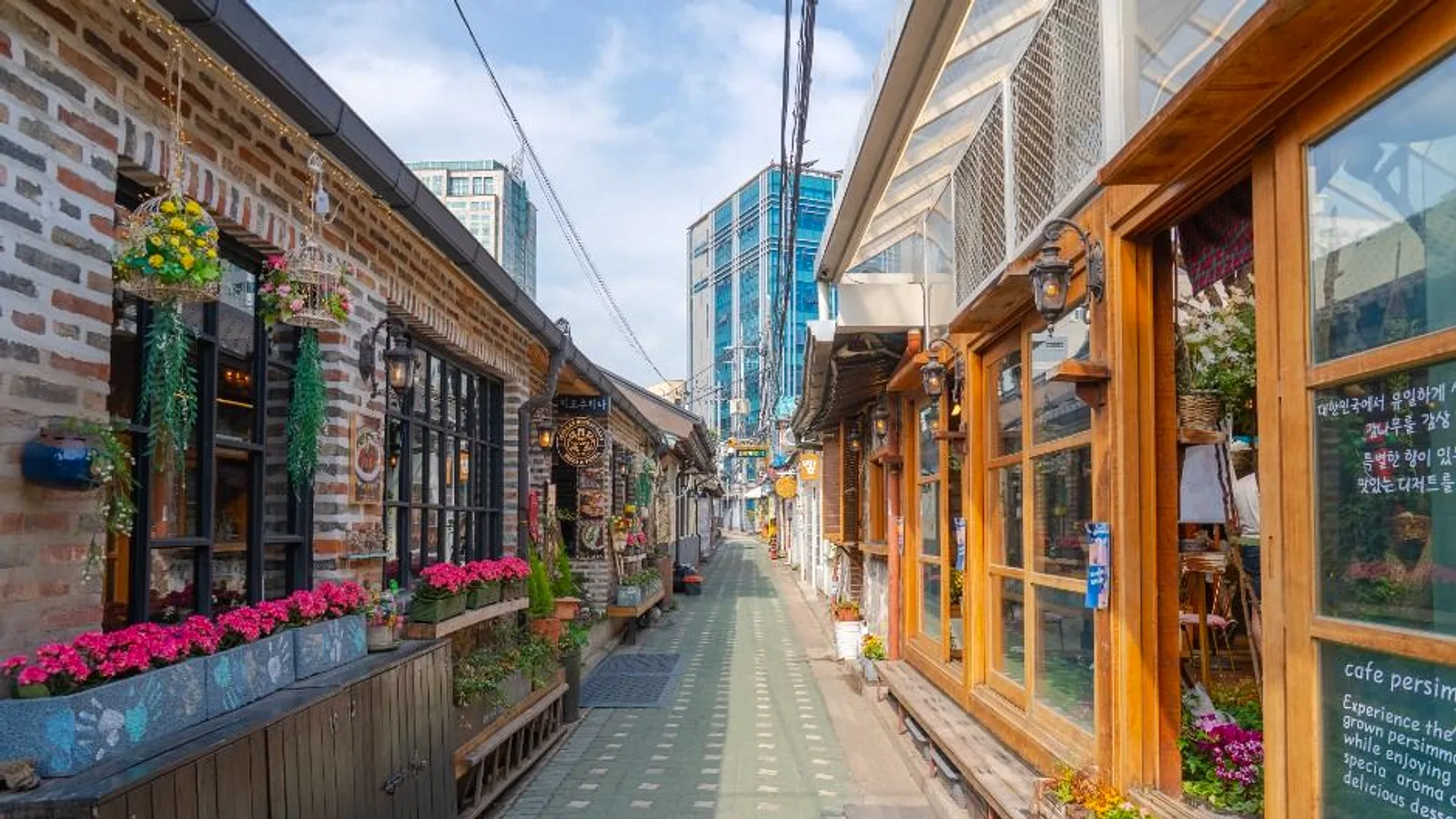
Seoul
Ikseon-dong and Insa-dong: A Half-Day Route Through Seoul's Hanok Alleys and Craft Street
A practical half-day plan linking Ikseon-dong's restored hanok alleys with Insa-dong's craft shops, tea houses and the neighboring Jogyesa Temple in central Seoul.
Seoul
Han River Parks at Night in Seoul: Yeouido, Banpo Fountain, Ttukseom and Convenience-Store Ramyeon
A practical guide to spending an evening in Seoul's Hangang parks: where to go, how the Banpo fountain and bike rentals fit in, and how the convenience-store ramyeon habit works.
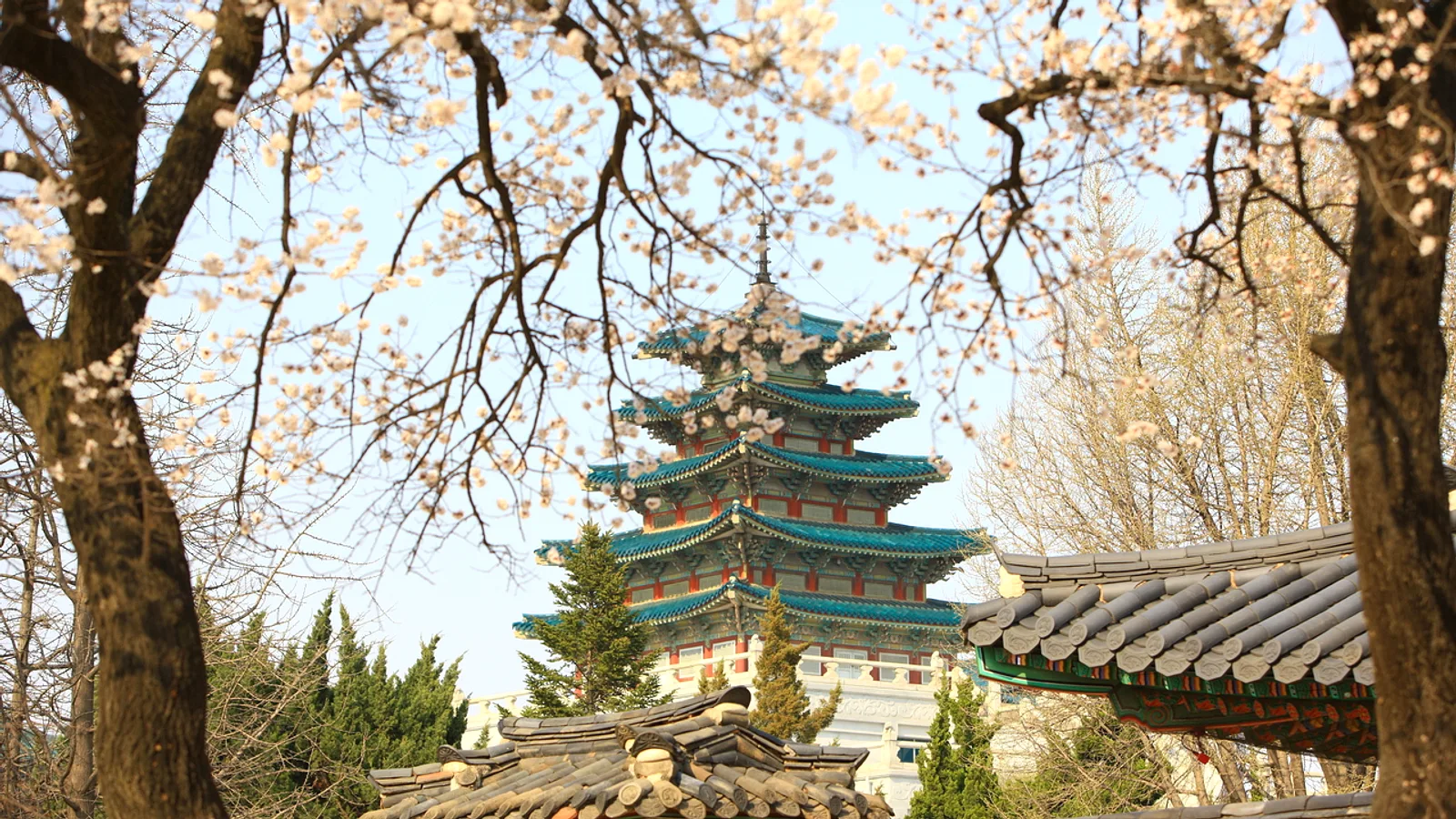
Seoul
Gyeongbokgung Palace: Guard Ceremony, Free Hanbok Entry and a Visit Order
How to plan a visit to Seoul's main Joseon palace, including the Gwanghwamun guard ceremony, free entry in hanbok, a sensible route through the grounds and the Tuesday closure.
Busan
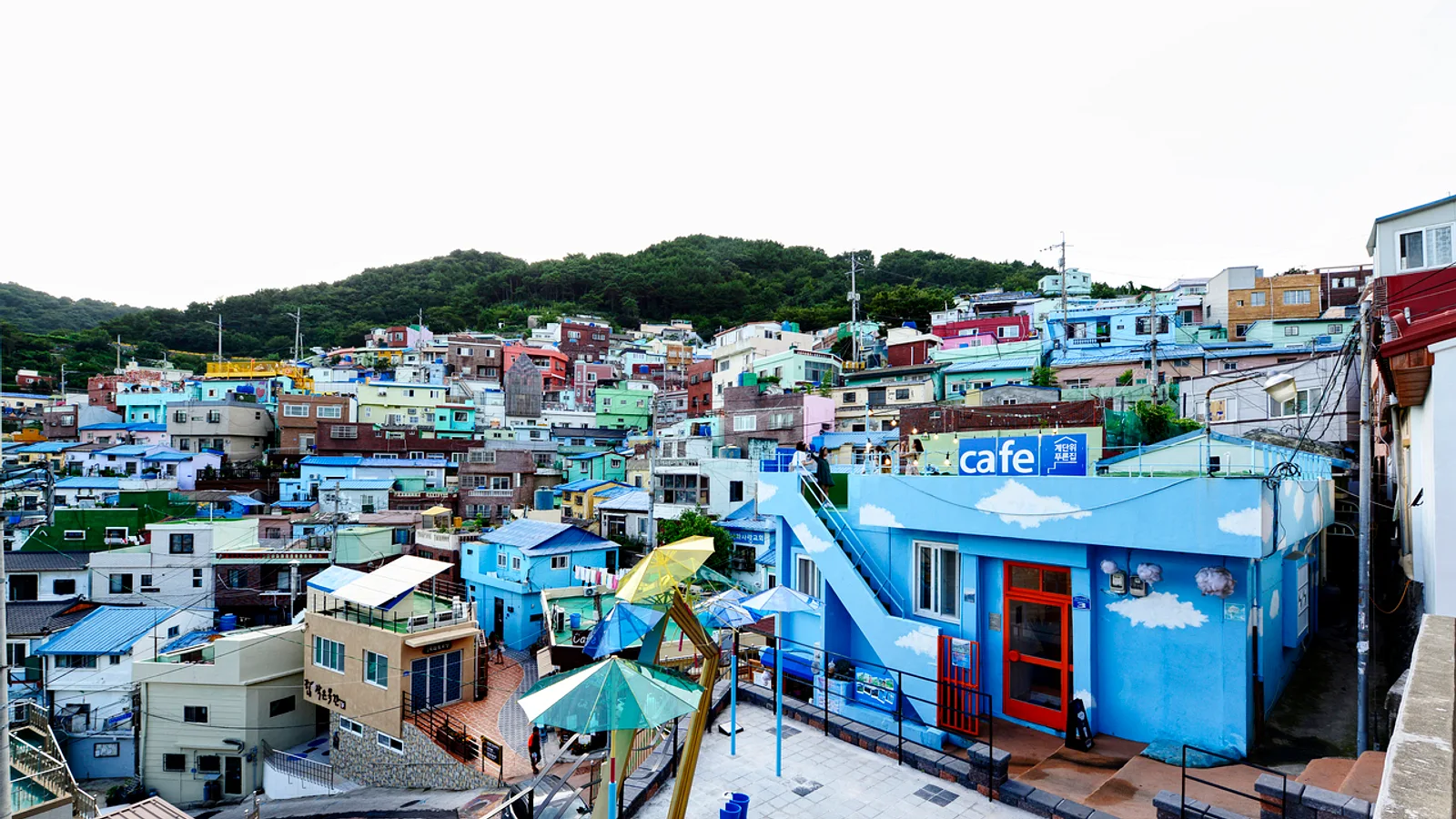
Busan's Hillside Neighborhoods: Ami-dong, Choryang Ibagu-gil and Yeongdo
A practical guide to three refugee-settled hillside areas in Busan: Ami-dong's tombstone village, the stairs and viewpoints of Choryang Ibagu-gil, and the ship-repair murals of Yeongdo.
Busan
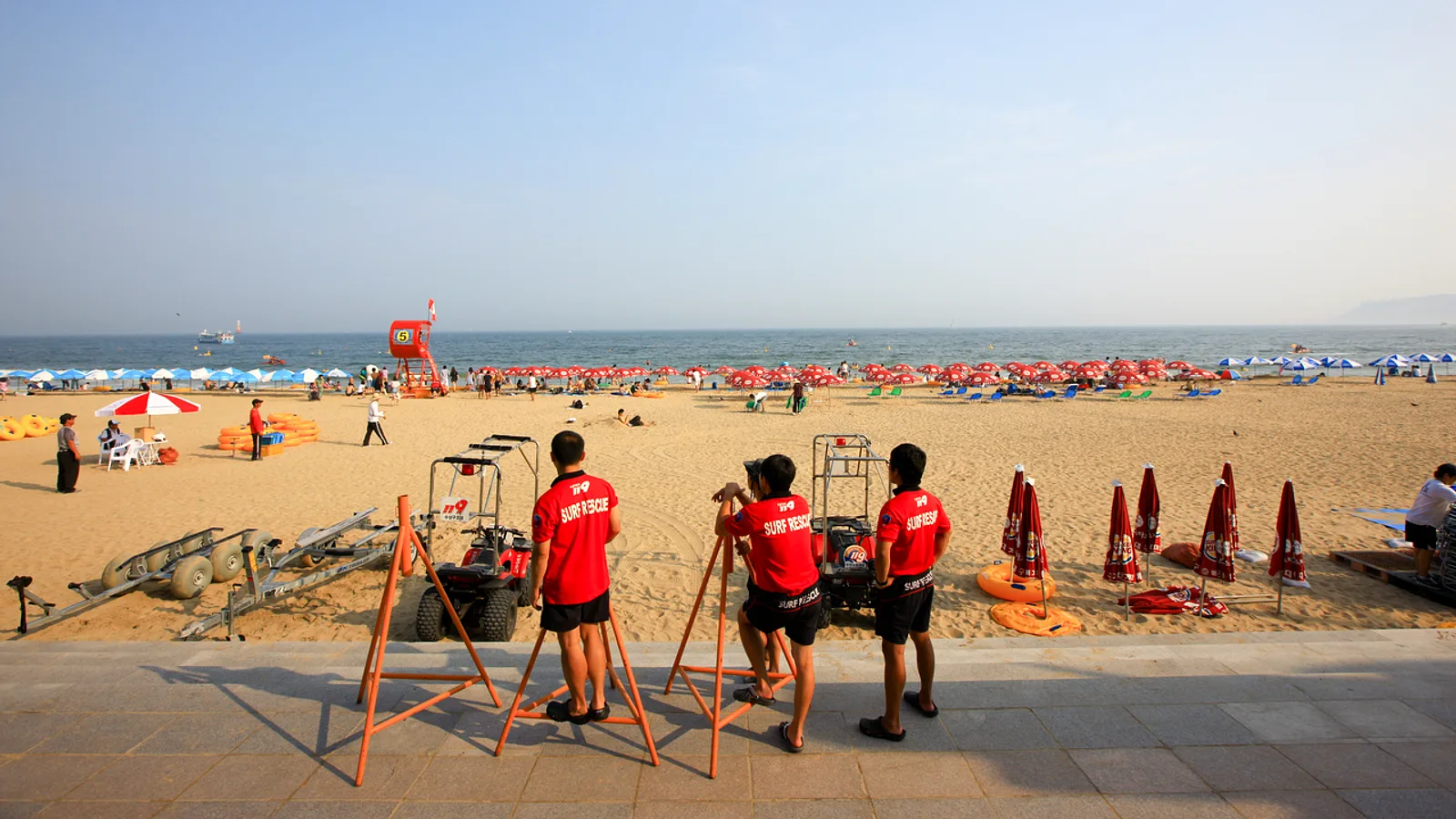
Cheongsapo, Daritdol Skywalk and Songjeong: A Coast Day East of Haeundae
A route along Busan's eastern shore from Dalmaji Hill to Songjeong Beach, covering Cheongsapo, the Daritdol Skywalk, Gudeokpo, the Beach Train and the coastal footpath.
Explore by Category
View All Places →Editor's Picks: Iconic Landmarks
Selected for UNESCO/national heritage designation and regional diversity — not a real-time popularity ranking.

Bulguksa Temple (UNESCO)
불국사Bulguksa Temple (UNESCO), Gyeongju, Gyeongbuk, South Korea
Bulguksa Temple is a monumental UNESCO World Heritage Buddhist sanctuary founded in 751 under the unified Silla Dynasty on the slopes of Mount Tohamsan in Gyeongju. Renowned as the pinnacle of anci...
Morning (around 09:30-10:00)
Details→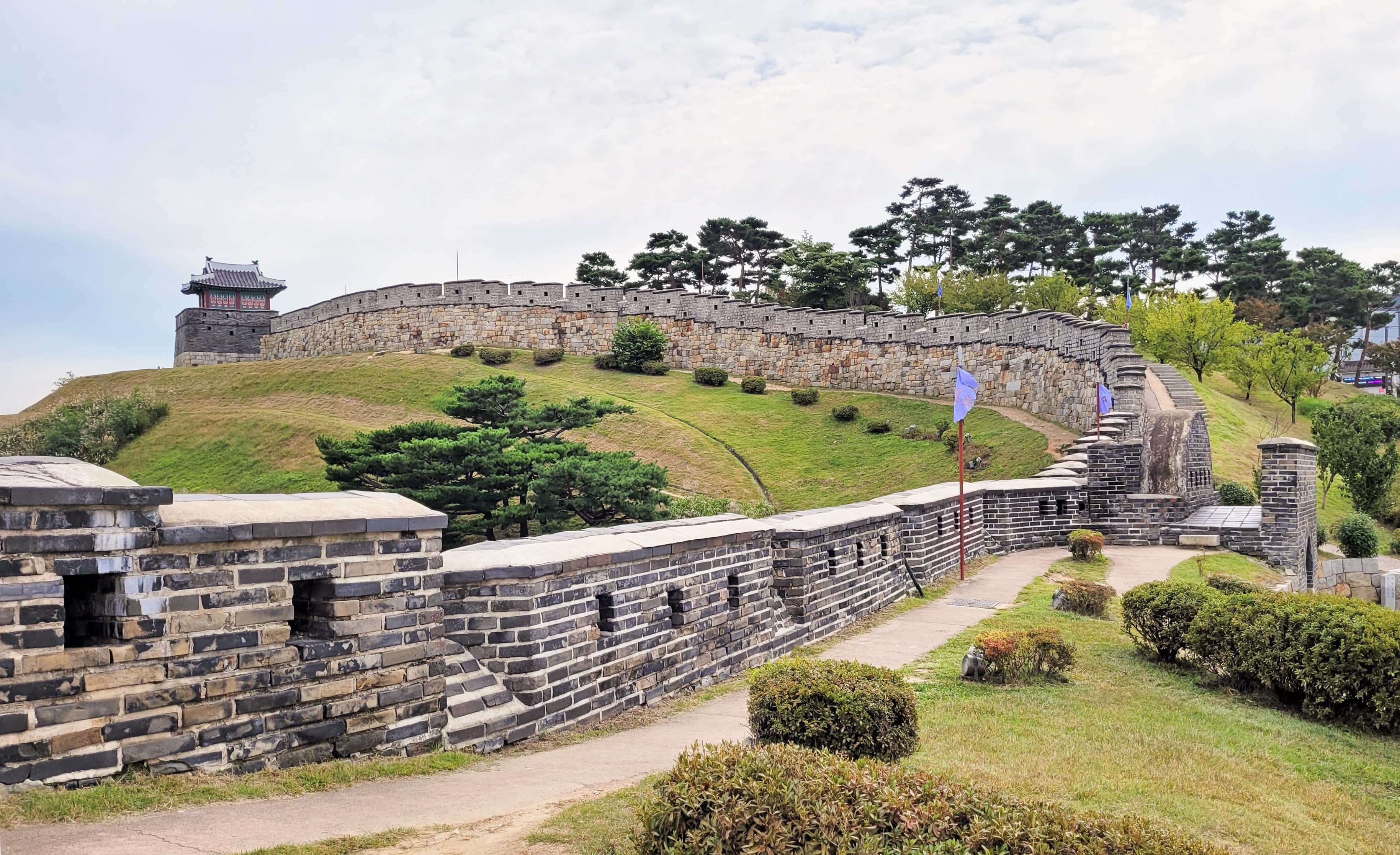
Suwon Hwaseong Fortress (UNESCO)
수원화성Suwon Hwaseong Fortress (UNESCO), Suwon, Gyeonggi, South Korea
Suwon Hwaseong Fortress is a UNESCO World Heritage site constructed between 1794 and 1796 by King Jeongjo, combining visionary Joseon royal filial piety with Eastern and Western scientific fortific...
Morning (around 09:30-10:00)
Details→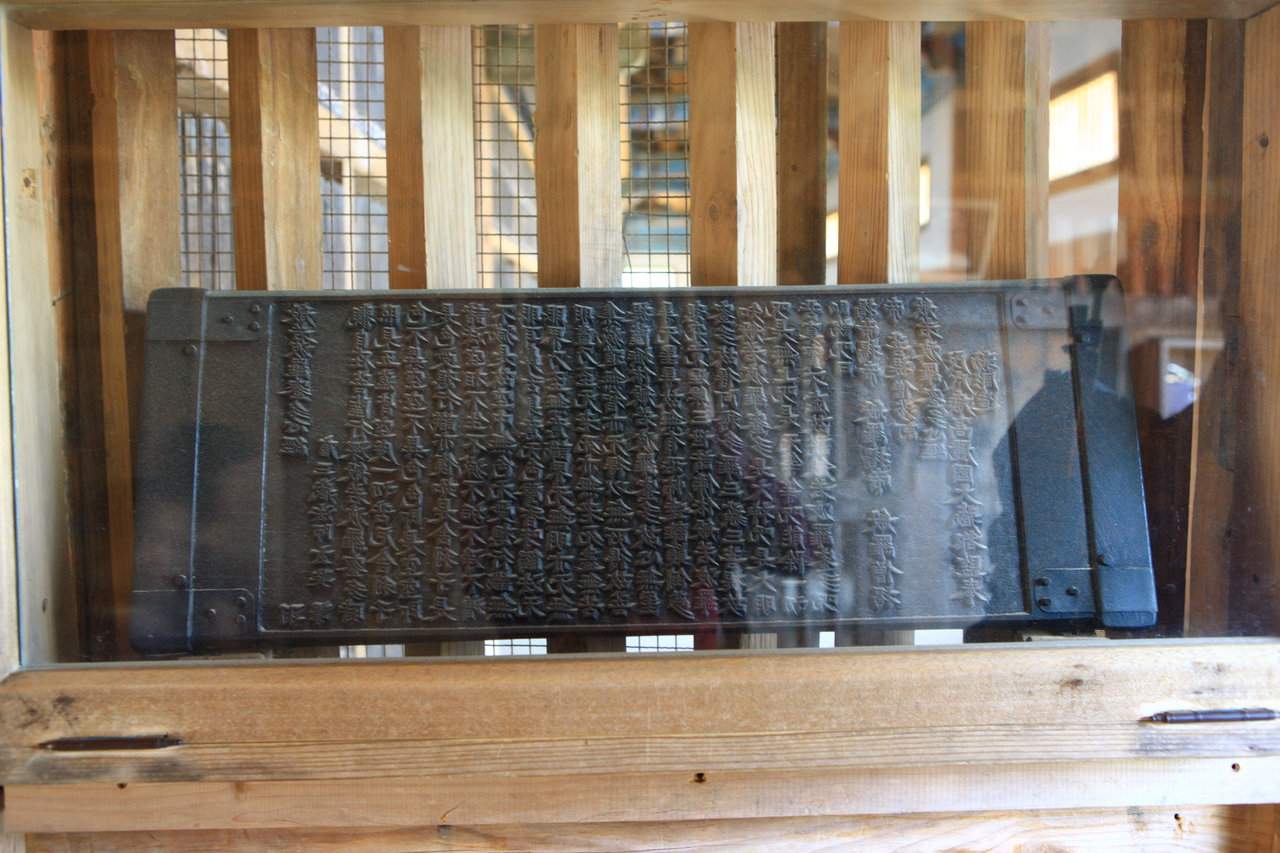
Haeinsa Temple & Tripitaka Koreana (UNESCO)
합천 해인사 장경판전Haeinsa Temple & Tripitaka Koreana (UNESCO), Hapcheon, Gyeongnam, South Korea
Haeinsa Temple is South Korea’s supreme Dharma jewel temple nestled deep within Mount Gayasan, world-renowned for Janggyeong Panjeon (UNESCO World Heritage)—the extraordinary 15th-century naturally...
Morning (around 09:30-10:00)
Details→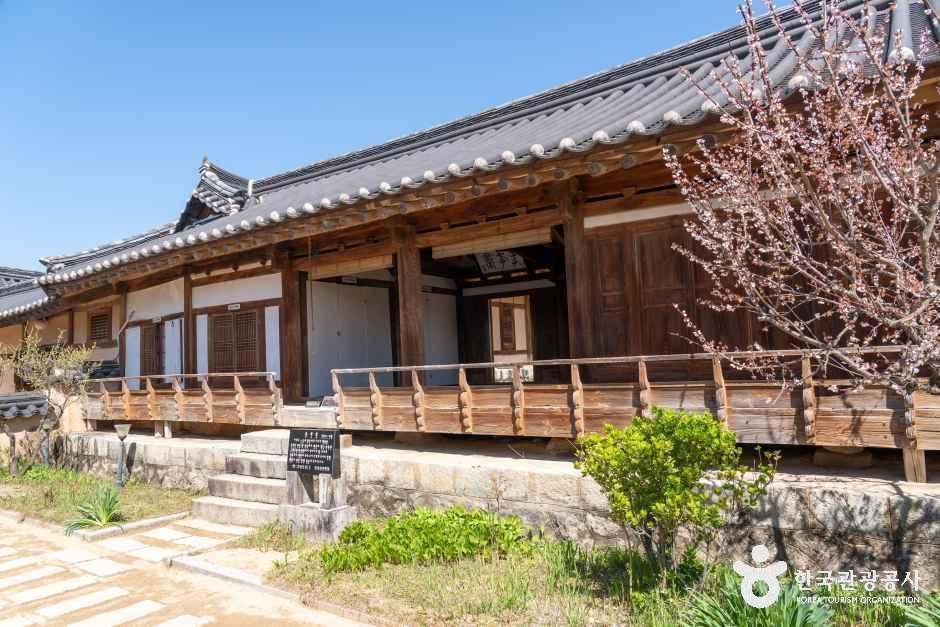
Andong Hahoe Folk Village (UNESCO)
안동 하회마을Andong Hahoe Folk Village (UNESCO), Andong, Gyeongbuk, South Korea
Andong Hahoe Folk Village is a living UNESCO World Heritage treasure where the Pungsan Ryu clan has resided for over 600 years, cradled by the sweeping S-curve of the Nakdong River, preserving auth...
Morning (around 09:30-10:00)
Details→
Seongsan Ilchulbong Peak (UNESCO)
성산일출봉Seongsan Ilchulbong Peak (UNESCO), Jeju, South Korea
Seongsan Ilchulbong Peak is an iconic UNESCO World Natural Heritage volcanic tuff cone rising 182 meters directly from the eastern sea of Jeju Island. Formed through explosive hydrovolcanic eruptio...
Morning (around 09:30-10:00)
Details→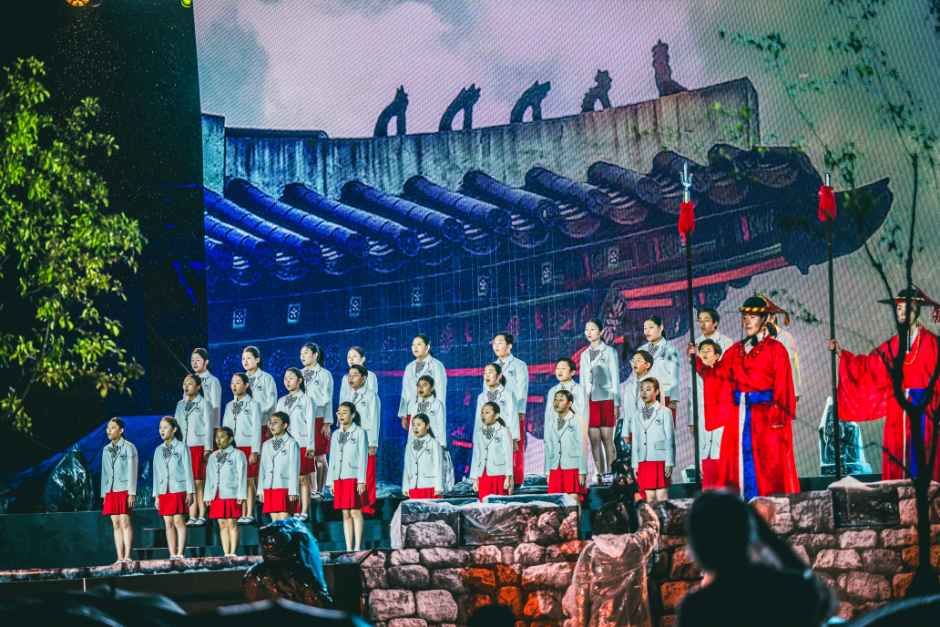
Namhansanseong Provincial Fortress (UNESCO)
남한산성Namhansanseong Provincial Fortress (UNESCO), Gwangju-Gyeonggi, Gyeonggi, South Korea
Namhansanseong Provincial Fortress is a UNESCO World Heritage mountain stronghold spanning 12.4 kilometers along Mount Namhan, celebrated for its 2,000-year history of defensive ingenuity, temporar...
Morning (around 09:30-10:00)
Details→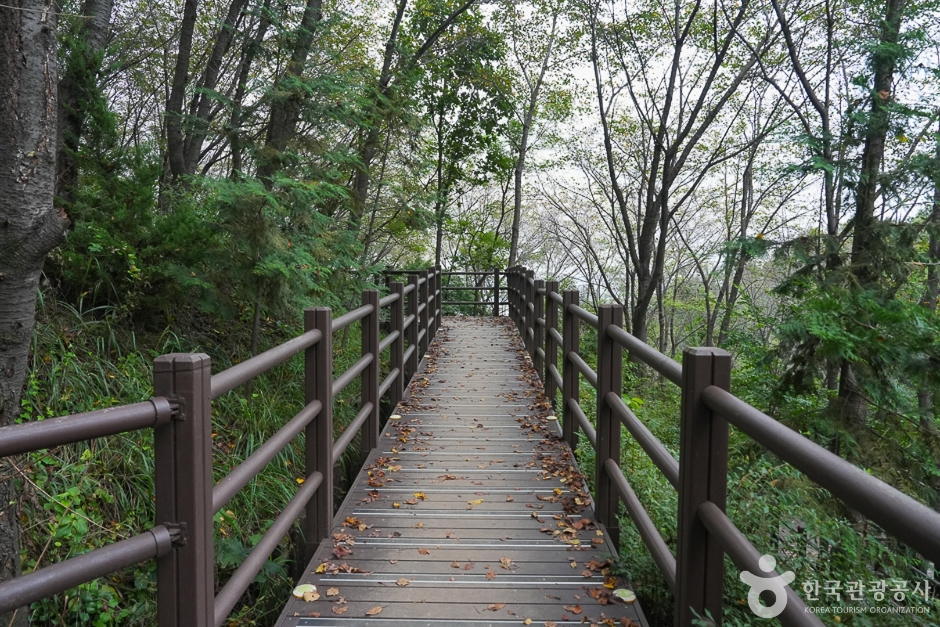
Yangsan Tongdosa Temple (UNESCO)
양산 통도사Yangsan Tongdosa Temple (UNESCO), Yangsan, Gyeongnam, South Korea
Yangsan Tongdosa Temple is South Korea’s supreme Buddha Jewel Temple (UNESCO World Heritage), founded in 646 AD, internationally unique because its sacred Main Hall houses no Buddha statue—instead ...
Morning (around 09:30-10:00)
Details→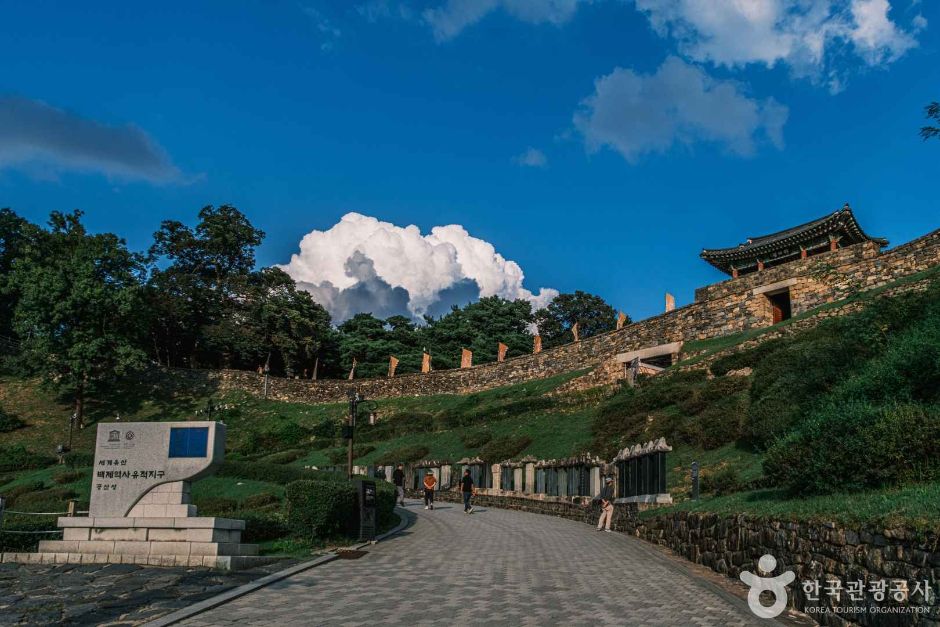
Gongju Gongsanseong Fortress (UNESCO)
공주 공산성Gongju Gongsanseong Fortress (UNESCO), Gongju, Chungnam, South Korea
Gongju Gongsanseong Fortress is a UNESCO World Heritage mountain rampart overlooking the Geumgang River, serving as the royal capital fortress of the ancient Baekje Kingdom (475–538 AD) during the ...
Morning (around 09:30-10:00)
Details→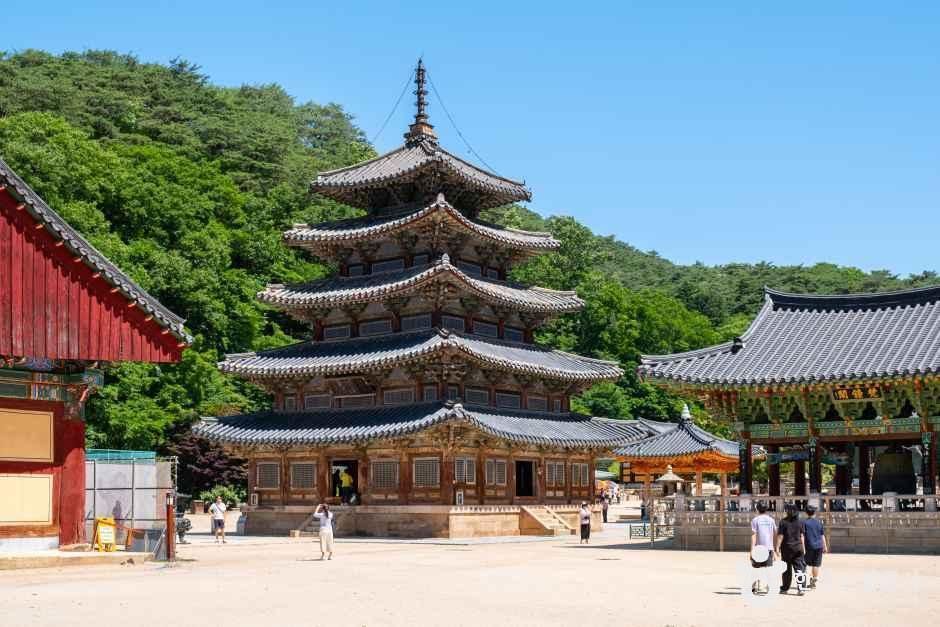
Songnisan National Park & Beopjusa (UNESCO)
속리산 법주사Songnisan National Park & Beopjusa (UNESCO), Boeun, Chungbuk, South Korea
Songnisan National Park and Beopjusa Temple is a UNESCO World Heritage Buddhist sanctuary founded in 553 AD, celebrated for Palsangjeon (Korea’s only surviving 5-story wooden pagoda, National Treas...
Morning (around 09:30-10:00)
Details→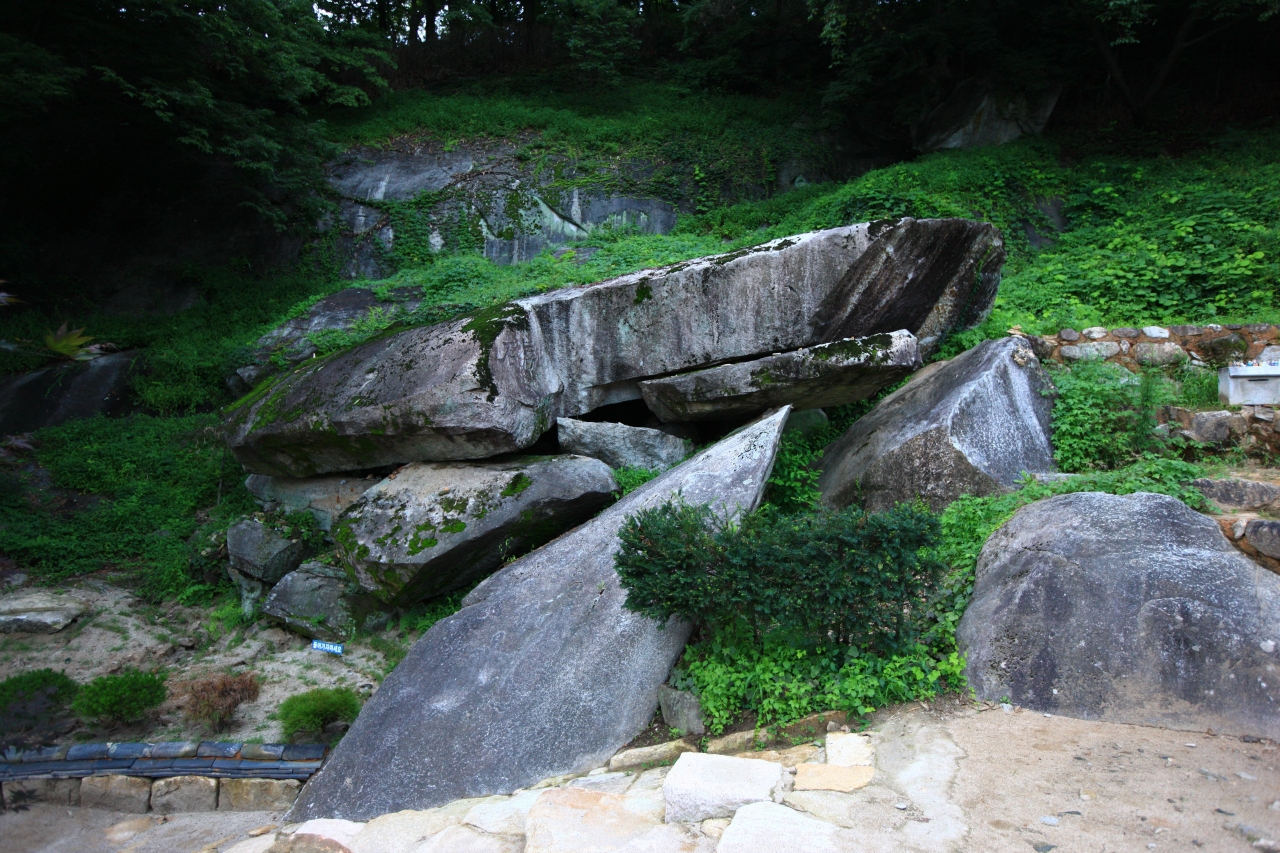
Yeongju Buseoksa Temple (UNESCO)
영주 부석사 (무량수전)Yeongju Buseoksa Temple (UNESCO), Yeongju, Gyeongbuk, South Korea
Yeongju Buseoksa Temple is a legendary UNESCO World Heritage mountain sanctuary on the slopes of Mount Bonghwangsan, world-renowned for Muryangsujeon (Hall of Infinite Life)—one of South Korea’s ol...
Morning (around 09:30-10:00)
Details→Off the Beaten Path
Lesser-known destinations beyond the well-covered hotspots, picked from areas with fewer listed attractions in our atlas.
Suwon Hwaseong Fortress (UNESCO)
수원화성Suwon Hwaseong Fortress (UNESCO), Suwon, Gyeonggi, South Korea
Suwon Hwaseong Fortress is a UNESCO World Heritage site constructed between 1794 and 1796 by King Jeongjo, combining visionary Joseon royal filial piety with Eastern and Western scientific fortific...
Morning (around 09:30-10:00)
Details→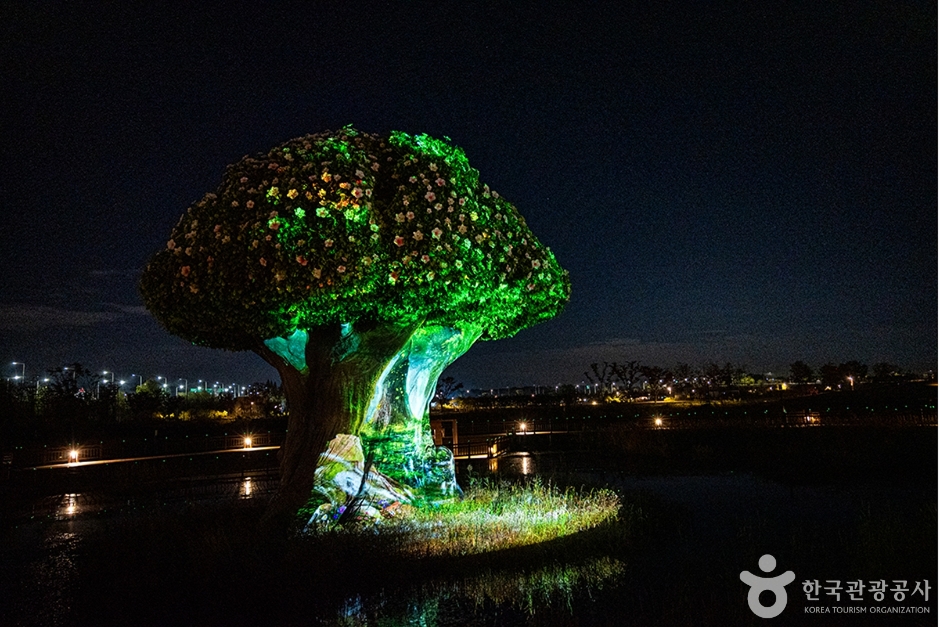
DMZ & Imjingak Peace Nuri Park
임진각 평화누리공원DMZ & Imjingak Peace Nuri Park, Paju, Gyeonggi, South Korea
DMZ & Imjingak Peace Nuri Park is the northernmost accessible civilian heritage park facing the Korean Demilitarized Zone in Paju, featuring the iconic Hill of Wind with 3,000 spinning pinwheels, t...
Morning (around 09:30-10:00)
Details→Namhansanseong Provincial Fortress (UNESCO)
남한산성Namhansanseong Provincial Fortress (UNESCO), Gwangju-Gyeonggi, Gyeonggi, South Korea
Namhansanseong Provincial Fortress is a UNESCO World Heritage mountain stronghold spanning 12.4 kilometers along Mount Namhan, celebrated for its 2,000-year history of defensive ingenuity, temporar...
Morning (around 09:30-10:00)
Details→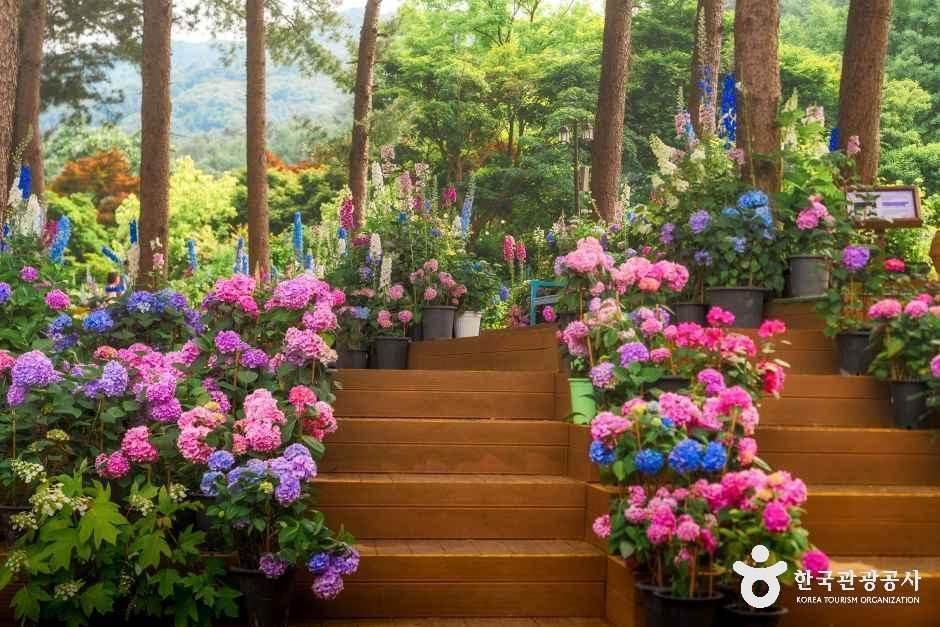
The Garden of Morning Calm
아침고요수목원The Garden of Morning Calm, Gapyeong, Gyeonggi, South Korea
The Garden of Morning Calm is South Korea’s premier classical botanical arboretum nestled beneath Mount Chungnyeong in Gapyeong, featuring over 5,000 plant species across 22 themed gardens, and the...
Morning (around 09:30-10:00)
Details→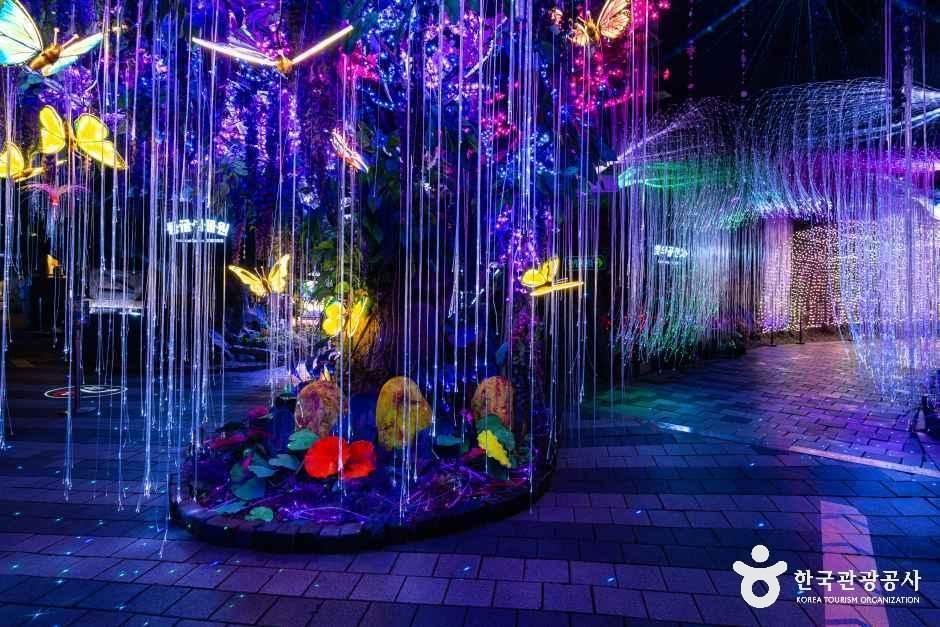
Gwangmyeong Theme Cave
광명동굴Gwangmyeong Theme Cave, Gwangmyeong, Gyeonggi, South Korea
Gwangmyeong Cave is a premier industrial heritage revival attraction in the Seoul Capital Area, transforming an abandoned 1912 gold mine into a subterranean wonderland featuring underground waterfa...
Morning (around 09:30-10:00)
Details→
Heyri Art Valley & Book City
헤이리 예술마을Heyri Art Valley & Book City, Paju, Gyeonggi, South Korea
Heyri Art Valley & Paju Book City form South Korea’s premier cultural and architectural haven in Paju, featuring 495,000 square meters of avant-garde architecture, artist studios, eclectic museums,...
Morning (around 09:30-10:00)
Details→
Dumulmeori Waterway (Yangpyeong)
양평 두물머리Dumulmeori Waterway (Yangpyeong), Yangpyeong, Gyeonggi, South Korea
Dumulmeori is a legendary scenic headland in Yangpyeong where the Bukhangang (North) and Namhangang (South) Rivers merge into the Han River, acclaimed for its 400-year-old zelkova tree, traditional...
Morning (around 09:30-10:00)
Details→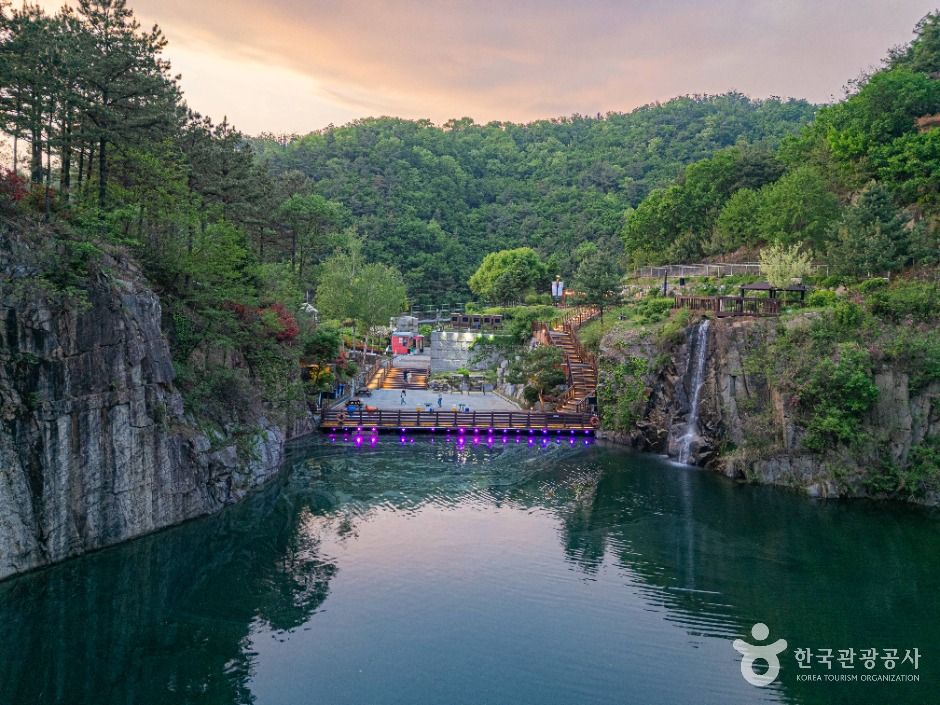
Pocheon Art Valley & Emerald Lake
포천아트밸리Pocheon Art Valley & Emerald Lake, Pocheon, Gyeonggi, South Korea
Pocheon Art Valley is a breathtaking eco-art reclamation park in northern Gyeonggi, transforming an abandoned 1960s granite quarry into a dramatic natural canyon centering on Cheonjuho—an emerald s...
Morning (around 09:30-10:00)
Details→Curated Routes
Itineraries →Recommended Travel Itineraries
3-Day Course
3-Day Ultimate Seoul First-Timer Itinerary
A tested, realistic 3-day tour route covering 3-Day Ultimate Seoul First-Timer Itinerary with complete day-by-day transit connections, recommended sightseeing hours, and budget guidelines.
5-Day Course
5-Day Golden Triangle: Seoul, Gyeongju & Busan
A tested, realistic 5-day tour route covering 5-Day Golden Triangle: Seoul, Gyeongju & Busan with complete day-by-day transit connections, recommended sightseeing hours, and budget guidelines.
Upcoming Cultural Festivals & Events
Experience Korea’s seasonal cultural celebrations and festivals.
CheongsongCulture
Cheongsong Apple Festival
Celebrates South Korea’s most prized sweet apples grown in the clean, high-altitude alpine basin of Juwangsan National Park. Highlights include gold ring finding in giant apple pits, apple cider and wine tastings, apple pie baking, and folk concerts against the illuminated cliff Hyeonbiam. Free admission.
📅 2026-10-30 ~ 2026-11-03📍 Yongjeoncheon Stream Park
JejuNature
Jeju Olle Walking Festival
An annual autumn walking celebration traversing picturesque stretches of the 437 km Jeju Olle perimeter trail network. Thousands of local and international hikers walk alongside ocean cliffs, citrus orchards, and basalt stone walls. Villagers prepare authentic coastal snacks, folk dances, and acoustic concerts at intermediate waypoints. Advance registration approx. 25,000 KRW (includes official pass, gifts, and meal vouchers).
📅 2026-11-05 ~ 2026-11-07📍 Selected Jeju Olle Trail Routes
SeoulNightlife
Seoul Lantern Festival
Seouls hallmark winter illumination festival transforming Gwanghwamun Square and Cheonggyecheon Stream into an enchanting glowing corridor of hundreds of handcrafted Hanji paper lanterns and contemporary digital art sculptures, seamlessly integrated with the Gwanghwamun Christmas Market.
📅 2026-11-06 ~ 2026-11-29📍 Cheonggyecheon Stream & Plaza