Ulsan•Nature•Beach & Coast
Jujeon Black Pebble Beach
주전 몽돌해변
Powered by Korea Tourism OrganizationAddress: Jujeon Black Pebble Beach, Ulsan, South Korea (울산광역시 동구 방어동 1-1 일원 (성끝마을 앞))
Editorial review pending
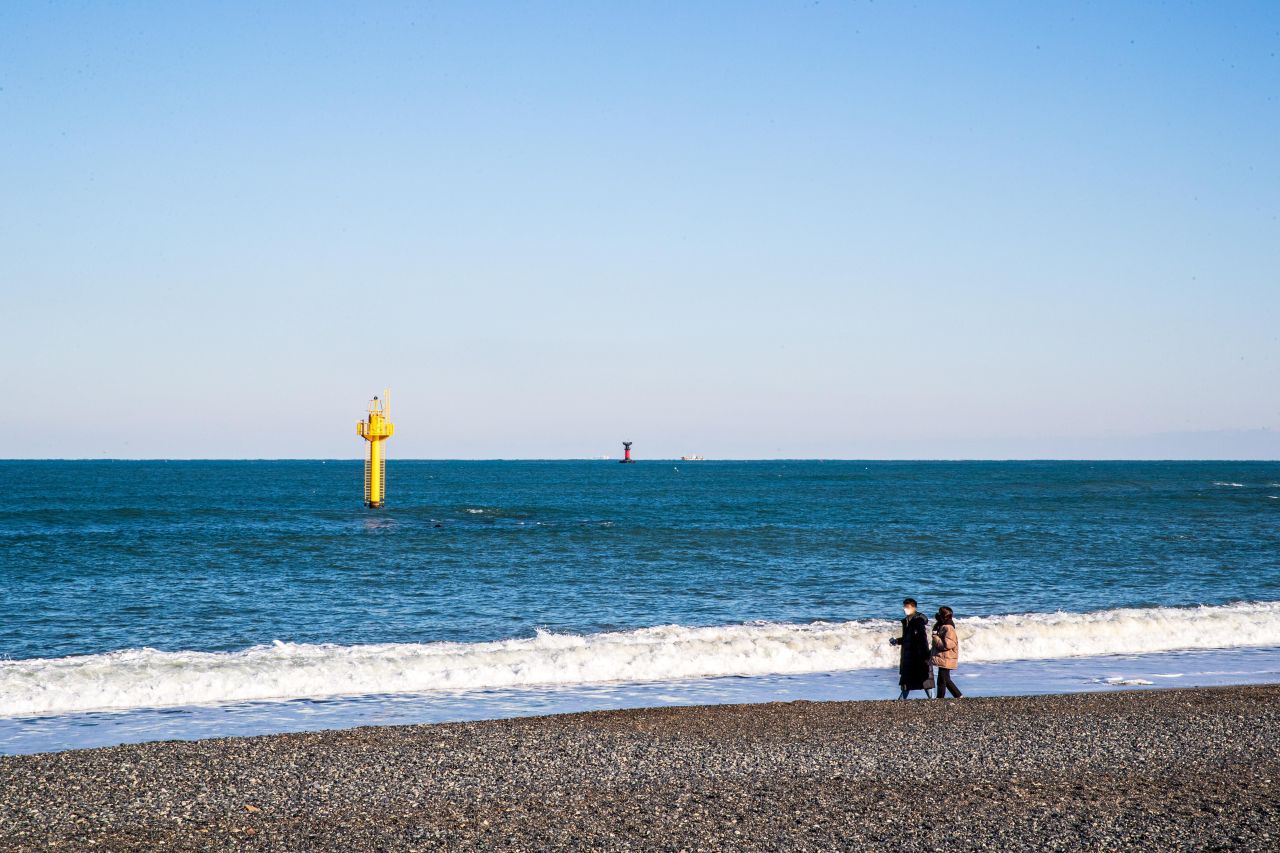
Jujeon Black Pebble Beach representative scenic panoramaZoom
+1More
1 / 6
Jujeon Black Pebble Beach representative scenic panorama
Curator's Guide & Overview
Comprehensive Guide1. Historical Origins & Cultural Background
Recorded in historical county annals since the Joseon period, Seuldo derives its poetic name from the Chinese character 'Seul' (瑟, a traditional Korean 6-string zither / Geomungo): as rolling ocean swells crash against millions of tiny porous holes eroded into the dark volcanic rocks, the echoing surf creates a resonant musical melody likened to a geomungo harp being plucked by the sea. Historically an isolated rocky reef, it was permanently connected to the mainland village of Seongkkeut by a 260-meter pedestrian seawall and breakwater in modern times.
2. Architectural Highlights & Key Structures
The centerpiece of the islet is the pristine white, automated Seuldo Lighthouse (established in 1958 and modernized in 2009), flanked by the monumental bronze sculpture of an 11-meter Whale leaping toward the heavens, dedicated to Ulsan's prehistoric maritime heritage. The seawall promenade is paved with ocean-themed mosaic tiles and equipped with panoramic wooden benches overlooking Bangeojin Harbor and the distant container ships on the horizon.
3. Four Seasons Landscape & Seasonal Visiting Charms
Spring brings sunny coastal strolls and yellow canola blossoms blooming along the adjacent Seongkkeut village hillside. Summer draws ocean breezes, amateur sea-anglers fishing from the seawall, and romantic twilight walking. Autumn provides clear cobalt-blue horizons and crisp wind songs resonating through the rock cavities, while winter provides majestic morning sunrises framing the white lighthouse against turbulent white ocean foam.
4. Operating Hours & Peak Viewing Times
The breakwater, seawall bridge, and island platform are open 24 hours daily with free access. The Sound Experience Museum (Soricheheomgwan) on the adjacent coastal bluff operates Tuesday through Sunday from 09:00 to 18:00 (closed Mondays). Visiting during late afternoon (17:00 to 19:30) allows travelers to witness the golden hour reflection across the reef and the romantic lighting of the white lighthouse.
5. Admission Fees & Concessions (Youth/Foreigner Discounts)
Admission to Seuldo Island, the breakwater footbridge, and the whale sculpture is completely free of charge. Free public parking is located at the Seongkkeut village entrance plaza.
6. Public Transit & Subway Exit Directions
From Taehwagang Station (Donghae Line and rail hub), board City Bus 101, 108, 126, or 133. Ride approximately 35 minutes to the 'Bangeojin' terminal stop, and take a flat 10-minute walk through the charming mural alleys of Seongkkeut village directly onto the Seuldo seawall bridge.
7. Barrier-Free Accessibility & Visitor Amenities
The 260-meter seawall walkway is completely flat, smoothly paved, and step-free, allowing effortless transit for wheelchairs and baby strollers all the way to the base of the white lighthouse. Accessible public restrooms are located at the entrance plaza in Seongkkeut village and beside the Sound Museum.
8. Recommended Walking Route & Highlights Tour
Arrive at Seongkkeut Village entrance → admire colorful seaside wall murals → walk across the 260m seawall bridge past the leaping Whale sculpture → circumnavigate the porous basalt reefs of Seuldo while listening to the echoing wave harp → ascend to the viewing deck of the white Seuldo Lighthouse → walk north along the coastal trail to Daewangam Park (approx. 90 minutes).
9. Local Food Specialties & Regional Flavors
Bangeojin Port adjacent to Seuldo is one of Ulsan’s busiest historic fishing wharves: fresh yellowtail (Bangeo) sashimi in winter, fresh sea squirt bibimbap (Meongge-bibimbap), cold raw fish soup (Mulhoe), and grilled seasonal mackerel at portside seafood stalls.
10. Dietary Options (Vegetarian, Halal & Allergen Guide)
Seongkkeut village features cozy clifftop bakery cafes (like Cafe Bom and Seuldo Coffee) serving vegan oat-milk lattes, lemon iced teas, and warm herbal infusions with sweeping harbor views. Local noodle houses serve warm kalguksu and vegetable pancakes.
11. Signature Photo Spots & Golden Hour Lighting
Signature photo spots: standing beside the gleaming 11-meter bronze Baby Whale sculpture leaping above the breakwater, the dramatic silhouette of the white Seuldo Lighthouse against orange sunrise skies, and the expansive field of yellow flowers overlooking the breakwater from Seongkkeut hill in spring.
12. Visitor Etiquette & Cultural Property Regulations
Stay behind safety railings on the breakwater. Do not venture out onto wet, algae-slicked porous rocks during high tide or rough seas. Fishing is permitted only in designated areas; anglers must clean all bait and packaging before departure.
13. Safety Precautions & 1330 Tourism Hotline Support
Emergency lifebuoys and safety poles are installed along the breakwater. Coast guard marine patrol vessels monitor Bangeojin Harbor constantly. For tourist interpretation and assistance, contact 1330.
14. Nearby Connected Attractions & Walking Links
The sweeping pine groves and 303-meter suspension bridge of Daewangam Park lie just 2.5 kilometers north along the coastal cliff trail, while Ilsan Beach sits 10 minutes away by bus.
15. Frequently Asked Questions (FAQ)
Q: How does the rock make a harp sound? A: Millions of tiny porous vesicles formed by prehistoric volcanic lava and sea mollusk burrows trap incoming ocean water and air; as swells crash and recede, air compresses and whistles through the holes, creating a melancholic musical melody.
16. Regional Extended Day Trip Itinerary
Afternoon stroll through Seongkkeut village and across the Seuldo breakwater → listen to wave melodies at Seuldo Lighthouse → sunset coffee at an ocean-view village cafe → fresh winter yellowtail (Bangeo) sashimi dinner at Bangeojin Port.
Essential Visitor Facts
Operating Hours
Open 24/7 (Seuldo Sound Walking Trail and Breakwater; Lighthouse illuminated at night)
Admission / Price
Free Island & Breakwater Access
Closed Days
Open 365 Days
Best Time to Visit
Morning (around 09:30-10:00)
Transit & Access Directions
Taehwagang Station -> City Bus 101, 108, 126, or 133 to Bangeojin terminus (35 min) -> walk 10 min to Seuldo entrance
Accessibility & Special Amenities
Wheelchair ramps, tactile paving, accessible restrooms
Location Coordinates
Latitude: 35.5684
Longitude: 129.4382
Discover Themes & Highlights
Key interest areas and cultural highlights:
#jujeon-black-pebble-beach#VisitUlsan#KoreaTravelAtlas
Community Traveler Reviews0 Reviews
Visitor tips, feedback, and questions submitted by real travelers.
No community reviews submitted yet. Be the first traveler to share your experience!
Connected Cultural Destinations
Handpicked nearby attractions and regional cultural highlights.
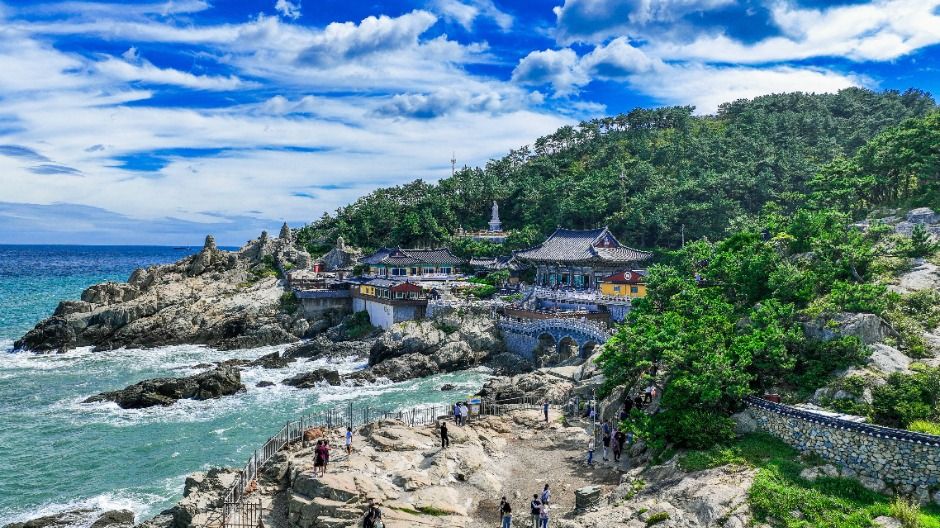
Haedong Yonggungsa Temple
해동용궁사86 Yonggung-gil, Gijang-eup, Gijang-gun, Busan
Haedong Yonggungsa Temple, perched dramatically on rugged oceanfront cliffs in Gijang, Busan, is one of South Korea's rare and magnificent seaside Buddhist sanctuaries. Founded in 1376 by Great Mas...
HalalMorning (around 09:30-10:00)
Details→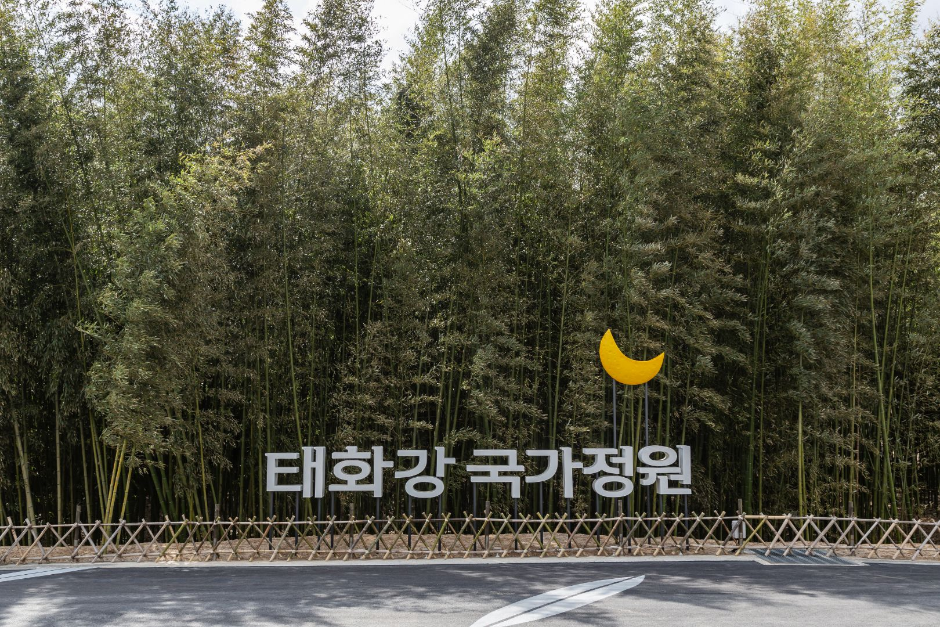
Taehwagang National Garden (Bamboo Grove)
태화강 국가정원 (십리대숲)Taehwagang National Garden (Bamboo Grove), Ulsan, South Korea
Taehwagang National Garden is South Korea’s 2nd National Garden, spanning 835,000 square meters centered upon the mystical 4-kilometer Simnidaesup Bamboo Grove and night Milky Way Trail.
Morning (around 09:30-10:00)
Details→
Daewangam Park & Suspension Bridge
대왕암공원 및 출렁다리Daewangam Park & Suspension Bridge, Ulsan, South Korea
Daewangam Park is an awe-inspiring coastal sanctuary of colossal rust-colored sea dragon rocks, 15,000 centenarian black pines, and Korea’s longest open-sea suspension bridge.
Morning (around 09:30-10:00)
Details→
Jangsaengpo Whale Culture Village
장생포 고래문화마을Jangsaengpo Whale Culture Village, Ulsan, South Korea
Jangsaengpo Whale Culture Village is a nostalgic 100,000-square-meter retro maritime sanctuary recreating a 1970s whaling port alongside monorails, an aquarium, and whale eco-cruises.
Morning (around 09:30-10:00)
Details→