Seoul•Cafe•Traditional Tea House
Ikseon-dong Hanok Alley
익선동 한옥마을
Powered by Korea Tourism OrganizationAddress: Ikseon-dong Hanok Alley, Seoul, South Korea (대한민국 Seoul 익선동 한옥마을)
Editorial review pending
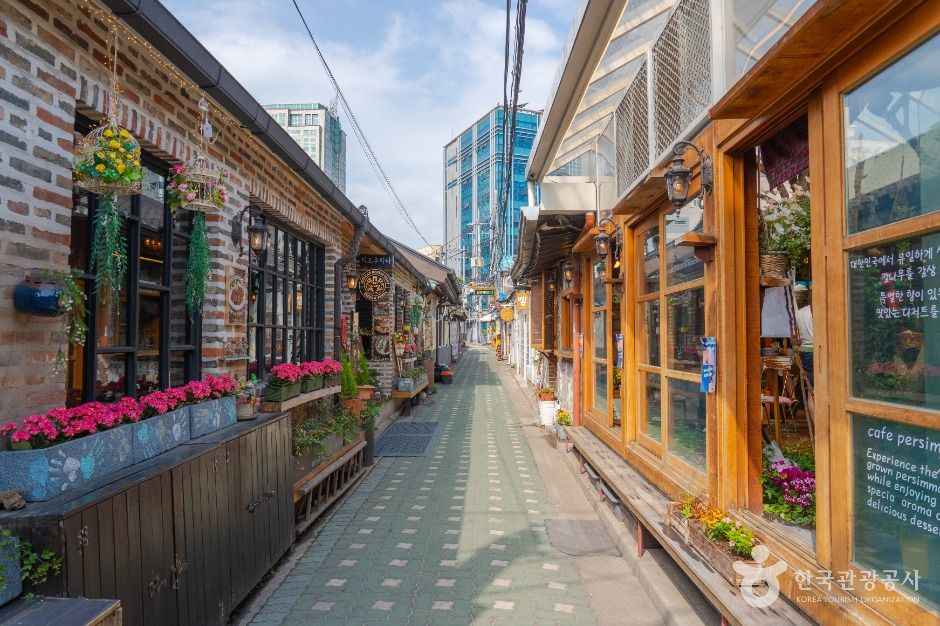
Ikseon-dong Hanok Alley representative scenic panoramaZoom
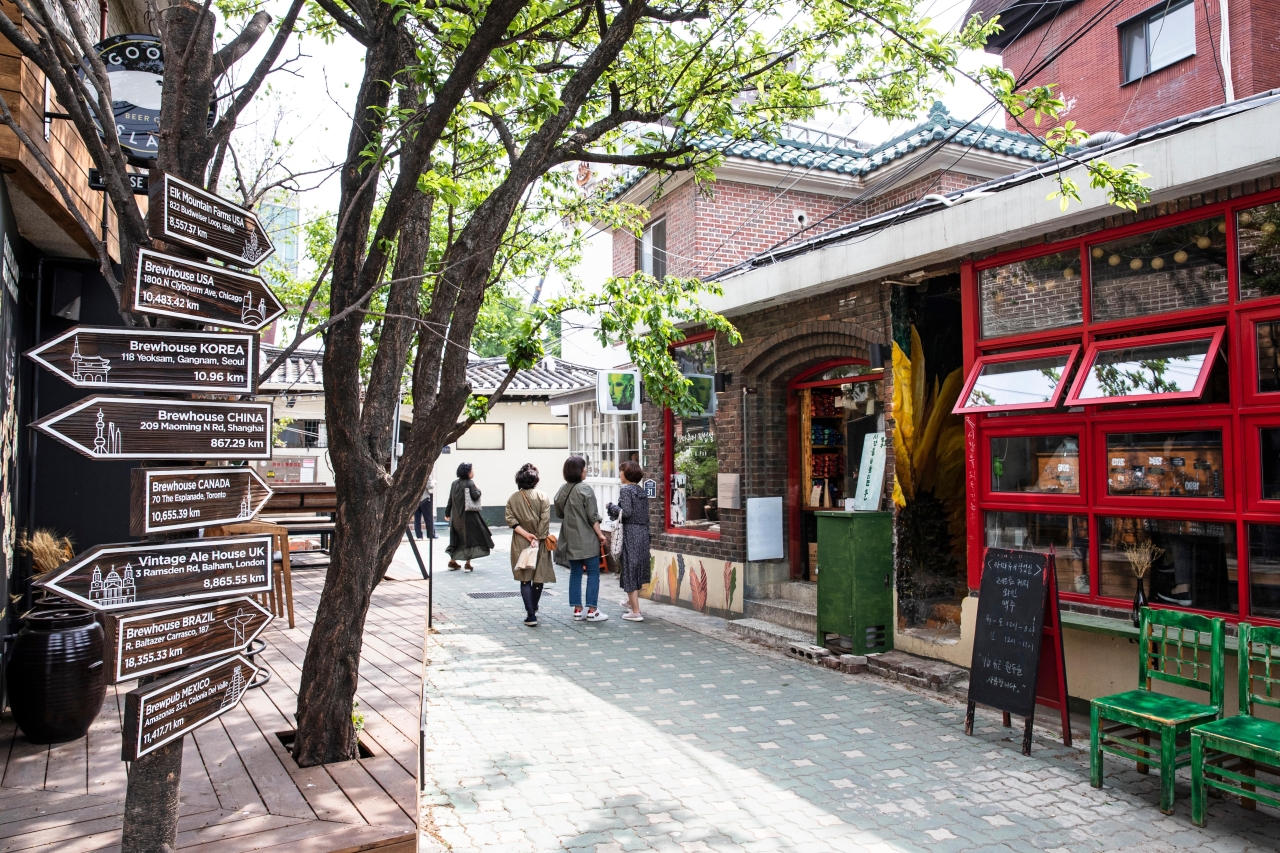


+1More
1 / 6
Ikseon-dong Hanok Alley representative scenic panorama
Curator's Guide & Overview
Comprehensive Guide1. 1920s Urban Hanok Origins & Modern Creative Renaissance
Ikseon-dong Hanok Alley traces its roots to the early 1920s when visionary Joseon developer Jeong Se-gwon designed Korea's first modern housing development, creating accessible, compact urban hanoks for common citizens. A century later, instead of demolition, these intimate tile-roofed residences underwent an architectural renaissance, morphing into a vibrant creative district celebrated worldwide.
2. Low Eaves, Narrow Alleys & Glass-Roofed Courtyards
The charm of Ikseon-dong lies in its human-scale narrow alleys, typically less than two meters wide. Historic timber pillars and curved tile roofs have been ingeniously retrofitted with transparent glass atrium roofs, allowing sunlight to illuminate inner courtyards where boutique fashion shops and fragrant bakeries operate.
3. Four Seasons Floral Displays & Warm Winter Lanterns
In spring and summer, miniature courtyard gardens bloom with hydrangeas and creeping ivies. During autumn and winter, soft amber hanging lanterns cast a warm glow across frosted dark grey roof tiles, creating an exceptionally romantic atmosphere during brisk evening walks.
4. Alley Hours & Peak Cafe Visiting Times
While the residential alleyways remain accessible 24 hours a day, boutique shops and dessert cafes typically operate from 11:00 to 22:00 daily. To avoid peak weekend crowds and long cafe queues, visit on weekday mornings between 11:00 and 13:00.
5. Free Alley Access & Boutique Dining Budgets
Exploring the winding alleyways is completely free of charge. Hand-drip specialty coffees and signature pastries average 6,000 to 9,000 KRW, while artisanal fusion lunch and dinner entrees typically range from 15,000 to 28,000 KRW per person.
6. Subway Lines 1, 3, 5 Jongno 3-ga Station Exits
Take Seoul Subway Line 1, 3, or 5 to Jongno 3(sam)-ga Station. Exit 4 provides the most direct access: simply cross the narrow pedestrian street directly ahead to enter the northern alleyways of Ikseon-dong within 60 seconds.
7. Pedestrian Walkways & Wheelchair Access Constraints
Main paved avenues are relatively level, but the interior alleys feature original uneven stone pavers and narrow thresholds that present obstacles for heavy wheelchairs and large baby strollers. Motorized vehicles and bicycles are strictly prohibited inside the pedestrian maze.
8. 2-Hour Recommended Creative Hanok Circuit
Arrive via Jongno 3-ga Exit 4 → stroll the Donhwamun-ro florist alleys → explore Madang Flower Cafe and glass-ceiling courtyard bakeries → browse independent fragrance and jewelry ateliers → enjoy artisan steam bread at Mil Toast House → finish with evening craft beer in an open-air timber courtyard.
9. Steamed Brioche, Salt Bread & Kal-guksu Alleys
Signature culinary treats include pillowy bamboo-steamer brioche at Mil Toast, crispy soufflé pancakes at Dongbaek Bakery, hot sea-salt rolls at Jayeon-do Sogeumppang, and 50-year-old Jongno 3-ga seafood noodle broth along the outer alley perimeter.
10. Vegetarian & Muslim-Friendly Dining Alternatives
Several fusion bistros offer plant-based pastas, seasonal mushroom risotto, and fresh fruit bowls. Halal-friendly travelers can enjoy wood-fired margherita pizzas, seafood noodle dishes, and traditional Korean herbal teas served with persimmon treats.
11. Signature Photo Spots & Nostalgic Alley Perspectives
The iconic umbrella-lined courtyard of Madang Flower Cafe, the railway track installation inside Nakwon Station Cafe, and low-angle shots looking down narrow brick alleys toward layered black eaves offer quintessential Seoul lifestyle imagery.
12. Residential Consideration & Courtyard Manners
Although primarily commercial, residents still live in adjacent quarters. Keep noise to a respectful volume, dispose of beverage cups in designated shop bins rather than doorsteps, and do not block narrow cafe entrances when taking photographs.
13. Safety Protocols & Emergency Support
The alleys are well-lit with CCTV coverage. In case of medical emergencies or lost belongings, the Jongno Police Box and Seoul Emergency Medical Information Center (1339) are within 5 minutes, and multilingual tourism assistance is available via the 1330 hotline.
14. Nearby Cultural Landmarks & Historic Linkages
Ikseon-dong borders Changdeokgung Palace to the north, Insa-dong antique boulevard to the west, and the historic jewelry district of Jongno to the south, making it the perfect pedestrian hub between imperial heritage and modern retail.
15. Frequently Asked Questions (FAQ)
Q: Are reservations required for popular cafes?
A: Most cafes operate on a first-come, first-served walk-in basis with digital tablet waitlists. Arriving before 12:00 or after 19:00 significantly cuts down waiting times.
16. Comprehensive Downtown Seoul Cultural Itinerary
Morning exploration of Changdeokgung Secret Garden → midday brunch and boutique shopping in Ikseon-dong → afternoon walk through Insa-dong galleries → sunset stroll along Cheonggyecheon Stream → evening street food banquet at Gwangjang Market.
Essential Visitor Facts
Operating Hours
Open 24/7 (Shops and cafes typically 11:00 - 22:00)
Admission / Price
Free public alley walking
Closed Days
Open 365 Days
Best Time to Visit
Morning (around 09:30-10:00)
Transit & Access Directions
Subway Lines 1, 3, 5 Jongno 3(sam)-ga Station Exit 4 or 6 (1 min walk)
Accessibility & Special Amenities
Wheelchair ramps, tactile paving, accessible restrooms
✓ Halal Options Nearby
Location Coordinates
Latitude: 37.5743
Longitude: 126.9897
Discover Themes & Highlights
Key interest areas and cultural highlights:
#ikseon-dong-hanok-alley#VisitSeoul#KoreaTravelAtlas
Community Traveler Reviews0 Reviews
Visitor tips, feedback, and questions submitted by real travelers.
No community reviews submitted yet. Be the first traveler to share your experience!
Practical Guides: Seoul
Seoul
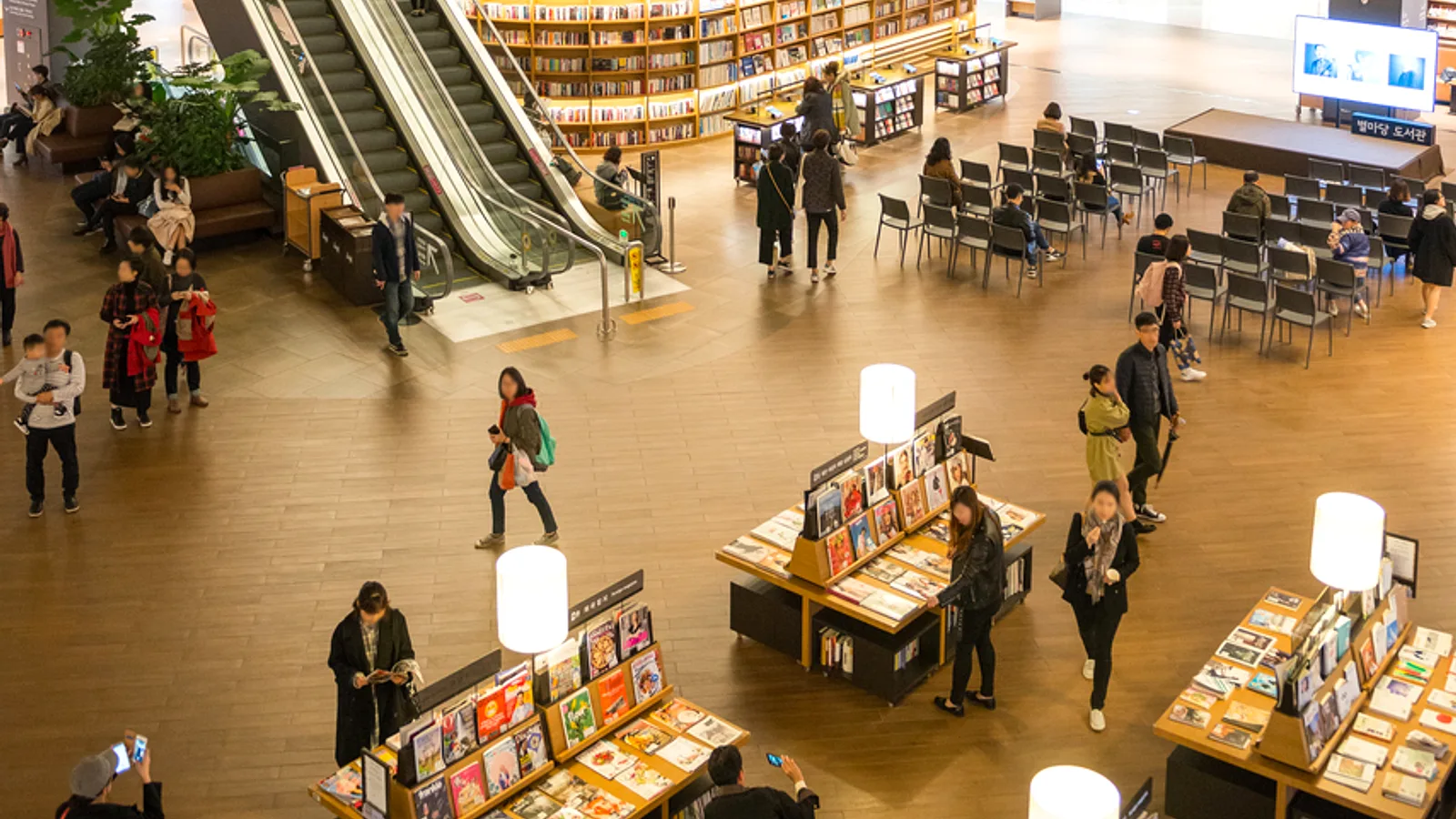
Starfield Library and COEX Mall: A Practical Guide to Seoul's Gangnam Landmark
How to visit Starfield Library inside COEX Mall in Samseong-dong, plus the aquarium, shops and nearby Bongeunsa Temple, with planning advice for first-time visitors.
Seoul
Seoul to Busan and Gyeongju by KTX: Booking, Stations and Luggage Tips
How to take the KTX from Seoul to Busan and to Gyeongju via Singyeongju, with advice on Korail reservations, SRT from Suseo, and storing luggage.
Seoul
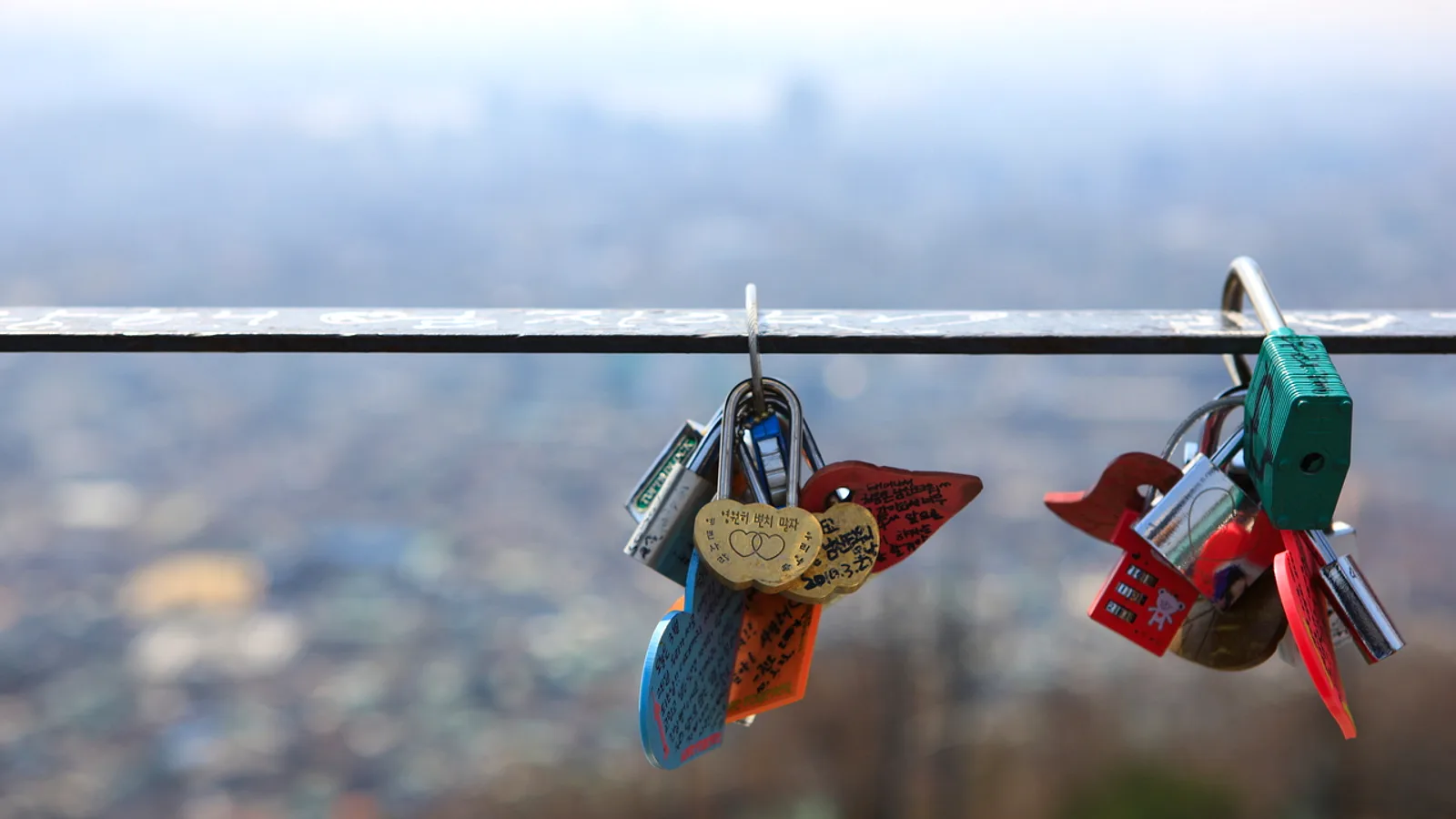
N Seoul Tower and Namsan: Walking Routes, Cable Car and Sunset Views
How to reach N Seoul Tower on foot from Myeongdong or Chungmuro, when the cable car makes sense, and how to plan a sunset visit to Namsan.
Connected Cultural Destinations
Handpicked nearby attractions and regional cultural highlights.
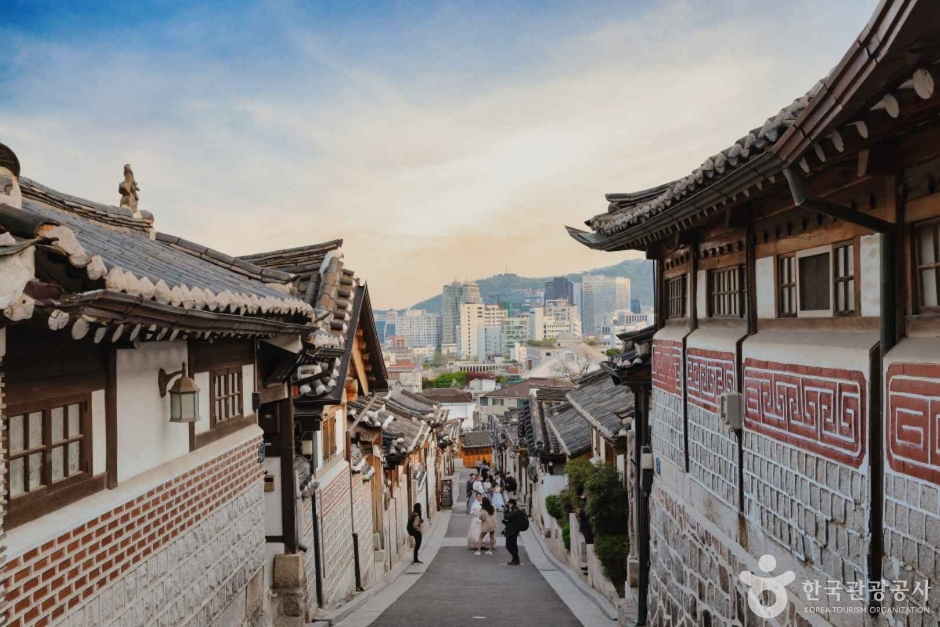
Bukchon Hanok Village
북촌한옥마을Bukchon Hanok Village, Seoul, South Korea
Bukchon Hanok Village is a preserved historic residential neighborhood nestled between Gyeongbokgung and Changdeokgung palaces. Preserving over 600 years of Seoul urban history, Bukchon features hu...
HalalMorning (around 09:30-10:00)
Details→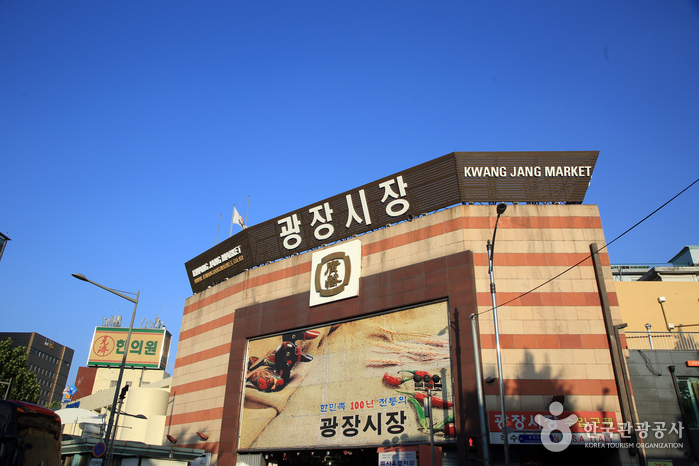
Gwangjang Market
광장시장Gwangjang Market, Seoul, South Korea
Gwangjang Market is South Korea’s oldest continuously operating permanent traditional market, founded in 1905 in the heart of Jongno. Renowned worldwide for its bustling food alleys, the market ser...
HalalMorning (around 09:30-10:00)
Details→
Changdeokgung Palace & Secret Garden
창덕궁 및 후원99 Yulgok-ro, Jongno-gu, Seoul
Changdeokgung Palace, founded in 1405 during the reign of King Taejong, is a UNESCO World Heritage royal palace celebrated for its organic integration into the surrounding natural topography. Servi...
HalalMorning (around 09:30-10:00)
Details→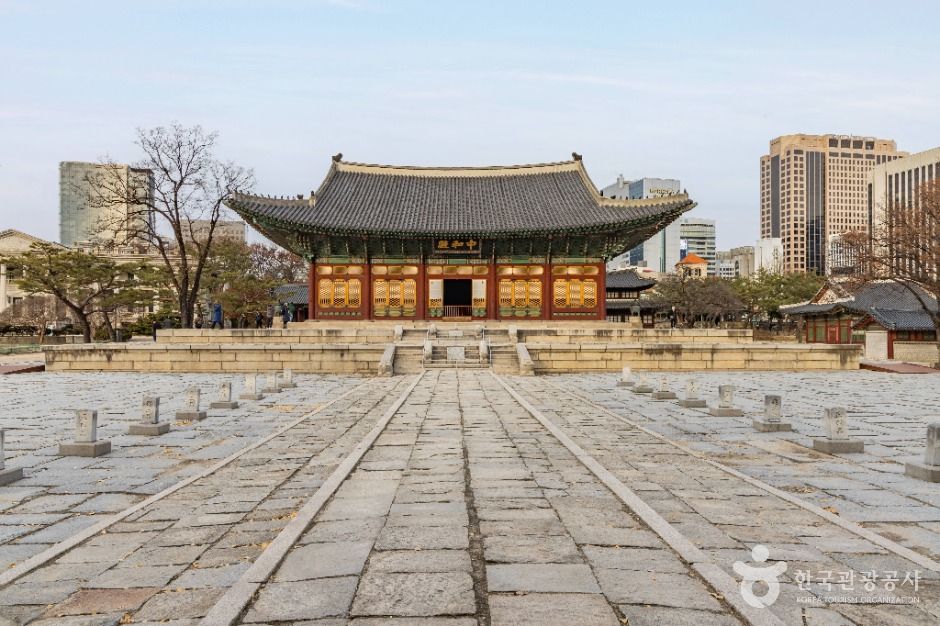
Deoksugung Palace
덕수궁99 Sejong-daero, Jung-gu, Seoul
Deoksugung Palace, located opposite Seoul City Hall, is a historically pivotal royal palace where traditional Joseon wooden halls stand shoulder-to-shoulder with neoclassical Western stone architec...
HalalMorning (around 09:30-10:00)
Details→