Jeonbuk•Sunchang•Market•Specialty Local Market
Sunchang Traditional Gochujang Village
순창 전통고추장마을
Powered by Korea Tourism OrganizationAddress: Sunchang Traditional Gochujang Village, Sunchang, Jeonbuk, South Korea (전북특별자치도 순창군 순창읍 민속마을길 55 (백산리))
Editorial review pending

Sunchang Traditional Gochujang Village representative scenic panoramaZoom


+1More
1 / 6
Sunchang Traditional Gochujang Village representative scenic panorama
Curator's Guide & Overview
Comprehensive Guide1. Historical Origins & Cultural Background
Nestled at the gentle southern foot of Mount Amisan in Sunchang, the Sunchang Traditional Gochujang Village is South Korea’s premier culinary sanctuary dedicated to the thousand-year-old heritage of fermented food culture (Jang). Historically celebrated since the Goryeo Dynasty, Sunchang's red pepper paste was officially designated as an exclusive royal tribute (Jin-sangpum) reserved for the Joseon royal palace tables. In 1997, to prevent ancient family recipes from vanishing under modern industrial mass-production, the local government brought together certified master artisans, designated Food Grand Masters, and traditional sauce-makers into a cohesive, planned village of traditional Hanok courtyard estates.
2. Architectural Highlights & Key Structures
What makes Sunchang the unrivaled mecca of Korean fermented sauces is its blessed natural terroir. The county sits in an inland basin blessed by pristine groundwater filtered through subterranean volcanic bedrock rich in minerals, accompanied by mild autumn humidity and persistent morning river mists that cultivate unique micro-fungal flora (Aspergillus oryzae) vital for deep, complex microbial fermentation. Inside the village, over 40 traditional artisan households operate open courtyards where thousands of breathing Korean earthenware onggo pots bask under the sun. Alongside family workshops, the village features the Sunchang Jangryu Museum, the Sunchang Fermentation Sauce Cave (a 134-meter underground cavern aging world sauces), and interactive academies where visitors learn to ferment their own bespoke gochujang.
3. Four Seasons Landscape & Seasonal Visiting Charms
Spring brings refreshing mild breezes as villagers wash and prepare seasonal wild herbs to pickle in deep gochujang barrels, alongside blooming azaleas framing the earthen jar courtyards. Summer brings the intense, sweet-pungent fragrance of naturally fermenting red peppers and soybeans basking under the hot sun, while the cool underground Fermentation Sauce Cave offers a crisp 15°C escape. Autumn is the crowning season, host to the annual Sunchang Fermented Sauce Festival (October), when village courtyards buzz with boiling glutinous rice cauldrons and red chili drying mats. Winter offers a cozy rural charm, as white snow caps thousands of rounded clay onggo lids while smoke curls from traditional wood-fired soybean fermentation rooms (Mejubang).
4. Operating Hours & Peak Viewing Times
The village streets and Hanok courtyards are open daily 24 hours a day. Artisan shops, tasting counters, and the Sunchang Jangryu Museum generally welcome guests daily from 09:00 to 18:00 throughout the year. The best time to visit is mid-morning between 10:00 and 12:30 or late afternoon from 14:00 to 16:30, when master artisans are actively working their courtyards, generously offering complimentary samples of aged pastes and picklings.
5. Admission Fees & Concessions (Youth/Foreigner Discounts)
Entering the village streets and exploring the museum is completely free of charge. Admission to the nearby Sunchang Fermentation Sauce Cave is 3,000 KRW for adults and 2,000 KRW for youth. Hands-on Gochujang making workshops (which let participants bottle and take home their own 500g jar of handmade artisan paste) range from 10,000 to 15,000 KRW. Spacious on-site parking lots are free.
6. Public Transit & Subway Exit Directions
From Seoul, take the KTX to KTX Jeongeup Station or KTX Gwangju Songjeong Station (approx. 1 hour 30 minutes). Transfer to an intercity bus bound for Sunchang at the nearby bus terminals (approx. 40-50 minutes). From Sunchang Public Bus Terminal, the Gochujang Village is a quick 5-minute taxi ride costing approximately 4,000 to 5,000 KRW, or a pleasant 20-minute walk through rural outskirts.
7. Barrier-Free Accessibility & Visitor Amenities
The village is exceptionally well-planned with flat, wide paved pedestrian alleys, shallow stone curbs, and broad entrance gates. It is fully accessible for baby strollers, wheelchairs, and senior travelers. Most master artisan Hanok courtyards have level thresholds permitting visitors to roll right up to the earthenware onggo arrays. Accessible restrooms and free loaner wheelchairs are provided at the Sunchang Jangryu Museum and the Village Welcome Center.
8. Recommended Walking Route & Highlights Tour
Recommended 2.5-Hour Fermentation Culture Circuit: Arrive at the village entrance gate → Tour the Sunchang Jangryu Museum to learn the ancient royal origins of gochujang and fermentation biology → Stroll down the peaceful Hanok alleys admiring the vast seas of gleaming onggo clay pots → Enter a master artisan's courtyard (such as Grand Master Kang Sun-ok) for complimentary tastings of aged gochujang, deodeok jangajji, and pickled persimmons → Participate in a hands-on Gochujang Crafting Workshop → Walk through the Sunchang Fermentation Sauce Cave → Savor a grand Sunchang Gochujang Bulgogi Hanjeongsik lunch.
9. Local Food Specialties & Regional Flavors
Sunchang is a food lover's dream, famed for the legendary Sunchang Hanjeongsik: a royal feast featuring over 25 dishes centered on aged fermented sauces. Indulge in Gochujang Bulgogi (thinly sliced pork marinated in rich 3-year-aged artisan chili paste and charcoal-grilled to smoky perfection), spicy Deodeok-gui, Doenjang Jjigae brewed with aged sovereign soybean paste, and an endless array of Jangajji (savory-sweet pickles made of wild garlic, perilla leaf, plum, and melon steeped in soy and chili paste).
10. Dietary Options (Vegetarian, Halal & Allergen Guide)
Sunchang is a world capital of plant-based culinary art. Nearly every traditional banchan side dish and fermented specialty in the village is 100% vegetarian: aged soy sauces, rich chili pastes, pickled mountain codonopsis, seasoned wild bracken, and hand-pressed tofu. Local artisans sell fermented plum extracts, sweet pumpkin fermented grain drinks (Sikhye), and crispy puffed-rice grain snacks (Yugwa). Halal travelers will find pure vegetarian Gochujang stews, tofu banquets, and fruit pickles completely compliant and delicious.
11. Signature Photo Spots & Golden Hour Lighting
Top photo spots: high-angle perspective looking across hundreds of dark brown earthenware onggo pots neatly aligned in geometric rows inside a traditional Hanok courtyard with Mount Amisan behind, close-ups of a wooden ladle scooping thick, glossy crimson gochujang into a porcelain dish, standing between the rustic stone-and-thatch gates of an artisan estate, and the colorful illuminated media art tunnel inside the Fermentation Sauce Cave.
12. Visitor Etiquette & Cultural Property Regulations
Every artisan home is an active living workshop producing commercial food products. Do not open, lean on, or tamper with the earthenware onggo pots; unsealing a jar can spoil months of delicate active microbial fermentation. Ask permission before photographing artisans at work. Smoking is strictly prohibited throughout the Hanok village.
13. Safety Precautions & 1330 Tourism Hotline Support
Wear comfortable walking shoes suitable for flat paved lanes. Artisans readily accept domestic and international credit cards for vacuum-packed fermented pastes, which make exceptional travel gifts. For workshop reservations and festival dates, contact the Sunchang Village Information Center at 063-650-5473 or call 1330.
14. Nearby Connected Attractions & Walking Links
Combine your visit with nearby scenic wonders: majestic Mount Gangcheonsan County Park (famous for its red-clay barefoot walking trails, suspension bridge, and cascading waterfalls) is just a 10-minute drive to the north.
15. Frequently Asked Questions (FAQ)
Q: What makes Sunchang Gochujang superior to factory-made paste? A: Industrial paste is speed-fermented using wheat flour and commercial enzymes in weeks; authentic Sunchang Gochujang uses 100% local Korean red peppers, glutinous rice, and traditional soybean starter blocks (Meju) naturally aged outdoors in breathing clay onggo pots for at least six months to three years, yielding deep umami, natural sweetness, and vibrant health-giving probiotic cultures. Q: Can tourists take gochujang on airplanes? A: Yes, artisan shops sell professionally double-vacuum-sealed, travel-ready jars (500g to 1kg) that can be safely checked in flight luggage.
16. Regional Extended Day Trip Itinerary
Sunchang Royal Fermentation & Gastronomy Day Tour: Morning KTX to Jeongeup Station → Short bus or taxi to Sunchang Traditional Gochujang Village → Explore the Sunchang Jangryu Museum → Stroll the Hanok courtyards with 10,000 onggo pots → Taste aged gochujang and artisan pickles with a Food Grand Master → Hands-on Gochujang crafting class → Feast on legendary Sunchang Gochujang Bulgogi Hanjeongsik → Afternoon stroll along the barefoot walking trails of Gangcheonsan Park → Return to Seoul via KTX.
Essential Visitor Facts
Operating Hours
Village streets open daily 24/7; Artisan Hanok shops and Museum: Daily 09:00 - 18:00 (Open year-round; Fermentation Cave 09:00 - 18:00)
Admission / Price
Free admission to Gochujang Village & Museum; Fermentation Cave: Adults 3,000 KRW; Hands-on Gochujang crafting approx. 10,000 - 15,000 KRW; Parking Free
Closed Days
Open 365 Days
Best Time to Visit
Morning (around 09:30-10:00)
Transit & Access Directions
From Gwangju U-Square Bus Terminal or Jeonju Terminal, take an intercity bus to Sunchang Bus Terminal (approx. 40-50 mins), then take a local town bus or short taxi to Gochujang Village (approx. 5 mins / 4,500 KRW)
Accessibility & Special Amenities
Wheelchair ramps, tactile paving, accessible restrooms
✓ Halal Options Nearby
Location Coordinates
Latitude: 35.3785
Longitude: 127.1345
Discover Themes & Highlights
Key interest areas and cultural highlights:
#sunchang-traditional-paste-village#VisitJeonbuk#KoreaTravelAtlas
Community Traveler Reviews0 Reviews
Visitor tips, feedback, and questions submitted by real travelers.
No community reviews submitted yet. Be the first traveler to share your experience!
Connected Cultural Destinations
Handpicked nearby attractions and regional cultural highlights.

Jeonju Hanok Village
전주한옥마을Jeonju Hanok Village, Jeonju, Jeonbuk, South Korea
Jeonju Hanok Village encompasses over 700 traditional Korean tiled homes nestled within the historic downtown core of Jeonju. Designated as an International Slow City, the village preserves authent...
Morning (around 09:30-10:00)
Details→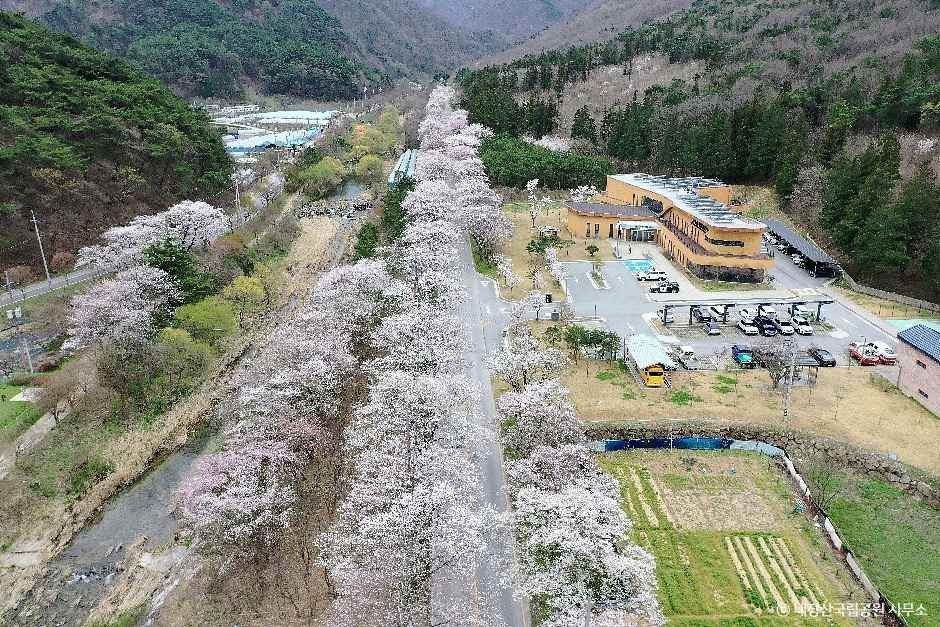
Naejangsan National Park (Autumn Foliage)
내장산국립공원Naejangsan National Park (Autumn Foliage), Jeongeup, Jeonbuk, South Korea
Naejangsan National Park is South Korea’s undisputed autumn foliage wonderland, renowned for its vivid crimson baby-leaf maples, the fairy-tale Uhwajeong water pavilion, soaring ridge cable car, an...
Morning (around 09:30-10:00)
Details→
Namwon Gwanghalluwon Chunhyang Garden
남원 광한루원Namwon Gwanghalluwon Chunhyang Garden, Namwon, Jeonbuk, South Korea
Namwon Gwanghalluwon is South Korea’s premier classical Joseon garden and the legendary birthplace of Chunhyangga, celebrated for the monumental Gwanghallu Pavilion (Treasure No. 281), the romantic...
Morning (around 09:30-10:00)
Details→
Damyang Juknokwon Bamboo Forest
담양 죽녹원Damyang Juknokwon Bamboo Forest, Damyang, Jeonnam, South Korea
Damyang Juknokwon is South Korea’s premier 31-hectare bamboo sanctuary, featuring eight meditative forest trails beneath towering green bamboo canopies, rich phytoncide breezes, traditional scholar...
Morning (around 09:30-10:00)
Details→