Gyeonggi•Gwangju-Gyeonggi•Heritage•Historic Fortress
Namhansanseong Provincial Fortress (UNESCO)
남한산성
Powered by Korea Tourism OrganizationAddress: Namhansanseong Provincial Fortress (UNESCO), Gwangju-Gyeonggi, Gyeonggi, South Korea (경기도 광주시 남한산성면 남한산성로 731 (산성리))
Editorial review pending
Namhansanseong Provincial Fortress (UNESCO) representative scenic panoramaZoom


+1More
1 / 6
Namhansanseong Provincial Fortress (UNESCO) representative scenic panorama
Curator's Guide & Overview
Comprehensive Guide1. Historical Origins & Cultural Background
Inscribed as a UNESCO World Heritage site in 2014, Namhansanseong Provincial Fortress is a grand mountain citadel defending the southern approaches of the Korean capital. Although early earthwork ramparts date back over two millennia to King Onjo of Baekje, the grand stone fortification was constructed in 1626 during King Injo's reign. Engineered along the rugged ridges of Mount Cheongnyang (497m), it was purpose-built as an emergency mountain capital complete with administrative palaces, food granaries, and warrior Buddhist monk temples.
2. Architectural Highlights & Key Structures
The fortress walls span 12.4 kilometers (including inner and outer bastions), encompassing four monumental directional gates (Jhwamun, Woosmun, Sanseongmun, and Bukmun), 16 secret postern gates (Ammun), and five commanding military observation towers. Among them, Sueojangdae stands proudly as a two-story wooden pavilion commanding breathtaking views across the entire Seoul metropolitan basin, Lotte World Tower, and the winding Hangang River.
3. Four Seasons Landscape & Seasonal Visiting Charms
Spring brings delicate pastel wild cherry blossoms and royal azalea carpets framing ancient stone embrasures. Summer covers the deep forested mountain ravines in cool verdant shade with babbling stone brooks. Autumn paints the fortress in dramatic golden oak and scarlet maple foliage, turning the stone ridge walk into one of Korea's premier hiking spectacles. Winter drapes the snow-laden pine groves in solemn monastic tranquility.
4. Operating Hours & Peak Viewing Times
The outer mountain ridge circuits and fortress gates remain open 24 hours a day year-round. The restored Namhansanseong Haenggung (Temporary Royal Palace) welcomes visitors Tuesday through Sunday from 09:00 to 18:00 (November to March closing at 17:00). Visiting in mid-afternoon (14:00-18:00) allows you to tour the royal palace before ascending to Sueojangdae and the West Gate (Seomun) for sunset over Seoul's skyscrapers.
5. Admission Fees & Concessions (Youth/Foreigner Discounts)
Hiking along the 12.4-kilometer fortress trails is completely free of charge. Admission to the historic Namhansanseong Temporary Palace is 2,000 KRW for adults and 1,000 KRW for teenagers (free for children under 6 and seniors over 65). Parking is available at the central Sanseong Rotary lots for 3,000 to 5,000 KRW per day.
7. Barrier-Free Accessibility & Visitor Amenities
The central town village and the immediate Haenggung palace courtyards feature paved, barrier-free access. The most popular walking loop (Course 1: 3.8 km from North Gate to West Gate and Sueojangdae) is paved with smooth flat stones and compacted earth, manageable for assisted wheelchairs and strollers. Steep stone staircases exist on the southern and eastern outer ridge circuits. Accessible restrooms are located at the Rotary bus terminal and Haenggung entrance.
8. Recommended Walking Route & Highlights Tour
Recommended 2.5-Hour Scenic Ridge Walk (Course 1): Start at Sanseong Rotary → ascend the pine path to the North Gate (Jeonseongmun) → follow the undulating masonry ridge to the West Gate (Wooyikmun) → take in the jaw-dropping panoramic view of Seoul's skyline and Lotte World Tower → climb to Sueojangdae command pavilion → stroll through the pine grove to the South Gate (Jhwamun) → return to the village for lunch.
9. Local Food Specialties & Regional Flavors
Namhansanseong Village inside the fortress basin is legendary for celebratory mountain dining: feast on nourishing Herbal Chicken Baeksuk (whole young chicken slow-simmered with ginseng, jujubes, and milk vetch roots), tender Duck Clay Pot Stew, savory potato pancakes, and chilled mountain acorn jelly seasoned with wild sesame oil.
10. Dietary Options (Vegetarian, Halal & Allergen Guide)
Vegetarian options are abundant in the village restaurants: hearty mountain herb bibimbap served with fresh deodeok (mountain bellflower root), sizzling crispy potato pancakes (gamjajeon), pan-fried tofu patties, and buckwheat noodles. Several traditional teahouses along the rotary serve ginger tea, jujube tea, and sweet dried persimmons.
11. Signature Photo Spots & Golden Hour Lighting
Premier photo spots: standing at the West Gate (Seomun) observation deck at sunset as golden light bathes the winding fortress wall with the futuristic silhouette of Seoul and Lotte World Tower in the distance, framing Sueojangdae pavilion beneath gnarled centuries-old Korean red pines, and looking through the stone arrow slits (chong-an) along the battlements.
12. Visitor Etiquette & Cultural Property Regulations
As a precious UNESCO World Heritage monument, walking or climbing directly on top of the outer battlements (yeojang) is strictly forbidden for visitor safety and structural preservation. Open flames, smoking, and camping are outlawed across all mountain ridge forests. Drones require military authorization due to regional capital flight corridors. Dogs on leashes are permitted on outer trails.
13. Safety Precautions & 1330 Tourism Hotline Support
The Namhansanseong World Heritage Center near the rotary houses cultural exhibits, an emergency first-aid station, and multilingual guided tour services. Park rangers patrol the ramparts continuously. For assistance, contact the Namhansanseong Heritage Center at 031-743-6610 or the 1330 Korea Travel Hotline.
14. Nearby Connected Attractions & Walking Links
Namhansanseong borders Seoul's Songpa district and Seongnam city, located just 25 minutes north of Bundang and 30 minutes south of Olympic Park and Lotte World.
15. Frequently Asked Questions (FAQ)
Q: Is Course 1 difficult for beginner hikers? A: No, Course 1 (3.8 km, approx. 80-90 minutes) is very gentle and well-paved, winding through shaded pine forests with mild elevation changes, making it ideal for families, casual walkers, and tourists wearing comfortable sneakers.
16. Regional Extended Day Trip Itinerary
UNESCO Mountain Fortress & Sunset Itinerary: Morning bus from Sanseong Station to Namhansanseong → tour the Royal Haenggung Palace → lunch of herbal chicken baeksuk in Sanseong Village → afternoon hike along Course 1 to Sueojangdae → sunset panoramic viewing from the West Gate over Seoul → descend for evening tea.
Essential Visitor Facts
Operating Hours
Fortress trails open 24/7; Namhansanseong Temporary Palace: Tue - Sun 09:00 - 18:00 (Nov - Mar 09:00 - 17:00, Closed Mondays)
Admission / Price
Fortress Trail Free; Haenggung Palace: Adults 2,000 KRW, Youth 1,000 KRW, Children Free under 6 / over 65
Closed Days
Closed on Mondays/Tuesdays
Best Time to Visit
Morning (around 09:30-10:00)
Transit & Access Directions
From Sanseong Station (Seoul Subway Line 8) Exit 2, take City Bus 9 or 9-1 (weekend express) up to Namhansanseong Sanseong Rotary Bus Terminal (approx. 20 mins)
Accessibility & Special Amenities
Wheelchair ramps, tactile paving, accessible restrooms
Location Coordinates
Latitude: 37.4785
Longitude: 127.1845
Discover Themes & Highlights
Key interest areas and cultural highlights:
#namhansanseong-fortress#VisitGyeonggi#KoreaTravelAtlas
Community Traveler Reviews0 Reviews
Visitor tips, feedback, and questions submitted by real travelers.
No community reviews submitted yet. Be the first traveler to share your experience!
Connected Cultural Destinations
Handpicked nearby attractions and regional cultural highlights.

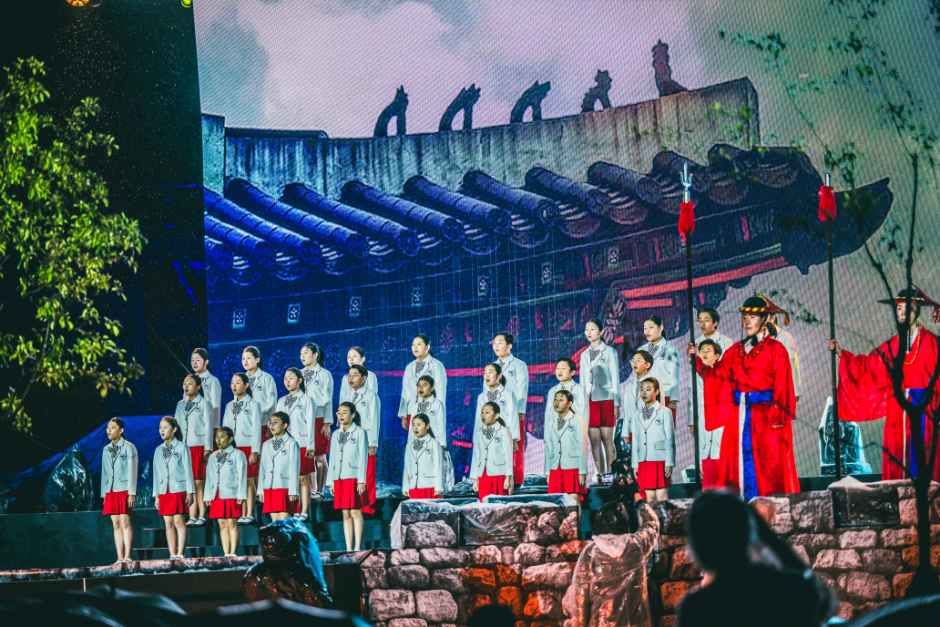
Gyeongbokgung Palace
경복궁Gyeongbokgung Palace, Seoul, South Korea
Gyeongbokgung Palace is the grandest royal palace of the Joseon Dynasty, established in 1395 in northern Seoul. Framed by Mount Baegaksan, its majestic grounds encompass Geunjeongjeon Throne Hall, ...
HalalMorning (around 09:30-10:00)
Details→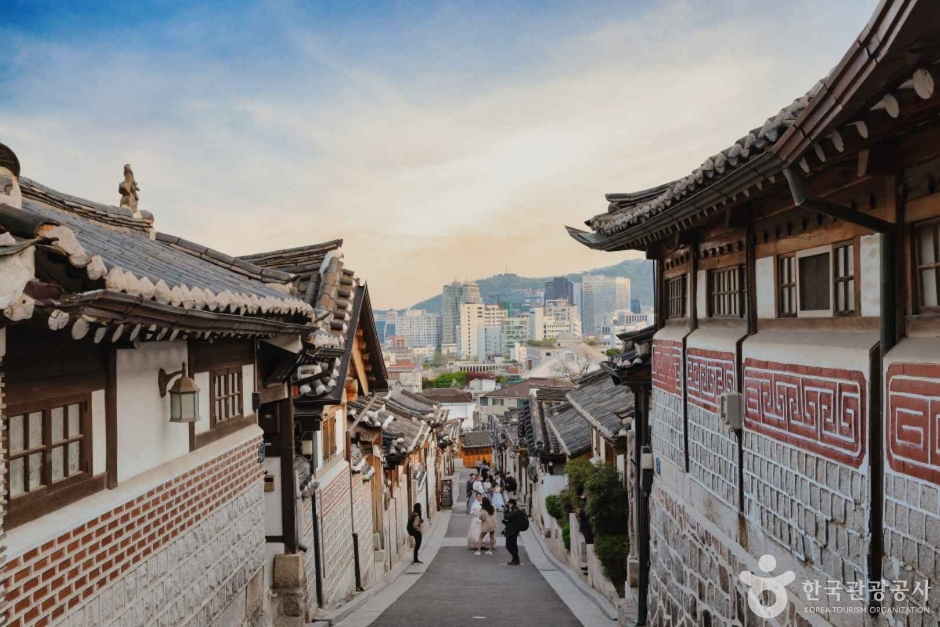
Bukchon Hanok Village
북촌한옥마을Bukchon Hanok Village, Seoul, South Korea
Bukchon Hanok Village is a preserved historic residential neighborhood nestled between Gyeongbokgung and Changdeokgung palaces. Preserving over 600 years of Seoul urban history, Bukchon features hu...
HalalMorning (around 09:30-10:00)
Details→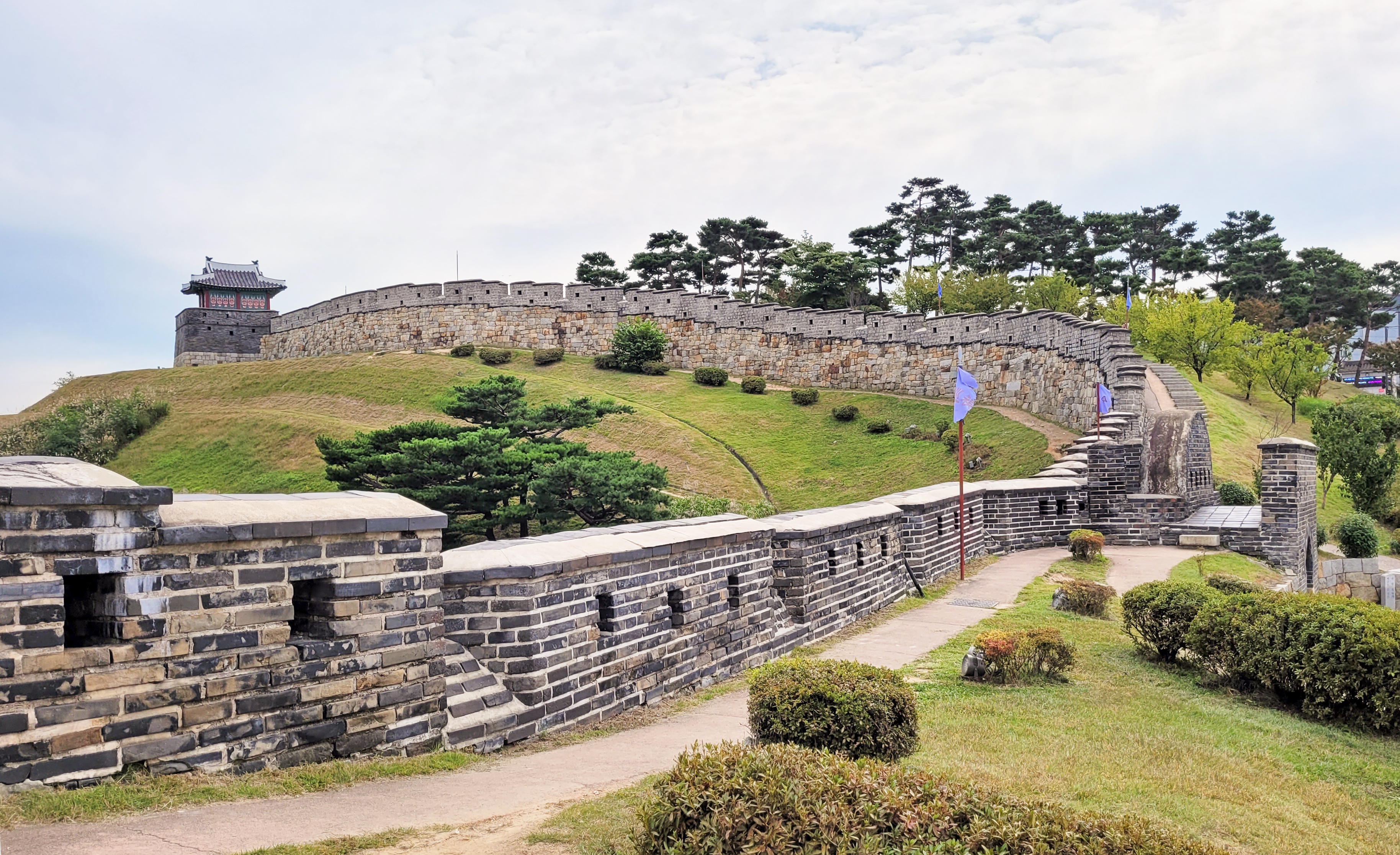
Suwon Hwaseong Fortress (UNESCO)
수원화성Suwon Hwaseong Fortress (UNESCO), Suwon, Gyeonggi, South Korea
Suwon Hwaseong Fortress is a UNESCO World Heritage site constructed between 1794 and 1796 by King Jeongjo, combining visionary Joseon royal filial piety with Eastern and Western scientific fortific...
Morning (around 09:30-10:00)
Details→
Korean Folk Village (Yongin)
한국민속촌Korean Folk Village (Yongin), Yongin, Gyeonggi, South Korea
Korean Folk Village is South Korea’s premier living heritage open-air museum, spanning 243 acres in Yongin with over 270 authentic Joseon Dynasty houses relocated from across the peninsula, vibrant...
Morning (around 09:30-10:00)
Details→