Gyeonggi•Paju•Heritage•Historic Site
DMZ & Imjingak Peace Nuri Park
임진각 평화누리공원
Powered by Korea Tourism OrganizationAddress: DMZ & Imjingak Peace Nuri Park, Paju, Gyeonggi, South Korea (경기도 파주시 문산읍 임진각로 148-40 (마정리))
Editorial review pending
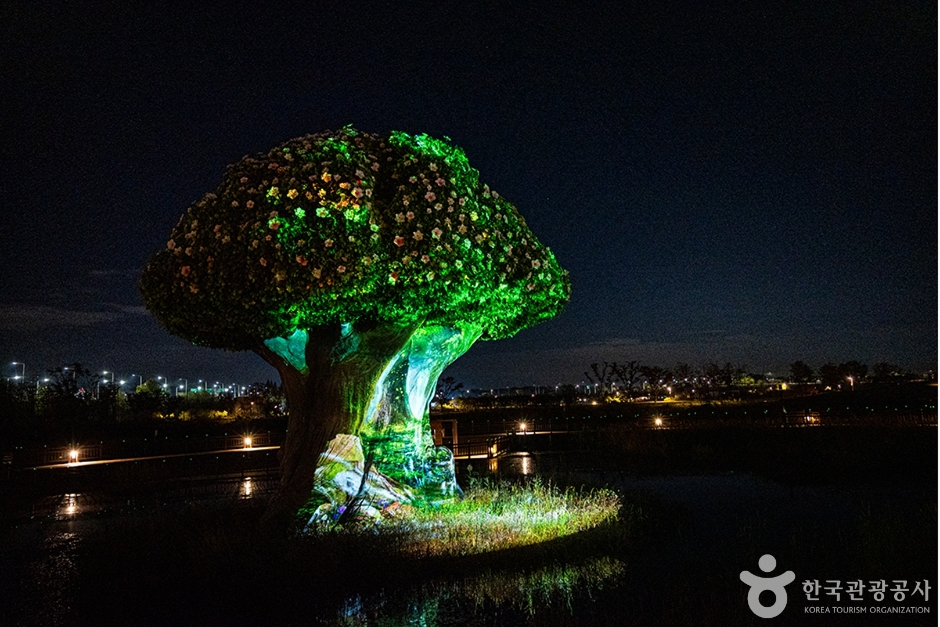
DMZ & Imjingak Peace Nuri Park representative scenic panoramaZoom
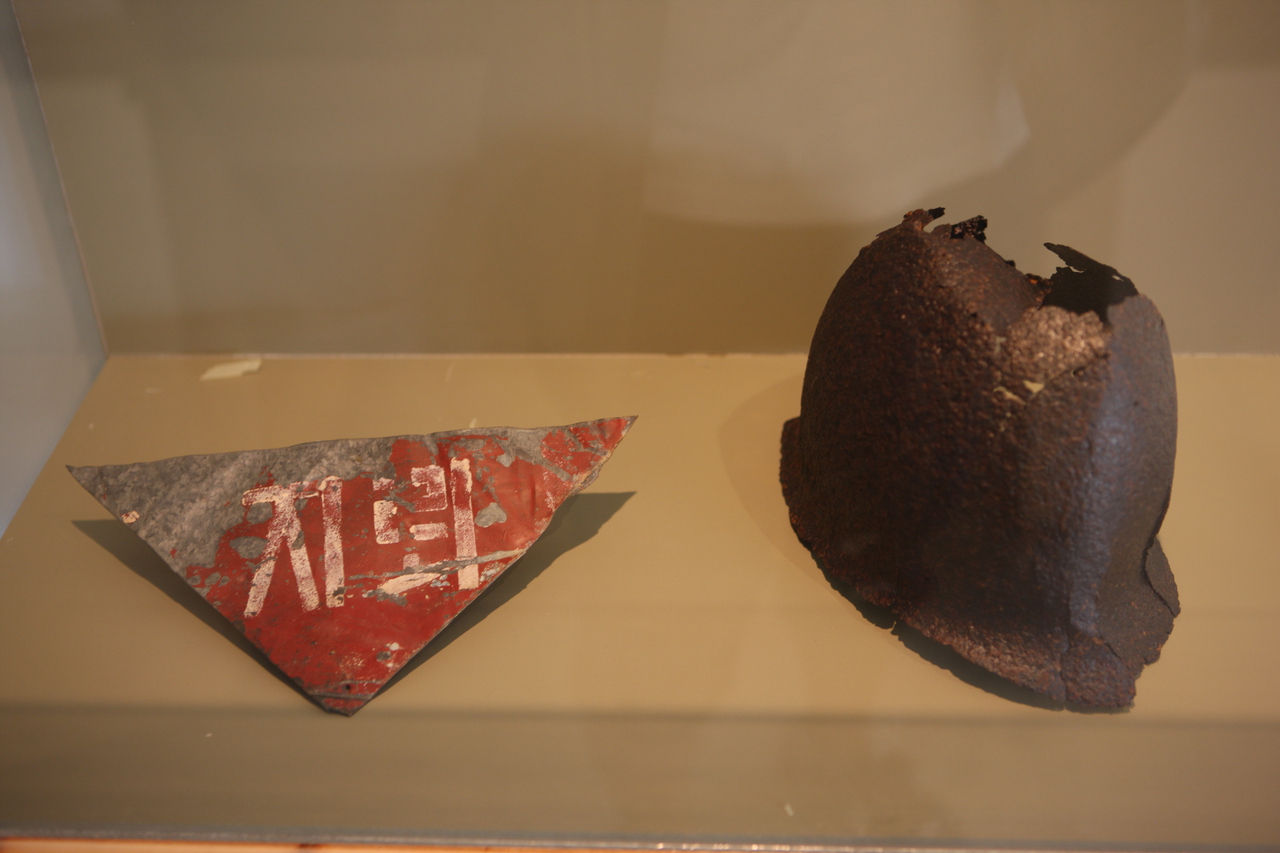
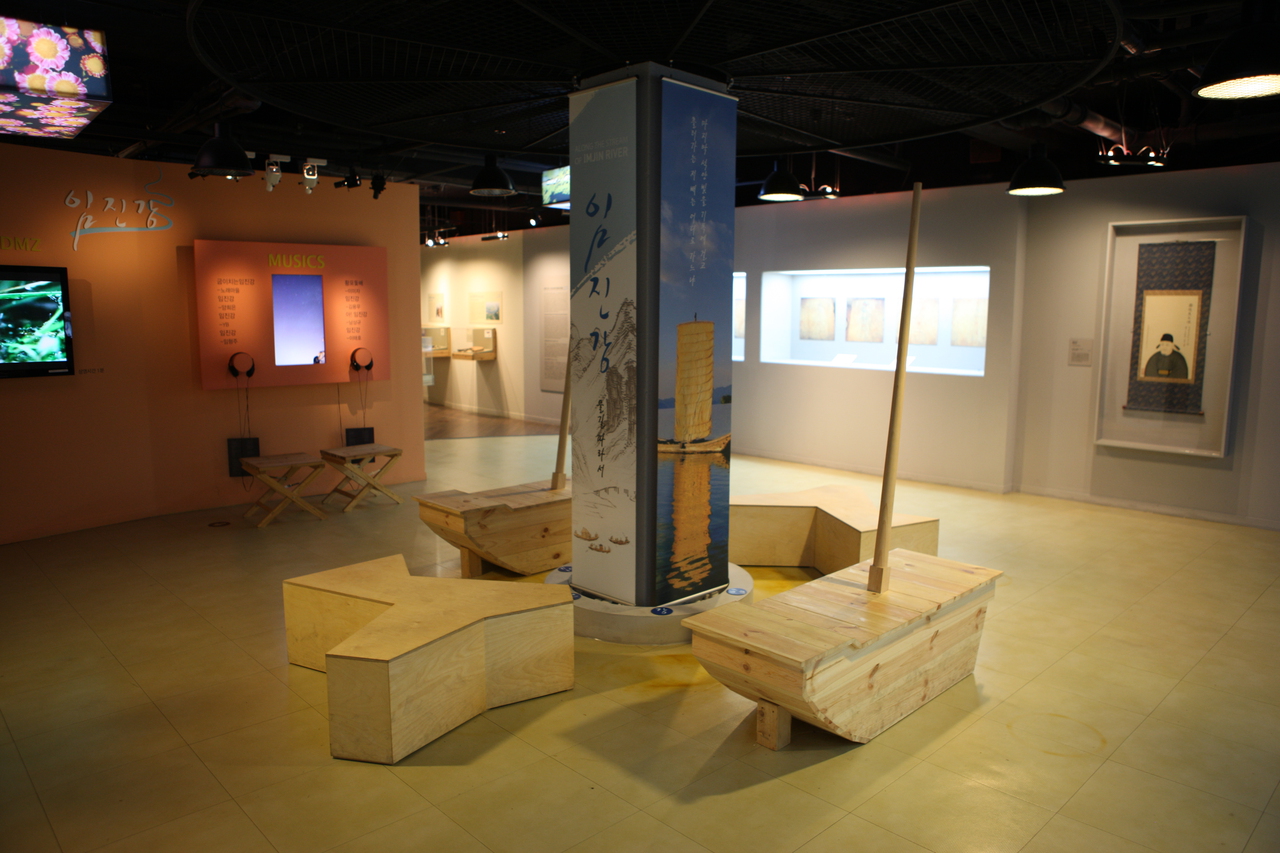
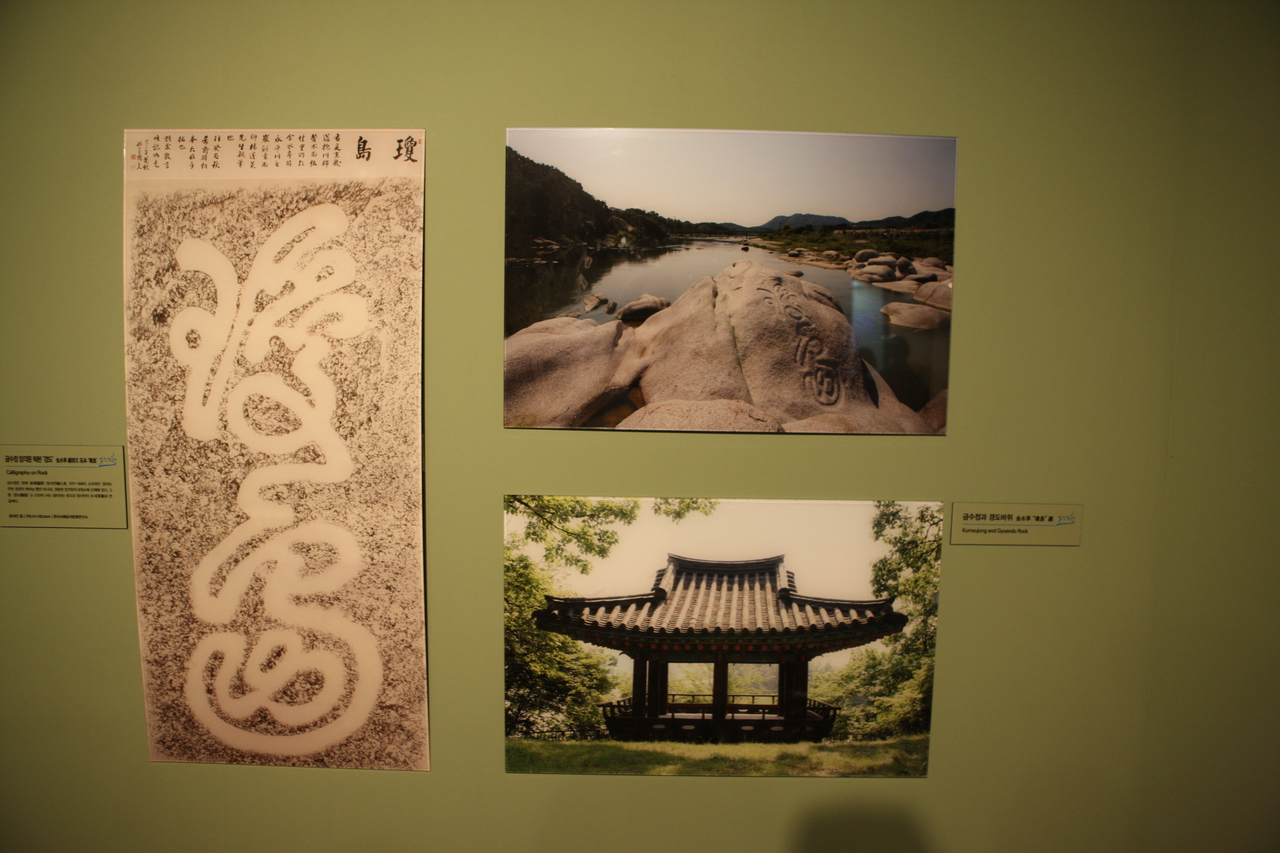
+1More
1 / 6
DMZ & Imjingak Peace Nuri Park representative scenic panorama
Curator's Guide & Overview
Comprehensive Guide1. Historical Origins & Cultural Background
Constructed in 1972 following the landmark South-North Joint Communiqué, Imjingak was established to console displaced families who fled North Korea during the Korean War and could no longer visit their ancestral hometowns. Located just 7 kilometers south of the Military Demarcation Line, this poignant geopolitical sanctuary evolved in 2005 with the creation of the 990,000-square-meter Peace Nuri Park, transforming a somber frontline outpost into a hopeful international destination celebrating universal peace and reconciliation.
2. Architectural Highlights & Key Structures
The park features evocative monuments: the Mangbaedan memorial altar where separated families conduct ancestral rites facing north during Chuseok and Lunar New Year; the bullet-riddled Gyeongui Line steam locomotive bearing over 1,020 combat scars from the Battle of Jangdan; the historic Freedom Bridge across which 12,773 prisoners of war returned home in 1953; and the modern Paju Imjingak Peace Gondola, the first cable car in the world to transport civilian passengers across a river boundary directly into a fortified Civilian Control Zone.
3. Four Seasons Landscape & Seasonal Visiting Charms
Spring brings cool breezes that spin thousands of colorful pinwheels across the verdant slopes of the Hill of Wind. Summer draws picnickers to the rolling lawns of Music Hill, where open-air classical peace concerts resonate beneath the stars. Autumn blankets the Imjin River basin in golden reeds and migrating Manchurian cranes, while winter brings dramatic frozen landscapes and solemn views across the barbed-wire frontier.
4. Operating Hours & Peak Viewing Times
The open grounds of Peace Nuri Park are accessible 24 hours a day year-round. The Imjingak Peace Gondola operates weekdays from 09:00 to 18:00 and weekends from 09:00 to 19:00 (ticket sales close 40 minutes prior). The best visiting hours are mid-morning (10:00-13:30), allowing time to ride the cable car across the river, explore the restored Camp Greaves US military installation, and walk the Hill of Wind before afternoon winds pick up.
5. Admission Fees & Concessions (Youth/Foreigner Discounts)
Admission to Peace Nuri Park and the historic monuments is completely free of charge. The round-trip Peace Gondola costs 11,000 KRW for adults (14,000 KRW for transparent glass-bottom Crystal Cabins) and 9,000 KRW for children. A photo ID or original passport is strictly mandatory for every passenger purchasing gondola tickets to clear military checkpoint manifests.
6. Public Transit & Subway Exit Directions
From central Seoul (Seoul Station or Hongik University Station), ride the Gyeongui-Jungang subway line north to Munsan Station (approx. 55 mins). At Munsan Station Exit 1, transfer to local town bus 058 which runs directly to the Imjingak bus terminal in 15 minutes. On weekends, Korail operates a direct DMZ shuttle train from Munsan Station to Imjingang Station, steps from the park. Dedicated parking accommodates 2,000 vehicles for 2,000 KRW per day.
7. Barrier-Free Accessibility & Visitor Amenities
The vast open lawns and main monuments are designed with continuous barrier-free paths. Gentle asphalt and wooden boardwalk ramps provide step-free access across the Hill of Wind, the Memorial Altar, and the Gondola stations. High-capacity elevators and level boarding bays enable seamless wheelchair and baby stroller embarkation into the gondola cabins. Wheelchairs are loaned free at the Tourist Information Pavilion.
8. Recommended Walking Route & Highlights Tour
Recommended 3-Hour Peace Discovery Route: Arrive at Imjingak → pay respects at Mangbaedan Altar and see the bullet-scarred Steam Locomotive → cross the historic Freedom Bridge → board the Peace Gondola over the Imjin River to the Civilian Control Zone → explore the historic bowling alley and art exhibition halls at Camp Greaves → return across the river → walk through the sea of 3,000 colorful pinwheels on the Hill of Wind → relax with coffee at Cafe D-An overlooking the water.
9. Local Food Specialties & Regional Flavors
Paju and Munsan are celebrated for unique regional delicacies: sample savory Paju Jangdan Soybean tofu hot pots (Jangdan-kong dubu jeongol), bubbling military budaejjigae stew seasoned with local kimchi, tender Imjin River charcoal-grilled freshwater eel (jangeo-gui), and sweet fried soybean doughnuts.
10. Dietary Options (Vegetarian, Halal & Allergen Guide)
Vegetarian diners will delight in traditional Jangdan soybean establishments surrounding the park: pure silken soft tofu stew (sundubu baekban), crispy golden soybean patties, and rustic vegetable bibimbap made without meat. Several cafes at Peace Nuri offer soy milk lattes made with locally harvested Paju non-GMO beans.
11. Signature Photo Spots & Golden Hour Lighting
Unmissable photo opportunities: standing amidst the 3,000 multicolored spinning pinwheels on the emerald slopes of the Hill of Wind, sitting beside the giant wooden human sculptures emerging from the grass on the hill summit, and capturing the sweeping aerial panorama of the DMZ riverbanks and bridge ruins from the glass-walled Peace Gondola.
12. Visitor Etiquette & Cultural Property Regulations
Because this is an active border defense zone, strict security regulations apply. Crossing into the northern gondola station requires carrying physical photo identification (passport for foreign visitors). Photographing military guard posts, active personnel, or defensive barbed-wire fortifications is strictly forbidden. Drones are prohibited throughout the entire Paju DMZ airspace under military penal code.
13. Safety Precautions & 1330 Tourism Hotline Support
The Imjingak Tourist Information Center houses certified multilingual docents, an emergency first-aid station, and lost-and-found services. Military police and civilian security staff patrol continuously. For operational inquiries or translation assistance, contact the Paju Tourism Information Desk at 031-953-4744 or call the 1330 Korea Travel Hotline.
14. Nearby Connected Attractions & Walking Links
Located just 15 minutes south by taxi is Heyri Art Valley and Paju Book City, while organized civilian DMZ shuttle tours depart from Imjingak to the 3rd Infiltration Tunnel and Dora Observatory (passport required).
15. Frequently Asked Questions (FAQ)
Q: Do I need a guided tour or advance permit to visit Imjingak? A: No permit or reservation is needed to visit Imjingak and Peace Nuri Park freely. However, if you wish to ride the Peace Gondola across the river or join the separate DMZ Tunnel tour, you must bring your physical original passport on the day of your visit.
16. Regional Extended Day Trip Itinerary
DMZ Peace & Culture Day Tour: Morning train from Seoul to Imjingak → Peace Gondola flight across the Imjin River and Camp Greaves tour → walk through the 3,000 pinwheels at Peace Nuri Park → Jangdan soybean tofu lunch → afternoon exploration of Heyri Art Valley galleries and cafes → sunset in Paju Book City.
Essential Visitor Facts
Operating Hours
Peace Nuri Park open 24/7; Imjingak Peace Gondola: Weekdays 09:00 - 18:00, Weekends 09:00 - 19:00 (Passport required for Gondola)
Admission / Price
Park Entry Free; Imjingak Peace Gondola: Adults 11,000 KRW, Children 9,000 KRW (Crystal Cabin: Adults 14,000 KRW)
Closed Days
Closed on Mondays/Tuesdays
Best Time to Visit
Morning (around 09:30-10:00)
Transit & Access Directions
From Seoul Station take Gyeongui-Jungang Line to Munsan Station, transfer to Imjingak Shuttle Train (weekends) or City Bus 058 to Imjingak stop (approx. 70 mins)
Accessibility & Special Amenities
Wheelchair ramps, tactile paving, accessible restrooms
Location Coordinates
Latitude: 37.8925
Longitude: 126.7412
Discover Themes & Highlights
Key interest areas and cultural highlights:
#dmz-imjingak-peace-park#VisitGyeonggi#KoreaTravelAtlas
Community Traveler Reviews0 Reviews
Visitor tips, feedback, and questions submitted by real travelers.
No community reviews submitted yet. Be the first traveler to share your experience!
Connected Cultural Destinations
Handpicked nearby attractions and regional cultural highlights.

Gyeongbokgung Palace
경복궁Gyeongbokgung Palace, Seoul, South Korea
Gyeongbokgung Palace is the grandest royal palace of the Joseon Dynasty, established in 1395 in northern Seoul. Framed by Mount Baegaksan, its majestic grounds encompass Geunjeongjeon Throne Hall, ...
HalalMorning (around 09:30-10:00)
Details→
Sinpo International Market
신포국제시장Sinpo International Market, Incheon, South Korea
Sinpo International Market is Incheon’s premier historic market dating back to the late nineteenth century, famous nationwide for its fiery sweet Dakgangjeong chicken, handmade dumplings, and hollo...
HalalMorning (around 09:30-10:00)
Details→
Heyri Art Valley & Book City
헤이리 예술마을Heyri Art Valley & Book City, Paju, Gyeonggi, South Korea
Heyri Art Valley & Paju Book City form South Korea’s premier cultural and architectural haven in Paju, featuring 495,000 square meters of avant-garde architecture, artist studios, eclectic museums,...
Morning (around 09:30-10:00)
Details→
Seoraksan National Park (Sinheungsa)
설악산국립공원 (신흥사)1055 Seoraksan-ro, Sokcho-si, Gangwon-do
Seoraksan National Park, sprawling across Sokcho, Inje, and Yangyang in Gangwon-do, is a UNESCO Biosphere Reserve celebrated for its jagged granite spires, pristine mountain cascades, and rich biod...
Morning (around 09:30-10:00)
Details→