Gyeonggi•Paju•Culture•Art & Mural Village
Heyri Art Valley & Book City
헤이리 예술마을
Powered by Korea Tourism OrganizationAddress: Heyri Art Valley & Book City, Paju, Gyeonggi, South Korea (경기도 파주시 탄현면 헤이리마을길 70-21 (법흥리))
Editorial review pending

Heyri Art Valley & Book City representative scenic panoramaZoom


+1More
1 / 6
Heyri Art Valley & Book City representative scenic panorama
Curator's Guide & Overview
Comprehensive Guide1. Historical Origins & Cultural Background
Conceived in 1998 by a passionate collective of over 370 Korean painters, writers, sculptors, and architects, Heyri Art Valley was designed as an eco-conscious cultural commune where human creativity coexists organically with pristine nature. Governed by strict architectural covenants—stipulating that no building exceed three stories, structures utilize raw concrete, wood, and glass, and fences remain completely absent—the 495,000-square-meter sanctuary in Paju is an open-air modern architecture exhibition in its own right.
2. Architectural Highlights & Key Structures
The valley encompasses over 100 private museums, experimental contemporary art galleries, artisan craft workshops, indie bookstores, and experiential music halls. Adjacent along the Jayu-ro highway is Paju Book City, an internationally celebrated hub of publishing houses centered around the Forest of Wisdom (Jihye-ui Sup), a monumental public reading sanctuary lined with soaring 8-meter-high timber bookshelves holding over 500,000 literary volumes.
3. Four Seasons Landscape & Seasonal Visiting Charms
Spring fills the open meadows with blossoming wild cherry trees, outdoor sculpture tours, and weekend flea markets. Summer brings verdant wetland boardwalk strolls along the Maecheon stream and cool architectural sanctuary inside climate-controlled book lounges. Autumn paints the reed gardens in golden amber tones, making outdoor cafe terraces bustling hubs for design enthusiasts. Winter wraps the minimalist concrete pavilions in crisp, contemplative quiet.
4. Operating Hours & Peak Viewing Times
Heyri Art Valley grounds and pedestrian walkways are open 24 hours daily with free access. Individual galleries, craft workshops, and concept cafes typically operate Tuesday through Sunday from 11:00 to 19:00 (closed Mondays). The Forest of Wisdom in Paju Book City operates daily from 10:00 to 20:00. The best visiting window is 11:30 to 17:30, starting with museum tours, followed by an artisanal lunch, gallery hopping, and sunset reading at the Forest of Wisdom.
5. Admission Fees & Concessions (Youth/Foreigner Discounts)
General entry to Heyri Art Valley, Paju Book City, and the Forest of Wisdom library is completely free of charge. Individual private museums (such as the Korea Modern History Museum, Toy Museum, or World Musical Instrument Museum) charge modest admissions ranging from 3,000 to 8,000 KRW. Combined museum multi-passes are available at the Gate 1 and Gate 4 ticket booths.
6. Public Transit & Subway Exit Directions
From central Seoul, take Seoul Metro Line 2 or 6 to Hapjeong Station. From Exit 1, board Red Express Bus 2200, which speeds along the northern riverside expressway directly to Heyri Art Valley (Gate 1 or 4) in approximately 45 minutes, with stops at Paju Book City along the route. Free parking is available at multiple designated parking zones surrounding each gate.
7. Barrier-Free Accessibility & Visitor Amenities
Heyri was master-planned with level pedestrian pathways, wooden boardwalks over natural wetlands, and smooth access ramps into all ground-level architecture. The Forest of Wisdom is entirely step-free with wide aisles between soaring bookcases and accessible elevator connections to the second floor. Wheelchair rentals are available at the Heyri Community Information Center at Gate 4.
8. Recommended Walking Route & Highlights Tour
Recommended 4-Hour Arts & Literary Route: Arrive at Heyri Gate 1 → visit the nostalgic Korea Modern History Museum recreating 1960s-70s Seoul streets → explore the White Block Contemporary Art Gallery overlooking the reed pond → stroll past award-winning raw concrete architectural studios → enjoy an artisanal pasta or pizza lunch at an open-air cafe → browse handmade ceramics and leather studios → board Bus 2200 to Paju Book City → immerse yourself beneath the 8-meter bookshelves of the Forest of Wisdom.
9. Local Food Specialties & Regional Flavors
Heyri and Book City are celebrated for gourmet lifestyle dining: enjoy wood-fired Neapolitan pizzas, artisanal handmade ricotta salads, black truffle pastas, and tender roasted pork steaks served in garden-view dining halls. Charming dessert boutiques offer freshly baked butter scones, French cannelés, and hand-drip single-origin pour-over coffees.
10. Dietary Options (Vegetarian, Halal & Allergen Guide)
Vegetarian diners will find a paradise of plant-forward choices: roasted Mediterranean vegetable paninis, rustic wild mushroom risottos, vegan avocado sandwiches, and organic salads served with locally pressed olive oil. Teahouses in the village offer traditional Korean ssanghwa herbal tea and roasted grain misugaru.
11. Signature Photo Spots & Golden Hour Lighting
Premier photo spots: the dramatic floor-to-ceiling 8-meter bookshelves inside the Forest of Wisdom in Paju Book City, the reflective glass facade of White Block Gallery mirrored in the reed pond, the nostalgic retro alleys and vintage neon shopfronts inside the Korea Modern History Museum, and posing beside contemporary outdoor kinetic sculptures along Heyri's central stream.
12. Visitor Etiquette & Cultural Property Regulations
Because many buildings serve as private working residences for artists, respect privacy by not trespassing onto marked private residential patios. Drive slowly within the village lanes as pedestrians share the roads. Leashed pets are welcomed throughout outdoor lanes and on pet-friendly cafe terraces. Dispose of trash in designated receptacles.
13. Safety Precautions & 1330 Tourism Hotline Support
The Heyri Community Center at Gate 4 operates a visitor reception desk, map distribution center, and first-aid support. Security staff patrol daily. For information on current art exhibitions or architectural walking tours, contact the Heyri Secretariat at 031-946-8551 or call the 1330 Korea Travel Hotline.
14. Nearby Connected Attractions & Walking Links
Heyri Art Valley is located just 10 minutes south of the DMZ & Imjingak Peace Nuri Park and 5 minutes from the Provence French Village and Paju Premium Outlets.
15. Frequently Asked Questions (FAQ)
Q: Is Heyri Art Valley easy to explore on foot? A: Yes, while the valley covers 495,000 square meters, the core gallery and cafe clusters are centered within a comfortable 15-minute walking radius around the central pond and stream. Bicycle rentals are also available at Gate 4.
16. Regional Extended Day Trip Itinerary
Paju Art, Architecture & Literature Day Tour: Morning bus from Hapjeong to Heyri Art Valley → explore modern history museum and White Block gallery → Italian terrace lunch in Heyri → afternoon bus to Paju Book City → explore the Forest of Wisdom and book cafes → evening shopping at Paju Premium Outlets.
Essential Visitor Facts
Operating Hours
Village grounds open 24/7; Galleries & Cafes: Tue - Sun 11:00 - 19:00; Forest of Wisdom: Daily 10:00 - 20:00
Admission / Price
Village & Book City Entry Free; Individual Gallery/Museum Admissions 3,000 - 8,000 KRW; Forest of Wisdom Free
Closed Days
Open 365 Days
Best Time to Visit
Morning (around 09:30-10:00)
Transit & Access Directions
From Hapjeong Station (Seoul Metro Line 2 & 6) Exit 1, take Red Express Bus 2200 directly to Heyri Art Valley Gate 1 or 4 (approx. 45 mins)
Accessibility & Special Amenities
Wheelchair ramps, tactile paving, accessible restrooms
Location Coordinates
Latitude: 37.7915
Longitude: 126.7025
Discover Themes & Highlights
Key interest areas and cultural highlights:
#paju-heyri-art-village#VisitGyeonggi#KoreaTravelAtlas
Community Traveler Reviews0 Reviews
Visitor tips, feedback, and questions submitted by real travelers.
No community reviews submitted yet. Be the first traveler to share your experience!
Connected Cultural Destinations
Handpicked nearby attractions and regional cultural highlights.

Gyeongbokgung Palace
경복궁Gyeongbokgung Palace, Seoul, South Korea
Gyeongbokgung Palace is the grandest royal palace of the Joseon Dynasty, established in 1395 in northern Seoul. Framed by Mount Baegaksan, its majestic grounds encompass Geunjeongjeon Throne Hall, ...
HalalMorning (around 09:30-10:00)
Details→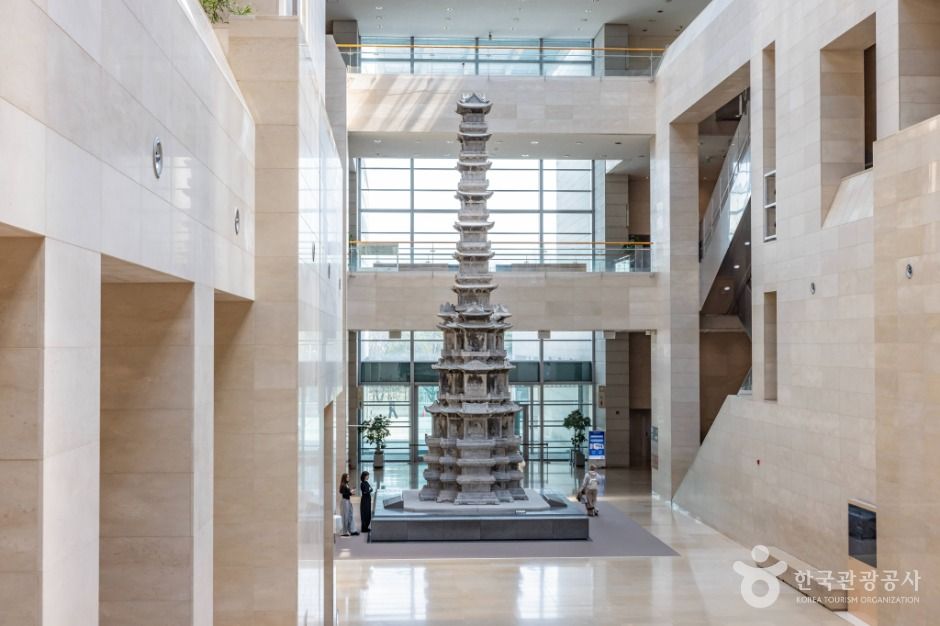
National Museum of Korea
국립중앙박물관137 Seobinggo-ro, Yongsan-gu, Seoul
The National Museum of Korea, situated in Yongsan, Seoul, is the preeminent cultural institution of South Korea, housing an unparalleled collection of over 400,000 historical artifacts from prehist...
HalalMorning (around 09:30-10:00)
Details→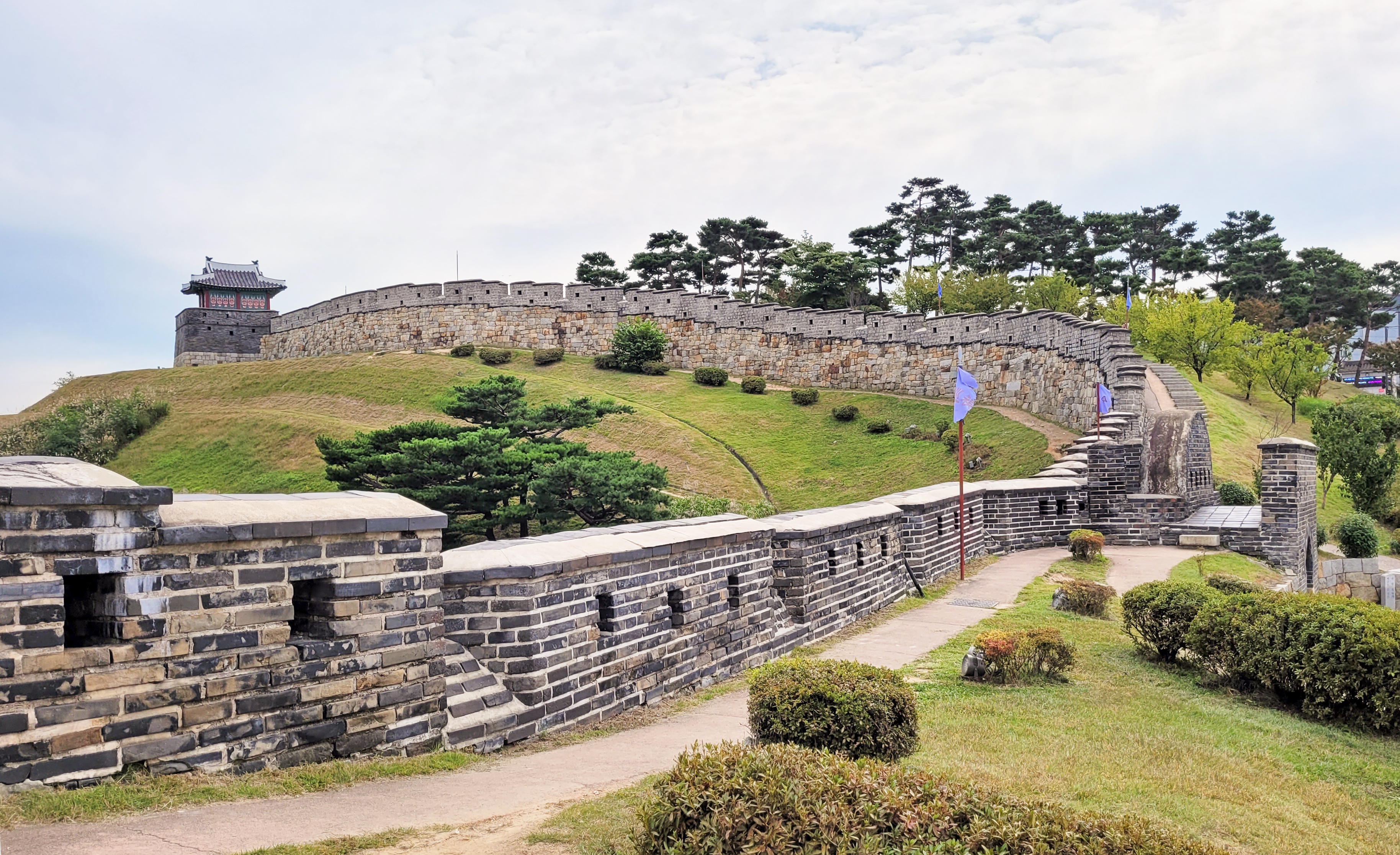
Suwon Hwaseong Fortress (UNESCO)
수원화성Suwon Hwaseong Fortress (UNESCO), Suwon, Gyeonggi, South Korea
Suwon Hwaseong Fortress is a UNESCO World Heritage site constructed between 1794 and 1796 by King Jeongjo, combining visionary Joseon royal filial piety with Eastern and Western scientific fortific...
Morning (around 09:30-10:00)
Details→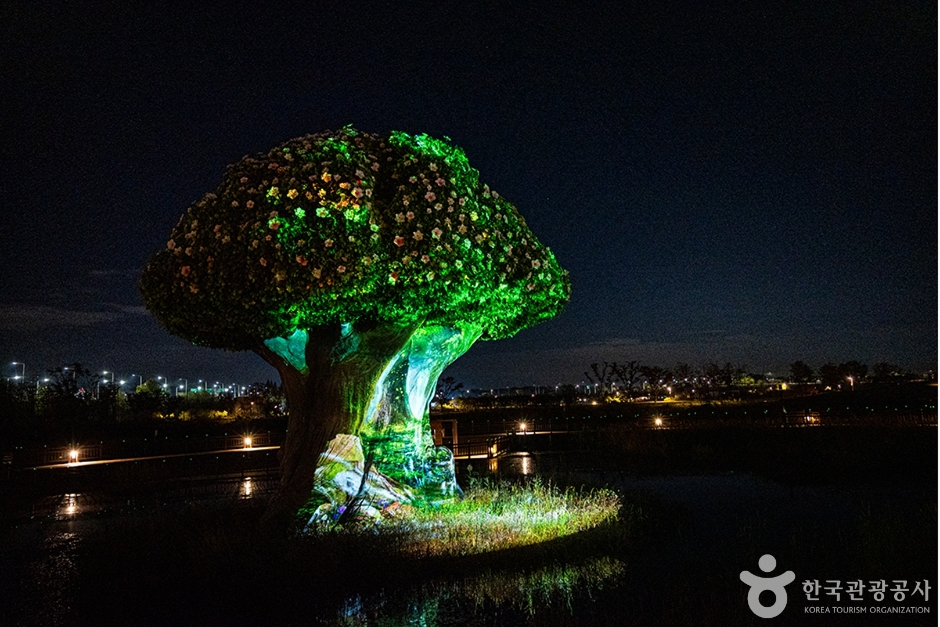
DMZ & Imjingak Peace Nuri Park
임진각 평화누리공원DMZ & Imjingak Peace Nuri Park, Paju, Gyeonggi, South Korea
DMZ & Imjingak Peace Nuri Park is the northernmost accessible civilian heritage park facing the Korean Demilitarized Zone in Paju, featuring the iconic Hill of Wind with 3,000 spinning pinwheels, t...
Morning (around 09:30-10:00)
Details→