Gyeongbuk•Cheongsong•Nature•National Park
Cheongsong Juwangsan UNESCO Global Geopark
청송 주왕산국립공원
Powered by Korea Tourism OrganizationAddress: Cheongsong Juwangsan UNESCO Global Geopark, Cheongsong, Gyeongbuk, South Korea (경상북도 청송군 주왕산면 공원길 169-7 (상의리 주왕산국립공원))
Editorial review pending

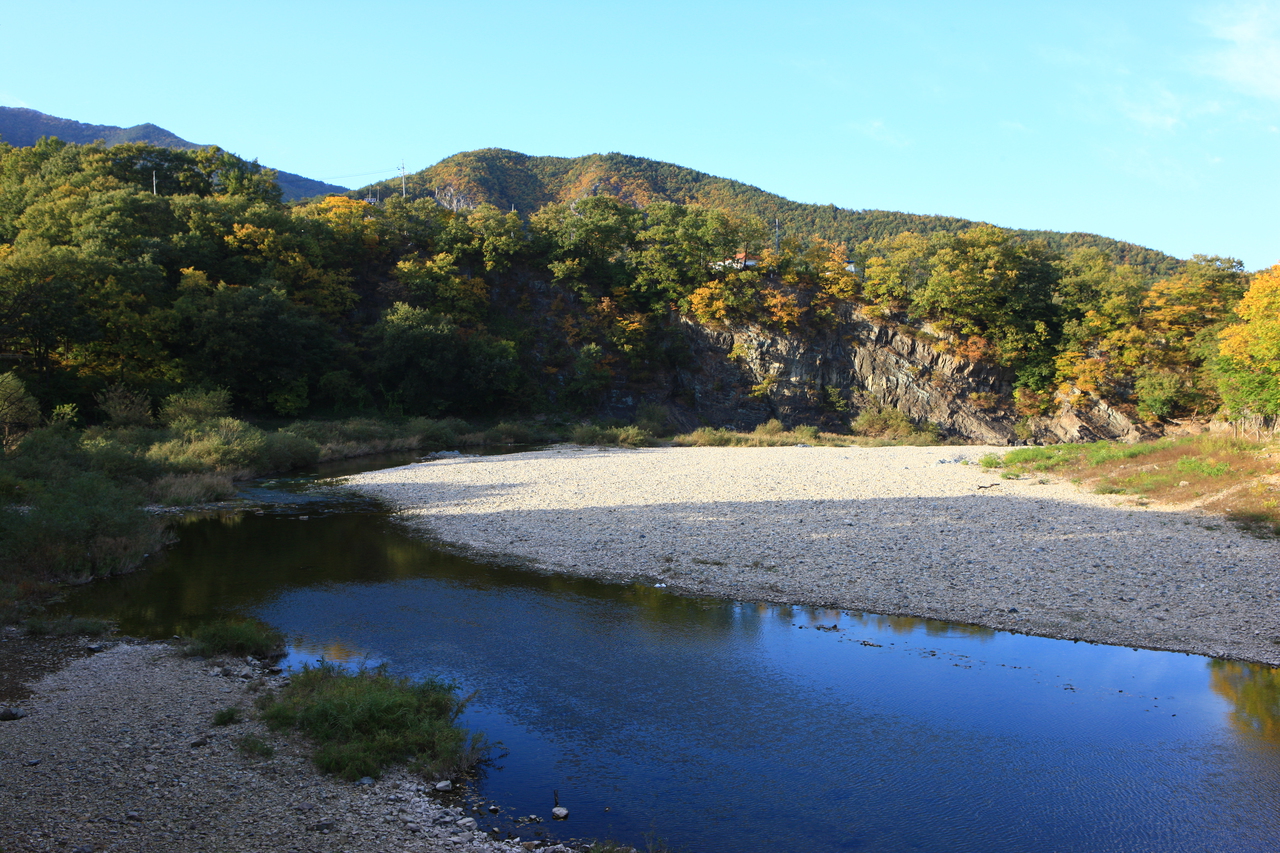
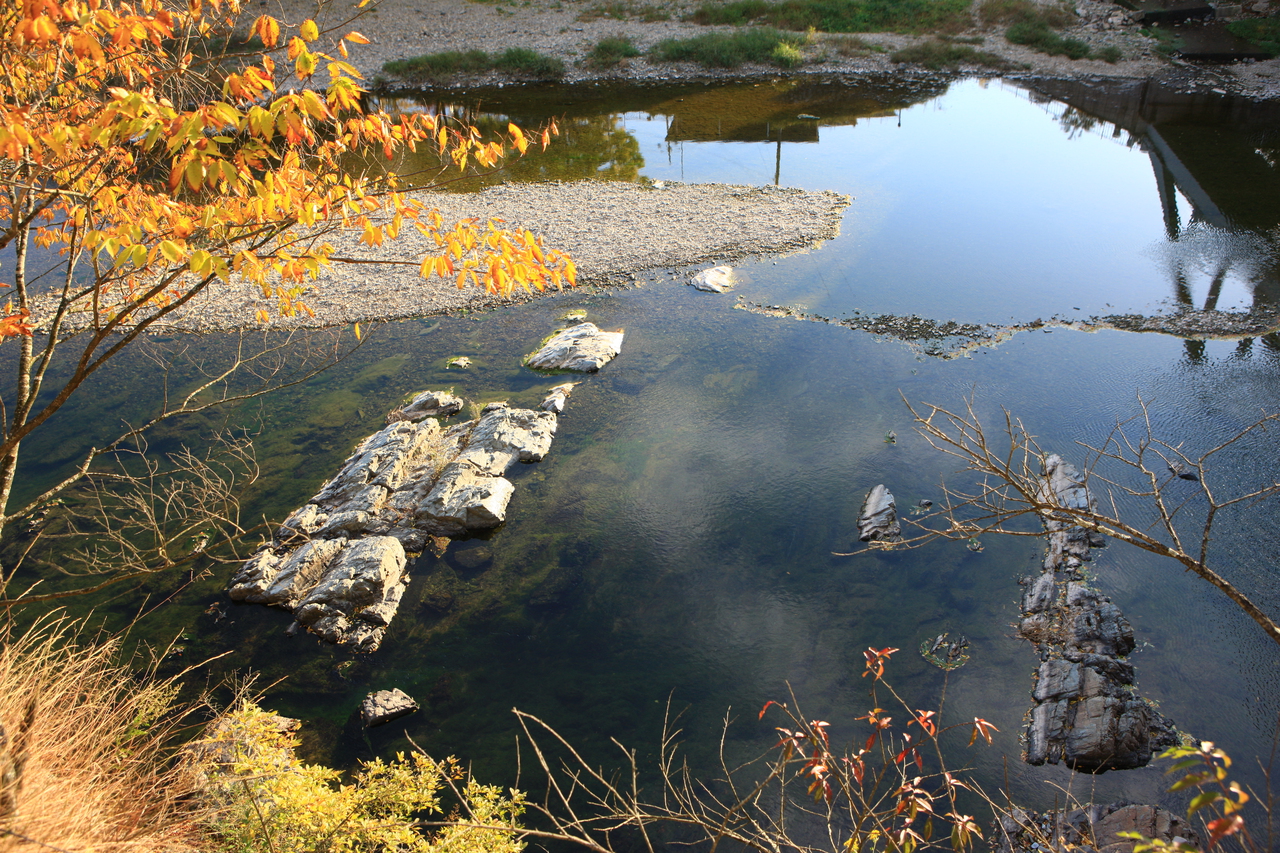
Cheongsong Juwangsan UNESCO Global Geopark representative scenic panoramaZoom

+1More
1 / 6
Cheongsong Juwangsan UNESCO Global Geopark representative scenic panorama
Curator's Guide & Overview
Comprehensive Guide1. Historical Origins & Cultural Background
Cheongsong Juwangsan National Park, globally validated in 2017 as an official UNESCO Global Geopark, is one of South Korea's most visually dramatic volcanic geological sanctuaries. Formed approximately 70 million years ago during the late Cretaceous Period by colossal pyroclastic volcanic flows and explosive rhyolitic ash eruptions, the mountain features towering vertical battlements, natural rock spires, and deep, twisting slot canyons. Legend holds that King Zhou (Juwang) of the Tang Dynasty fled to these impenetrable rocky fortresses after an unsuccessful rebellion, giving the mountain its historic name.
2. Architectural Highlights & Key Structures
The geological highlights of Juwangsan are awe-inspiring. Immediately past the ancient temple of Daejeonsa rises Giam Rock (Flag Rock)—a sheer 200-meter-tall seven-fingered rhyolitic fortress cliff that dominates the valley skyline. Continuing into the mountain, walkers enter the world-famous Yongchu Gorge (First Waterfall Gorge), a breathtaking natural canyon where sheer rock walls soar hundreds of meters on either side, narrowing to just a few meters across a winding wooden boardwalk suspended over churning emerald pools. Further up the trail lie the multi-tiered cascades of Jeolgu Waterfall and the roaring waters of Yongyeon Waterfall (Third Waterfall). Ten kilometers to the southeast lies Jusanji Reservoir—a 300-year-old artificial pond constructed in 1720, famous for its submerged ancient weeping willows whose roots thrive underwater amid ethereal morning mists.
3. Four Seasons Landscape & Seasonal Visiting Charms
Juwangsan offers extraordinary sensory wonders across all seasons. Spring (April to May) brings delicate pink wild azaleas (Sudalgi) blooming along the stream banks beneath the towering granite rocks. Summer (June to August) provides refreshing coolness inside the shaded, wind-swept slot canyons and misty waterfall spray. Autumn (October to November) is the park's internationally renowned spectacle: brilliant crimson and gold maples reflect in the clear canyon waters while autumn mists envelop the submerged willows of Jusanji. Winter wraps the vertical rock walls and frozen waterfalls in glittering giant icicles, offering sublime cold-weather trekking.
4. Operating Hours & Peak Viewing Times
The national park is open year-round 24/7. Hiking trail entry is permitted from 04:00 to 17:00 (March to October) and 05:00 to 16:00 (November to February). Daejeonsa Temple is open from 06:00 to 18:00. The gentle 4.5-kilometer round-trip walk from Daejeonsa through Yongchu Gorge to Yongyeon Waterfall is virtually flat and takes about 2 to 2.5 hours at a leisurely pace. Jusanji Reservoir requires a separate short visit (approx. 1 hour total, including a 15-minute gentle walk from the Jusanji parking lot).
5. Admission Fees & Concessions (Youth/Foreigner Discounts)
Following historic national cultural heritage reforms, admission to Juwangsan National Park and Daejeonsa Temple is completely FREE of charge for all domestic and foreign travelers (previously 4,000 KRW). Visiting Jusanji Reservoir is also completely free. Spacious paved municipal parking at the main Sang-ui parking lot charges a flat fee of 4,000 KRW per car (5,000 KRW during peak autumn weekends).
6. Public Transit & Subway Exit Directions
From Seoul, board an intercity bus from Dong Seoul Bus Terminal directly to Juwangsan Terminal (approx. 3 hours 30 minutes; 2 to 3 departures daily). Alternatively, take the high-speed KTX-Eum to KTX Andong Station (2 hours), then transfer at Andong Bus Terminal to the intercity bus bound for Juwangsan (approx. 1 hour 15 minutes). The bus terminates directly at the Sang-ui village parking area, just a 10-minute walk from the park entrance. Driving takes about 3 hours from Seoul via the Dangjin-Yeongdeok Expressway (exit at Cheongsong IC).
7. Barrier-Free Accessibility & Visitor Amenities
Juwangsan is acclaimed for its barrier-free valley trail. The 2.2-kilometer path from the park entrance through Daejeonsa and through the jaw-dropping Yongchu Gorge is a wide, smoothly paved wooden boardwalk and flat compacted gravel walkway, making it effortlessly accessible for baby strollers and manual or electric wheelchairs. Disabled travelers can experience the sheer volcanic cliffs and emerald gorge pools without encountering a single step. Beyond Yongchu Gorge toward Yongyeon Waterfall, the trail includes wooden stairs and rock steps. Accessible restrooms are located at the main parking area, Daejeonsa Temple, and Jusanji parking lot.
8. Recommended Walking Route & Highlights Tour
Recommended 3-Hour Volcanic Gorge & Waterfalls Trail: Arrive at Sang-ui village and walk past the local apple cider shops → Photograph the iconic Giam Rock soaring behind the wooden halls of Daejeonsa Temple → Walk the gentle barrier-free trail along the bubbling stream → Enter the jaw-dropping narrows of Yongchu Gorge, marveling at the towering vertical cliffs closing in overhead → Stand on the viewing platform beside Yongchu Waterfall → Continue through the forest to admire the two-tier cascade of Jeolgu Waterfall → Reach the dramatic cavernous rock amphitheater of Yongyeon Waterfall → Trace your steps back through the gorge, watching the shifting light on the stone battlements → Enjoy a lunch of Dalgi mineral spring chicken soup in the village.
10. Dietary Options (Vegetarian, Halal & Allergen Guide)
Vegetarians can feast on wholesome mountain specialties in Sang-ui village: enjoy Sanchae Bibimbap prepared with foraged wild mountain bracken, bellflower, and mushrooms, seasoned tofu stews, savory acorn jelly salad, and crispy potato pancakes. Sweet apple baked pastries and apple chips are available throughout the village. Halal and pescatarian travelers can savor freshwater fish dishes, wild mushroom hot pots, and delicious apple-infused vegetable side dishes, completely free from pork products.
11. Signature Photo Spots & Golden Hour Lighting
Unforgettable photo compositions: the world-famous postcard frame of the soaring, multi-pinnacled Giam Rock towering directly behind the ancient tile-roofed Bogwangjeon hall of Daejeonsa Temple; standing on the wooden footbridge inside Yongchu Gorge as the sheer cliff walls soar hundreds of meters above; ethereal morning reflections of ancient weeping willows rising from the mirror-smooth waters of Jusanji Reservoir draped in dawn mist; and the dual-tier plunge of Yongyeon Waterfall framed by autumn maples.
12. Visitor Etiquette & Cultural Property Regulations
National park safety regulations: remain strictly on designated trails and boardwalks. Do not climb over railings onto slippery wet rocks or swim in the deep gorge pools. Rockfall protective canopies are installed in steep sections; walk through without lingering during heavy rain or high winds. Feeding wild squirrels or birds is discouraged. Drones are prohibited throughout the national park. Smoking and open flames are strictly banned. Pack out all trash to preserve this pristine UNESCO Geopark.
13. Safety Precautions & 1330 Tourism Hotline Support
Wear comfortable walking sneakers or light hiking shoes with good traction. Even on warm summer days, the narrow slot canyon remains cool and damp; carry a light windbreaker. If visiting Jusanji Reservoir for sunrise photography, carry a small flashlight and dress warmly. For real-time trail status and weather updates, contact the Juwangsan National Park Office at 054-870-5300 or dial 1330.
14. Nearby Connected Attractions & Walking Links
Combine your Juwangsan journey with other regional highlights: explore the submerged weeping willows of Jusanji Reservoir (15 minutes away), visit the historic Songso Gotaek (a grand 99-room Joseon noble estate operating traditional homestays in nearby Deokcheon Village), sample sparkling mineral water directly from Dalgi Yaksu Spring, or drive 40 minutes east to the coastal cliffs of Pohang Space Walk (PLACE-GYEONGBUK-006).
15. Frequently Asked Questions (FAQ)
Q: Why is Jusanji Reservoir so famous? A: Built in 1720 during the Joseon Dynasty for agricultural irrigation, Jusanji is world-renowned because over 30 ancient weeping willows (some over 300 years old) grow directly out of the water, creating an ethereal, dreamlike landscape that served as the setting for director Kim Ki-duk’s famous film *Spring, Summer, Fall, Winter... and Spring*. Q: What is special about Dalgi Mineral Spring water? A: Dalgi Yaksu is a naturally carbonated spring bubbling from subterranean volcanic rocks; rich in iron, zinc, and sodium bicarbonate, it tastes like fizzy iron water and causes chicken meat cooked in it to become extraordinarily tender while removing all fat.
16. Regional Extended Day Trip Itinerary
Cheongsong Juwangsan & Jusanji Geopark Day Tour: Morning arrival at Juwangsan National Park → Photograph Giam Rock soaring over Daejeonsa Temple → Walk the breathtaking barrier-free boardwalk through Yongchu Gorge to Yongyeon Waterfall → Enjoy a bubbling Dalgi Yaksu Chicken Baeksuk lunch with Cheongsong apple makgeolli in Sang-ui village → Drive to Jusanji Reservoir to walk the forested path and admire the 300-year-old weeping willows submerged in the lake → Visit the historic 99-room Songso Gotaek noble mansion → Sample sparkling mineral water at Dalgi Spring → Return to Seoul or Andong.
Essential Visitor Facts
Operating Hours
Open 24/7 year-round; hiking trail entry: daily 04:00 - 17:00 (summer) / 05:00 - 16:00 (winter); Daejeonsa Temple open 06:00 - 18:00.
Admission / Price
FREE ADMISSION following national cultural heritage reforms; Free entry to Juwangsan National Park, Daejeonsa Temple, and Jusanji Reservoir; Parking fee: 4,000 KRW.
Closed Days
Open 365 Days
Best Time to Visit
Morning (around 09:30-10:00)
Transit & Access Directions
From Dong Seoul Terminal, take an intercity bus directly to Juwangsan Intercity Bus Terminal (approx. 3 hours 30 minutes). From Andong Terminal, frequent direct buses reach Juwangsan in roughly 1 hour 15 minutes.
Accessibility & Special Amenities
Wheelchair ramps, tactile paving, accessible restrooms
Location Coordinates
Latitude: 36.4012
Longitude: 129.1565
Discover Themes & Highlights
Key interest areas and cultural highlights:
#cheongsong-juwangsan-national-park#VisitGyeongbuk#KoreaTravelAtlas
Community Traveler Reviews0 Reviews
Visitor tips, feedback, and questions submitted by real travelers.
No community reviews submitted yet. Be the first traveler to share your experience!
Connected Cultural Destinations
Handpicked nearby attractions and regional cultural highlights.

Daegwallyeong Highland Sheep Farm
대관령 양떼목장Daegwallyeong Highland Sheep Farm, Pyeongchang, Gangwon, South Korea
Daegwallyeong Highland Sheep Farm is South Korea’s iconic alpine pastoral paradise, situated at an altitude of 850 meters on the Baekdudaegan mountain ridge in Pyeongchang, featuring rolling green ...
Morning (around 09:30-10:00)
Details→
Gongju Gongsanseong Fortress (UNESCO)
공주 공산성Gongju Gongsanseong Fortress (UNESCO), Gongju, Chungnam, South Korea
Gongju Gongsanseong Fortress is a UNESCO World Heritage mountain rampart overlooking the Geumgang River, serving as the royal capital fortress of the ancient Baekje Kingdom (475–538 AD) during the ...
Morning (around 09:30-10:00)
Details→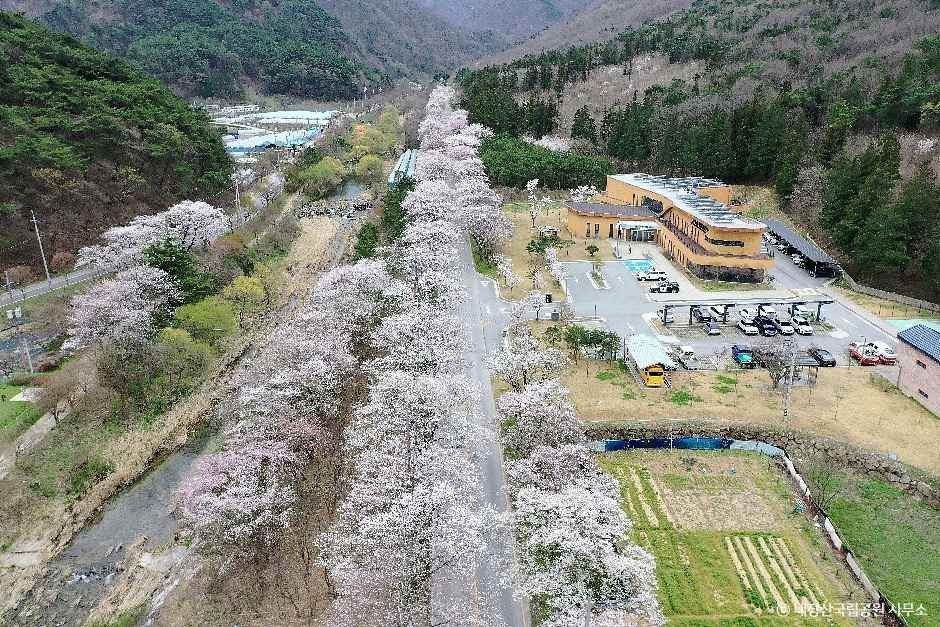
Naejangsan National Park (Autumn Foliage)
내장산국립공원Naejangsan National Park (Autumn Foliage), Jeongeup, Jeonbuk, South Korea
Naejangsan National Park is South Korea’s undisputed autumn foliage wonderland, renowned for its vivid crimson baby-leaf maples, the fairy-tale Uhwajeong water pavilion, soaring ridge cable car, an...
Morning (around 09:30-10:00)
Details→
Ulleungdo Volcanic Island Coastal Trail
울릉도 행남해안산책로Ulleungdo Volcanic Island Coastal Trail, Ulleung, Gyeongbuk, South Korea
Ulleungdo Haenam Coastal Trail is South Korea’s most spectacular volcanic seaside walking path, suspended along sheer basalt cliffs, sea caves, and turquoise ocean waters between Dodong Port and Je...
Morning (around 09:30-10:00)
Details→