Jeonbuk•Gochang•Heritage•Ancient Relic Site
Gochang Dolmen Sites (UNESCO)
고창 고인돌유적
Powered by Korea Tourism OrganizationAddress: Gochang Dolmen Sites (UNESCO), Gochang, Jeonbuk, South Korea (전북특별자치도 고창군 고창읍 고인돌공원길 74 (고인돌박물관))
Editorial review pending
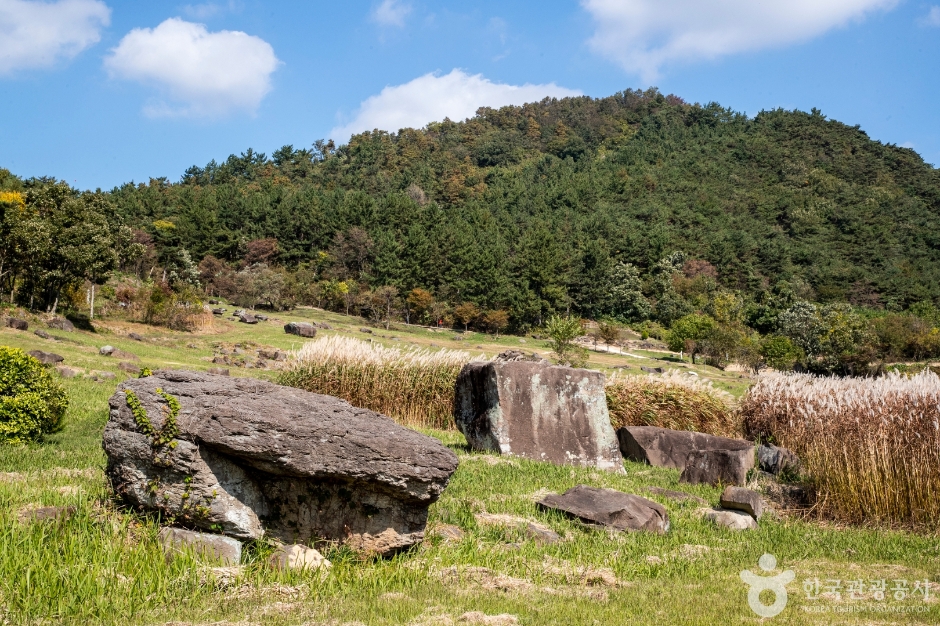
Gochang Dolmen Sites (UNESCO) representative scenic panoramaZoom


+1More
1 / 6
Gochang Dolmen Sites (UNESCO) representative scenic panorama
Curator's Guide & Overview
Comprehensive Guide1. Historical Origins & Cultural Background
Inscribed on the UNESCO World Heritage List in 2000 alongside Hwasun and Ganghwa, the Gochang Dolmen Sites preserve the planet’s dense and structurally diverse concentration of Bronze Age megalithic mortuary monuments. Centered along the gentle southern slopes of Mount Junggisan in Maesan Village, this remarkable prehistoric landscape contains 447 officially registered dolmens arrayed over a 1.8-kilometer transect. The Korean Peninsula hosts over 40% of all recorded dolmens on Earth (approximately 30,000 of the world's 70,000 megaliths), and Gochang is globally recognized as the epicenter of this prehistoric stone culture.
2. Architectural Highlights & Key Structures
What makes Gochang extraordinary to world archaeologists is the coexistence of every architectural classification of dolmen in a single micro-region. Visitors can marvel at imposing Northern-style (table-style) dolmens where massive horizontal capstones rest upon towering upright stone slabs, Southern-style (go-board or baduk-style) dolmens where colossal boulders weighing up to 300 metric tons rest atop low supporting stones, and Capstone-style (heeless) dolmens laid directly over subterranean stone burial chambers. Higher up the mountain slopes lies the ancient megalithic quarry, where prehistoric clans pried massive boulders from bedrock using wooden wedges soaked in water to split the rock naturally before transporting them on log rollers.
3. Four Seasons Landscape & Seasonal Visiting Charms
Spring brings pleasant walking weather across the grassy mounds, with bright yellow rapeseed blossoms, wild dandelions, and fresh greenery framing the ancient grey boulders. Summer offers lush green oak woodlands and clear skies, where travelers can ride the open-air Mororo Exploration Train beneath shaded pine boughs. Autumn provides ideal hiking conditions, with golden reed plumes rippling across the valley against deep blue skies. Winter casts a serene, contemplative silence over the prehistoric valley, as white snow caps the colossal capstones and frost outlines the megalithic chisel marks.
4. Operating Hours & Peak Viewing Times
The outdoor UNESCO Dolmen archaeological park is accessible daily 24 hours a day with open pathways. The Gochang Dolmen Museum and interactive prehistoric experience village operate Tuesday through Sunday from 09:00 to 18:00 (last entry at 17:00). The Mororo Exploration Train departs every 30 to 40 minutes from the museum plaza. Allow approximately 2.5 hours to tour the museum, ride the exploration train, and walk through the main dolmen clusters.
5. Admission Fees & Concessions (Youth/Foreigner Discounts)
Exploring the outdoor archaeological park on foot is completely free of charge. Admission to the indoor Gochang Dolmen Museum is 3,000 KRW for adults, 2,000 KRW for youth, and 1,000 KRW for children (admission tickets include a 1,000 KRW Gochang Love Gift Certificate usable at local eateries). Riding the charming Mororo Exploration Train costs 1,000 KRW for adults and 500 KRW for children. Large on-site parking is entirely free.
6. Public Transit & Subway Exit Directions
From Seoul, board the KTX to Jeongeup Station (approx. 1 hour 25 minutes). From Jeongeup Bus Terminal adjacent to the station, catch an intercity bus to Gochang Public Bus Terminal (approx. 40 minutes). From Gochang Terminal, board local rural buses bound for Asan or Seonunsa Temple and alight at the Dolmen Museum stop (approx. 10 minutes). A local taxi from Gochang Terminal takes 7 minutes and costs approximately 7,500 to 8,500 KRW.
7. Barrier-Free Accessibility & Visitor Amenities
The outdoor park features flat, gently winding decomposed granite pathways and timber boardwalks connecting the museum and the lower dolmen zones. It is an exceptional open-air barrier-free heritage park suitable for wheelchairs, mobility scooters, and strollers. The indoor museum has elevators to all exhibition floors, barrier-free restrooms, and offers complimentary wheelchair and stroller rentals at the reception desk. The Mororo Exploration Train includes boarding steps; folding wheelchairs can be stored on board.
8. Recommended Walking Route & Highlights Tour
Recommended 2.5-Hour Megalithic Voyage: Tour the Gochang Dolmen Museum 1st and 2nd floors to learn Bronze Age quarrying and burial rituals → Board the Mororo Exploration Train at the museum plaza → Ride past Prehistoric Experience Village into Cluster 1 and 2 → Disembark at Cluster 3 to view the massive 300-ton Go-board dolmens up close → Follow the gentle wooden forest boardwalk through Clusters 4 and 5 → Hike 15 minutes up the mountain path to inspect the ancient Megalithic Quarry and chiseled rock faces → Return to Gochang town for famous Pungcheon grilled eel.
9. Local Food Specialties & Regional Flavors
Gochang is celebrated across Korea for legendary culinary treasures rooted in its clean ocean breezes and fertile red-clay soil. Indulge in authentic Pungcheon Jangeo-gui (freshwater eel caught where the Seohae sea tides meet the freshwater river, charcoal-grilled with sweet-savory soy glaze or spicy red pepper paste). Pair your feast with world-renowned Gochang Bokbunja-ju (wild black raspberry wine fermented with local plateau berries), and savor Gochang Bapri (barley bibimbap) and fresh clam chowders.
10. Dietary Options (Vegetarian, Halal & Allergen Guide)
Vegetarian travelers will find wonderful options in Gochang: rustic Boribap (chewy local whole-grain barley bibimbap served with fresh mountain greens and savory soybean paste), acorn jelly salads, and crispy mung bean pancakes. Refreshing sweet treats include locally grown Gochang watermelon juice and sweet red bean jellies. Halal visitors can feast on Gochang’s world-class grilled Pungcheon freshwater eel, clam dishes, and vegetable barley bowls without restriction.
11. Signature Photo Spots & Golden Hour Lighting
Iconic photographic perspectives: framing a colossal 300-ton table-style dolmen against the emerald green mountain backdrop with a wide-angle lens, candid portraits walking along the scenic pine-bordered dirt paths between ancient megaliths, photographing the playful open-air Mororo train cruising through the grassy prehistoric valley, and dramatic sunset silhouettes of horizontal capstone slabs against fiery evening skies.
12. Visitor Etiquette & Cultural Property Regulations
Gochang Dolmen Sites are an irreplaceable UNESCO World Heritage sanctuary. Absolutely never climb, sit, or stand on top of any ancient dolmens; the stone structures and underlying earth are fragile and protected by strict cultural heritage laws. Do not chisel, scratch, or write graffiti on the stones. Keep to designated stone pathways and take all trash back to the visitor center. Smoking is strictly prohibited.
13. Safety Precautions & 1330 Tourism Hotline Support
The outdoor walking trails span over 1.8 kilometers across open fields, so wear comfortable walking shoes and bring sun protection (parasols, hats) in summer. In spring and autumn, light jackets are recommended. For guided heritage tours or group education programs, contact the Gochang Dolmen Museum Office at 063-560-8666 or call 1330.
14. Nearby Connected Attractions & Walking Links
Combine your visit with Gochang’s other celebrated attractions: historic Gochangeupseong Fortress (a pristine Joseon-era stone walled fortress famed for the stone-carrying ritual) is just 10 minutes away by car, while thousand-year-old Seonunsa Temple and the Seohae tidal mudflats are 20 minutes to the west.
15. Frequently Asked Questions (FAQ)
Q: Why are there so many dolmens in Gochang? A: Gochang possessed an ideal combination of fertile alluvial plains for Bronze Age rice agriculture, a navigable coastal river network, and abundant nearby volcanic rhyolite and granite bedrock hills that provided easily cleavable stone for quarrying. Q: How were these massive 300-ton stones moved? A: Bronze Age clans employed collective manpower: they placed heavy logs beneath the stones as rollers, pulling them forward with ropes braided from wild hemp, demonstrating extraordinary ancient engineering collaboration.
16. Regional Extended Day Trip Itinerary
Gochang UNESCO Heritage & Healing Day Tour: KTX to Jeongeup Station → Short bus or taxi to Gochang Dolmen Museum → Explore the 3D prehistoric cinema and museum exhibits → Ride the Mororo Exploration Train across the 447-dolmen field → Walk through the ancient megalithic quarry → Savor charcoal-grilled Pungcheon eel and Bokbunja wine for lunch → Afternoon visit to Gochangeupseong Fortress to walk the stone ramparts → Stroll through the bamboo groves → Evening return via Jeongeup KTX.
Essential Visitor Facts
Operating Hours
Outdoor Dolmen Park open daily 24/7; Gochang Dolmen Museum: Daily 09:00 - 18:00 (Entry closes 17:00; Closed Mondays and Jan 1)
Admission / Price
Outdoor Dolmen Park Free; Museum: Adults 3,000 KRW, Youth 2,000 KRW, Children 1,000 KRW; Mororo Exploration Train: 1,000 KRW; Parking Free
Closed Days
Closed on Mondays/Tuesdays
Best Time to Visit
Morning (around 09:30-10:00)
Transit & Access Directions
From KTX Jeongeup Station, take an intercity bus to Gochang Bus Terminal (approx. 40 mins), then take local rural bus to Dolmen Museum stop (approx. 10 mins, or taxi 7 mins / 8,000 KRW)
Accessibility & Special Amenities
Wheelchair ramps, tactile paving, accessible restrooms
Location Coordinates
Latitude: 35.4512
Longitude: 126.6452
Discover Themes & Highlights
Key interest areas and cultural highlights:
#gochang-dolmen-sites#VisitJeonbuk#KoreaTravelAtlas
Community Traveler Reviews0 Reviews
Visitor tips, feedback, and questions submitted by real travelers.
No community reviews submitted yet. Be the first traveler to share your experience!
Connected Cultural Destinations
Handpicked nearby attractions and regional cultural highlights.

Seoraksan National Park (Sinheungsa)
설악산국립공원 (신흥사)1055 Seoraksan-ro, Sokcho-si, Gangwon-do
Seoraksan National Park, sprawling across Sokcho, Inje, and Yangyang in Gangwon-do, is a UNESCO Biosphere Reserve celebrated for its jagged granite spires, pristine mountain cascades, and rich biod...
Morning (around 09:30-10:00)
Details→
Jeonju Hanok Village
전주한옥마을Jeonju Hanok Village, Jeonju, Jeonbuk, South Korea
Jeonju Hanok Village encompasses over 700 traditional Korean tiled homes nestled within the historic downtown core of Jeonju. Designated as an International Slow City, the village preserves authent...
Morning (around 09:30-10:00)
Details→
Byeonsanbando Chaeseokgang Cliff
변산반도 채석강Byeonsanbando Chaeseokgang Cliff, Buan, Jeonbuk, South Korea
Byeonsanbando Chaeseokgang Cliff is South Korea’s premier coastal geological spectacle, famed for 70-million-year-old Cretaceous sedimentary strata resembling tens of thousands of stacked ancient b...
Morning (around 09:30-10:00)
Details→
Suncheonman Bay Wetland Reserve
순천만습지Suncheonman Bay Wetland Reserve, Suncheon, Jeonnam, South Korea
Suncheonman Bay Wetland Reserve is a world-class UNESCO coastal biosphere reserve covering 28 square kilometers of expansive tidal mudflats and the densest natural reed forest in South Korea. The b...
Morning (around 09:30-10:00)
Details→