Jeonbuk•Buan•Nature•Mountain & Trail
Byeonsanbando Chaeseokgang Cliff
변산반도 채석강
Powered by Korea Tourism OrganizationAddress: Byeonsanbando Chaeseokgang Cliff, Buan, Jeonbuk, South Korea (전북특별자치도 부안군 변산면 격포리 301-1 (격포항 채석강))
Editorial review pending

Byeonsanbando Chaeseokgang Cliff representative scenic panoramaZoom


+1More
1 / 6
Byeonsanbando Chaeseokgang Cliff representative scenic panorama
Curator's Guide & Overview
Comprehensive Guide1. Historical Origins & Cultural Background
Designated as Scenic Site No. 28 and anchoring the marine sector of Byeonsanbando National Park, Chaeseokgang Cliff is one of the most stunning geological formations on the Korean Peninsula. Located at the western tip of the peninsula overlooking the Yellow Sea, the cliff takes its name from China’s famed Caishiji River, where the legendary Tang Dynasty poet Li Bai was said to have drowned while drunkenly attempting to embrace the reflection of the moon. Rather than a river, however, Korea’s Chaeseokgang is an imposing ocean cliff sculpted from dark grey sedimentary shale, sandstone, and conglomerate rock formed approximately 70 million years ago during the late Cretaceous Period.
2. Architectural Highlights & Key Structures
The visual hallmark of Chaeseokgang is its miraculous stratified bedding: millions of razor-thin geological sediment layers have been compacted, uplifted, faulted, and then carved away by relentless Yellow Sea waves over millennia. The resulting cliff faces look astonishingly like tens of thousands of ancient parchment books stacked in orderly bookshelves stretching for over 1.5 kilometers along Gyeokpo Port and Gyeokpo Beach. At low tide, the receding waters expose a vast, flat wave-cut bench (wave-cut platform) riddled with marine potholes, sea anemones, and coastal caves (Haesikdonggul). The most celebrated sea cave frames the open ocean like an arched keyhole, creating South Korea’s most viral silhouette sunset photo.
3. Four Seasons Landscape & Seasonal Visiting Charms
Spring brings refreshing sea breezes, bright blue skies, and mild coastal weather ideal for exploring the tide pools with family. Summer attracts beachgoers and geology enthusiasts alike, combining refreshing dips at adjacent Gyeokpo Beach with coastal cave walks at sunset. Autumn provides the crispest atmospheric transparency, when fiery orange sunsets paint the stacked shale layers in warm metallic bronze. Winter offers a wild, untamed coastal beauty, with icy sea spray crashing against the ancient conglomerate rocks under whipping winter winds.
4. Operating Hours & Peak Viewing Times
The open ocean cliffs are accessible daily 24 hours a day, but visits must be carefully coordinated with local tidal tables (Mullyeok). Walking along the wave-cut platform and entering the sea cave is safe only during the low tide window—roughly two hours before and two hours after the lowest tide point of each day. During high tide, the surging Yellow Sea completely submerges the rocks, cutting off exit routes. Check real-time tide times at the Gyeokpo Harbor Master Office or online via the Korea Hydrographic and Oceanographic Agency before descending to the shore.
5. Admission Fees & Concessions (Youth/Foreigner Discounts)
Admission to Chaeseokgang Cliff and Byeonsanbando National Park is completely free. Generous public parking is available free of charge at both Gyeokpo Port Marina and the Gyeokpo Beach entrance.
6. Public Transit & Subway Exit Directions
From Seoul, board the KTX to KTX Jeongeup Station or KTX Iksan Station (approx. 1 hour 15 to 25 minutes). From Jeongeup or Iksan, take an intercity bus to Buan Intercity Bus Terminal (approx. 30-40 minutes). From Buan Bus Terminal, board local Rural Bus 100 or 200 directly to Gyeokpo Bus Terminal (approx. 40-50 minutes, running every 20-30 minutes). From Gyeokpo Terminal, Chaeseokgang Cliff and Gyeokpo Port are an easy 5-minute walk. Taxis from Buan town center cost roughly 25,000 to 28,000 KRW.
7. Barrier-Free Accessibility & Visitor Amenities
The upper coastal bluffs feature the paved Gyeokpo Marine Walkway and elevated wooden boardwalks, which offer panoramic views of the stacked cliffs from above and are fully accessible to strollers and wheelchairs. However, descending to the wave-cut rock platform and entering the sea cave requires navigating uneven, slippery rocky surfaces and tidal boulders that are not suitable for wheeled mobility devices. Accessible public restrooms and parking bays are located at Gyeokpo Port Visitor Center and Gyeokpo Beach Plaza.
8. Recommended Walking Route & Highlights Tour
Recommended 2.5-Hour Tidal Wonder Circuit: Time your arrival 1.5 hours prior to lowest tide → Descend the stairs from Gyeokpo Port to the exposed wave-cut rock bench → Marvel at the millions of thin book-stack rock layers towering overhead → Step inside the Gyeokpo Haesikdonggul sea cave and capture your silhouette against the ocean light → Explore tidal pools filled with small hermit crabs and sea anemones → Ascend to the cliff-top wooden deck toward Dakbawi Rock → Enjoy a bubbling hot bowl of fresh Buan Baekhap-juk (clam porridge) at Gyeokpo Port.
9. Local Food Specialties & Regional Flavors
Buan is universally celebrated along the Honam coastline as the capital of clam gastronomy. The star delicacy is Baekhap-juk (luxurious rice porridge simmered with fresh wild clams, sesame oil, and mung beans), known as the 'queen of clams' for its tender, sweet flavor. Savor Bajirak-juk (chewy shortneck clam porridge), spicy Kkotgetang (blue crab stew), Pulchi-jorim (braised young hairtail fish basted in spicy soy sauce), and Buan Bapri with seasonal salted fish (Jeotgal) from nearby Gomso Port.
10. Dietary Options (Vegetarian, Halal & Allergen Guide)
Vegetarian travelers can easily enjoy plant-based dining in Buan: request vegetable porridge (Yachae-juk) prepared without clam broth, savory Dotorimuk (acorn jelly salad), Gamjajeon (potato pancakes), and Sanchae Bibimbap served with wild mountain herbs. Don’t miss sampling Buan’s famous Mulberry (Odi) treats, including fresh mulberry juice, sweet mulberry jelly, and dried mulberry pastries. Halal visitors can feast safely on the abundant clam porridges, grilled fish banquets, crab stews, and fresh seafood without pork concerns.
11. Signature Photo Spots & Golden Hour Lighting
Iconic photographic compositions: standing inside the mouth of the Gyeokpo sea cave shooting outward toward the ocean so the cave walls frame your body in a dramatic dark silhouette against the fiery setting sun, wide-angle low shots capturing the reflection of the stacked rock strata in standing tide pools, and sweeping views from the upper wooden observation pavilion overlooking Gyeokpo Port lighthouse.
12. Visitor Etiquette & Cultural Property Regulations
Safety on the rocks is paramount. Never enter the sea cave or rock bench during rising tides or rough sea advisories; rising tides can trap hikers against vertical cliffs within minutes. Wear shoes with slip-resistant rubber soles, as wet algae-covered rocks are extremely slick. Do not chip off, climb, or take pieces of the fragile fossilized shale. Smoking is strictly prohibited across the national park coastal zone.
13. Safety Precautions & 1330 Tourism Hotline Support
Sturdy athletic sneakers or hiking shoes with deep tread are essential for walking across the wet tidal rocks; sandals and high heels should be avoided. Check the daily tide chart (Gyeokpo Low Tide Time) before setting out. For tide verification and guided park info, call the Byeonsanbando National Park Office at 063-582-7808 or call 1330.
14. Nearby Connected Attractions & Walking Links
Combine your visit with other Buan attractions: historic Naesosa Temple (famous for its majestic 600-meter Fir Tree Forest Path) is 25 minutes to the south, while the sparkling salt pans of Gomso Salt Fields and Gomso Jeotgal Market are 30 minutes away.
15. Frequently Asked Questions (FAQ)
Q: How did the cliffs get their 'stacked book' appearance? A: During the Cretaceous Period, seasonal sediment washed into a deep freshwater lake bed, forming thousands of thin alternating layers of mud, silt, and sand; intense geological pressure turned these into shale and sandstone, which ocean waves later sliced vertically like a geological layer cake. Q: When is the best time to enter the sea cave? A: Exactly 1 hour before to 1 hour after the official daily low tide (ganjo) time, preferably when low tide coincides with the late afternoon sunset between 17:00 and 19:30.
16. Regional Extended Day Trip Itinerary
Byeonsanbando Geological Coast & Temple Day Tour: KTX to Jeongeup Station → Bus to Buan and Gyeokpo Harbor → Check tide time and walk the wave-cut platform at Chaeseokgang Cliff → Silhouette photoshoot inside the famous Gyeokpo sea cave → Savory Baekhap clam porridge lunch at Gyeokpo Port → 25-minute drive to ancient Naesosa Temple → Meditative walk through the towering Fir Forest trail → Admire Naesosa Daeungbojeon’s flower lattice woodcarvings → Evening return via Jeongeup KTX.
Essential Visitor Facts
Operating Hours
Open daily 24/7 (Coastal wave-cut platform strictly accessible only during low tide window: approx. 2 hrs before and after low tide)
Admission / Price
Free admission to national park and coastal cliffs; Gyeokpo Port public parking free
Closed Days
Open 365 Days
Best Time to Visit
Morning (around 09:30-10:00)
Transit & Access Directions
From KTX Jeongeup Station or Buan Intercity Bus Terminal, take local Buan Rural Bus 100 or 200 series directly to Gyeokpo Terminal (approx. 40-50 mins from Buan, departures every 20-30 mins)
Accessibility & Special Amenities
Wheelchair ramps, tactile paving, accessible restrooms
Location Coordinates
Latitude: 35.6265
Longitude: 126.4685
Discover Themes & Highlights
Key interest areas and cultural highlights:
#byeonsanbando-chaeseokgang#VisitJeonbuk#KoreaTravelAtlas
Community Traveler Reviews0 Reviews
Visitor tips, feedback, and questions submitted by real travelers.
No community reviews submitted yet. Be the first traveler to share your experience!
Connected Cultural Destinations
Handpicked nearby attractions and regional cultural highlights.

Nami Island (Chuncheon)
춘천 남이섬Nami Island (Chuncheon), Chuncheon, Gangwon, South Korea
Nami Island is South Korea’s globally acclaimed storybook cultural crescent island in Chuncheon, celebrated worldwide as the romantic birthplace of the Korean Wave (Hallyu) via ‘Winter Sonata’, fea...
Morning (around 09:30-10:00)
Details→
Taean Coast (Kkotji Sunset Beach)
태안 꽃지해수욕장Taean Coast (Kkotji Sunset Beach), Taean, Chungnam, South Korea
Taean Kkotji Beach is the premier coastal sanctuary of Taean Coast National Park on Anmyeondo Island, immortalized by Halmi and Harabi (Grandmother and Grandfather) sea stacks framing South Korea’s...
Morning (around 09:30-10:00)
Details→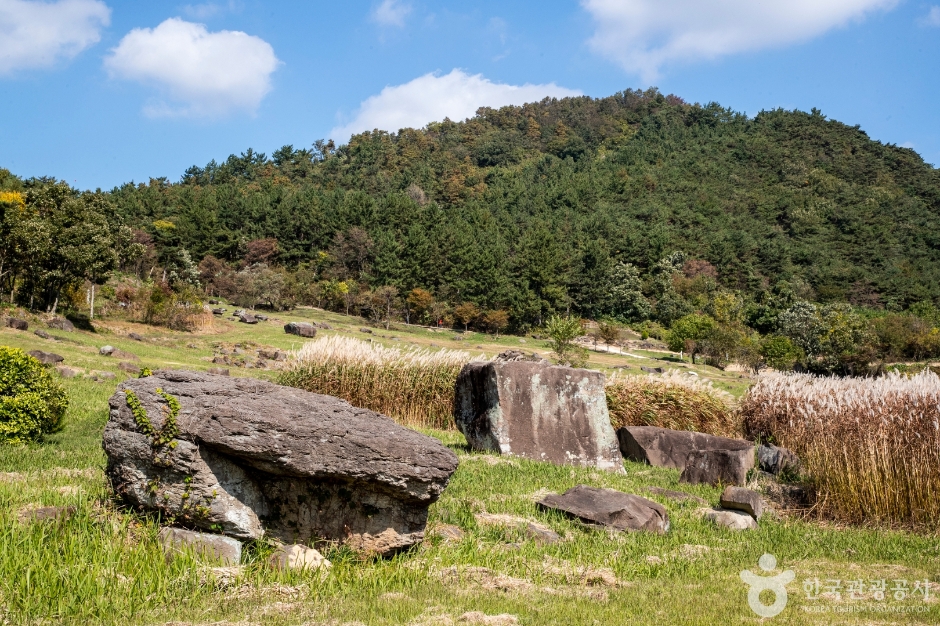
Gochang Dolmen Sites (UNESCO)
고창 고인돌유적Gochang Dolmen Sites (UNESCO), Gochang, Jeonbuk, South Korea
Gochang Dolmen Sites is a UNESCO World Heritage prehistoric landscape preserving the world’s densest and most structurally diverse concentration of Bronze Age megalithic tombs, featuring 447 regist...
Morning (around 09:30-10:00)
Details→
Daepo Jusangjeolli Hexagonal Lava Cliffs
대포 주상절리대Daepo Jusangjeolli Hexagonal Lava Cliffs, Seogwipo, Jeju, South Korea
Daepo Jusangjeolli is a UNESCO Global Geopark marvel and Natural Monument No. 443, featuring colossal hexagonal and polygonal columnar basalt sea cliffs towering 20 to 30 meters above the roaring s...
Morning (around 09:30-10:00)
Details→