Gyeongnam•Haman•Nature•Scenic Nature Spot
Haman Lotus Theme Park
함안 연꽃테마파크
Powered by Korea Tourism OrganizationAddress: Haman Lotus Theme Park, Haman, Gyeongnam, South Korea (경상남도 함안군 가야읍 왕궁1길 38-8 (가야리 연꽃테마파크))
Editorial review pending

Haman Lotus Theme Park representative scenic panoramaZoom



+1More
1 / 6
Haman Lotus Theme Park representative scenic panorama
Curator's Guide & Overview
Comprehensive Guide1. Historical Origins & Cultural Background
Haman Lotus Theme Park, sprawling across an expansive 109,000 square meters in Gaya-eup, Haman County, is South Korea’s most miraculous botanical and historical sanctuary. The park is internationally celebrated as the cradle of the 'Ara Hongryeon' (Ara Red Lotus)—a living botanical miracle resurrected from the medieval past. In May 2009, during archaeological excavations at the nearby 6th-century Seongsan Mountain Fortress, archaeologists unearthed ancient lotus seeds buried in anaerobic peat mud layers. Radiocarbon testing at the Korea Institute of Geoscience and Mineral Resources confirmed the seeds were approximately 700 years old, dating precisely to the Goryeo Dynasty (c. 1300 AD). In 2010, agricultural scientists miraculously germinated these medieval seeds, reviving an ancient lotus variety with pure, slender petals and a subtle reddish-pink gradient unseen in modern hybrids.
2. Architectural Highlights & Key Structures
The theme park is laid out over an ancient floodplain marshland once occupied by the royal palace grounds of Ara Gaya (one of the prominent Gaya kingdoms). The vast wetland is systematically segmented into specialized ecological zones showcasing over 50 varieties of aquatic flora: the sacred 700-year-old Ara Hongryeon, the pristine snow-white Beopsu Okryeon (a treasured indigenous water lotus native to Haman’s wetlands), fragrant tropical water lilies, and the colossal, floating thorny leaves of endangered Euryale ferox (Gasi-yeon). Over 3 kilometers of elevated wooden boardwalks, zig-zagging footbridges, and traditional shade pavilions weave gracefully across the water, allowing visitors to walk directly amidst towering green lotus leaves reaching head height.
3. Four Seasons Landscape & Seasonal Visiting Charms
While the park offers peaceful natural wetland walks throughout all four seasons, summer is the visual and sensory zenith. Summer (late June through August) brings the immortal flowering peak: millions of lotus flowers burst into bloom, releasing a sweet, refreshing botanical perfume across the morning breeze as dragonflies hover above pink and white blossoms. Spring (March to May) features fresh green reeds, blooming water irises, and ducklings paddling among awakening lily pads. Autumn (September to October) transforms the wetland into an amber sanctuary of drying seed pods and golden marsh grasses against deep blue skies. Winter brings meditative serenity, as morning frosts dust the sleeping reed beds. Twilight visits are magical, with colorful LED pathway lights illuminating the floating petals until 22:00.
4. Operating Hours & Peak Viewing Times
The park is open 24 hours daily year-round with completely unrestricted access. Because lotus blossoms naturally open their petals in the early morning sunlight and slowly close them by the afternoon heat, the prime visiting hours are early morning from 06:00 to 11:00. Early arrivals are rewarded with pristine, fully unfurled blossoms covered in sparkling morning dew and soft photography lighting. Plan roughly 1.5 to 2 hours to walk the entire network of wooden boardwalks, visit the observation pavilion, and explore the adjacent Haman Museum.
5. Admission Fees & Concessions (Youth/Foreigner Discounts)
Admission to Haman Lotus Theme Park, its boardwalk trails, observation gazebos, and public parking is completely FREE of charge. Visitors can enjoy this world-class botanical wonder without spending a single won.
6. Public Transit & Subway Exit Directions
From Seoul Station or Dongdaegu Station, take the high-speed KTX or Mugunghwa train directly to KTX Haman Station (approx. 2 hours 50 minutes on KTX). From Haman Station, a taxi reaches the lotus park entrance in just 5 minutes (approx. 4,500 KRW). Alternatively, take a direct intercity bus from Busan Seobu (Sasang) Bus Terminal to Haman Intercity Terminal (approx. 50 minutes, departing every 30 minutes); from Haman Terminal, take a local bus or 5-minute taxi to the park. Driving from Masan or Changwon takes only 25 minutes via the Namhae Expressway (exit at Haman IC).
7. Barrier-Free Accessibility & Visitor Amenities
Haman Lotus Theme Park is exceptionally well-suited for visitors with limited mobility. The park perimeter is completely flat, smoothly paved, and step-free. The extensive network of wooden boardwalks floating over the lotus ponds features wide, flat planks and gentle ramps with protective safety railings, effortlessly accommodating strollers, manual wheelchairs, and electric mobility scooters. Shaded resting gazebos are built directly over the water with wheelchair-accessible platforms. Fully accessible public restrooms are situated at the park entrance and adjacent sports park.
8. Recommended Walking Route & Highlights Tour
Recommended 2-Hour 700-Year Miracle Lotus Walk: Arrive early in the morning at the park entrance plaza → Step onto the floating wooden boardwalk leading into the Ara Hongryeon Zone → Marvel at the pure, slender petals of the 700-year-old resurrected Goryeo lotus, taking close-up photographs of dewdrops resting on the giant hydrophobic leaves → Walk along the zig-zagging footbridge to the Beopsu Okryeon pond to admire the fragrant white blossoms → Ascend the central wooden observation tower for a panoramic aerial view across 109,000 square meters of green lotus waves → Stroll through the tropical water lily beds featuring vibrant violet and yellow flowers → Rest in the shaded Yeonwooru Pavilion feeling the cool wetland breeze → Walk 5 minutes to the adjacent Haman Museum to inspect the ancient tumuli of Ara Gaya → Head into Gaya town to savor a piping hot bowl of authentic Haman Beef Soup for lunch.
10. Dietary Options (Vegetarian, Halal & Allergen Guide)
Vegetarians will find enjoyable options in Haman: sample fragrant Yeonip-bap (steamed sticky rice wrapped in fresh lotus leaves with nuts and beans), crispy pan-fried lotus root, acorn jelly salad, and fresh mountain vegetable bibimbap at local restaurants near the park. Haman watermelon, iced persimmon smoothies, and sweet lotus tea provide refreshing plant-based refreshments. Halal and pescatarian travelers can savor freshwater fish stews (Minmul Maeuntang), grilled deodeok root, pan-fried lotus root cakes, and rich vegetable bibimbap prepared without meat or pork broths.
11. Signature Photo Spots & Golden Hour Lighting
Signature photographic perspectives: a macro close-up of a fully opened Ara Hongryeon blossom with a glistening morning dewdrop balanced in its center; standing on the wooden boardwalk flanked on both sides by giant emerald lotus leaves towering higher than shoulder level; panoramic wide-angle shots from the central Yeonwooru observation deck capturing the vast green sea of lotus leaves stretching to the horizon; and soft golden-hour portraits at sunset as twilight LEDs begin to illuminate the water reflections.
12. Visitor Etiquette & Cultural Property Regulations
Wetland conservation rules: The lotus theme park is a delicate aquatic ecosystem. Never pluck lotus flowers, break lotus leaves, or pick seed pods (taking lotus seeds is illegal and subject to fines). Walk strictly on wooden boardwalks and never step into the muddy wetland water. Do not throw coins, food, or garbage into the ponds. Keep dogs on leashes and clean up waste immediately. Bicycles and motorized scooters are prohibited on the wooden boardwalks for pedestrian safety. Smoking is strictly prohibited throughout the park.
13. Safety Precautions & 1330 Tourism Hotline Support
Because the vast lotus wetland has limited tree shade along the water boardwalks, wearing a wide-brimmed sun hat, sunglasses, and sunscreen is essential, especially in summer. Arriving before 09:30 avoids intense mid-day heat and guarantees the lotus petals remain wide open. For bloom status and eco-tour bookings, contact the Haman County Agricultural Technology Center at 055-580-4521 or dial 1330.
14. Nearby Connected Attractions & Walking Links
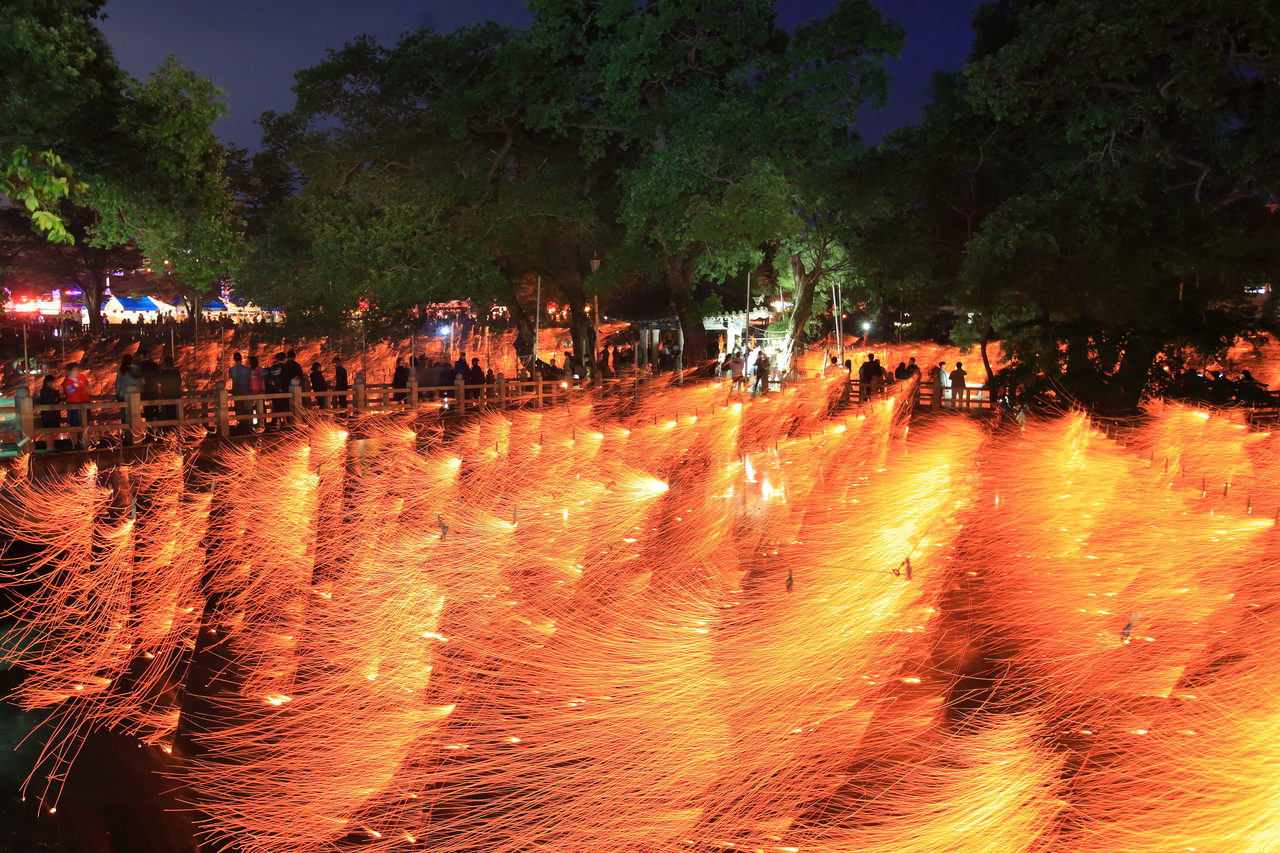
Nearby attractions: visit the adjacent Haman Museum and explore the ancient UNESCO World Heritage Marisan Tumuli (magnificent 5th-century burial mounds of Ara Gaya); visit the historic Mujinjeong Pavilion overlooking a tranquil pond where the annual Haman Nakhwanori (traditional Korean fire-flower fireworks festival) is held; or visit the nearby fortress of Seongsan Sanseong where the ancient lotus seeds were excavated.
15. Frequently Asked Questions (FAQ)
Q: How could lotus seeds survive 700 years underground and still sprout? A: Lotus seeds possess extraordinarily hard, dense outer coats that are completely impermeable to water and air, and they contain special repair enzymes; buried deep beneath Seongsan Mountain Fortress in cold, oxygen-free anaerobic peat mud, the seeds entered a state of cryptobiosis (suspended animation) until archaeologists unearthed them and botanists carefully scarified the hard seed coats to allow water absorption, triggering miraculous germination. Q: What makes the Ara Hongryeon different from modern lotus flowers? A: Unlike modern lotus varieties that have been bred to be dark pink with round, overlapping petals, the ancient Ara Hongryeon features pure, elongated, pointed petals that are ivory-white at the base and subtly blush into soft magenta-pink at the tips, maintaining the exact graceful form depicted in Goryeo Dynasty Buddhist paintings.
16. Regional Extended Day Trip Itinerary
Haman 700-Year Miracle Lotus & Ancient Gaya Day Tour: Morning KTX arrival at Haman Station → 5-minute taxi to Haman Lotus Theme Park → Walk the floating boardwalks early to view the 700-year-old Ara Hongryeon blossoms covered in morning dew → Climb the observation tower for panoramic wetland photos → Relax with iced lotus leaf tea and sweet Haman watermelon juice at the park cafe → Walk across to the UNESCO World Heritage Marisan Tumuli and Haman Museum → Lunch at the historic market savoring authentic Haman Beef Soup → Afternoon visit to picturesque Mujinjeong Pavilion → Return via KTX Haman Station.
Essential Visitor Facts
Operating Hours
Open 24/7 year-round (free pedestrian access); optimal blooming viewing hours: 06:00 - 11:00 in summer (July to August) when lotus blossoms open their petals; night lighting operates until 22:00.
Admission / Price
FREE ADMISSION to the entire lotus wetland park, wooden boardwalks, observation pavilions, and municipal parking.
Closed Days
Open 365 Days
Best Time to Visit
Morning (around 09:30-10:00)
Transit & Access Directions
From KTX Haman Station or Haman Intercity Bus Terminal, take local Rural Bus (Gaya-Gunbuk route) to Haman Stadium / Lotus Park stop (approx. 7-10 minutes), or take a 5-minute taxi (approx. 4,500 KRW).
Accessibility & Special Amenities
Wheelchair ramps, tactile paving, accessible restrooms
Location Coordinates
Latitude: 35.2712
Longitude: 128.4085
Discover Themes & Highlights
Key interest areas and cultural highlights:
#haman-lotus-theme-park#VisitGyeongnam#KoreaTravelAtlas
Community Traveler Reviews0 Reviews
Visitor tips, feedback, and questions submitted by real travelers.
No community reviews submitted yet. Be the first traveler to share your experience!
Connected Cultural Destinations
Handpicked nearby attractions and regional cultural highlights.

Asan Oeam Folk Village
아산 외암민속마을Asan Oeam Folk Village, Asan, Chungnam, South Korea
Asan Oeam Folk Village is an authentic 500-year-old living Joseon Dynasty clan hamlet, famed for 5.3 kilometers of mossy stacked stone walls, tile-roofed noble estates, thatched commoner cottages, ...
Morning (around 09:30-10:00)
Details→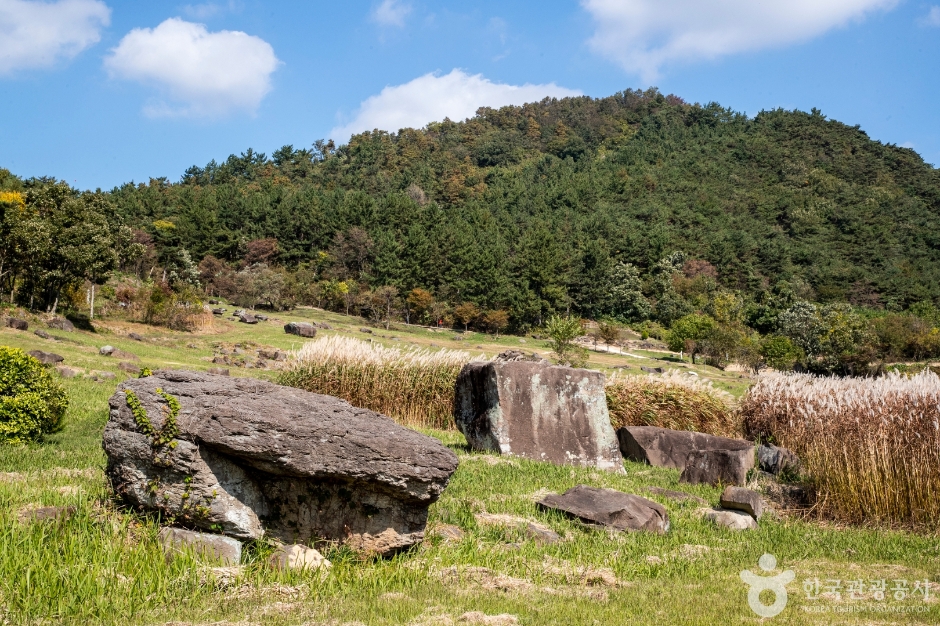
Gochang Dolmen Sites (UNESCO)
고창 고인돌유적Gochang Dolmen Sites (UNESCO), Gochang, Jeonbuk, South Korea
Gochang Dolmen Sites is a UNESCO World Heritage prehistoric landscape preserving the world’s densest and most structurally diverse concentration of Bronze Age megalithic tombs, featuring 447 regist...
Morning (around 09:30-10:00)
Details→
Damyang Juknokwon Bamboo Forest
담양 죽녹원Damyang Juknokwon Bamboo Forest, Damyang, Jeonnam, South Korea
Damyang Juknokwon is South Korea’s premier 31-hectare bamboo sanctuary, featuring eight meditative forest trails beneath towering green bamboo canopies, rich phytoncide breezes, traditional scholar...
Morning (around 09:30-10:00)
Details→
Bonghwa Baekdudaegan National Arboretum
국립백두대간수목원 (호랑이숲)Bonghwa Baekdudaegan National Arboretum, Bonghwa, Gyeongbuk, South Korea
Baekdudaegan National Arboretum in Bonghwa is Asia’s largest alpine arboretum (5,179 hectares), internationally renowned as the guardian of the Baekdudaegan mountain ecosystem, housing the impenetr...
Morning (around 09:30-10:00)
Details→