Gyeongnam•Miryang•Heritage•Historic Landmark
Miryang Yeongnamnu Pavilion
밀양 영남루
Powered by Korea Tourism OrganizationAddress: Miryang Yeongnamnu Pavilion, Miryang, Gyeongnam, South Korea (경상남도 밀양시 중앙로 324 (내일동 영남루))
Editorial review pending

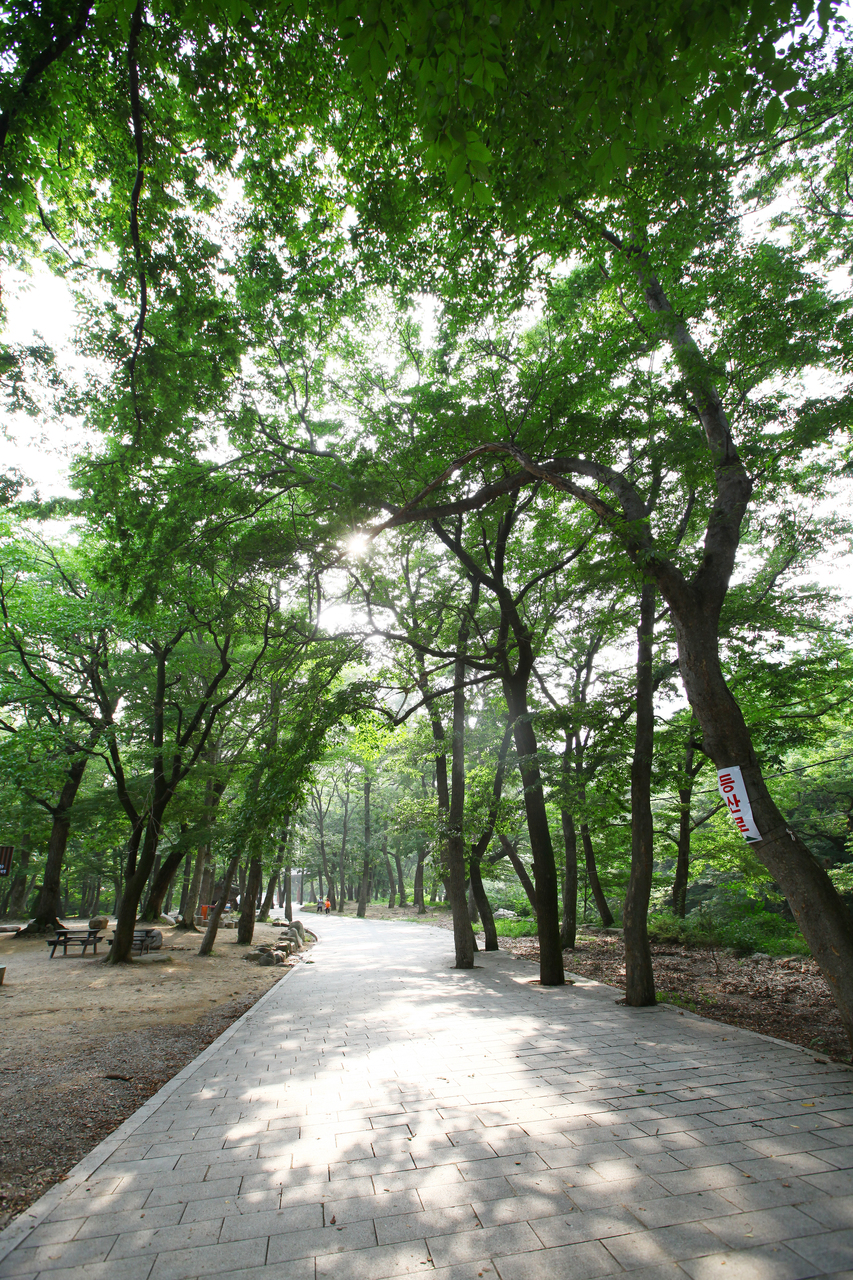
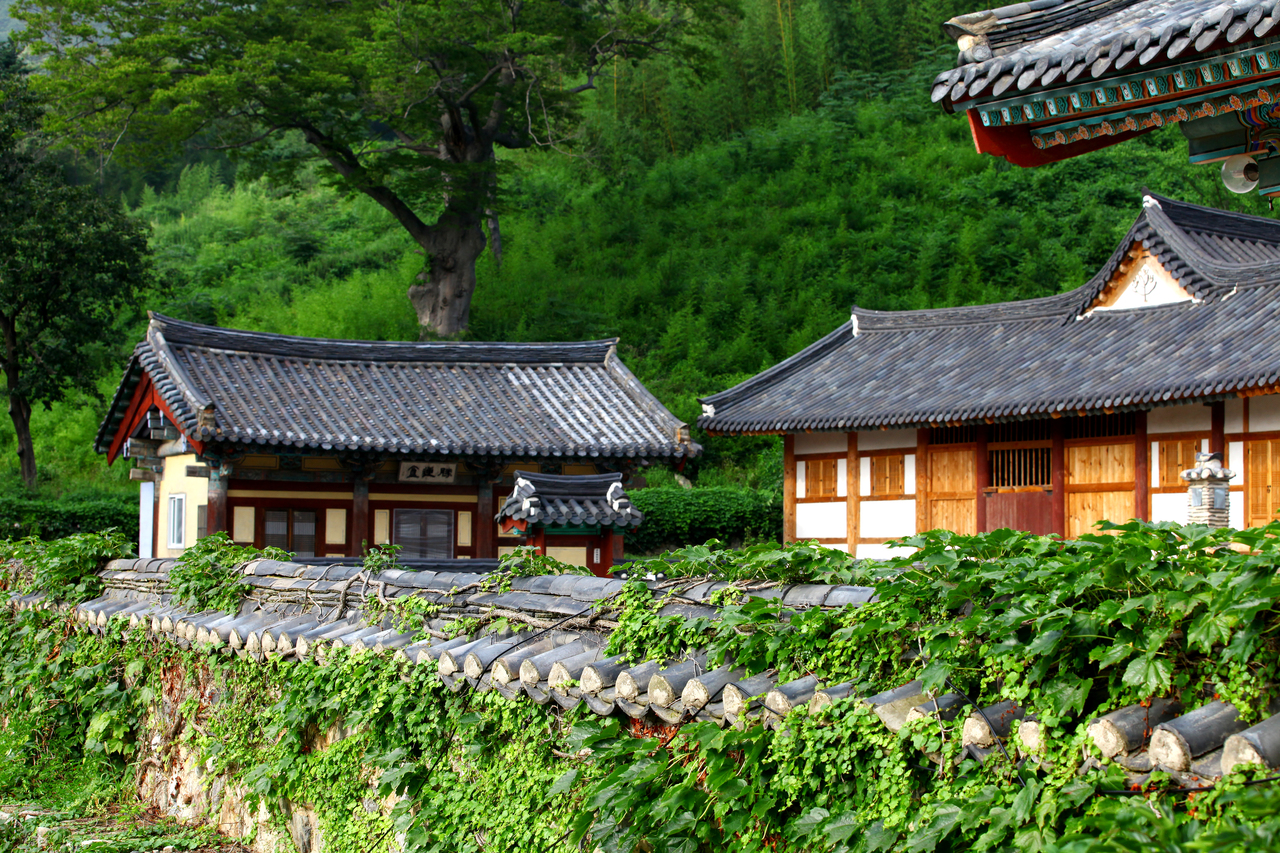
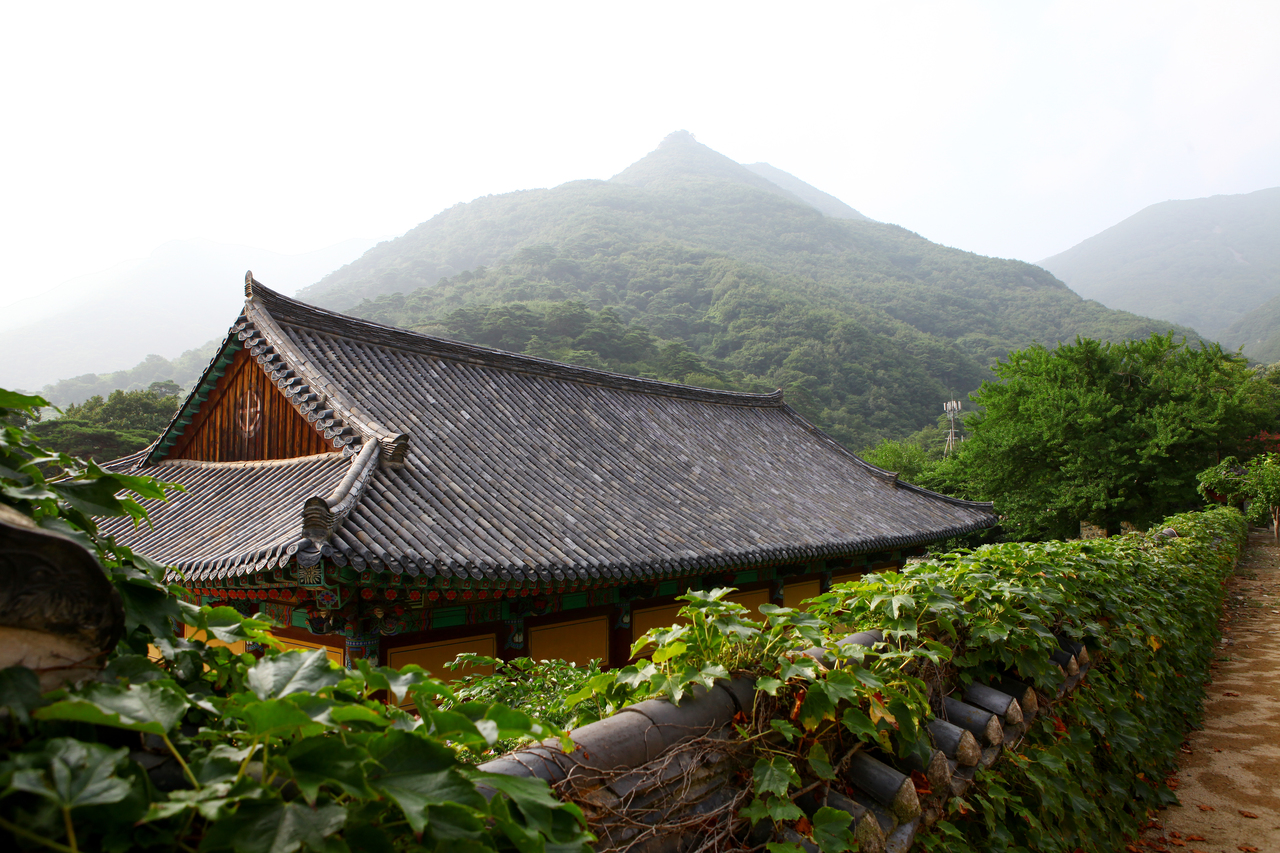
Miryang Yeongnamnu Pavilion representative scenic panoramaZoom

+1More
1 / 6
Miryang Yeongnamnu Pavilion representative scenic panorama
Curator's Guide & Overview
Comprehensive Guide1. Historical Origins & Cultural Background
Miryang Yeongnamnu Pavilion, officially elevated to the prestigious status of National Treasure in December 2023, is widely revered alongside Pyongyang's Bubyeongnu and Jinju's Chokseongnu as one of the three supreme wooden pavilions in Korean architectural history. Perched majestically atop a sheer rocky cliff overlooking the placid, curving waters of the Miryanggang River, this site originally housed Yeongnam Temple during the Unified Silla Dynasty before being converted into a royal guest pavilion during the Goryeo Dynasty in 1365. Faithfully rebuilt in 1844 following a fire during the late Joseon Dynasty under Magistrate Lee In-sik, Yeongnamnu stands as the pinnacle of late-Joseon monumental carpentry.
2. Architectural Highlights & Key Structures
The architectural design of Yeongnamnu is utterly unique in East Asia. The main two-story pavilion (Jeongmyeon 5-kan, Cukmyeon 4-kan) features monumental round wooden pillars resting on natural uncut stone bases, covered by an elaborate hipped-and-gabled roof (Paljakjibung) that seems to float over the water. Flanking the main hall on the east and west are two satellite pavilions: Neungheomun Gate and Chimnyuru Pavilion. Most extraordinary is the connection between the main pavilion and Chimnyuru: because of the sloping, uneven rocky terrain, master carpenters designed 'Wolnyongru'—a covered, stepped zig-zag wooden staircase with five distinct cascading rooflines that descend in rhythm with the bedrock, resembling the undulating spine of an ascending dragon. The ceiling inside the pavilion features calligraphic placards written by prominent historical figures, including child prodigies Lee Hyeon-seok (aged 11) and Lee Jeung-seok (aged 7).
3. Four Seasons Landscape & Seasonal Visiting Charms
Yeongnamnu radiates seasonal harmony across all four seasons. Spring (March to May) carpets the fortress hill in pale pink cherry blossoms and yellow forsythia, with willow trees weeping over the sparkling riverbanks. Summer (June to August) is celebrated for its cool natural ventilation: climbing into the open-sided pavilion, removing shoes, and sitting on the wide wooden ondol floorboards allows cooling river drafts to wash away the summer heat. Autumn (September to November) brings the annual Miryang Arirang Festival, with golden gingko leaves framing the ancient roofs and lanterns illuminating the water. Winter offers meditative peace, as snow outlines the cascading multi-tiered roofs and ancient pine branches against crisp blue skies. Night illumination is sensational, with golden floodlights casting the pavilion’s reflection across the river until 23:00.
4. Operating Hours & Peak Viewing Times
The pavilion structure is open daily year-round from 09:00 to 18:00. The surrounding grounds, riverfront trails, and historic shrines are open 24 hours daily without restriction. Visitors are invited to take off their shoes and step directly onto the polished wooden floor of the National Treasure pavilion, offering a rare, immersive tactile connection with Joseon history. The premier visiting times are mid-morning (09:30 to 11:30) and late afternoon through sunset (16:30 to 18:30) when the setting sun reflects off the Miryanggang River, followed by nightfall when the architectural illumination switches on. Plan roughly 1.5 to 2 hours to tour the pavilion, Arang Shrine, and the adjacent Miryang Eupseong fortress wall.
5. Admission Fees & Concessions (Youth/Foreigner Discounts)
Admission to Yeongnamnu Pavilion, the Arang Shrine, Chonjingung Shrine, and the surrounding historic park is completely FREE of charge. Sprawling municipal parking situated directly below the pavilion along the Miryanggang riverside terrace is completely free for all vehicles.
6. Public Transit & Subway Exit Directions
From Seoul Station or Suseo Station, board the high-speed KTX directly to KTX Miryang Station (approx. 2 hours 10 minutes). From Miryang Station bus stop, City Buses 1, 2, and 7 reach the Yeongnamnu stop in roughly 10 minutes (buses depart every 10 to 15 minutes). Alternatively, a taxi from Miryang Station takes just 5 minutes and costs approximately 4,500 to 5,000 KRW. From Busan Station, the KTX reaches Miryang Station in just 35 minutes, making it an effortless half-day excursion.
7. Barrier-Free Accessibility & Visitor Amenities
Yeongnamnu features well-maintained paved access paths from the riverside road. The lower park, Arang Shrine approach, and public restrooms are smoothly paved with gentle ramps accessible for strollers and manual wheelchairs. However, ascending into the elevated wooden floor of Yeongnamnu Pavilion itself requires stepping up over high wooden thresholds (shoes must be removed), and the stepped zig-zag corridor of Chimnyuru is an historic staircase inaccessible to wheels. The adjacent Miryang Eupseong fortress trail involves stone staircases climbing the hill. Free wheelchairs can be borrowed at the Yeongnamnu Tourist Information Booth.
8. Recommended Walking Route & Highlights Tour
Recommended 2-Hour National Treasure Pavilion & River Walk Circuit: Arrive at the riverside parking terrace and look up at Yeongnamnu perched on the rocky cliff → Walk up the stone pathway into the main courtyard → Remove your shoes and step onto the vast, polished wooden floor of National Treasure Yeongnamnu → Admire the soaring wooden pillars and look up at the famous calligraphic plaques written by 7-year-old child prodigies → Look through the open timber colonnade across the tranquil Miryanggang River → Inspect the extraordinary stepped roofline of Wolnyongru connecting to Chimnyuru → Walk down the bamboo-lined path to visit Arang Shrine (Arang-gak) and learn the legend of the maiden Arang → Walk up the stone steps behind the pavilion to explore the restored stone ramparts of Miryang Eupseong fortress → Descend into town to savor authentic Miryang Pork Soup (Dwaeji-gukbap) for lunch.
9. Local Food Specialties & Regional Flavors
Miryang is celebrated as the undisputed ancestral capital of clear-broth Dwaeji-gukbap (Pork Soup with Rice). Unlike the cloudy, milky pork bone broths of Busan, authentic Miryang Dwaeji-gukbap features a clear, deeply savory broth brewed from boiled pork cuts, beef bones, and aromatics, served boiling hot in earthenware bowls loaded with tender sliced pork, chives, and rice directly mixed inside (Toryeom style). Miryang is also famous for ice-valley sweet Miryang Apples; indulge in fresh Miryang apple juice, apple bread, and apple pies. Also taste freshwater spicy fish stews (Minmul Maeuntang) and grilled freshwater eel along the riverbanks.
10. Dietary Options (Vegetarian, Halal & Allergen Guide)
Vegetarians can find wholesome country dining around Yeongnamnu: enjoy fresh mountain vegetable bibimbap, crispy potato pancakes, acorn jelly salad, and warm tofu stews at traditional eateries in nearby Miryang Traditional Market. Local bakeries and cafes offer sweet red-bean bread, rice cakes, and fresh apple pies. Halal and pescatarian travelers can savor rich freshwater catfish stew (Megi Maeuntang), grilled eel, and seafood scallion pancakes along the river, prepared fresh without pork broths.
11. Signature Photo Spots & Golden Hour Lighting
Iconic photographic perspectives: capturing the magnificent multi-tiered hipped-and-gabled pavilion perched atop the rock cliff with its reflection mirrored on the glassy surface of the Miryanggang River (Yeongnamnu’s supreme signature angle); looking through the open wooden pavilion pillars framed by the flowing blue river and distant green mountains; close-up architectural shots of the stepped, dragon-like cascading rooflines of Wolnyongru; and night shots of the golden-lit pavilion glowing beneath the starry sky.
12. Visitor Etiquette & Cultural Property Regulations
Preservation etiquette: Yeongnamnu is an officially designated National Treasure of South Korea. You must strictly remove shoes before stepping onto the wooden pavilion floor. Do not write graffiti on the historic wooden pillars or walls. Do not run or jump on the historic floorboards. Drones are strictly prohibited over the pavilion without prior Cultural Heritage Administration authorization. Smoking and open flames are forbidden throughout the historic park. Dispose of all trash in designated bins.
13. Safety Precautions & 1330 Tourism Hotline Support
Wear comfortable walking shoes that are easy to slip off and on, as you will remove shoes to enter the pavilion. In summer, carry a water bottle and sun protection for walking along the open riverside. For free cultural commentary by certified English and Japanese tour guides, contact the Yeongnamnu Tourist Information Center at 055-359-5646 or dial 1330.
14. Nearby Connected Attractions & Walking Links
Nearby attractions: directly behind the pavilion sits the restored stone fortress of Miryang Eupseong; walk 5 minutes to the bustling Miryang Traditional Arirang Market; visit the Miryang City Museum and Independence Movement Memorial Hall; or drive 20 minutes northeast to experience the mysterious natural ice formations of Eoreumgol (Ice Valley) and the Pyochungsa Mountain Temple.
15. Frequently Asked Questions (FAQ)
Q: What makes the stepped staircase (Wolnyongru) so architecturally unique? A: While most traditional pavilions across East Asia were built on flat foundations, Yeongnamnu’s western wing had to accommodate an irregular, steeply sloping granite cliff; Joseon master carpenters solved this by inventing an undulating, stepped wooden corridor (Wolnyongru) with five overlapping roof tiers that cascade down the natural rock contours, combining practical function with unparalleled sculptural genius. Q: What is the tragic folklore of Arang associated with this site? A: According to local Joseon legend, Arang was the beautiful and virtuous daughter of the Miryang magistrate; a corrupted servant attempted to assault her, but she resisted fiercely and was murdered, her ghost appearing to successive magistrates until a courageous official investigated her death, avenged her honor, and built the Arang Shrine beside Yeongnamnu to pacify her spirit, inspiring the famous folk song 'Miryang Arirang'.
16. Regional Extended Day Trip Itinerary
Miryang Yeongnamnu National Treasure & Cultural Day Tour: Morning KTX arrival at Miryang Station → 10-minute bus or taxi to Yeongnamnu Pavilion → Remove shoes and walk the polished timber floorboards of National Treasure Yeongnamnu, admiring the river views and child prodigy calligraphy → Admire the stepped dragon roof of Wolnyongru → Visit Arang Shrine and walk the stone ramparts of Miryang Eupseong fortress → Lunch in town enjoying authentic clear-broth Miryang Dwaeji-gukbap and sweet apple bread → Afternoon visit to Eoreumgol (Ice Valley) or Pyochungsa Temple → Evening return to Yeongnamnu to photograph the golden illuminated pavilion reflected in the Miryanggang River → Return via KTX Miryang Station.
Essential Visitor Facts
Operating Hours
Open daily year-round 09:00 - 18:00; exterior grounds and riverfront promenade accessible 24/7; night lighting illuminated until 23:00.
Admission / Price
FREE ADMISSION to Yeongnamnu Pavilion, its courtyards, Arang Shrine, and the riverfront park; Free public parking along the riverbank.
Closed Days
Closed on Mondays/Tuesdays
Best Time to Visit
Morning (around 09:30-10:00)
Transit & Access Directions
From KTX Miryang Station, take City Bus 1, 2, or 7 to Yeongnamnu stop (approx. 10 minutes). Alternatively, take a quick 5-minute taxi from Miryang Station (approx. 4,500 KRW).
Accessibility & Special Amenities
Wheelchair ramps, tactile paving, accessible restrooms
Location Coordinates
Latitude: 35.4925
Longitude: 128.7565
Discover Themes & Highlights
Key interest areas and cultural highlights:
#miryang-yeongnamnu-pavilion#VisitGyeongnam#KoreaTravelAtlas
Community Traveler Reviews0 Reviews
Visitor tips, feedback, and questions submitted by real travelers.
No community reviews submitted yet. Be the first traveler to share your experience!
Connected Cultural Destinations
Handpicked nearby attractions and regional cultural highlights.

Gyeongbokgung Palace
경복궁Gyeongbokgung Palace, Seoul, South Korea
Gyeongbokgung Palace is the grandest royal palace of the Joseon Dynasty, established in 1395 in northern Seoul. Framed by Mount Baegaksan, its majestic grounds encompass Geunjeongjeon Throne Hall, ...
HalalMorning (around 09:30-10:00)
Details→
Namwon Gwanghalluwon Chunhyang Garden
남원 광한루원Namwon Gwanghalluwon Chunhyang Garden, Namwon, Jeonbuk, South Korea
Namwon Gwanghalluwon is South Korea’s premier classical Joseon garden and the legendary birthplace of Chunhyangga, celebrated for the monumental Gwanghallu Pavilion (Treasure No. 281), the romantic...
Morning (around 09:30-10:00)
Details→
Cheomseongdae Observatory & Donggung Palace
경주 첨성대 및 동궁과 월지Cheomseongdae Observatory & Donggung Palace, Gyeongju, Gyeongbuk, South Korea
Cheomseongdae and Donggung Palace with Wolji Pond form the royal heart of ancient Silla in Gyeongju, combining the oldest surviving astronomical observatory in East Asia with a glittering 7th-centu...
Morning (around 09:30-10:00)
Details→
Jinju Castle & Chokseongnu Pavilion
진주성 촉석루Jinju Castle & Chokseongnu Pavilion, Jinju, Gyeongnam, South Korea
Jinjuseong Fortress is South Korea’s sacred patriotic bastion along the Namgang River, famed as the site of General Kim Si-min’s legendary 1592 Imjin War victory, housing Chokseongnu—one of Korea’s...
Morning (around 09:30-10:00)
Details→