Gyeonggi•Yangpyeong•Nature•Scenic Nature Spot
Dumulmeori Waterway (Yangpyeong)
양평 두물머리
Powered by Korea Tourism OrganizationAddress: Dumulmeori Waterway (Yangpyeong), Yangpyeong, Gyeonggi, South Korea (경기도 양평군 양서면 두물머리길 111 (양수리))
Editorial review pending

Dumulmeori Waterway (Yangpyeong) representative scenic panoramaZoom
+1More
1 / 6
Dumulmeori Waterway (Yangpyeong) representative scenic panorama
Curator's Guide & Overview
Comprehensive Guide1. Historical Origins & Cultural Background
Celebrated since antiquity in classical poetry and Joseon dynasty landscape paintings by master Gyeomjae Jeong Seon, Dumulmeori (literally meaning 'the head of two waters') is the sacred geographic confluence where the North Han River (originating from Mount Geumgang) merges with the South Han River (flowing from Gangwon Province's Geomnyongso spring) to form the unified Han River that flows through Seoul. Once a bustling river ferry terminal connecting Gangwon timber rafts with the capital, it was designated as one of the '100 Must-Visit Tourist Spots of Korea'.
2. Architectural Highlights & Key Structures
The natural visual anchor of Dumulmeori is a majestic 400-year-old Zelkova Tree standing 26 meters tall with three interlaced trunks forming a vast green umbrella over the riverbank. Moored gently in the shallow waters beneath the tree is an authentic Hwangpodotbae (traditional yellow-sailed wooden cargo vessel). Along the embankment, the picturesque Dumulmeori Photo Frame sculpture frames the river islands, while the adjacent Semi-won Lotus Garden connects via a floating pontoon bridge.
3. Four Seasons Landscape & Seasonal Visiting Charms
Spring brings tender willow greens, drifting morning river mist, and blooming cherry trees along the water dyke. Summer is radiant as the vast lotus ponds of adjoining Semi-won burst with thousands of white and pink sacred lotus blossoms during the July-August Lotus Festival. Autumn drapes the ancient zelkova branches in fiery golden amber, set against silver reed beds swaying in cool river breezes. Winter casts an ethereal frozen quiet over the converging ice floes with snowy mountain silhouettes mirrored on still water.
4. Operating Hours & Peak Viewing Times
The riverbank promenade and viewing plazas are accessible 24 hours a day, 365 days a year. The most magical visiting window is dawn at sunrise (between 05:30 and 06:30 in spring and autumn), when ethereal river mist (mulan-gae) rises off the tranquil water like dry ice, attracting landscape photographers from across East Asia. Late afternoon around 17:30 offers radiant sunsets reflecting off the broad water basin.
5. Admission Fees & Concessions (Youth/Foreigner Discounts)
Admission to Dumulmeori and its waterfront walkways is completely free of charge. Admission to the adjacent Semi-won Botanical Lotus Garden is 5,000 KRW for adults and 3,000 KRW for children (open 09:00-18:00). Public parking is available at the Kyoryang Bridge parking lot under the expressway bridge (free) or at the private inner lot for 3,000 KRW per day.
7. Barrier-Free Accessibility & Visitor Amenities
The entire 2-kilometer riverside walking circuit from Yangsu Station through Dumulmeori is paved, level, and entirely free of steps. Wheelchair users and strollers can navigate smoothly along the waterside boardwalks, photo frame plazas, and the zelkova tree rest area. Accessible public restrooms are located near the main entrance plaza and within the commercial cafe zone.
8. Recommended Walking Route & Highlights Tour
Recommended 2-Hour Waterside Walk: Arrive at Yangsu Station → walk along the scenic river eco-trail to Dumulmeori → stand beneath the 400-year-old Zelkova Tree and admire the Hwangpodotbae sailboat → take a memorable photo inside the giant Picture Frame sculpture → stroll along the water lily boardwalk → taste a freshly fried Yeon-hotdog (lotus corn dog) → cross the wooden bridge to explore Semi-won's lotus ponds → enjoy tea at a riverside cafe.
10. Dietary Options (Vegetarian, Halal & Allergen Guide)
Vegetarian travelers can enjoy rustic temple-inspired dining near the water: steaming lotus leaf wrapped rice sets (Yeonnip-bap, filled with chestnuts, beans, and pine nuts), cold buckwheat makguksu, golden mung bean pancakes, and acorn jelly salad. Riverside cafes offer organic lotus root teas, persimmon sorbet, and oat milk lattes.
11. Signature Photo Spots & Golden Hour Lighting
Top photography angles: looking through the large rectangular wooden 'Dumulmeori Photo Frame' capturing the wooden sailboat and distant mist-veiled mountain ridges, framing the 400-year-old giant Zelkova tree silhouette against the rising orange dawn sun, and capturing the reflection of weeping willows in the mirror-smooth river confluence at twilight.
12. Visitor Etiquette & Cultural Property Regulations
Swimming, fishing, and boating are strictly prohibited along the riverbank to safeguard the capital's drinking water reserve zone. Do not climb into the wooden sailboat or step onto the delicate riverbank silt. Smoking and open fires are outlawed. Leashed pets are welcomed on all outdoor walking trails.
13. Safety Precautions & 1330 Tourism Hotline Support
A tourist information pavilion is stationed at the entrance with local maps and first-aid supplies. Safety buoys and CCTV monitoring poles line the water's edge. For tourism inquiries or interpretation support, call the Yangpyeong Tourist Information Center at 031-770-1001 or dial 1330.
14. Nearby Connected Attractions & Walking Links
Directly linked across the inlet via a stepping bridge is the renowned Semi-won Water Garden, while the Dasan Heritage Site (birthplace of Jeong Yak-yong) is just a 10-minute drive across the river in Namyangju.
15. Frequently Asked Questions (FAQ)
Q: Why is the lotus hotdog so popular here? A: The batter contains real ground lotus leaf powder harvested from the local ponds, giving the crunchy crust a distinct green hue and earthy fragrant aroma that cuts the oiliness, making it one of the most famous food items in Gyeonggi Province.
16. Regional Extended Day Trip Itinerary
Yangpyeong Waterside Nature & Culture Day Route: Early morning train from Seoul to Yangsu Station → sunrise mist walk and photo taking at Dumulmeori → lotus hotdog morning snack → tour Semi-won Lotus Garden → lotus leaf rice lunch in Yangsu-ri → afternoon visit to Dasan Heritage Site.
Essential Visitor Facts
Operating Hours
Open 24/7 Year-round; Sunrise and Golden Hour Twilight are the Peak Photographic Times
Admission / Price
Free Public Admission
Closed Days
Open 365 Days
Best Time to Visit
Morning (around 09:30-10:00)
Transit & Access Directions
From Yangsu Station (Gyeongui-Jungang Line) Exit 1, walk 20 minutes along the water eco-trail or take local bus 8-8 to Dumulmeori entrance (approx. 5 mins)
Accessibility & Special Amenities
Wheelchair ramps, tactile paving, accessible restrooms
Location Coordinates
Latitude: 37.5312
Longitude: 127.3185
Discover Themes & Highlights
Key interest areas and cultural highlights:
#dumulmeori-yangpyeong#VisitGyeonggi#KoreaTravelAtlas
Community Traveler Reviews0 Reviews
Visitor tips, feedback, and questions submitted by real travelers.
No community reviews submitted yet. Be the first traveler to share your experience!
Connected Cultural Destinations
Handpicked nearby attractions and regional cultural highlights.

Gyeongbokgung Palace
경복궁Gyeongbokgung Palace, Seoul, South Korea
Gyeongbokgung Palace is the grandest royal palace of the Joseon Dynasty, established in 1395 in northern Seoul. Framed by Mount Baegaksan, its majestic grounds encompass Geunjeongjeon Throne Hall, ...
HalalMorning (around 09:30-10:00)
Details→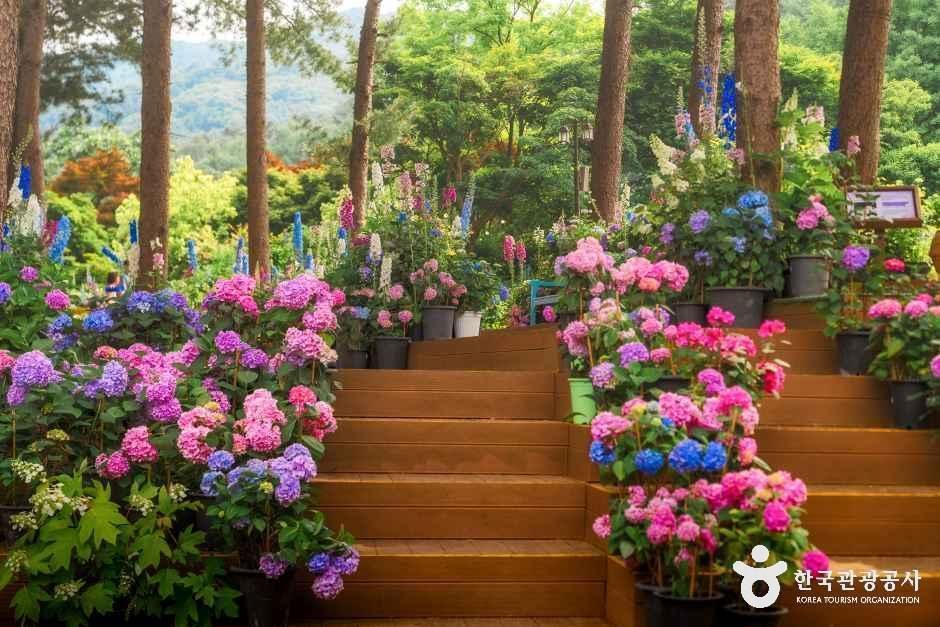
The Garden of Morning Calm
아침고요수목원The Garden of Morning Calm, Gapyeong, Gyeonggi, South Korea
The Garden of Morning Calm is South Korea’s premier classical botanical arboretum nestled beneath Mount Chungnyeong in Gapyeong, featuring over 5,000 plant species across 22 themed gardens, and the...
Morning (around 09:30-10:00)
Details→
Namyangju Water Garden
남양주 물의정원Namyangju Water Garden, Namyangju, Gyeonggi, South Korea
Namyangju Water Garden is an expansive 484,000-square-meter riverside eco-park situated along the pristine Bukhangang River, internationally renowned for brilliant red poppy fields in early summer,...
Morning (around 09:30-10:00)
Details→
Nami Island (Chuncheon)
춘천 남이섬Nami Island (Chuncheon), Chuncheon, Gangwon, South Korea
Nami Island is South Korea’s globally acclaimed storybook cultural crescent island in Chuncheon, celebrated worldwide as the romantic birthplace of the Korean Wave (Hallyu) via ‘Winter Sonata’, fea...
Morning (around 09:30-10:00)
Details→