Gyeongbuk•Gyeongju•Cafe•Traditional Tea House
Gyeongju Hwangnidangil Hanok Alley
경주 황리단길
Powered by Korea Tourism OrganizationAddress: Gyeongju Hwangnidangil Hanok Alley, Gyeongju, Gyeongbuk, South Korea (경상북도 경주시 포석로 1080 (황남동 일원))
Editorial review pending

Gyeongju Hwangnidangil Hanok Alley representative scenic panoramaZoom


+1More
1 / 6
Gyeongju Hwangnidangil Hanok Alley representative scenic panorama
Curator's Guide & Overview
Comprehensive Guide1. Historical Origins & Cultural Background
Gyeongju Hwangridan-gil is South Korea’s most vibrant and fashionable fusion of ancient royal history and contemporary youth culture. Located in Hwangnam-dong directly along the boundary wall of Daereungwon Royal Tomb Park, its name blends 'Hwangnam-dong' with 'Gyeongnidangil' (Seoul's original trendsetting alleyway). Because strict building preservation codes historically prohibited multistory concrete redevelopment to protect Gyeongju’s ancient buried artifacts, Hwangnam-dong remained an untouched enclave of single-story 1960s–1970s traditional Hanok houses, rustic brick fences, and tranquil garden courtyards. In recent years, creative young entrepreneurs, baristas, and chefs revitalized these historic homes into a dynamic pedestrian wonderland.
2. Architectural Highlights & Key Structures
The visual charm of Hwangridan-gil lies in its seamless contrast between ancient royal burial mounds and cutting-edge urban aesthetics. Walkers wander through narrow stone-and-tile alleys where stylish Hanok cafes boast glass atrium roofs, traditional wooden ondol seating, and rooftop terraces that overlook the towering green earthen tumuli of Silla kings. The main avenue (Poseok-ro) and its labyrinthine side alleys are lined with independent bookstores, self-photo studios offering retro Korean school uniforms and Joseon royal hanbok rentals, ceramic workshops, vinyl listening bars, and craft microbreweries serving Gyeongju-inspired ales.
3. Four Seasons Landscape & Seasonal Visiting Charms
Hwangridan-gil pulses with irresistible energy across all four seasons. Spring (March to May) frames the tiled roofs in blooming cherry blossoms, making it a dream destination for hanbok photography. Summer (June to August) brings lively nightlife, with travelers cooling off on open-air rooftop decks sipping iced craft beers under the stars. Autumn (September to November) is the district's visual pinnacle, as nearby pink muhly grass fields billow in pastel hues and ginkgo leaves flutter down onto grey tiled roofs. Winter offers cozy warmth, as visitors duck into heated ondol hanok teahouses for steaming mugs of grain latte and sweet red-bean treats while gazing out at snow dusting the neighboring royal tombs.
4. Operating Hours & Peak Viewing Times
The streets and alleys are open 24 hours daily without restriction. Most boutique shops, cafes, and restaurants open between 11:00 and 12:00 and operate until 21:00 or 22:00, with popular craft beer pubs and rooftop bars staying lively until midnight. Visiting in the late afternoon (15:00 to 18:00) allows you to browse boutique shops and photograph the golden sunset washing over the Hanok eaves, followed by dinner and night exploration when fairy lights illuminate the alleyways. Plan at least 2.5 to 3 hours to leisurely explore the main road and hidden side alleys.
5. Admission Fees & Concessions (Youth/Foreigner Discounts)
Walking along the streets, alleyways, and public squares of Hwangridan-gil is completely FREE. Street food snacks generally range from 3,000 to 5,000 KRW, while specialty coffees and desserts range from 5,000 to 7,500 KRW. Self-service photo booths cost 4,000 to 5,000 KRW per strip. Hanbok rentals range from 15,000 to 30,000 KRW for 2 hours. Paid parking is available at the Daereungwon Public Parking Lot and Hwangnam Public Parking Lot (approx. 1,000 to 2,000 KRW per hour).
6. Public Transit & Subway Exit Directions
From Seoul, board the high-speed KTX or SRT directly to KTX Singyeongju Station (approx. 2 hours). From the station bus plaza, take City Bus 50, 70, or 700 directly to Gyeongju Express Bus Terminal or Cheomseongdae stop (approx. 20 to 25 minutes). From either stop, it is an easy 7-to-10-minute stroll directly into Hwangridan-gil. A taxi from KTX Singyeongju Station takes roughly 15 minutes and costs approximately 13,000 to 15,000 KRW. From Gyeongju Intercity Bus Terminal, simply walk 500 meters east down Taejong-ro.
7. Barrier-Free Accessibility & Visitor Amenities
The main thoroughfare (Poseok-ro) and secondary streets of Hwangridan-gil are paved asphalt and brick roadways with sidewalks, making navigation smooth for standard strollers and manual wheelchairs. Most modern-renovated Hanok cafes and boutiques have eliminated door sills or installed small wooden ramps. However, some traditional side alleys feature narrow flagstones and historic raised thresholds into courtyard gardens. Accessible public restrooms are located at the Hwangnam Community Center, Daereungwon entrance plaza, and adjacent public parking lots.
8. Recommended Walking Route & Highlights Tour
Recommended 3-Hour Hanok Alley & Sunset Rooftop Tour: Arrive in Hwangridan-gil at 15:30 → Rent a colorful modern Hanbok at a boutique salon → Stroll the picturesque main street of Poseok-ro, browsing artisan ceramic shops and retro souvenir stalls → Sample viral street treats: hot 10-Won coin bread (Sibwon-ppang) filled with stretchy mozzarella and savory Hwangnam Corn cups → Snap fun souvenir photo strips in a vintage photo booth → Duck into a tranquil side alley to sip an espresso or black sesame latte inside a glass-roofed Hanok cafe → Climb up to a rooftop terrace around 18:00 to watch the sunset illuminate the grassy mounds of Daereungwon → Feast on Hanwoo beef bulgogi or spicy cold raw fish soup (Mulhoe) for dinner → Sip local Gyeongju craft beer at a fairy-lit Hanok pub.
9. Local Food Specialties & Regional Flavors
Hwangridan-gil is world-famous for its creative street snack culture and authentic regional dining. The undisputed street food king is Gyeongju Sibwon-ppang (10-Won Bread)—a golden pancake shaped like the historic Korean 10-Won coin (which features the Dabotap Pagoda of Bulguksa), stuffed with hot, incredibly stretchy mozzarella cheese and sweet condensed milk batter. Savor Hwangnam Oksusu (crispy fried sweet corn coated in spicy mayonnaise sauce), spicy Gyeongju Jjondeugi (chewy grilled snack sticks dusted in chili seasoning), and traditional Hwangnam-ppang (thin crust red-bean pastries). For sit-down dining, enjoy Hanwoo Mulhoe (chilled beef tartare broth), braised short ribs (Galbi-jjim), and Gyeongju Ssambap.
10. Dietary Options (Vegetarian, Halal & Allergen Guide)
Vegetarians will find Hwangridan-gil to be the most accommodating culinary district in North Gyeongsang. The alley features numerous dedicated plant-based and vegan-friendly spots offering avocado poke bowls, wood-fired vegetable pizzas, mushroom risotto, and creamy oat-milk lattes. Traditional Korean eateries serve mountain vegetable bibimbap, crispy potato pancakes, and acorn jelly salad. Sweet potato snacks and red bean pastries provide delightful vegan-friendly treats. Halal and pescatarian travelers can savor exquisite raw fish mulhoe, seafood scallion pancakes, grilled flatfish, and hot cheese-filled 10-Won bread, all completely free from pork or meat broths.
11. Signature Photo Spots & Golden Hour Lighting
Iconic photography angles: holding a freshly baked, cheese-stretching 10-Won bread with the ancient royal tumuli of Daereungwon blurred in the background; rooftop terrace portraits looking out across an ocean of traditional grey tile Hanok roofs glowing under warm fairy lights; posing in traditional Hanbok along the rustic mud-and-tile side alleys; and candid shots framed through the circular wooden moon windows of historic Hanok cafes.
12. Visitor Etiquette & Cultural Property Regulations
Visitor etiquette and safety: Hwangridan-gil is an active residential neighborhood alongside a commercial strip. Keep voices low in residential side alleys late at night. The main street (Poseok-ro) can have vehicle and scooter traffic; walk carefully on designated pedestrian paths, especially when traveling with children. Do not leave empty food skewers, cups, or trash on private stone walls; use public waste bins provided at street corners. Smoking is strictly prohibited near wooden Hanok structures.
13. Safety Precautions & 1330 Tourism Hotline Support
Wear comfortable walking sneakers, as thoroughly exploring the maze of alleys and neighboring historic parks involves several kilometers of walking. On weekends and public holidays, popular bakeries and cafes can experience queues; visiting on weekdays or before 13:00 guarantees a more relaxed experience. Public lockers are located at Gyeongju Bus Terminal and the Daereungwon tourist center. For festival information and tourist maps, contact the Gyeongju Tourism Information Center at 054-777-1330 or dial 1330.
14. Nearby Connected Attractions & Walking Links
Directly adjacent attractions: the grassy royal tombs of Daereungwon (including the interior gold crown chamber of Cheonmachong) border the alley directly; walk 5 minutes east to Cheomseongdae Observatory and Donggung Palace & Wolji Pond (PLACE-GYEONGBUK-003); stroll 10 minutes south to historic Gyochon Traditional Hanok Village and Woljeonggyo Bridge; or take a 20-minute bus to Bulguksa and Seokguram Grotto (PLACE-GYEONGBUK-002).
15. Frequently Asked Questions (FAQ)
Q: Why are all the buildings in Hwangridan-gil low-rise Hanok? A: Because the entire Hwangnam-dong neighborhood is designated as a national cultural heritage protection zone directly adjacent to Daereungwon; strict height zoning laws prohibit buildings taller than two stories and mandate traditional tile roofs, unintentionally preserving the charming low-slung Hanok aesthetic that made it famous today. Q: Why is the bread shaped like a 10-Won coin? A: The Korean 10-Won coin features an engraving of the National Treasure Dabotap Pagoda from Gyeongju’s Bulguksa Temple; local bakers paid homage to Gyeongju’s ancient heritage by creating a cake mold in the exact shape and design of the coin, which became an international viral sensation.
16. Regional Extended Day Trip Itinerary
Gyeongju Hwangridan-gil & Royal Heritage Day Tour: Morning KTX to Singyeongju Station → Walk the ancient burial mounds of Daereungwon and enter Cheonmachong tomb chamber → Step directly into Hwangridan-gil for lunch: savor Hanwoo Mulhoe and hot cheese-filled 10-Won bread → Rent a Hanbok and take fun photos along the tiled Hanok alleys → Afternoon coffee break at a glass-roofed Hanok cafe → Walk to Cheomseongdae to admire the pink muhly gardens and ancient stone observatory → Twilight walk across Woljeonggyo Bridge → Return to Hwangridan-gil for craft beer on a rooftop terrace overlooking the illuminated royal tumuli → Return via KTX Singyeongju Station.
Essential Visitor Facts
Operating Hours
Streets and alleys open 24/7 year-round; individual cafes and restaurants typically operate 11:00 - 21:00 / 22:00; craft beer pubs and rooftops open until midnight; peak atmosphere is late afternoon through twilight.
Admission / Price
FREE ADMISSION to explore the streets, alleys, and historic wall photo spots; individual purchases at cafes, bakeries, and photo booths apply; Public parking available nearby.
Closed Days
Open 365 Days
Best Time to Visit
Morning (around 09:30-10:00)
Transit & Access Directions
From KTX Singyeongju Station, take City Bus 50, 70, or 700 to Gyeongju Express Bus Terminal or Cheomseongdae stop (approx. 20-25 minutes). From Gyeongju Bus Terminal, walk just 7-10 minutes directly into Hwangridan-gil.
Accessibility & Special Amenities
Wheelchair ramps, tactile paving, accessible restrooms
Location Coordinates
Latitude: 35.8372
Longitude: 129.2098
Discover Themes & Highlights
Key interest areas and cultural highlights:
#gyeongju-hwangnidangil-street#VisitGyeongbuk#KoreaTravelAtlas
Community Traveler Reviews0 Reviews
Visitor tips, feedback, and questions submitted by real travelers.
No community reviews submitted yet. Be the first traveler to share your experience!
Practical Guides: Gyeongju
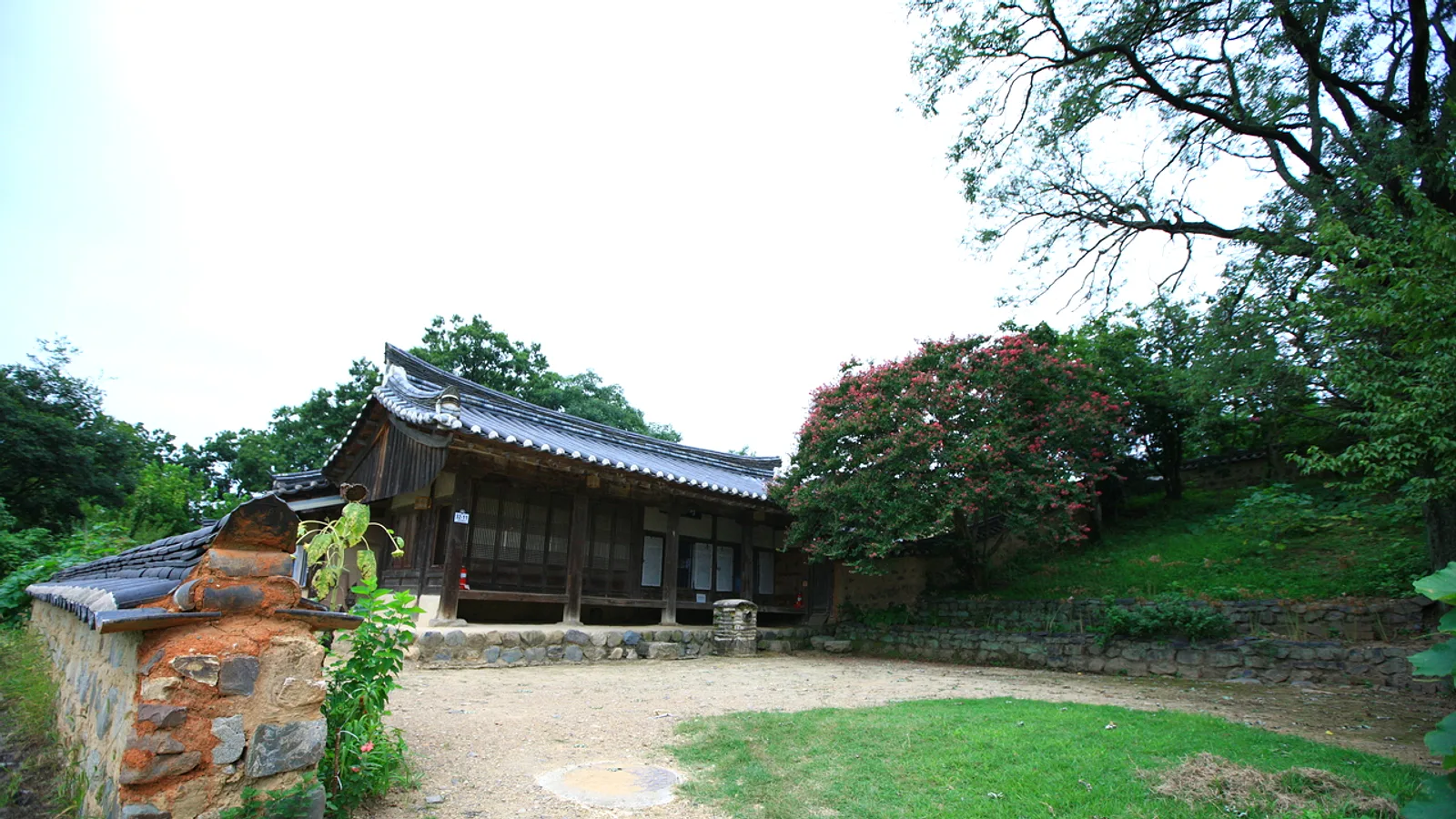
Gyeongju
Gyeongju with Kids: Planning Expo Park, Gyeongju World and Bomun Lake
A practical plan for families visiting Gyeongju's eastern attractions: Expo Park and Gyeongju Tower, Gyeongju World theme park and Bomun Lake, with transport and pacing advice.
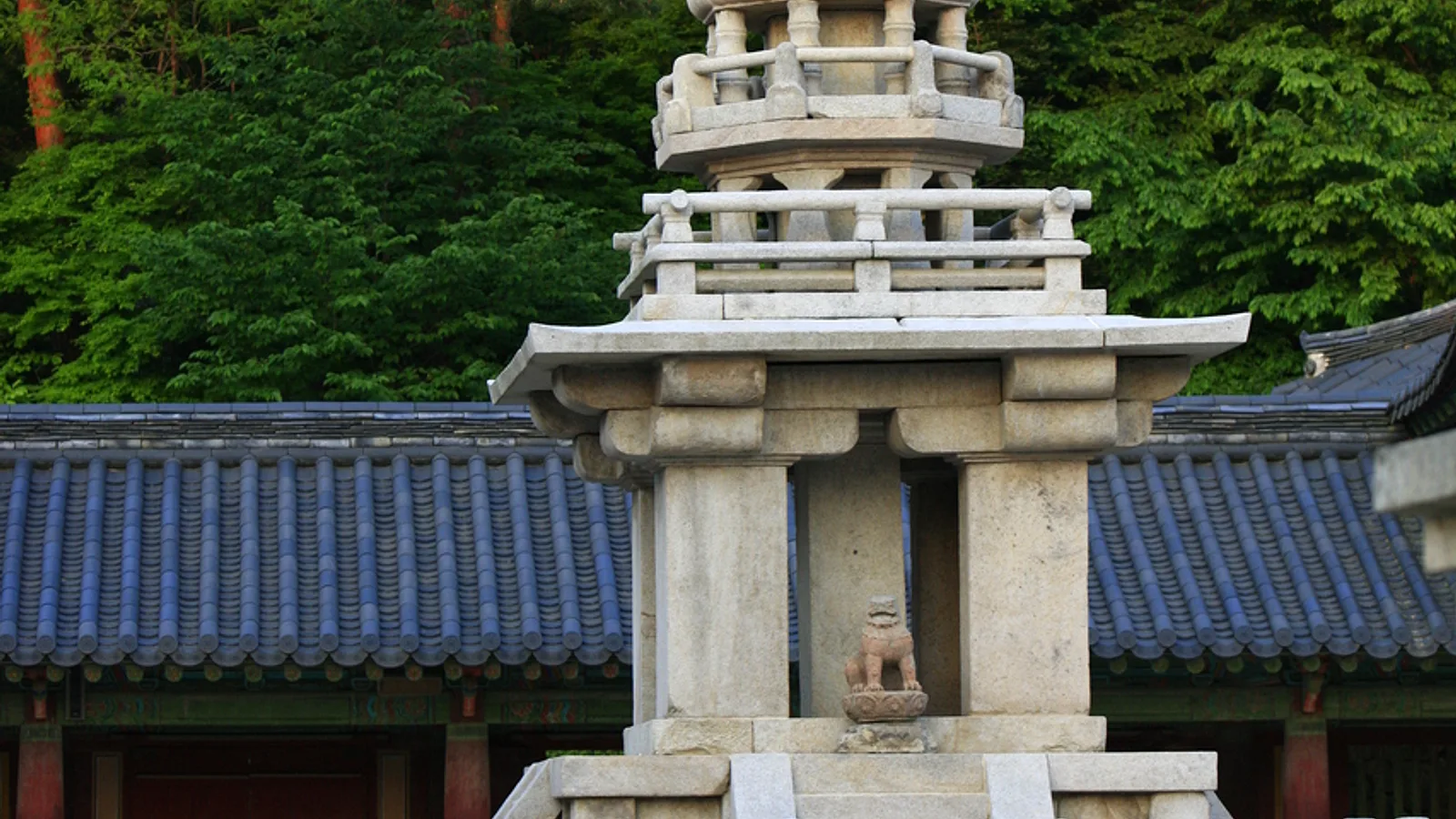
Gyeongju
Gyeongju Day Trip from Busan: Transport, Route and Timing Plan
How to plan a one-day Gyeongju trip from Busan by KTX or express bus, with a route covering Bulguksa, Daereungwon, Hwangnidan-gil, Donggung and Wolji, plus return-trip buffers.
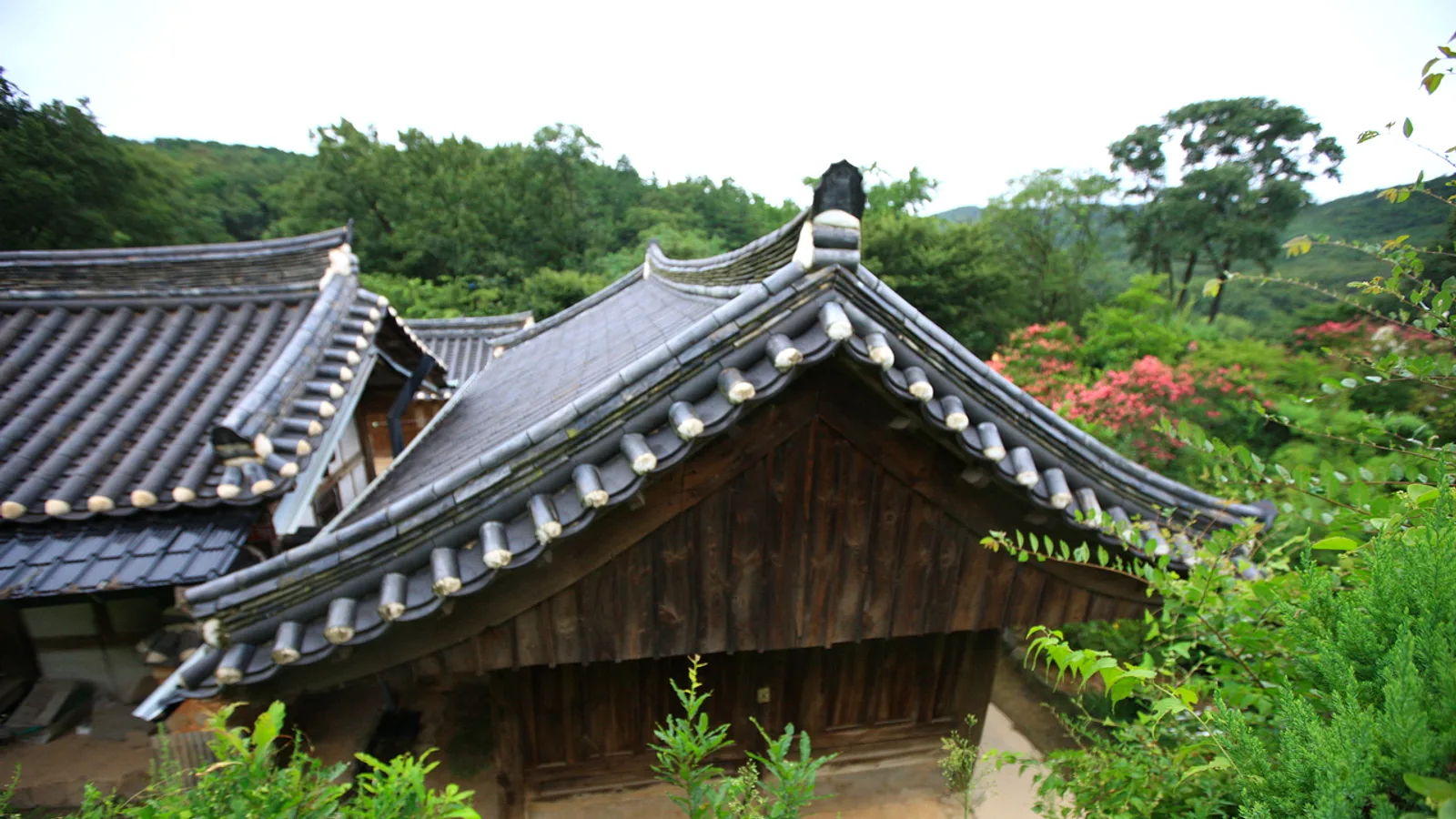
Gyeongju
Gyeongju After Dark: Donggung, Wolji and Cheomseongdae Lights
How to plan an evening in Gyeongju around the lit Donggung and Wolji pavilions, Cheomseongdae, Daereungwon and the cafes of Hwangnidan-gil.
Connected Cultural Destinations
Handpicked nearby attractions and regional cultural highlights.
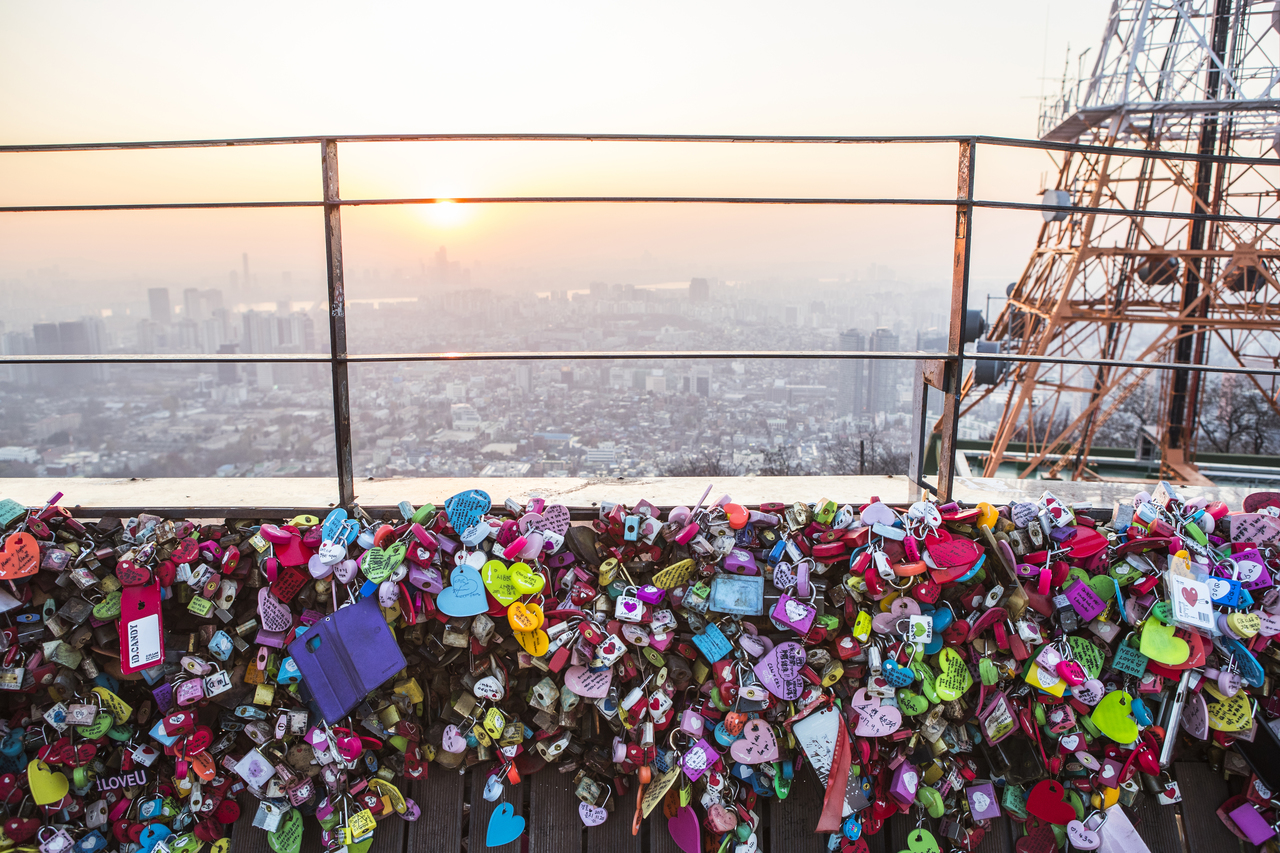
N Seoul Tower (Namsan)
N서울타워N Seoul Tower (Namsan), Seoul, South Korea
N Seoul Tower rises 479 meters above sea level atop Mount Namsan, serving as an iconic metropolitan transmission tower and observation landmark since 1980. The tower offers uninterrupted 360-degree...
HalalMorning (around 09:30-10:00)
Details→
Jeonju Hanok Village
전주한옥마을Jeonju Hanok Village, Jeonju, Jeonbuk, South Korea
Jeonju Hanok Village encompasses over 700 traditional Korean tiled homes nestled within the historic downtown core of Jeonju. Designated as an International Slow City, the village preserves authent...
Morning (around 09:30-10:00)
Details→
Seokguram Grotto (UNESCO)
석굴암Seokguram Grotto (UNESCO), Gyeongju, Gyeongbuk, South Korea
Seokguram Grotto is a supreme masterpiece of East Asian Buddhist art and a UNESCO World Heritage treasure, enshrining a monumental white granite Sakyamuni Buddha carved in 751 AD within a sublime s...
Morning (around 09:30-10:00)
Details→
Cheomseongdae Observatory & Donggung Palace
경주 첨성대 및 동궁과 월지Cheomseongdae Observatory & Donggung Palace, Gyeongju, Gyeongbuk, South Korea
Cheomseongdae and Donggung Palace with Wolji Pond form the royal heart of ancient Silla in Gyeongju, combining the oldest surviving astronomical observatory in East Asia with a glittering 7th-centu...
Morning (around 09:30-10:00)
Details→