Gyeongbuk•Goryeong•Heritage•Ancient Relic Site
Goryeong Daegaya Tumuli Gaya Mounds (UNESCO)
고령 지산동 고분군
Powered by Korea Tourism OrganizationAddress: Goryeong Daegaya Tumuli Gaya Mounds (UNESCO), Goryeong, Gyeongbuk, South Korea (경상북도 고령군 대가야읍 지산리 산8 (대가야박물관 일원))
Editorial review pending

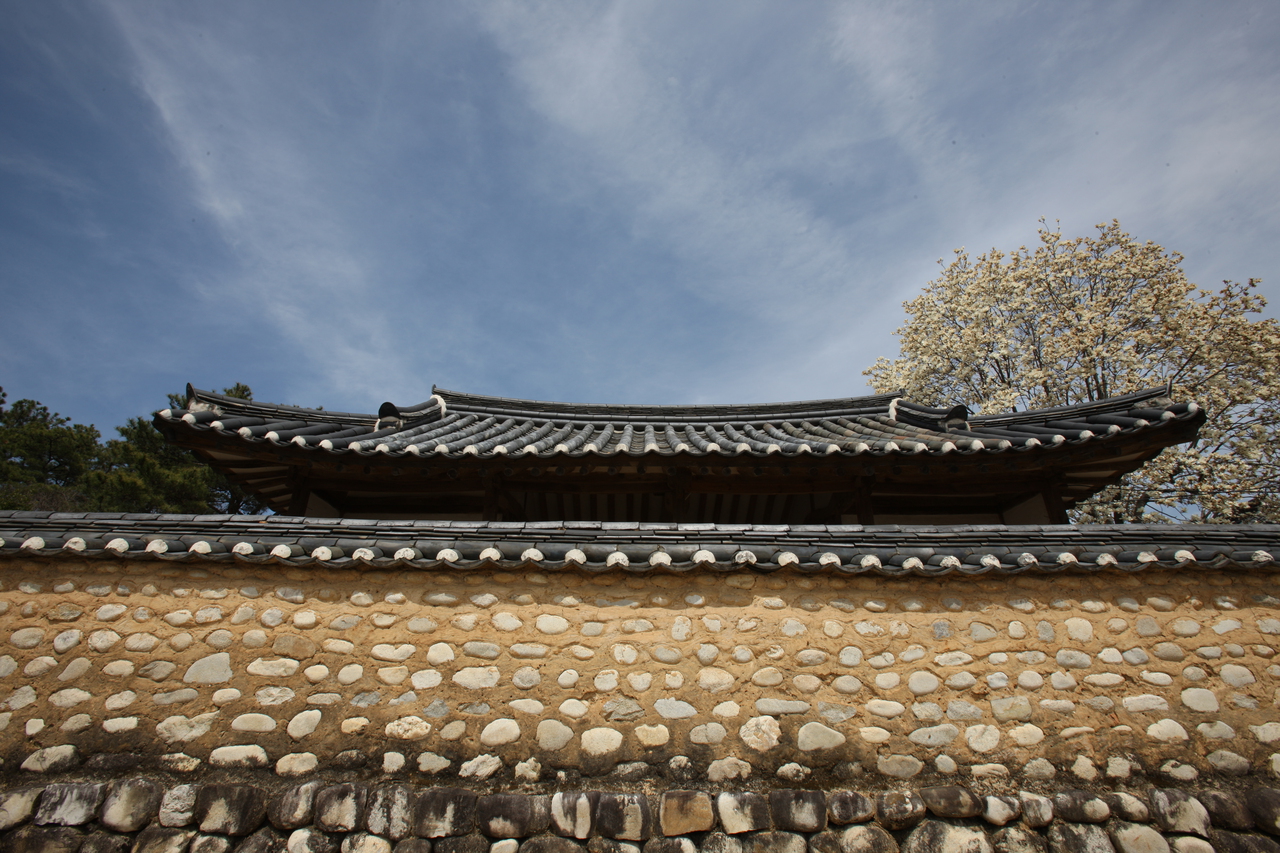
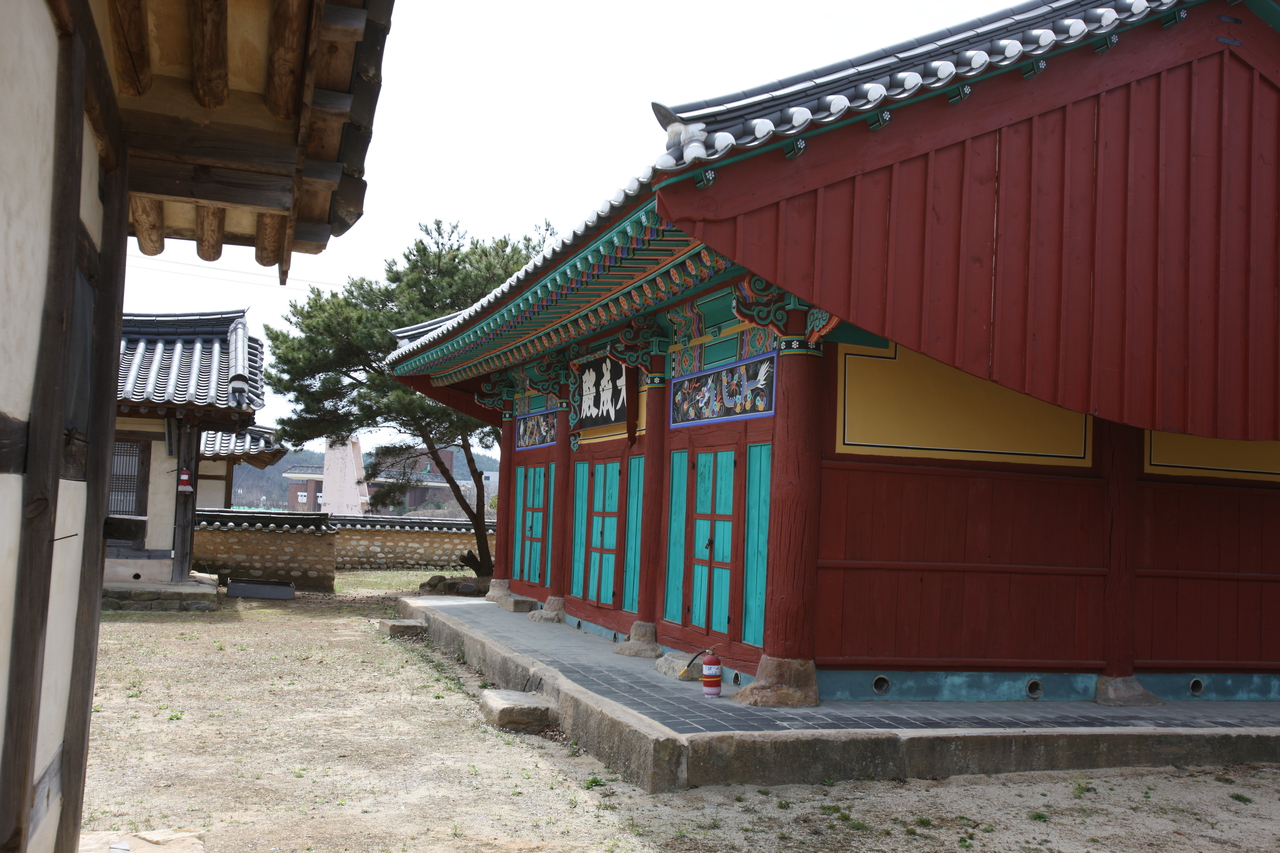
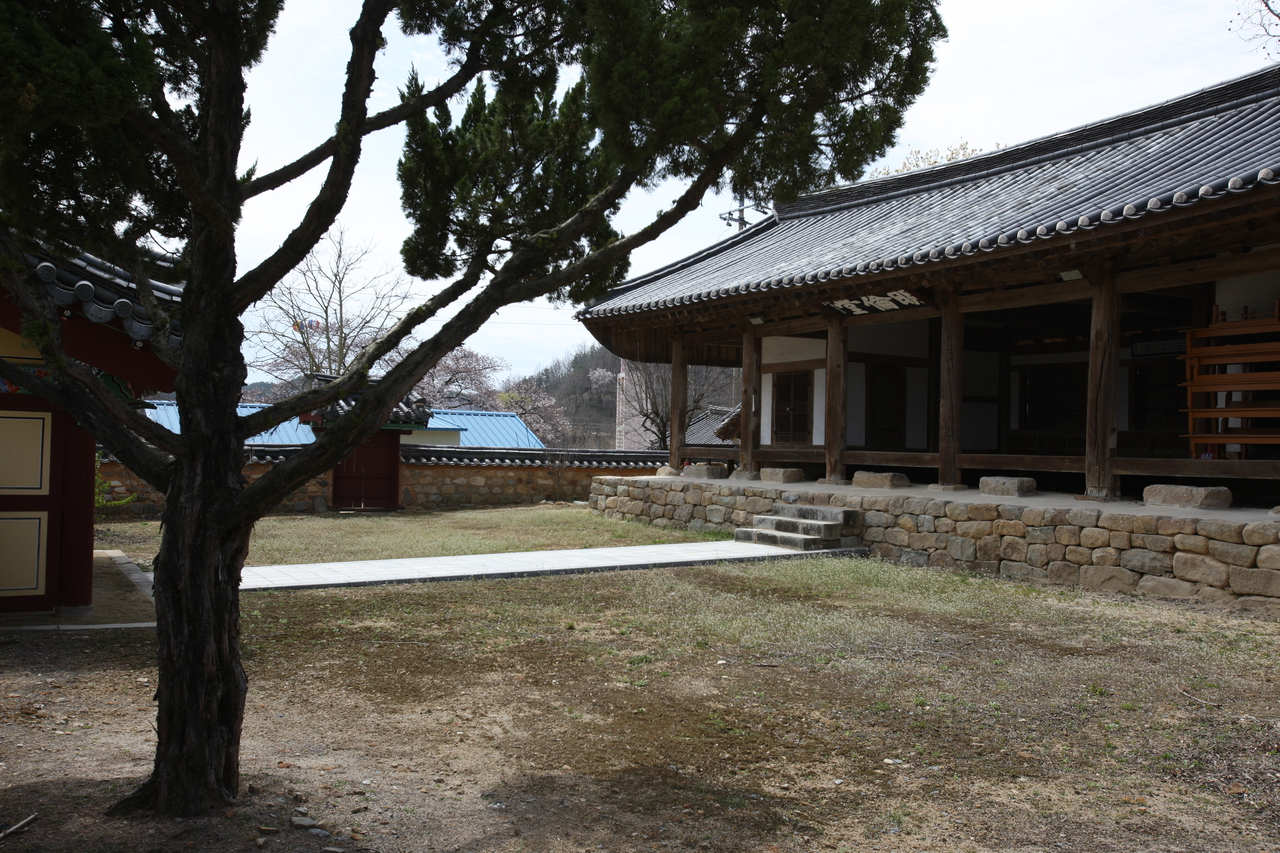
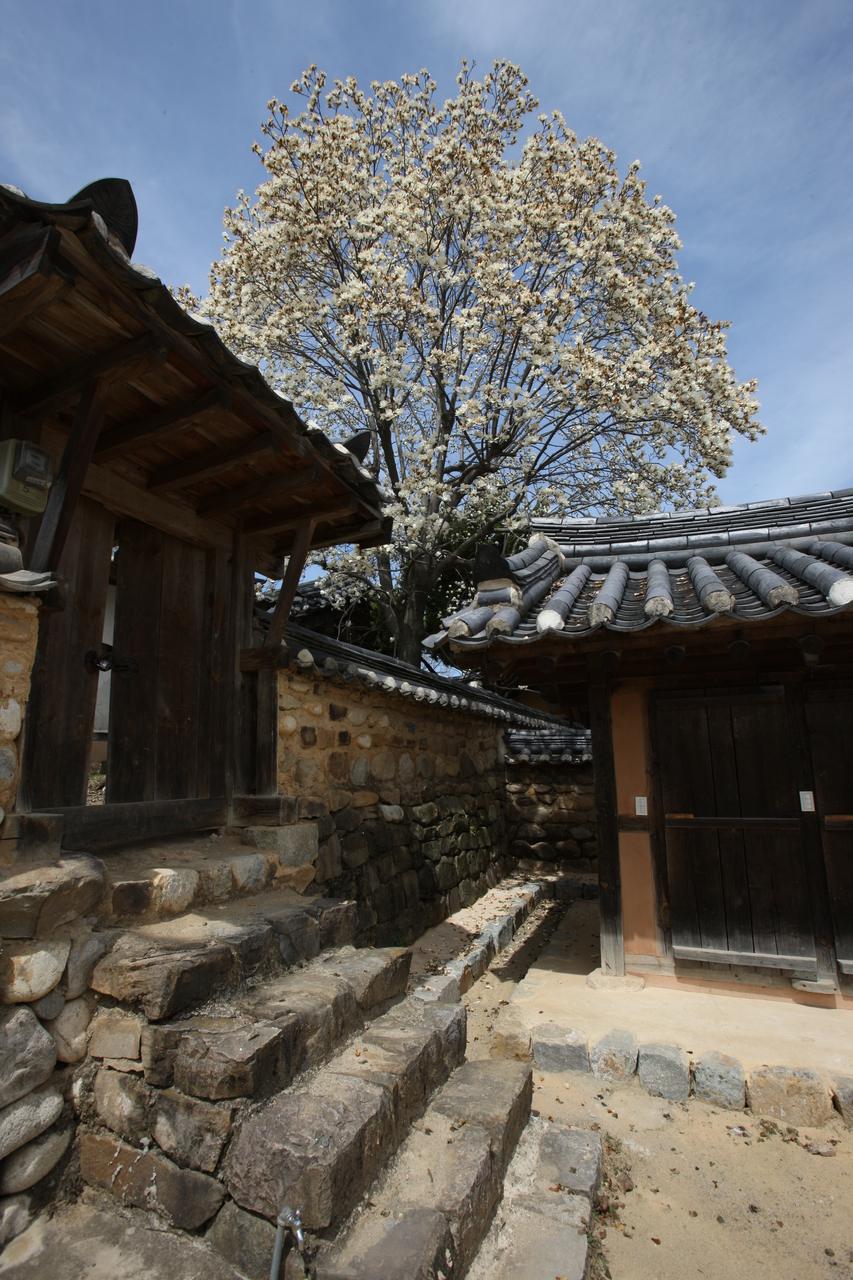
Goryeong Daegaya Tumuli Gaya Mounds (UNESCO) representative scenic panoramaZoom
+1More
1 / 6
Goryeong Daegaya Tumuli Gaya Mounds (UNESCO) representative scenic panorama
Curator's Guide & Overview
Comprehensive Guide1. Historical Origins & Cultural Background
Goryeong Jisan-dong Tumuli, officially inscribed on the UNESCO World Heritage List in September 2023 as a cornerstone component of 'Gaya Tumuli', is the supreme archaeological monument of the ancient Daegaya Kingdom. Flourishing between the 5th and 6th centuries AD before its tragic incorporation into Silla, Daegaya was a formidable iron-producing confederacy that traded extensively across East Asia. Crowning the commanding high ridges of Mount Jusan overlooking the Goryeong basin, more than 700 earthen burial mounds curve along the mountain spine like the scales of an emerald dragon, representing an awe-inspiring ancient landscape unmarred by modern development.
2. Architectural Highlights & Key Structures
The archaeological significance of Jisan-dong is unparalleled. The necropolis displays a strict social hierarchy: monumental mounds belonging to the kings and paramount nobility dominate the high crests (some exceeding 20 meters in diameter), while smaller tumuli of retainers slope down the ridges. Foremost among them is Tomb No. 44—the very first tomb in South Korea archaeologically verified to contain large-scale sacrificial burials (Sunjang), where a Daegaya monarch was interred alongside over 40 loyal retainers, chambermaids, warriors, and master artisans, accompanied by exquisite gilt-bronze crowns, iron armor, long swords with ring pommels, and elegant rounded pottery. Directly beneath the mounds sits the domed Daegaya Royal Tomb Exhibition Hall, featuring a life-sized structural replica of Tomb No. 44.
3. Four Seasons Landscape & Seasonal Visiting Charms
Jisan-dong Tumuli provides a deeply meditative outdoor walk across all four seasons. Spring (April to May) carpets the slopes around the mounds in fresh green grasses and wild cherry blossoms, with gentle valley breezes blowing off the Nakdong River basin. Summer (June to August) paints the round earthen domes in intense emerald green under dramatic blue skies. Autumn (September to November) is the visual zenith: golden silver grass (Eoksae) billows between the mounds in the late afternoon sun, creating a breathtaking contrast with the indigo horizon. Winter brings quiet solemnity, with pure white snow blanketing the rounded curves of the burial mounds, evoking a celestial, otherworldly landscape.
4. Operating Hours & Peak Viewing Times
The outdoor walking trails along the mountain ridges are open 24 hours daily year-round with completely free access. The Daegaya Museum and Royal Tomb Exhibition Hall operate Tuesday through Sunday from 09:00 to 18:00 (closed Mondays; ticketing closes at 17:00). Early morning arrivals (08:00 to 10:00) offer misty, peaceful walking conditions with few other visitors. Late afternoon (16:30 to 18:00) provides the golden hour, when low-angled sunlight casts dramatic shadows across the curved domes. Allocate roughly 2 to 2.5 hours to tour the museum and hike the 2-kilometer ridge trail.
5. Admission Fees & Concessions (Youth/Foreigner Discounts)
Access to the entire outdoor tumuli ridge trail is completely FREE of charge. Combined admission to the indoor Daegaya Museum and the Royal Tomb Exhibition Hall is 2,000 KRW for adults and 1,500 KRW for teenagers and military personnel. Children aged 6 and under and seniors aged 65 and older enter free of charge. Spacious paved municipal parking at the Daegaya Museum entrance is completely free for all vehicles.
6. Public Transit & Subway Exit Directions
From Seoul, take the KTX to Dongdaegu Station (approx. 1 hour 45 minutes). Transfer to Daegu Metro Line 1 to Seobu Bus Terminal Station, where frequent intercity buses reach Goryeong Bus Terminal in just 35 minutes (buses depart every 20 to 30 minutes). From Goryeong Terminal, Daegaya Museum is a pleasant 10-minute walk (approx. 800 meters) or a quick 3-minute taxi ride (approx. 4,000 KRW). If driving, Goryeong is easily accessed via the Gwangju-Daegu Expressway (exit at Goryeong IC).
7. Barrier-Free Accessibility & Visitor Amenities
The lower plaza, Daegaya Museum, and the domed Royal Tomb Exhibition Hall are fully paved, flat, and barrier-free with ramps, elevators, and accessible restrooms. An elevator connects visitors inside the dome replica of Tomb No. 44. However, the upper tumuli ridge trail consists of natural compacted dirt footpaths, wooden staircases, and gravel switchbacks traversing mountain slopes; therefore, standard manual wheelchairs and strollers cannot ascend past the mid-level lookout deck. Electric golf carts are occasionally available for elderly visitors during festival seasons. Free wheelchairs and strollers are loaned at the museum ticket office.
8. Recommended Walking Route & Highlights Tour
Recommended 2.5-Hour Gaya Kings & Ridge Hike Circuit: Arrive at Daegaya Museum plaza and visit the Royal Tomb Exhibition Hall to explore the life-sized excavation cross-section of Tomb No. 44 → Step onto the wooden steps behind the museum and climb the hillside path → Reach the initial observation terrace overlooking the lower burial mounds → Continue hiking along the crest of Mount Jusan, walking among the monumental royal tumuli (Tombs 44, 45, and 73) → Reach the summit pavilion of Mount Jusan (310m) for sweeping 360-degree views across Goryeong and the Nakdong River valley → Descend along the western pine ridge → Tour the Daegaya Museum to inspect the dazzling excavated iron swords, harness gear, and pottery → Enjoy a lunch of Goryeong Hanwoo beef bulgogi and sweet strawberry desserts in town.
9. Local Food Specialties & Regional Flavors
Goryeong is celebrated for agrarian and pastoral delicacies nourished by the clean waters of the Nakdong and Daega streams. Savor Goryeong Hanwoo (exquisite local native beef grilled over oak charcoal or simmered in spicy Gukbap). Taste Goryeong Dwaeji-gukbap (savory pork bone broth served with tender boiled pork and chives) and seasonal Daegaya Yeonip-bap (fragrant steamed rice wrapped in lotus leaves). Goryeong is also renowned as South Korea’s premier strawberry capital; enjoy freshly picked sweet Goryeong strawberries, strawberry mochi, and strawberry tarts throughout spring and winter.
10. Dietary Options (Vegetarian, Halal & Allergen Guide)
Vegetarians can enjoy wholesome country fare in Goryeong town: savor Daegaya Yeonip-bap (steamed lotus-leaf wrapped rice with chestnuts, lotus seeds, and gingko nuts, served with 12 agrarian vegetable side dishes), perilla seed kalguksu, acorn jelly salads, and crispy potato pancakes. Sweet strawberry breads and fruit desserts make delightful snacks. Halal and pescatarian travelers can savor freshwater spicy fish stews (Maeuntang), grilled mackerel banchan, and comforting soybean curd stews, prepared fresh without pork additives.
11. Signature Photo Spots & Golden Hour Lighting
Signature photographic perspectives: capturing the undulating ridgeline of Mount Jusan where dozens of enormous, rounded emerald tumuli roll into the distance like a mythological landscape; a low-angle shot beside Tomb No. 44 with autumn silver grass swaying in the golden sunset; looking down at the red-roofed town of Goryeong framed between two giant burial mounds; and dramatic shots inside the domed Royal Tomb Exhibition Hall showcasing the reconstructed burial pit.
12. Visitor Etiquette & Cultural Property Regulations
Historical preservation etiquette: Jisan-dong Tumuli is a sacred royal burial ground and a protected UNESCO World Heritage property. Visitors must strictly stay on designated gravel trails and boardwalks. Walking onto the grass domes, climbing atop the tumuli, or sitting on the burial mounds is strictly prohibited and subject to legal penalties. Drones are prohibited without prior military and municipal authorization. Smoking is strictly banned throughout the mountain park.
13. Safety Precautions & 1330 Tourism Hotline Support
Wear comfortable walking sneakers or light hiking shoes with good grip, as the ridge trail involves ascending roughly 150 vertical meters over dirt trails and wooden steps. In summer, carry a sunhat, sunscreen, and water, as there is little tree shade directly on the grassy tumuli ridge. For guided historical commentary (available in Korean, English, and Japanese), contact the Daegaya Museum Information Desk at 054-950-7103 or dial 1330.
14. Nearby Connected Attractions & Walking Links
Combine your visit with other historic Gaya landmarks: visit the Daegaya Historical Theme Park (family cultural village), explore the Ureuk Museum (dedicated to Master Ureuk, the legendary creator of the 12-string Gayageum zither), or drive 40 minutes northeast to the historic Hanok alleys of Gyeongju (PLACE-GYEONGBUK-003, 015) or Daegu.
15. Frequently Asked Questions (FAQ)
Q: What was the sacrificial burial custom (Sunjang) of Daegaya? A: Excavations of Tomb No. 44 revealed that when the king passed away, more than 40 living persons—including high-ranking advisors, bodyguards, weavers, attendants, and young children—were buried alive in small stone cists surrounding the main chamber to serve their sovereign in the afterlife, a poignant testament to the absolute power of Gaya monarchy before Buddhism banned the practice. Q: Why are the tombs located high on the mountain ridge instead of flat plains? A: Unlike Silla tombs in Gyeongju which were built on flat city plains, Daegaya constructed its elite tombs along high, prominent mountain ridges so they would be visible from afar, spiritually watching over the kingdom while asserting majestic royal authority.
16. Regional Extended Day Trip Itinerary
Goryeong Daegaya UNESCO World Heritage Day Tour: Morning departure from Daegu via intercity bus to Goryeong Terminal → 10-minute walk to Daegaya Museum → Explore the full-scale excavation replica inside the Royal Tomb Exhibition Hall → Hike the scenic 2-kilometer ridge trail among the 700 burial mounds of Jisan-dong → Take panoramic photos from the summit terrace of Mount Jusan → Traditional Yeonip-bap (lotus-leaf rice banquet) or Hanwoo beef lunch in town → Afternoon visit to Ureuk Museum to learn about the Gayageum zither → Taste fresh Goryeong strawberries and strawberry desserts → Return to Daegu or Seoul.
Essential Visitor Facts
Operating Hours
Outdoor tumuli ridge walking trails: open 24/7 year-round (free access); Daegaya Museum & Royal Tomb Exhibition Hall: Tuesday to Sunday 09:00 - 18:00 (closed Mondays; ticketing closes at 17:00).
Admission / Price
Outdoor Tumuli Ridge Walk: FREE ADMISSION; Daegaya Museum & Royal Tomb Exhibition Hall: Adults 2,000 KRW, Youth & Military 1,500 KRW; Free entry for children aged 6 and under and seniors aged 65 and older; Free parking.
Closed Days
Closed on Mondays/Tuesdays
Best Time to Visit
Morning (around 09:30-10:00)
Transit & Access Directions
From Daegu Seobu Bus Terminal (Seobu Station on Daegu Metro Line 1), take a direct intercity bus to Goryeong Intercity Bus Terminal (approx. 35 minutes, departs every 20-30 minutes). From Goryeong Terminal, walk 10 minutes or take a 3-minute taxi to Daegaya Museum.
Accessibility & Special Amenities
Wheelchair ramps, tactile paving, accessible restrooms
Location Coordinates
Latitude: 35.7285
Longitude: 128.2565
Discover Themes & Highlights
Key interest areas and cultural highlights:
#goryeong-daegaya-tumuli#VisitGyeongbuk#KoreaTravelAtlas
Community Traveler Reviews0 Reviews
Visitor tips, feedback, and questions submitted by real travelers.
No community reviews submitted yet. Be the first traveler to share your experience!
Connected Cultural Destinations
Handpicked nearby attractions and regional cultural highlights.

Gyeongbokgung Palace
경복궁Gyeongbokgung Palace, Seoul, South Korea
Gyeongbokgung Palace is the grandest royal palace of the Joseon Dynasty, established in 1395 in northern Seoul. Framed by Mount Baegaksan, its majestic grounds encompass Geunjeongjeon Throne Hall, ...
HalalMorning (around 09:30-10:00)
Details→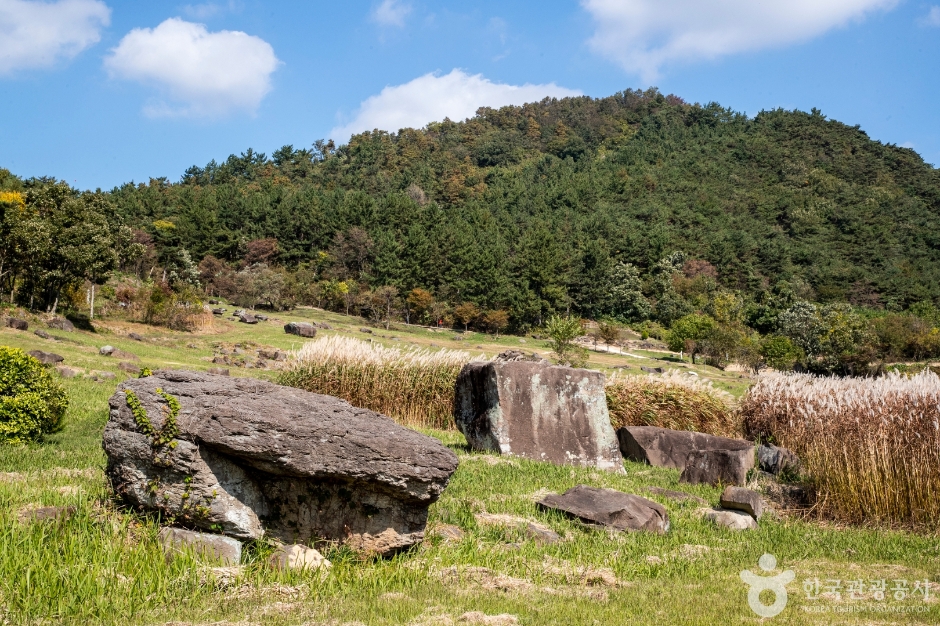
Gochang Dolmen Sites (UNESCO)
고창 고인돌유적Gochang Dolmen Sites (UNESCO), Gochang, Jeonbuk, South Korea
Gochang Dolmen Sites is a UNESCO World Heritage prehistoric landscape preserving the world’s densest and most structurally diverse concentration of Bronze Age megalithic tombs, featuring 447 regist...
Morning (around 09:30-10:00)
Details→
Cheomseongdae Observatory & Donggung Palace
경주 첨성대 및 동궁과 월지Cheomseongdae Observatory & Donggung Palace, Gyeongju, Gyeongbuk, South Korea
Cheomseongdae and Donggung Palace with Wolji Pond form the royal heart of ancient Silla in Gyeongju, combining the oldest surviving astronomical observatory in East Asia with a glittering 7th-centu...
Morning (around 09:30-10:00)
Details→
Gimhae Gaya Theme Park & Royal Tomb of Suro
김해 가야테마파크 및 수로왕릉Gimhae Gaya Theme Park & Royal Tomb of Suro, Gimhae, Gyeongnam, South Korea
Gimhae Gaya Theme Park is South Korea’s premier experiential cultural wonderland celebrating the 2,000-year legacy of the iron-maritime Gaya Confederacy, featuring reconstructed royal palaces, the ...
Morning (around 09:30-10:00)
Details→