Gyeongnam•Gimhae•Heritage•Historic Site
Gimhae Gaya Theme Park & Royal Tomb of Suro
김해 가야테마파크 및 수로왕릉
Powered by Korea Tourism OrganizationAddress: Gimhae Gaya Theme Park & Royal Tomb of Suro, Gimhae, Gyeongnam, South Korea (경상남도 김해시 가야테마길 161 (삼방동 가야테마파크))
Editorial review pending
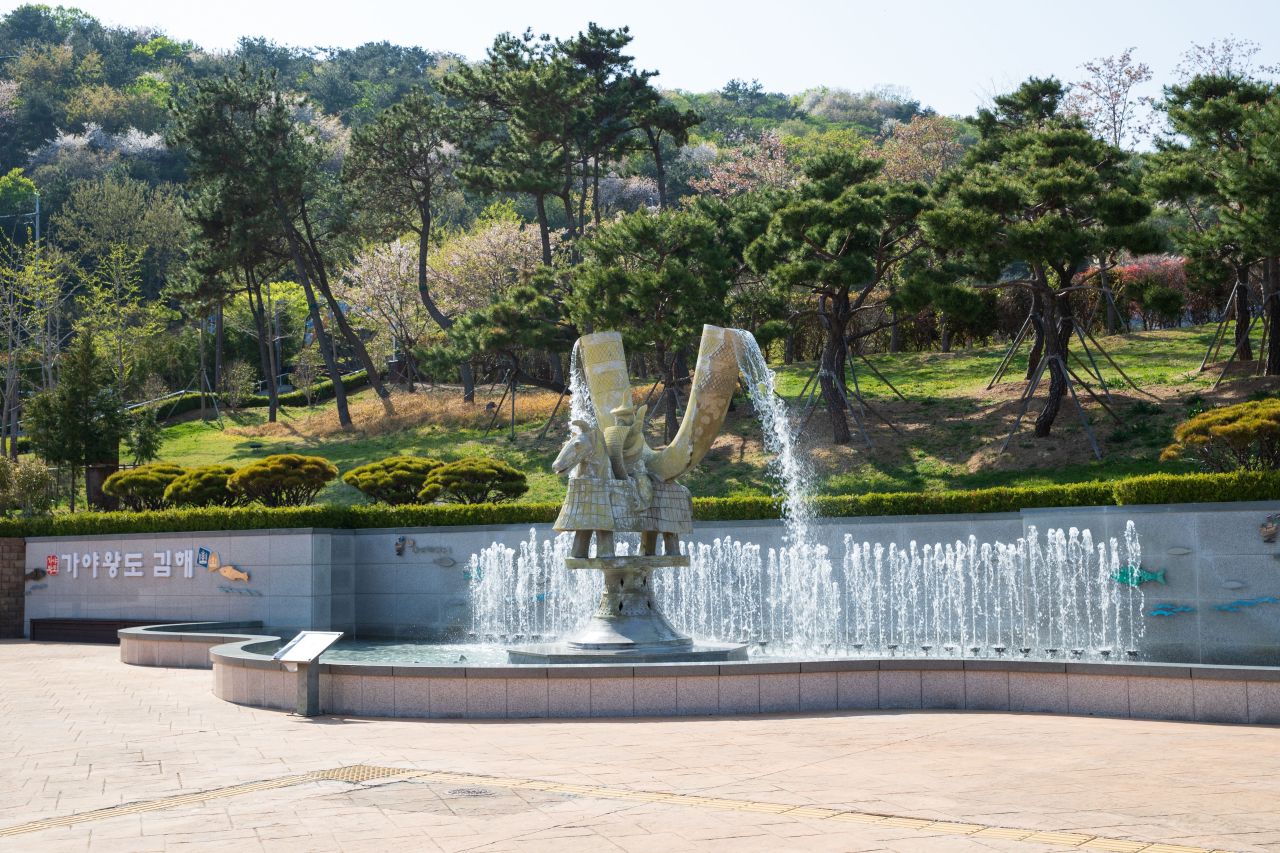
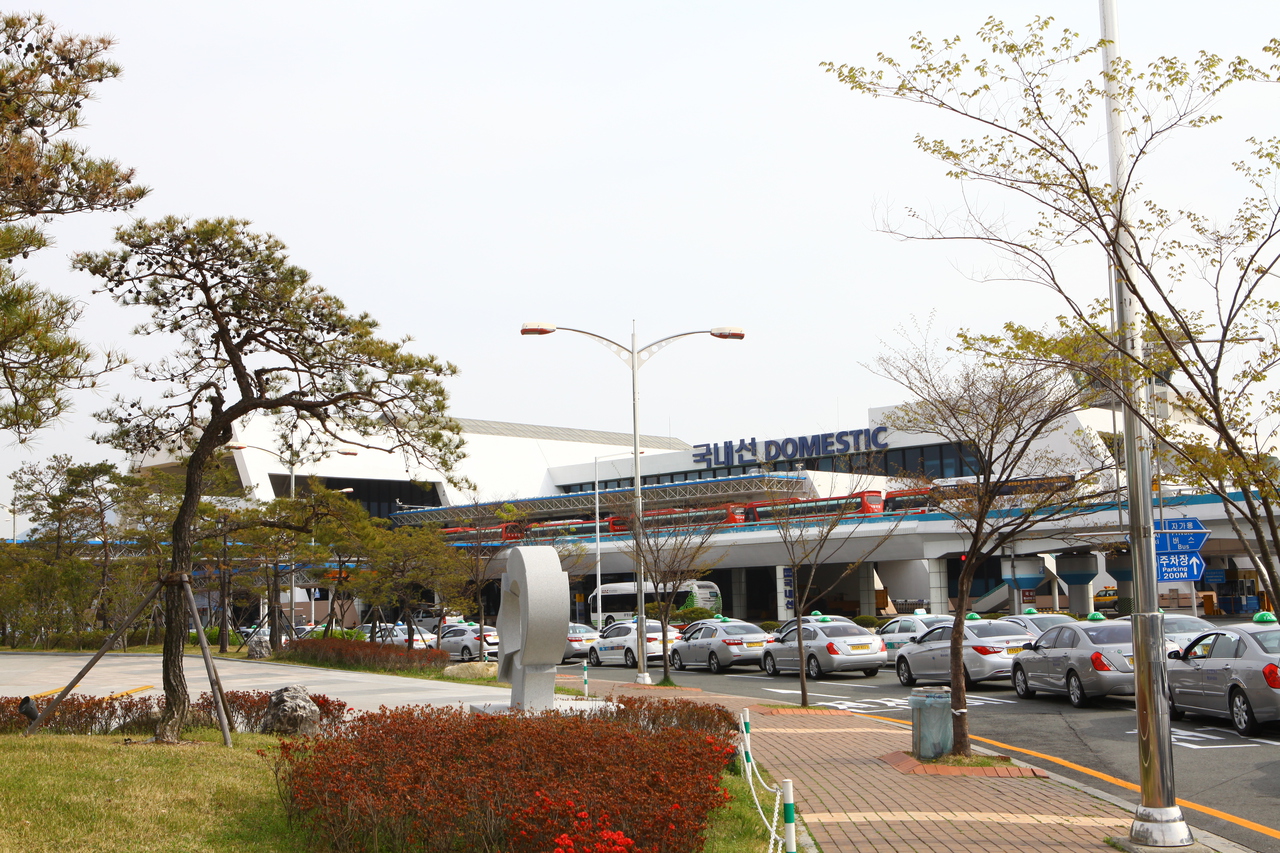
Gimhae Gaya Theme Park & Royal Tomb of Suro representative scenic panoramaZoom
+1More
1 / 6
Gimhae Gaya Theme Park & Royal Tomb of Suro representative scenic panorama
Curator's Guide & Overview
Comprehensive Guide1. Historical Origins & Cultural Background
Gimhae Gaya Theme Park, situated on the scenic wooded slopes of Mount Bunseongsan in Gimhae City, is South Korea's premier historical-cultural edutainment destination. It commemorates the glorious 2,000-year civilization of Geumgwan Gaya (the Iron Kingdom), which thrived along the Nakdong River delta from 42 to 562 AD as East Asia’s most sophisticated maritime trading hub and metallurgical powerhouse. Legend tells that King Suro descended from the heavens inside a golden egg to unify the six Gaya tribes, subsequently marrying Princess Heo Hwang-ok, who sailed across the oceans from the kingdom of Ayodhya in ancient India—cementing Korea's very first recorded multicultural royal marriage.
2. Architectural Highlights & Key Structures
The park sprawls across a massive 179,000-square-meter campus divided into themed historical and recreational zones. At its cultural heart sits the faithfully reconstructed Gaya Royal Palace, featuring Taegeukjeon (the king's throne hall) and Queen Heo's royal chambers, filled with exhibits on ancient iron armor, gilt-bronze crowns, and pottery. Beyond the palace lies the world's first Double Extreme adventure zone: thrill-seekers can ride the Extreme Flying Bicycle—pedaling a safety-tethered bicycle along an aerial cable suspended 22 meters (72 feet) in mid-air with sweeping panoramic views of Gimhae City—or conquer the 15-meter-high Extreme Tower obstacle course. Families adore the massive Gaya Warriors Adventure playground, while the modern theater hosts *Painters Gaya Kingdom*—a dynamic, world-acclaimed non-verbal art performance combining live speed-drawing, 3D video projection mapping, and breakdance acrobatics.
3. Four Seasons Landscape & Seasonal Visiting Charms
Gaya Theme Park provides engaging seasonal festivals throughout the year. Spring (March to May) carpets the royal gardens and castle courtyards in vibrant azaleas, tulips, and cherry blossoms, hosting colorful outdoor street pageants. Summer (June to August) cools visitors with thrilling aerial bicycle breezes, shaded forest adventure trails, and twilight illumination. Autumn (September to November) surrounds the park in fiery autumn maples and hosts the grand Gaya Cultural Festival, with traditional blacksmithing demonstrations and equestrian arts. Winter (December to February) transforms the central park into a snowy wonderland with sledding hills, festive holiday light displays, and indoor interactive craft workshops.
4. Operating Hours & Peak Viewing Times
The theme park is open daily year-round from 09:30 to 18:00 on weekdays and 09:30 to 20:00 on weekends and national holidays. The Double Extreme sports facilities operate from 10:00 to 17:30 (subject to weight, height, and weather conditions). The *Painters Gaya Kingdom* performance takes the stage twice daily at 14:00 and 16:30 in the indoor theater. The optimal time to arrive is mid-morning (10:00 to 11:00), allowing ample time to tour the royal palace, tackle the outdoor extreme courses, enjoy a themed lunch, and attend the afternoon performance. Plan roughly 3 to 4 hours for a complete park experience.
5. Admission Fees & Concessions (Youth/Foreigner Discounts)
Basic park admission is 5,000 KRW for adults, 4,000 KRW for teenagers, and 3,000 KRW for children (free for children under 36 months). Comprehensive package tickets combining park entry, the Painters show, or the Double Extreme flying bicycle range from 12,000 to 22,000 KRW, offering substantial savings. Expansive paved municipal parking lots at the base of the park are completely FREE for all visitors.
6. Public Transit & Subway Exit Directions
From Busan, take Busan Metro Line 2 to Sasang Station, transfer directly to the Busan-Gimhae Light Rail, and ride to Inje University Station (approx. 35 minutes). From Inje University Station (Exit 2), Gimhae City Bus 1 or 1-1 reaches the lower theme park approach in roughly 15 minutes. Alternatively, a taxi from Inje University Station up Mount Bunseongsan takes just 10 minutes and costs approximately 7,000 KRW. From Gimhae International Airport, the light rail journey to Inje University takes only 20 minutes, making this an ideal first or last stop for international arrivals.
7. Barrier-Free Accessibility & Visitor Amenities
Gaya Theme Park was deliberately planned with comprehensive universal accessibility. The wide avenues connecting the royal palace, performance theater, food courts, and gardens are flat, paved, and equipped with gentle ramps, effortlessly accommodating strollers and wheelchairs. Dedicated accessible restrooms with automated doors and diaper changing tables are situated at every major cluster. The Painters theater features dedicated accessible wheelchair seating areas. However, the Double Extreme Flying Bicycle and Extreme Tower have strict safety regulations (riders must be at least 130cm tall and under 100kg) and cannot accommodate individuals with severe physical disabilities. Free wheelchairs and strollers are loaned at the main entrance customer center.
8. Recommended Walking Route & Highlights Tour
Recommended 3.5-Hour Gaya Heritage & Extreme Adventure Circuit: Enter through the monumental Gaya Castle Gate → Walk into the Gaya Royal Palace and tour Taegeukjeon Throne Hall to inspect the golden iron crowns and ancient iron-smelting forge → Visit Queen Heo’s Indian pavilion to learn the ancient maritime romance → Head to the Double Extreme Zone to ride the thrilling Flying Bicycle suspended 22 meters in the air over the valley → Stroll through the Gaya Warriors Adventure garden → Enjoy a hearty lunch of Gimhae Bulgogi or Gaya royal noodle soup at the central food court → Attend the 14:00 live *Painters Gaya Kingdom* performance to watch glowing portraits of King Suro created in seconds before your eyes → Browse the artisan iron craft souvenirs and enjoy hot sweet persimmon bread before departing.
9. Local Food Specialties & Regional Flavors
Dining at Gaya Theme Park combines festive Korean street delicacies with Gimhae's rich culinary traditions. Savor Gimhae Dwaeji Bulgogi (tender, smoky charcoal-grilled pork seasoned in soy and garlic), authentic Gimhae Sogogi-gukbap (hearty beef and turnip soup simmered in rich bone broth), and Gaya Royal Noodles. Indulge in sweet snacks made from Jinyeong sweet persimmons (Gimhae's famous specialty fruit), including Dan-gam Bbang (sweet persimmon bean-paste bread) and fresh persimmon smoothies.
10. Dietary Options (Vegetarian, Halal & Allergen Guide)
Vegetarians can find satisfying options at the park's central family restaurants: enjoy fresh vegetable bibimbap, crispy potato pancakes, vegetable udon, and savory tofu stews. Jinyeong sweet persimmon pastries, organic fruit ice cream, and roasted sweet potatoes provide wholesome snacks. Halal and pescatarian diners can enjoy seafood udon pots, crispy seafood pajeon, vegetable bibimbap, and sweet rice cakes, avoiding pork broths upon request.
11. Signature Photo Spots & Golden Hour Lighting
Signature photographic perspectives: capturing an action photo pedaling the Extreme Flying Bicycle suspended 22 meters mid-air with the green valley and blue Gimhae horizon behind; standing in traditional Gaya royal costumes before the crimson-lacquered pillars of the Taegeukjeon Throne Hall; posing beside the romantic stone statues of King Suro and Queen Heo Hwang-ok; and watching the energetic cast of the Painters show create glowing multi-colored speed paintings on stage.
12. Visitor Etiquette & Cultural Property Regulations
Park visitor etiquette: Stay within marked pedestrian lanes and respect safety instructions on all adventure rides. Children must be supervised around high platforms and water fountains. Do not climb on historic palace replicas, throne displays, or archaeological artifacts. Flash photography and video recording during the live Painters theatrical show are strictly prohibited. Drones are forbidden over the park. Smoking is restricted to designated outdoor smoking booths. Deposit all trash in recycling bins.
13. Safety Precautions & 1330 Tourism Hotline Support
Wear comfortable walking sneakers and casual pants if planning to attempt the Extreme Tower or Flying Bicycle (skirts and loose flip-flops are prohibited on extreme aerial rides; lockers and safety shoes are available). In summer, bring sun hats and sunscreen for open plazas. For showtimes, group reservations, and facility operating status, call the Gaya Theme Park Information Center at 055-340-7900 or dial 1330.
14. Nearby Connected Attractions & Walking Links
Nearby attractions: visit the National Museum of Gimhae (housing Korea's finest collection of Gaya iron artifacts); tour the Royal Tomb of King Suro and Queen Heo Hwang-ok in downtown Gimhae; hike up to the stone battlements of Bunseongsanseong Fortress for sunset vistas over the Gimhae plains; or visit the Gimhae Nakdonggang Railbike and Wine Cave.
15. Frequently Asked Questions (FAQ)
Q: What was the Gaya Confederacy? A: Flourishing between 42 and 562 AD along the Nakdong River basin, Gaya was a sophisticated league of six allied kingdoms renowned across ancient East Asia for its immense iron production; Gaya traded high-grade iron bars as currency with China and Wa (ancient Japan), producing masterful iron plate armor, steel swords, and delicate openwork gold crowns until its absorption into Silla. Q: Did an Indian princess really marry a Korean king in 48 AD? A: According to the 13th-century chronicle *Samguk Yusa*, Princess Suriratna of Ayodhya had a divine dream instructing her to sail eastward; arriving by ship with a red sail and jade pagodas, she met King Suro, adopted the royal name Heo Hwang-ok, and gave birth to ten sons, two of whom were given her maternal surname (Heo), founding the Gimhae Kim and Gimhae Heo clans that comprise over 5 million living Koreans today.
16. Regional Extended Day Trip Itinerary
Gimhae Gaya Heritage & Adventure Day Tour: Morning light rail arrival from Busan to Inje University Station → Taxi to Gimhae Gaya Theme Park → Tour the Gaya Royal Palace and iron-smelting forge → Ride the 22-meter Double Extreme Flying Bicycle → Lunch at the park tasting Gimhae Bulgogi and sweet persimmon bread → Watch the 14:00 *Painters Gaya Kingdom* performance → Afternoon taxi down to the Royal Tomb of King Suro and the National Museum of Gimhae → Twilight walk around Yeonji Park → Savor authentic Gimhae beef soup for dinner → Return to Busan or Gimhae Airport.
Essential Visitor Facts
Operating Hours
Open daily year-round 09:30 - 18:00 (weekdays) / 09:30 - 20:00 (weekends & summer); Extreme facilities operate 10:00 - 17:30; Painters performance: twice daily at 14:00 and 16:30.
Admission / Price
General Park Admission: Adults 5,000 KRW, Youth 4,000 KRW, Children 3,000 KRW; Package passes (Park + Painters Show or Double Extreme Bicycle): approx. 12,000 to 22,000 KRW; Parking is completely free.
Closed Days
Closed on Mondays/Tuesdays
Best Time to Visit
Morning (around 09:30-10:00)
Transit & Access Directions
From Busan-Gimhae Light Rail Inje University Station (Exit 2), take Gimhae City Bus 1 or 1-1, or a 10-minute taxi directly up to the mountain theme park entrance (approx. 7,000 KRW).
Accessibility & Special Amenities
Wheelchair ramps, tactile paving, accessible restrooms
Location Coordinates
Latitude: 35.2412
Longitude: 128.9012
Discover Themes & Highlights
Key interest areas and cultural highlights:
#gimhae-gaya-theme-park#VisitGyeongnam#KoreaTravelAtlas
Community Traveler Reviews0 Reviews
Visitor tips, feedback, and questions submitted by real travelers.
No community reviews submitted yet. Be the first traveler to share your experience!
Connected Cultural Destinations
Handpicked nearby attractions and regional cultural highlights.

Gamcheon Culture Village
감천문화마을203 Gamnae 2-ro, Saha-gu, Busan
Gamcheon Culture Village in Saha-gu, Busan, is a vibrant hillside community celebrated as "Korea's Santorini" or "Machu Picchu of Busan" for its terraced rows of pastel-hued residences clinging to ...
HalalMorning (around 09:30-10:00)
Details→
Baekje Cultural Land & Royal Palace
백제문화단지Baekje Cultural Land & Royal Palace, Buyeo, Chungnam, South Korea
Baekje Cultural Land is South Korea’s largest historical theme park, spanning 3.3 million square meters in Buyeo, painstakingly reconstructing the royal Sabi Palace, Neungsa five-story wooden pagod...
Morning (around 09:30-10:00)
Details→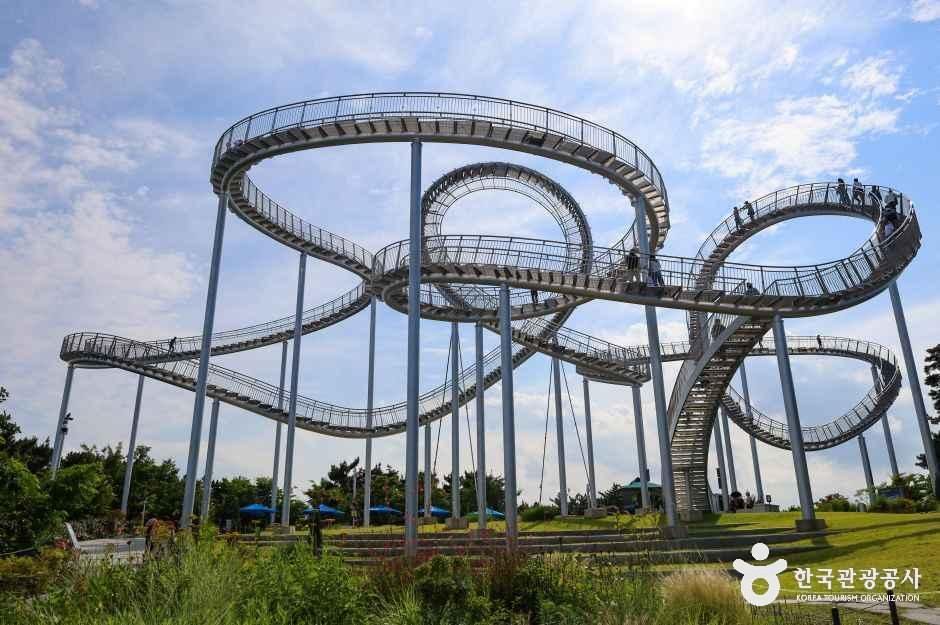
Pohang Space Walk & Hwanho Park
포항 스페이스워크Pohang Space Walk & Hwanho Park, Pohang, Gyeongbuk, South Korea
Pohang Space Walk is South Korea’s largest experiential sculpture and architectural landmark, featuring a gravity-defying 333-meter roller-coaster staircase perched atop Hwanho Park, where visitors...
Morning (around 09:30-10:00)
Details→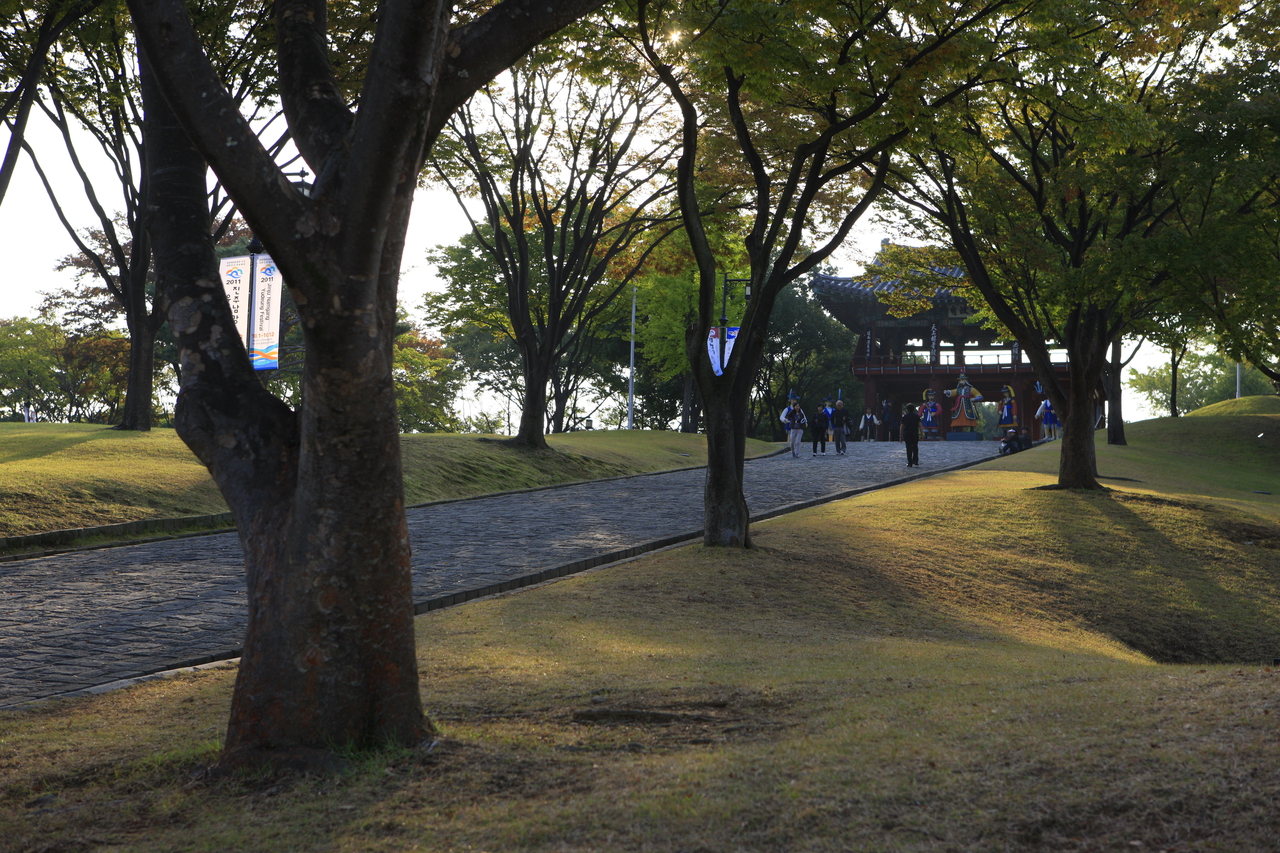
Jinju Castle & Chokseongnu Pavilion
진주성 촉석루Jinju Castle & Chokseongnu Pavilion, Jinju, Gyeongnam, South Korea
Jinjuseong Fortress is South Korea’s sacred patriotic bastion along the Namgang River, famed as the site of General Kim Si-min’s legendary 1592 Imjin War victory, housing Chokseongnu—one of Korea’s...
Morning (around 09:30-10:00)
Details→