Gyeongbuk•Mungyeong•Heritage•Historic Site
Mungyeong Saejae Mountain Pass
문경새재 도립공원
Powered by Korea Tourism OrganizationAddress: Mungyeong Saejae Mountain Pass, Mungyeong, Gyeongbuk, South Korea (경상북도 문경시 문경읍 새재로 932 (상초리 문경새재도립공원))
Editorial review pending

Mungyeong Saejae Mountain Pass representative scenic panoramaZoom


+1More
1 / 6
Mungyeong Saejae Mountain Pass representative scenic panorama
Curator's Guide & Overview
Comprehensive Guide1. Historical Origins & Cultural Background
Mungyeong Saejae is South Korea’s most celebrated cultural and ecological mountain pass, crossing the rugged spine of the Baekdudaegan mountain range between Mount Juheulsan and Mount Joryeongsan. Designated as National Scenic Site No. 32, its name literally translates to 'Bird Pass'—a route so towering and steep that even soaring birds had to rest their wings before crossing. During the Joseon Dynasty, when scholars from Gyeongsang Province journeyed to the capital of Hanyang (Seoul) to take the imperial civil service examinations (Gwageo), they avoided Chupungnyeong (believing its name meant 'falling like autumn leaves') and Jukryeong (fearing they would 'slip like slippery bamboo'), choosing Mungyeong Saejae instead because 'Mungyeong' auspiciously translates to 'hearing joyful news'.
2. Architectural Highlights & Key Structures
The pass is flanked by three monumental stone fortress gates engineered following the devastating Imjin War invasions: the First Gate (Juheulgwan), the Second Gate (Jogokgwan, tucked in a narrow gorge), and the Third Gate (Joryeonggwan, at the mountain pass summit on the provincial border). Spanning 6.5 kilometers between Gate 1 and Gate 3 is South Korea's premier barefoot walking course—a wide, smooth unpaved mountain track of finely sifted red clay and river sand flanked by babbling mountain streams and ancient pine groves. Near the first gate lies the sprawling Mungyeong Saejae Open Film Set, Asia's largest historical drama set featuring full-scale Joseon royal palaces, noble estates, and commoner thatched villages seen in Netflix blockbusters like *Kingdom*.
3. Four Seasons Landscape & Seasonal Visiting Charms
Mungyeong Saejae enchants visitors across all four seasons. Spring (April to May) brings delicate green willow branches, blooming mountain cherries, and sweet azaleas along the cool streams. Summer (June to August) is ideal for barefoot walking: travelers shed their socks and shoes to walk directly on the cool, damp red clay under dense tree canopies, dipping their feet into icy mountain torrents. Autumn (October to November) is the visual zenith: fiery crimson maples frame the stone archways and ancient fortress battlements under crystal-clear mountain skies. Winter dusts the fortress watchtowers, pine boughs, and thatch roofs in deep snow, offering serene, quiet winter trekking.
4. Operating Hours & Peak Viewing Times
The provincial park grounds, hiking trails, and barefoot red clay paths are open 24 hours daily year-round with no closing days. The Mungyeong Saejae Open Film Set operates daily from 09:00 to 18:00 (March to October) and 09:00 to 17:00 (November to February). Eco-friendly electric shuttle trams operate between the Old Road Museum and the Open Film Set from 09:00 to 17:30. Walking the gentle 3.0 km section from Gate 1 to Gate 2 takes about 50 minutes each way; completing the full 6.5 km trail to Gate 3 requires about 2 hours each way (4 hours round-trip).
5. Admission Fees & Concessions (Youth/Foreigner Discounts)
Admission to Mungyeong Saejae Provincial Park and the barefoot red clay trail is completely FREE for all visitors. Admission to the Mungyeong Saejae Open Film Set is 2,000 KRW for adults, 1,000 KRW for youth, and 500 KRW for children. The electric shuttle tram costs 2,000 KRW one-way for adults. Convenient foot-washing stations with cold mountain spring water and air blowers are provided free of charge at both the trailhead and Second Gate. Expansive municipal parking lots charge a flat fee of 2,000 KRW per car.
6. Public Transit & Subway Exit Directions
From Seoul, board an express bus from Dong Seoul Bus Terminal or Seoul Express Bus Terminal directly to Mungyeong Public Bus Terminal (approx. 1 hour 50 minutes to 2 hours). From Mungyeong Terminal, frequent local city buses (Route 20 series) reach the entrance of Mungyeong Saejae in just 10 minutes. Alternatively, a taxi from Mungyeong Terminal takes roughly 7 minutes and costs about 7,000 KRW. Driving from Seoul takes approximately 2 hours via the Jungbu Naeryuk Expressway (exit at Mungyeong Saejae IC).
7. Barrier-Free Accessibility & Visitor Amenities
Mungyeong Saejae is one of South Korea's finest models of accessible, barrier-free nature travel. The 3-kilometer trail between the park entrance and the Second Gate is a wide, smoothly graded, step-free compacted dirt road that accommodates baby strollers, manual wheelchairs, and electric scooters effortlessly. Electric shuttle trams provide easy transit to the film set for seniors and mobility-impaired visitors. Free wheelchairs and strollers are available for loan at the park visitor center. Multiple accessible restrooms are located along the route up to the Second Gate.
8. Recommended Walking Route & Highlights Tour
Recommended 3.5-Hour Barefoot Heritage Trek: Arrive at Mungyeong Saejae parking plaza → Remove shoes and socks at the barefoot trailhead foot-washing pavilion → Walk barefoot across the smooth red clay trail through the monumental arched gateway of Juheulgwan (First Gate) → Explore the royal throne hall and palace gates inside the Mungyeong Saejae Open Film Set → Continue walking barefoot along the crystal-clear mountain stream, passing the historic Gyogwijeong Pavilion and Yongchugol waterfall → Arrive at Jogokgwan (Second Gate) nested dramatically between sheer cliffs → Wash feet in the refreshing spring water and put on socks and shoes → Descend the trail or hop on the electric tram back to the entrance → Feast on grilled Mungyeong Yakdol pork bulgogi for lunch.
10. Dietary Options (Vegetarian, Halal & Allergen Guide)
Vegetarians will find comforting agrarian dining in the tavern village near the park entrance: savor Sanchae Bibimbap loaded with fresh wild mountain fernbrake, bellflower root, and mushrooms, accompanied by savory acorn jelly salad (Dotorimuk) and crispy potato pancakes. The local bakeries offer apple pastries and sweet red-bean treats. Halal and pescatarian diners can enjoy grilled deodeok root platters, mountain tofu stews, spicy buckwheat noodles (Makguksu), and fresh Omija beverages, all free from pork or beef broths.
11. Signature Photo Spots & Golden Hour Lighting
Iconic photographic perspectives: walking barefoot along the curving red clay path leading directly into the imposing stone arch of Juheulgwan (First Gate) with Mount Juheulsan towering in the background; posing in royal Joseon robes inside the throne room of the Open Film Set; framing the clear mountain stream reflecting the wooden pavilion of Gyogwijeong; and golden autumn maple leaves framing the weathered stone watchtower of Jogokgwan.
12. Visitor Etiquette & Cultural Property Regulations
Trail etiquette and regulations: when walking barefoot, watch for occasional small pebbles or twigs. Do not discard plastic wrappers or food scraps along the stream. Bathing or swimming in designated drinking water protection zones along the valley is prohibited. Pets are allowed on leashes on outdoor park trails, but are restricted inside the film set buildings. Smoking and open flames are strictly forbidden throughout the forested provincial park.
13. Safety Precautions & 1330 Tourism Hotline Support
Bring a small towel to dry your feet after washing them at the spring-water foot-washing stations. If you plan to hike past the Second Gate to the Third Gate (an additional 3.5 km of gentle mountain ascent), bring light hiking sneakers or running shoes in a small backpack. The deep mountain valley is significantly cooler than the plains; bring an extra layer outside midsummer. For park guides, tram timetables, and film set events, contact the Mungyeong Saejae Management Office at 054-571-0709 or dial 1330.
14. Nearby Connected Attractions & Walking Links
Nearby attractions: visit the Old Road Museum (Yetgil Museum) at the park entrance to explore Joseon-era travel gear and maps, ride the Mungyeong Eco World monorail and coal museum, experience the exhilarating Mungyeong Rail Bike along the river, or head 40 minutes east to Yeongju Buseoksa Temple (PLACE-GYEONGBUK-010).
15. Frequently Asked Questions (FAQ)
Q: Why did scholars prefer Mungyeong Saejae over other passes? A: Joseon scholars were superstitious about exam success; Chupungnyeong sounded like 'falling leaves' (implying failing the exam) and Jukryeong sounded like 'slippery bamboo' (implying slipping up), whereas 'Mungyeong' (聞慶) meant 'to hear joyful news', making Saejae the celebrated auspicious road to government honors. Q: Can everyone walk barefoot? A: Yes! The trail from Gate 1 to Gate 2 is specially sifted fine red clay and packed sand, making it exceptionally soft, gentle, and safe for walkers of all ages from toddlers to seniors.
16. Regional Extended Day Trip Itinerary
Mungyeong Saejae Historic Trail & Barefoot Healing Day Tour: Morning express bus from Seoul to Mungyeong Terminal → 10-minute bus to Mungyeong Saejae Provincial Park → Remove shoes and walk barefoot through Juheulgwan (First Gate) along the red clay stream trail → Tour the royal palaces and village streets of Mungyeong Open Film Set → Walk to Jogokgwan (Second Gate) through the cool forest gorge → Wash feet in spring water and dry with a towel → Savor charcoal-grilled Mungyeong Yakdol Pork bulgogi and chilled Omija ade for lunch → Visit the Old Road Museum → Browse local apple bakeries → Return to Seoul via express bus.
Essential Visitor Facts
Operating Hours
Park grounds & barefoot walking trails open 24/7 year-round; Mungyeong Open Film Set: daily 09:00 - 18:00 (summer) / 09:00 - 17:00 (winter); electric shuttle trams operate 09:00 - 17:30.
Admission / Price
Park admission & barefoot trail: completely FREE; Open Film Set: Adults 2,000 KRW, Youth 1,000 KRW, Children 500 KRW; Electric Shuttle Tram (1st Gate to Film Set): 2,000 KRW; Parking: 2,000 KRW.
Closed Days
Closed on Mondays/Tuesdays
Best Time to Visit
Morning (around 09:30-10:00)
Transit & Access Directions
From Seoul Express Bus Terminal (Gyeongbu) or Dong Seoul Terminal, take an intercity bus directly to Mungyeong Bus Terminal or Jeomchon Intercity Terminal (approx. 2 hours). From Mungyeong Terminal, take local City Bus 20 to Mungyeong Saejae entrance (approx. 10 minutes).
Accessibility & Special Amenities
Wheelchair ramps, tactile paving, accessible restrooms
Location Coordinates
Latitude: 36.7612
Longitude: 128.0785
Discover Themes & Highlights
Key interest areas and cultural highlights:
#mungyeong-saejae-provincial-park#VisitGyeongbuk#KoreaTravelAtlas
Community Traveler Reviews0 Reviews
Visitor tips, feedback, and questions submitted by real travelers.
No community reviews submitted yet. Be the first traveler to share your experience!
Connected Cultural Destinations
Handpicked nearby attractions and regional cultural highlights.

Daegwallyeong Highland Sheep Farm
대관령 양떼목장Daegwallyeong Highland Sheep Farm, Pyeongchang, Gangwon, South Korea
Daegwallyeong Highland Sheep Farm is South Korea’s iconic alpine pastoral paradise, situated at an altitude of 850 meters on the Baekdudaegan mountain ridge in Pyeongchang, featuring rolling green ...
Morning (around 09:30-10:00)
Details→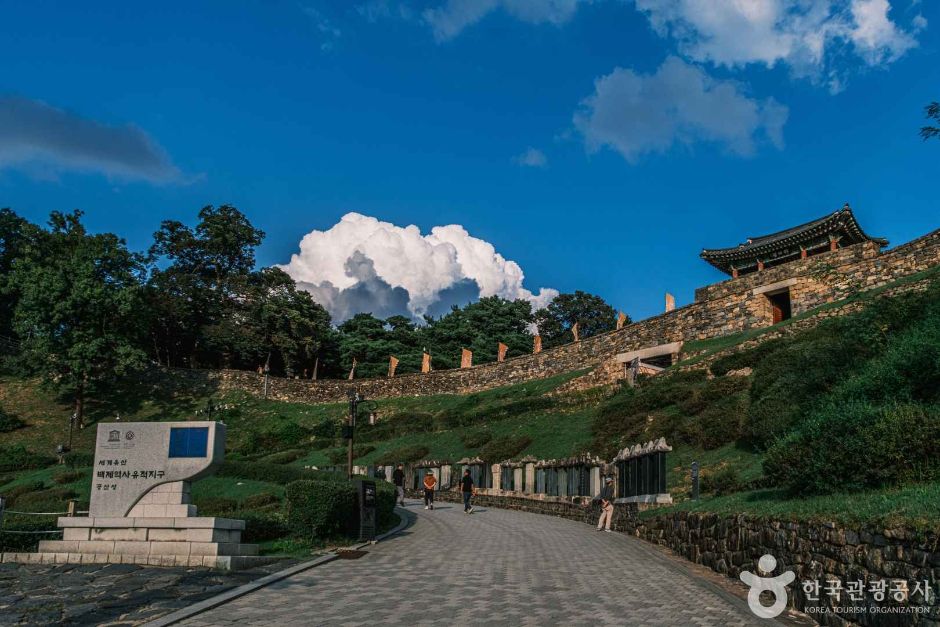
Gongju Gongsanseong Fortress (UNESCO)
공주 공산성Gongju Gongsanseong Fortress (UNESCO), Gongju, Chungnam, South Korea
Gongju Gongsanseong Fortress is a UNESCO World Heritage mountain rampart overlooking the Geumgang River, serving as the royal capital fortress of the ancient Baekje Kingdom (475–538 AD) during the ...
Morning (around 09:30-10:00)
Details→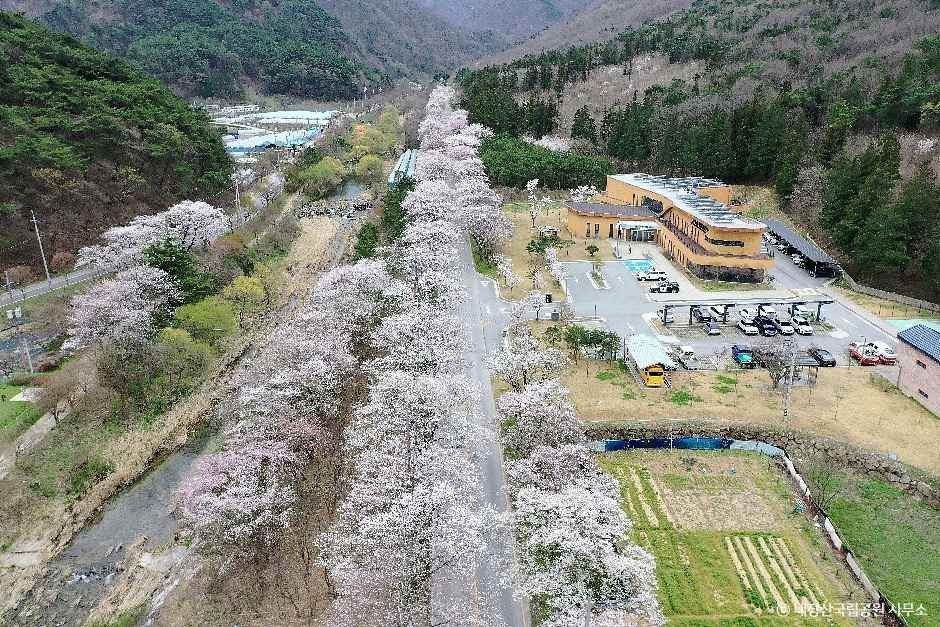
Naejangsan National Park (Autumn Foliage)
내장산국립공원Naejangsan National Park (Autumn Foliage), Jeongeup, Jeonbuk, South Korea
Naejangsan National Park is South Korea’s undisputed autumn foliage wonderland, renowned for its vivid crimson baby-leaf maples, the fairy-tale Uhwajeong water pavilion, soaring ridge cable car, an...
Morning (around 09:30-10:00)
Details→
Byeongsan Seowon Confucian Academy
안동 병산서원Byeongsan Seowon Confucian Academy, Andong, Gyeongbuk, South Korea
Byeongsan Seowon is a UNESCO World Heritage masterpiece of Neo-Confucian academy architecture, world-renowned for its sublime Mandaeru Pavilion—a soaring seven-bay open wooden pavilion that frames ...
Morning (around 09:30-10:00)
Details→