Gangwon•Inje•Nature•Garden & Forest
Wondaeri Whispering Birch Forest (Inje)
인제 원대리 자작나무숲
Powered by Korea Tourism OrganizationAddress: Wondaeri Whispering Birch Forest (Inje), Inje, Gangwon, South Korea (강원특별자치도 인제군 인제읍 자작나무숲길 760 (원대리))
Editorial review pending
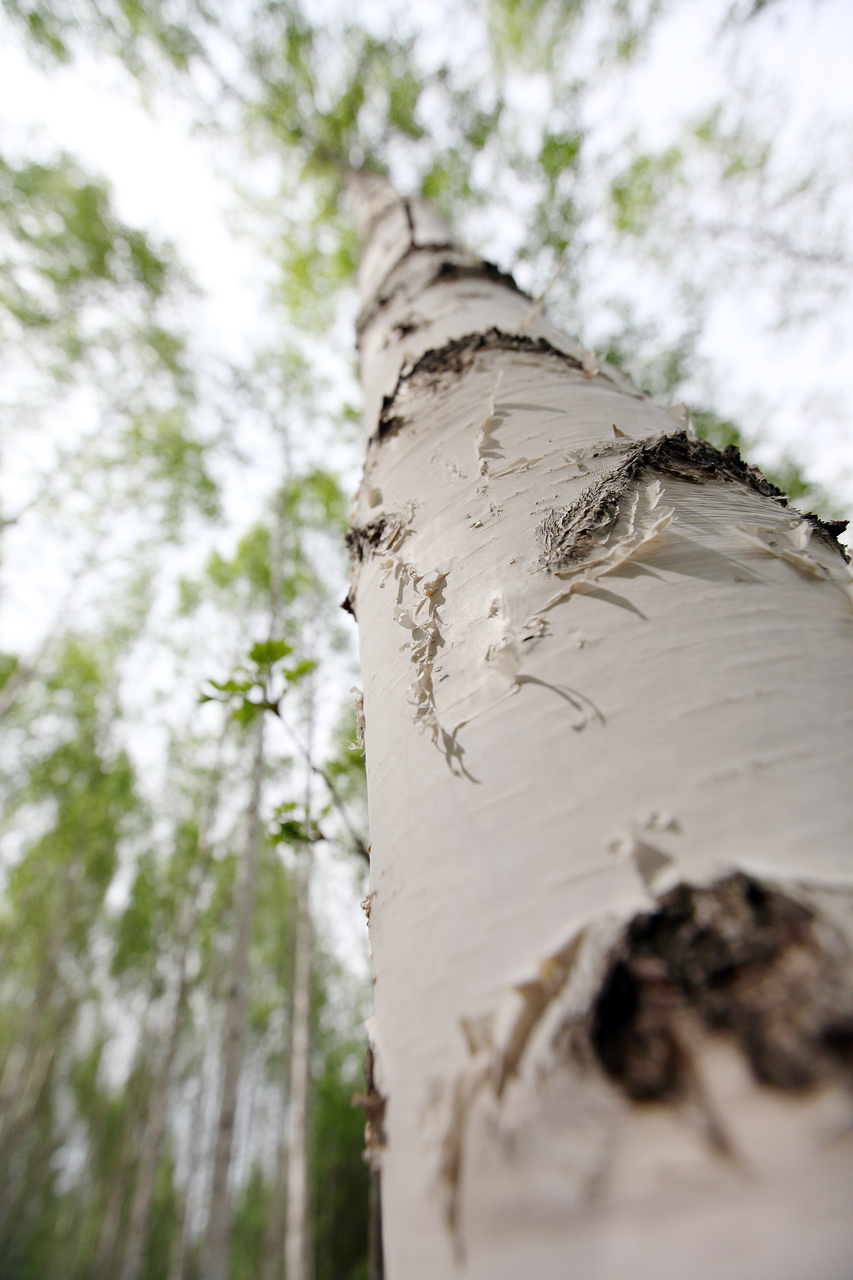
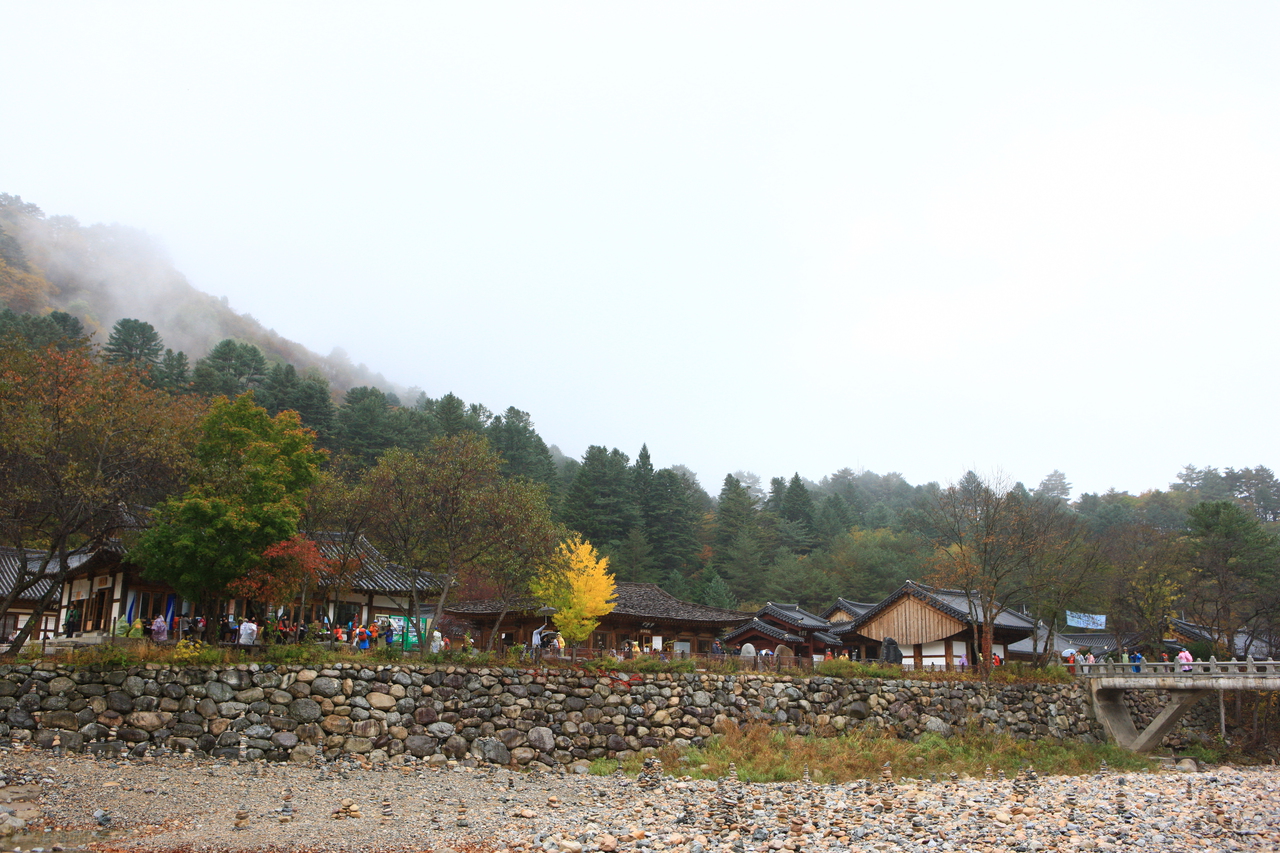
Wondaeri Whispering Birch Forest (Inje) representative scenic panoramaZoom
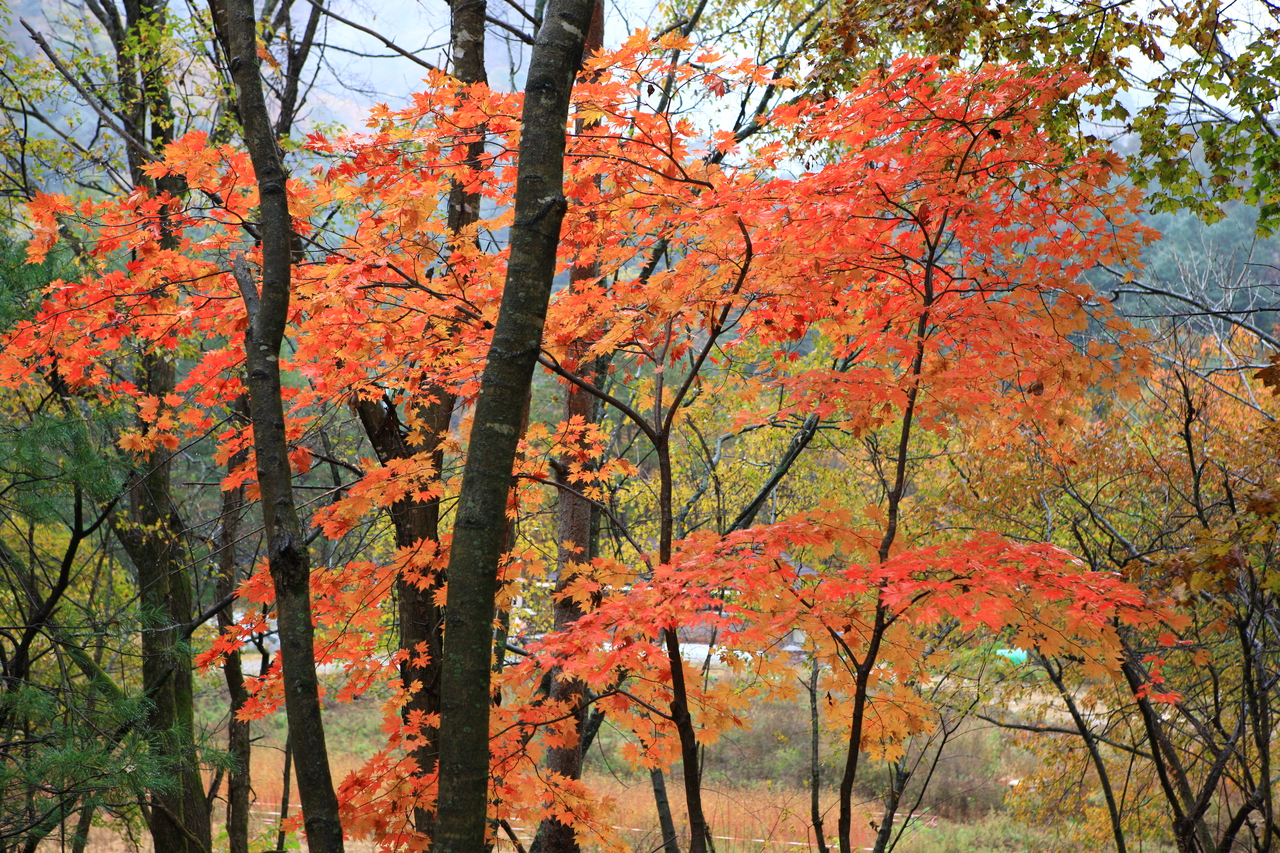
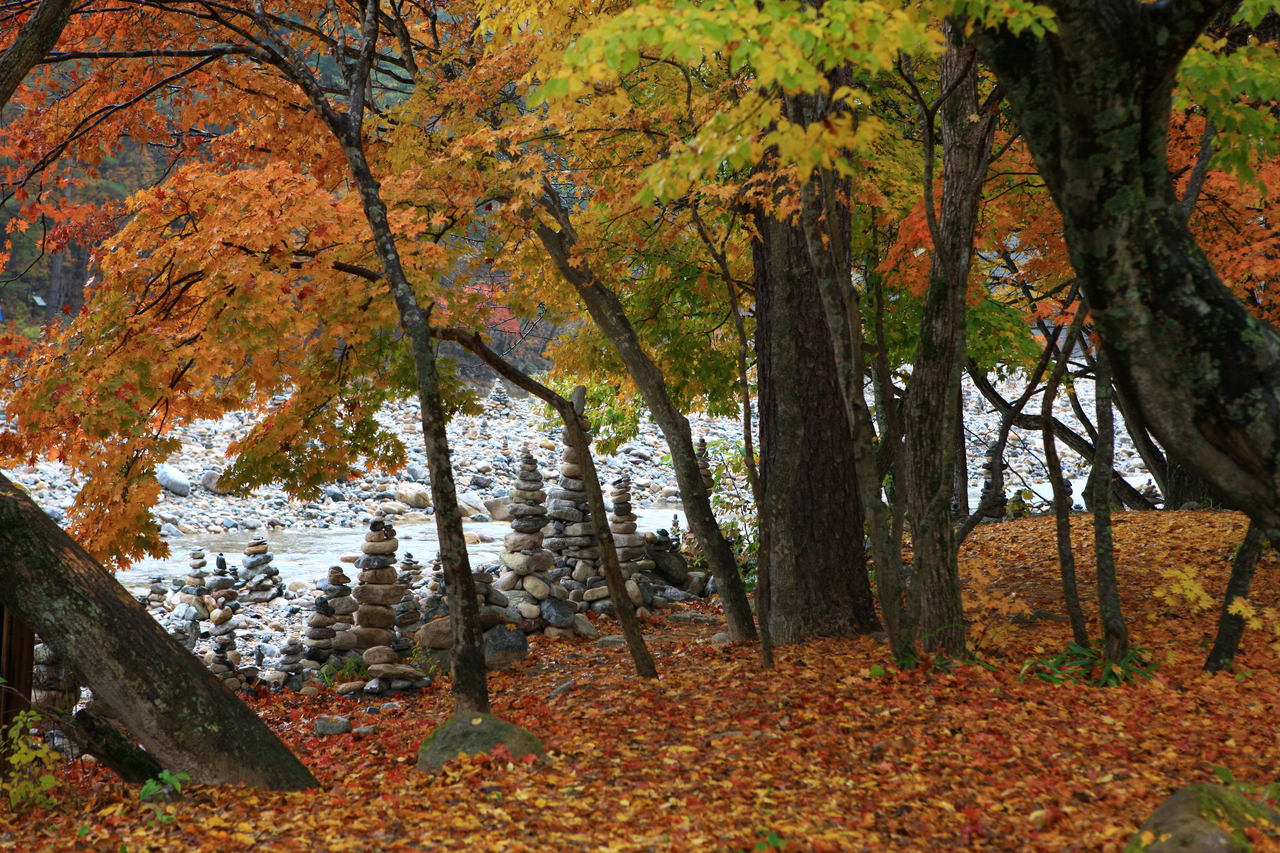
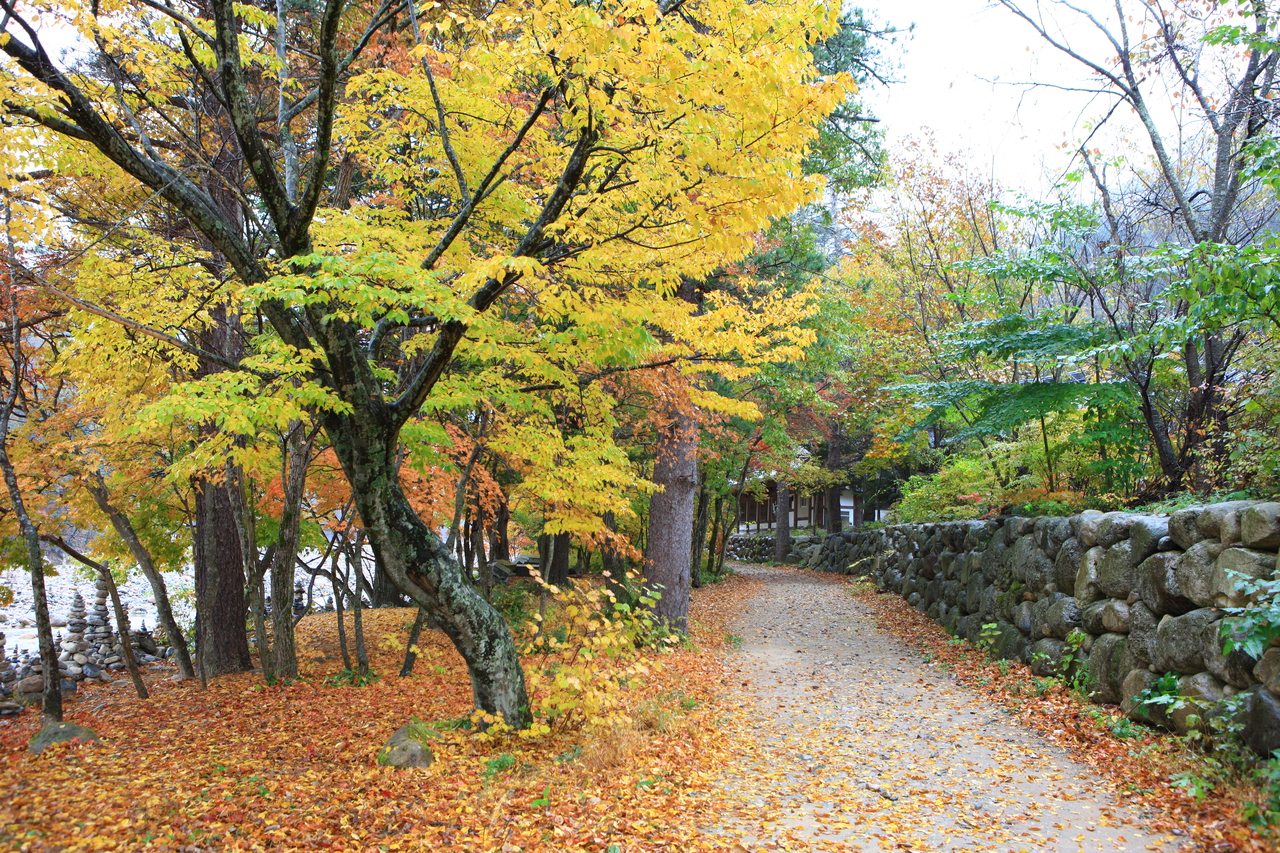
+1More
1 / 6
Wondaeri Whispering Birch Forest (Inje) representative scenic panorama
Curator's Guide & Overview
Comprehensive Guide1. Historical Origins & Cultural Background
Nestled on the slopes of Mount Maebongsan at an altitude of 700 to 800 meters, Wondaeri Whispering Birch Forest (Soksagineun Jajangnamu-sup) represents one of Korea's most triumphant ecological reforestation achievements. Originally damaged by pine shoot moths in the early 1990s, the Korea Forest Service cleared the degraded hillsides and planted nearly 700,000 Japanese white birch saplings across 138 hectares between 1989 and 1996. Opened to the public in 2012, it has transformed into a globally renowned sanctuary of silence and ecological splendor.
2. Architectural Highlights & Key Structures
The forest is centered on a core 25-hectare plateau densely populated with towering birches whose chalk-white, paper-thin papery bark contrasts dramatically against lush ferns and deep blue mountain skies. Rustic architectural elements dot the glade, including charming cone-shaped birch log tepees, a curved wooden forest classroom amphitheater, and raised timber boardwalks that meander through the trees without disturbing the subterranean root networks.
3. Four Seasons Landscape & Seasonal Visiting Charms
Spring witnesses delicate lime-green buds unfurling along slender white boughs as mountain streams rush with fresh meltwater (note the spring fire safety closure in March/April). Summer envelops the forest in a cool, oxygen-rich blanket of deep green foliage and abundant phytoncides, offering blissful respite from city heat. Autumn bathes the canopy in shimmering yellow and gold leaves that flutter down like gold coins. Winter is the most celebrated season of all, when deep snow blankets the mountain, rendering the birches an otherworldly, monochrome fairytale wonderland.
4. Operating Hours & Peak Viewing Times
The forest opens Wednesday through Sunday from 09:00 to 18:00 in summer (last entry at 15:00) and 09:00 to 17:00 in winter (last entry at 14:00). It is closed on Mondays and Tuesdays, as well as during the annual spring wildfire prevention period (usually March 2 to April 30). Because reaching the core birch sanctuary requires a steady 3.2-kilometer uphill trek (approx. 60 to 80 minutes) along the Wondae Forest Road, begin your ascent early morning before 10:30 for gentle temperatures and the quietest forest atmosphere.
5. Admission Fees & Concessions (Youth/Foreigner Discounts)
Admission to Wondaeri Birch Forest is entirely free of charge. Spacious public parking at the entrance visitor center is provided free. In winter, renting hiking cleats (crampons/aizen), which are strictly mandatory to prevent slipping on snow-packed forest trails, costs approximately 3,000 to 5,000 KRW at the trailhead shops.
6. Public Transit & Subway Exit Directions
From Seoul, board an intercity express bus from Dong Seoul Bus Terminal to Inje Intercity Bus Terminal (runs every 30-40 minutes, journey time approx. 1 hour 40 minutes). From the terminal taxi rank, take a local taxi directly to the Wondaeri Birch Forest Information Center (approx. 15 minutes, fare approx. 18,000 to 20,000 KRW). Alternatively, take rural bus 15 or 16 from the terminal to the Wondaeri entrance.
7. Barrier-Free Accessibility & Visitor Amenities
Reaching the high-altitude birch grove requires walking uphill along an unpaved forest service road (Wondae Imdo, 3.2 km, approx. 60-80 mins). This initial approach is not wheelchair accessible due to steep inclines and loose gravel. However, once at the core forest plateau, well-maintained wooden boardwalks and step-free viewing decks provide accessible navigation among the birches. Clean mountain composting restrooms are stationed at the trailhead and core forest plaza.
8. Recommended Walking Route & Highlights Tour
Recommended 4-Hour Forest Trekking Route: Check in at the Wondaeri Trailhead Information Booth → Ascend the scenic 3.2km Wondae Forest Road (Wondae-imdo) framed by pine and oak trees → Arrive at the Core Birch Grove (Course 1 Birch Path, 0.9km) → Photograph the iconic Birch Tepee and Forest Classroom → Mediate amid the whispering white trunks on the observation deck → Descend via the gentle 2.7km Birch Healing Path → Enjoy rustic buckwheat pancakes and wild greens at the trailhead village.
9. Local Food Specialties & Regional Flavors
Inje is renowned as South Korea's capital of Hwangtae (freeze-dried pollack), cured under sub-zero winter winds in the mountain fields of Yongdae-ri. Savor Hwangtae Gui (spicy grilled pollack seasoned with red pepper paste), rich, milky Hwangtae Haejangguk (soothing pollack soup simmered with radish and bean sprouts), savory potato jeon, and Sanchae Bibimbap topped with fresh wild mountain angelica and fiddleheads.
10. Dietary Options (Vegetarian, Halal & Allergen Guide)
The agrarian mountain community of Inje offers excellent dining for vegetarian and plant-based travelers. Local diners directly at the forest entrance serve hearty Sanchae Bibimbap (wild herbs, roots, sesame oil), hand-made Tofu hot pots (Dubu Jeongol), and buckwheat noodle pancakes (Memiljeon). Halal visitors will find Hwangtae pollack soup and vegetarian bibimbap compliant and nourishing.
11. Signature Photo Spots & Golden Hour Lighting
Legendary photo spots include: standing inside or beside the rustic Birch Log Tepee with snow or autumn leaves framing the apex, capturing a low-angle perspective looking directly up through the slender white trunks into the canopy and blue sky, walking through the shimmering birch avenue during winter when the ground is pure white snow, and standing on the wooden observation deck as morning light rays slice through the trees.
12. Visitor Etiquette & Cultural Property Regulations
The forest is a precious state conservation forest. Smoking, lighting stoves, and possessing lighters or matches are strictly prohibited under penalty of severe fines. Do not peel, scratch, or write graffiti on the white bark of the birch trees; peeling causes irreversible disease and kills the tree. Stay strictly on marked trails to protect the forest floor. In winter, wearing traction cleats (crampons) is mandatory.
13. Safety Precautions & 1330 Tourism Hotline Support
Because this is an active high-elevation mountain hike, wear sturdy hiking boots and carry at least 500ml of drinking water, as there are no beverage vendors inside the core forest. In winter, thermal layers, warm gloves, and hiking poles are essential. For seasonal opening status, call the Inje Forest Service Office at 033-460-8036 or call the 1330 Korea Travel Hotline.
14. Nearby Connected Attractions & Walking Links
Combine your hike with a visit to the Soyangho Lake Scenic Drive, the Inje Speedium Racing Circuit & Classic Car Museum, or the tranquil mountain hermitage of Baekdamsa Temple nestled within Seoraksan National Park's western slope.
15. Frequently Asked Questions (FAQ)
Q: Is the hike difficult for young children or elderly visitors? A: The 3.2km forest road to the grove has a steady moderate uphill incline that takes 60 to 80 minutes; it requires basic hiking fitness, but many families and seniors complete it comfortably at an easy pace. Q: Can pets enter the forest? A: No, pets are strictly prohibited to preserve the fragile ecological wildlife sanctuary.
16. Regional Extended Day Trip Itinerary
Inje Birch Forest Eco-Adventure: Morning express bus from Seoul to Inje Terminal → taxi to Wondaeri Birch Forest → 4-hour hike through the silver birch forest with a forest picnic → descend to village for Hwangtae-gui and wild herbs lunch → visit Inje Mountain Culture Museum → evening express bus return to Seoul.
Essential Visitor Facts
Operating Hours
Summer (May - Oct) Wed - Sun 09:00 - 18:00 (Entry by 15:00); Winter (Nov - Feb) Wed - Sun 09:00 - 17:00 (Entry by 14:00); Closed Mondays & Tuesdays (Seasonal spring fire closure in March/April)
Admission / Price
Free Public Admission
Closed Days
Open 365 Days
Best Time to Visit
Morning (around 09:30-10:00)
Transit & Access Directions
From Dongseoul Bus Terminal, take express bus to Inje Intercity Terminal (approx. 1 hr 40 mins), then take rural bus or taxi to Wondaeri Birch Forest Visitor Center (approx. 15 mins)
Accessibility & Special Amenities
Wheelchair ramps, tactile paving, accessible restrooms
Location Coordinates
Latitude: 38.0125
Longitude: 128.2512
Discover Themes & Highlights
Key interest areas and cultural highlights:
#wondaeri-birch-forest-inje#VisitGangwon#KoreaTravelAtlas
Community Traveler Reviews0 Reviews
Visitor tips, feedback, and questions submitted by real travelers.
No community reviews submitted yet. Be the first traveler to share your experience!
Connected Cultural Destinations
Handpicked nearby attractions and regional cultural highlights.

Seoraksan National Park (Sinheungsa)
설악산국립공원 (신흥사)1055 Seoraksan-ro, Sokcho-si, Gangwon-do
Seoraksan National Park, sprawling across Sokcho, Inje, and Yangyang in Gangwon-do, is a UNESCO Biosphere Reserve celebrated for its jagged granite spires, pristine mountain cascades, and rich biod...
Morning (around 09:30-10:00)
Details→
Nami Island (Chuncheon)
춘천 남이섬Nami Island (Chuncheon), Chuncheon, Gangwon, South Korea
Nami Island is South Korea’s globally acclaimed storybook cultural crescent island in Chuncheon, celebrated worldwide as the romantic birthplace of the Korean Wave (Hallyu) via ‘Winter Sonata’, fea...
Morning (around 09:30-10:00)
Details→
Odaesan National Park & Woljeongsa Fir Forest
오대산 월정사 전나무숲길Odaesan National Park & Woljeongsa Fir Forest, Pyeongchang, Gangwon, South Korea
Odaesan National Park and Woljeongsa Temple Fir Forest is a millennium-old Buddhist haven in Pyeongchang, famous for its 1,700 ancient needle fir trees, national treasures including the Octagonal N...
Morning (around 09:30-10:00)
Details→
Anbandeok Highland Rye Plateau
강릉 안반데기Anbandeok Highland Rye Plateau, Gangneung, Gangwon, South Korea
Gangneung Anbandeok is South Korea’s highest inhabited alpine agricultural plateau at 1,100 meters above sea level, famous for boundless emerald cabbage fields, giant white wind turbines, and world...
Morning (around 09:30-10:00)
Details→