Historical Origins & Cultural Background
The name Mabeejeong ('Flying Horse Pavilion') derives from a poignant Joseon legend of a courageous steed named Beehee that could run as fast as an arrow; when its master mistakenly judged its speed, the loyal horse leaped to its death, prompting weeping villagers to build a shrine. In 2012, local artist Lee Jae-do painted every wall of this isolated 35-household village using warm ochre earth tones, creating Korea’s most cohesive rural narrative art village.
Architectural Highlights & Key Structures
Unlike urban pop-art mural alleys, Mabeejeong’s murals blend seamlessly into authentic yellow earthen plaster walls, wooden gateposts, and stone masonry. Clever three-dimensional trompe l'œil murals interact with real objects: an iron caldron integrated with a painted kitchen stove, a real ox halter linked to a painted spotted cow, and working hand water pumps. Natural wonders include a 100-year-old lacquer tree and two intertwined love trees (Yeonrimok).
Four Seasons Landscape & Seasonal Visiting Charms
Spring brings bright yellow cornus cherry blossoms and apricot blooms framing stone fences. Summer fills the valley with cool shade and green mountain breezes from Mount Biseulsan. Autumn is the golden hour of the village, when heavy branches of orange persimmons hang over painted mud walls, while winter offers quiet chimneys puffing woodsmoke into the crisp mountain air.
Barrier-Free Accessibility & Visitor Amenities
The main village lane climbs gently along a paved asphalt roadway. However, several side alleys consist of packed dirt and flagstones. Wheelchair access is smooth along the primary central corridor, while handrails assist elderly walkers. Accessible restrooms are located at the lower village parking plaza.
Recommended Walking Route & Highlights Tour
Bus turnaround entrance → pose with the wooden Flying Horse Gate → inspect the trompe l'œil Spotted Ox and Stone Mill murals → explore the Bamboo Forest Trail → visit the century-old Lacquer Tree and Entwined Trees → taste pumpkin pancakes at the Village Kitchen (approx. 90 minutes).
Local Food Specialties & Regional Flavors
Villagers operate small rustic open-air eateries serving Daegu mountain delicacies: freshly harvested water dropwort pancakes (minari-jeon), hand-cut kalguksu noodle soup, piping-hot boiled tofu with seasoned kimchi, and sweet homemade pumpkin sikhye (fermented rice beverage).
Dietary Options (Vegetarian, Halal & Allergen Guide)
The village food culture is deeply plant-based; wild mountain vegetable bibimbap (sanchae-bibimbap), acorn jelly salad, and vegetable pancakes are prepared fresh without meat or artificial additives upon request.
Signature Photo Spots & Golden Hour Lighting
Iconic photo spots: pretending to pull the stone grinder with the painted spotted ox, washing hands at the antique hand-pump mural with real running water, and standing under the ripe persimmon branches framing an ochre thatched-roof cottage wall.
Visitor Etiquette & Cultural Property Regulations
Mabeejeong is a living farming community predominantly inhabited by senior citizens. Do not enter private farm courtyards, do not pick persimmons or crops, speak in quiet voices, and carry all personal trash out of the village.
Safety Precautions & 1330 Tourism Hotline Support
The village community center maintains first aid kits. Emergency vehicle access is maintained via the main road. The Daegu Tourist Information Hotline 1330 provides phone interpretation.
Nearby Connected Attractions & Walking Links
Nampyeong Moon Clan Historic Village in Inheung sits just 5 minutes down the mountain by bus, while the sprawling Daegu Arboretum is a 10-minute subway ride from Daegok Station.
Frequently Asked Questions (FAQ)
Q: Is food available on weekdays?
Regional Extended Day Trip Itinerary
Morning visit to Mabeejeong Mural Village → Minari pancake and kalguksu lunch → afternoon stroll through Nampyeong Moon Clan Village → return via Daegok Station to downtown Daegu.
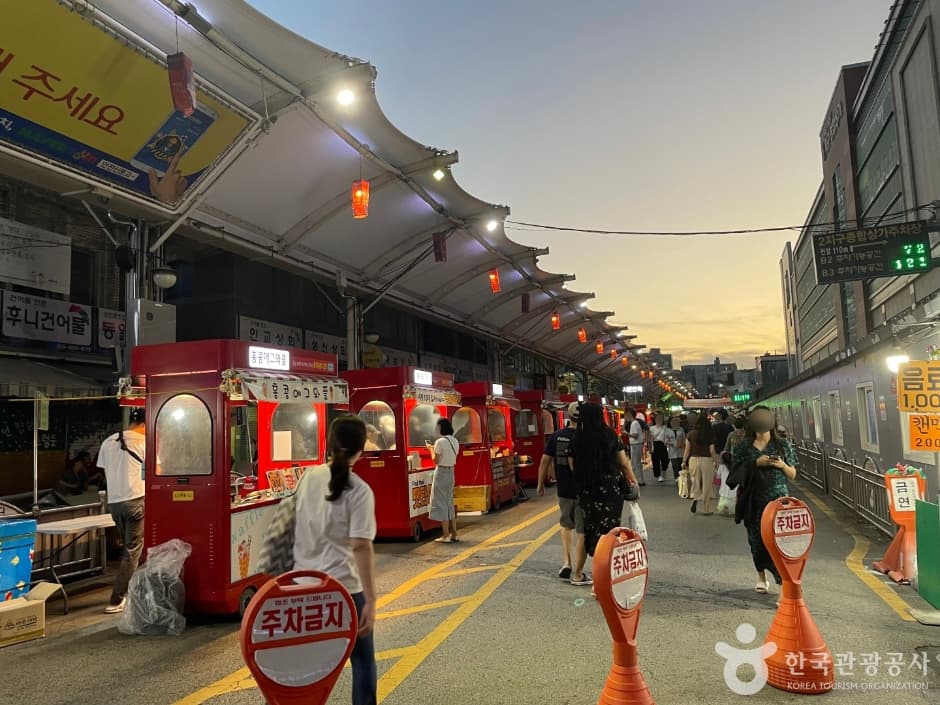 KTO photo