Daegu•Culture•Local Experience
Daegu Yangnyeongsi Oriental Medicine Market
대구 약령시 한의약박물관
Powered by Korea Tourism OrganizationAddress: Daegu Yangnyeongsi Oriental Medicine Market, Daegu, South Korea (대구광역시 중구 달구벌대로415길 56 (남성로))
Editorial review pending
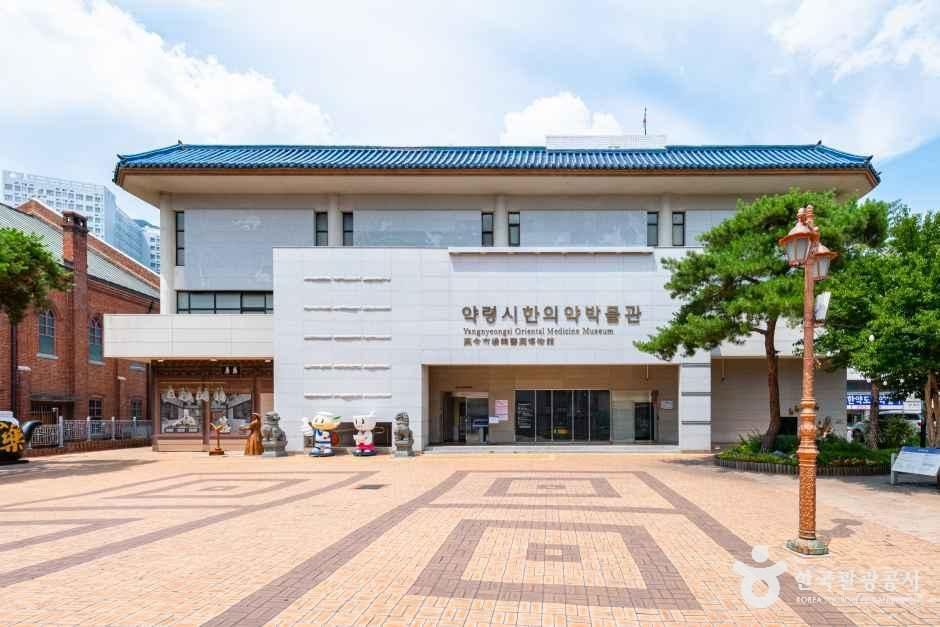
Daegu Yangnyeongsi Oriental Medicine Market representative scenic panoramaZoom
+1More
1 / 6
Daegu Yangnyeongsi Oriental Medicine Market representative scenic panorama
Curator's Guide & Overview
Comprehensive Guide1. Historical Origins & Cultural Background
Established in 1658 (the 9th year of King Hyojong of the Joseon Dynasty) under royal decree, Daegu Yangnyeongsi was an officially sanctioned seasonal fair where tribute herbs and rare medicinal roots collected from across the Korean peninsula, Ming China, and Japan were assembled and inspected. Operating continuously for over 360 years, it remains the historic epicenter of traditional Korean medicine (Hanbang).
2. Architectural Highlights & Key Structures
The 700-meter corridor along Namseong-ro is permeated with the sweet, earthy aroma of drying angelica, ginseng, and licorice root. The focal point is the Daegu Yangnyeongsi Museum of Oriental Medicine, housed in a contemporary facility modeled after Joseon royal medical clinics (Hyeminseo), fronted by traditional stone medicine-grinding statues and an outdoor herbal foot reflexology court.
3. Four Seasons Landscape & Seasonal Visiting Charms
Spring welcomes travelers with the annual Daegu Yangnyeongsi Herbal Medicine Culture Festival, featuring historical doctor reenactments and free medical consultations. Summer offers air-conditioned interactive exhibitions and cooling herbal teas like Omija (schisandra berry). Autumn aligns with post-harvest ginseng and herbal auctions, while winter attracts visitors to warm medicinal foot baths.
4. Operating Hours & Peak Viewing Times
The Yangnyeongsi Museum of Oriental Medicine is open Tuesday through Sunday from 09:00 to 18:00 (last admission 17:30, closed Mondays and New Year's Day). The outdoor herbal foot spa operates from 10:00 to 17:00. Traditional apothecary shops generally operate from 09:00 to 19:00 Monday through Saturday.
5. Admission Fees & Concessions (Youth/Foreigner Discounts)
General admission to the Museum of Oriental Medicine exhibitions is completely free. Hands-on wellness programs carry nominal fees: warm herbal foot bath (5,000 KRW for 20 minutes including medicinal herb pouch and herbal tea), and herbal soap making (3,000 KRW).
6. Public Transit & Subway Exit Directions
Take Daegu Metro Line 1 or Line 2 to Banwoldang Station and walk out of Exit 16 or 18. Walk straight for 3 minutes north towards Namseong-ro. Alternatively, take Line 1 to Jungangno Station (Exit 1) and walk 4 minutes west.
7. Barrier-Free Accessibility & Visitor Amenities
The museum is thoroughly barrier-free with elevator access to all exhibition levels, smooth interior rampways, and wheelchair-accessible restrooms. The outdoor herbal foot spa includes dedicated ramped access for mobility-impaired visitors.
8. Recommended Walking Route & Highlights Tour
Begin at the museum 3rd-floor Joseon Oriental Clinic exhibition → experience pulse diagnosis and digital body-type analysis (Sasang constitutional medicine) → stroll through 2nd-floor herbal herbarium → enjoy a 20-minute hot herbal foot bath → stroll through the fragrant Namseong-ro apothecary street → visit adjacent historic Gyesan Catholic Cathedral.
9. Local Food Specialties & Regional Flavors
Herbal culinary specialties define the neighborhood: Samgyetang (ginseng chicken soup slow-simmered with ten restorative herbs at Keungol Jip), medicinal herbal galbi-tang (beef short rib soup), and warm cups of traditional Ssanghwa-cha (restorative black herbal tea served with egg yolk and pine nuts).
10. Dietary Options (Vegetarian, Halal & Allergen Guide)
The Yangnyeongsi district is inherently plant-focused; herbal tea lounges serve pure medicinal decoctions without animal additives. Traditional bibimbap restaurants along modern history alleyways provide vegetable and mushroom varieties with perilla oil.
11. Signature Photo Spots & Golden Hour Lighting
Top photo spots include the giant bronze herb-cutting guillotine (Jakdu) monument at the museum courtyard, trying on traditional Joseon court royal doctor and nurse (Uinyeo) costumes at the 3rd-floor photo zone, and relaxing with feet submerged in the steaming outdoor herbal foot spa.
12. Visitor Etiquette & Cultural Property Regulations
Maintain a quiet and respectful atmosphere inside the museum gallery. Follow foot spa staff guidelines by rinsing feet thoroughly before entering the shared medicinal wooden tubs.
13. Safety Precautions & 1330 Tourism Hotline Support
First aid supplies and medical personnel are stationed at the museum reception desk. Aed automatic defibrillators are installed on both floors. The tourist assistance hotline 1330 provides real-time multilingual interpretation.
14. Nearby Connected Attractions & Walking Links
The historic red-brick Gyesan Catholic Cathedral and the Poet Lee Sang-hwa House sit just 2 minutes walk south along the Modern History Walking Route 2.
15. Frequently Asked Questions (FAQ)
Q: Can foreign travelers buy medicinal ginseng and herbs to bring home? A: Yes, vacuum-sealed dried Korean red ginseng, herbal tea packs, and licensed cosmetics are sold with English ingredient labels and comply with international customs regulations.
16. Regional Extended Day Trip Itinerary
Morning visit to Yangnyeongsi Museum and herbal foot bath → ginseng chicken soup lunch at Keungol Jip → afternoon exploration of Gyesan Cathedral and Modern Alley Route 2 → evening shopping in Dongseongro.
Essential Visitor Facts
Operating Hours
Museum: 09:00 - 18:00 (Closed Mondays); Herbal Foot Bath: 10:00 - 17:00; Market: 09:00 - 19:00
Admission / Price
Museum Entry: Free; Herbal Foot Bath Experience: 5,000 KRW
Closed Days
Open 365 Days
Best Time to Visit
Morning (around 09:30-10:00)
Transit & Access Directions
Daegu Metro Line 1 & Line 2 Banwoldang Station Exit 16 or 18 (3 min walk) or Line 1 Jungangno Station Exit 1
Accessibility & Special Amenities
Wheelchair ramps, tactile paving, accessible restrooms
Location Coordinates
Latitude: 35.8687
Longitude: 128.5907
Discover Themes & Highlights
Key interest areas and cultural highlights:
#daegu-yangnyeongsi-herb-museum#VisitDaegu#KoreaTravelAtlas
Community Traveler Reviews0 Reviews
Visitor tips, feedback, and questions submitted by real travelers.
No community reviews submitted yet. Be the first traveler to share your experience!
Connected Cultural Destinations
Handpicked nearby attractions and regional cultural highlights.

Seomun Market & Night Street
서문시장 야시장Seomun Market & Night Street, Daegu, South Korea
Seomun Market is Daegu’s historic Joseon-era wholesale marketplace, renowned for its massive night food street with over 80 gourmet food stalls, flat dumplings, and hand-cut noodles.
HalalMorning (around 09:30-10:00)
Details→
Dongseongro Youth Shopping District
동성로 쇼핑거리Dongseongro Youth Shopping District, Daegu, South Korea
Dongseongro is the beating cultural and commercial heart of Daegu, an energetic pedestrian shopping district packed with global fashion flagships, indie boutiques, and historic bakery cafes.
Morning (around 09:30-10:00)
Details→
Apsan Park & Sunset Observatory
앞산전망대 케이블카Apsan Park & Sunset Observatory, Daegu, South Korea
Apsan Park & Sunset Observatory is Daegu’s largest natural municipal park, spreading across scenic valleys and granite ridges of Mount Apsan at 600 meters above sea level. The mountain is crowned b...
Morning (around 09:30-10:00)
Details→
Kim Kwang-seok Memorial Street
김광석 다시그리기길Kim Kwang-seok Memorial Street, Daegu, South Korea
Kim Kwang-seok Memorial Street is a soulful 350-meter artistic mural lane honoring the iconic Korean folk-rock balladeer, filled with nostalgic bronze statues, acoustic music, and retro cafes.
Morning (around 09:30-10:00)
Details→