Daegu•Heritage•Buddhist Temple
Palgongsan Donghwasa Temple
팔공산 동화사
Powered by Korea Tourism OrganizationAddress: Palgongsan Donghwasa Temple, Daegu, South Korea (대구광역시 동구 팔공산로 201길 1 (도학동))
Editorial review pending
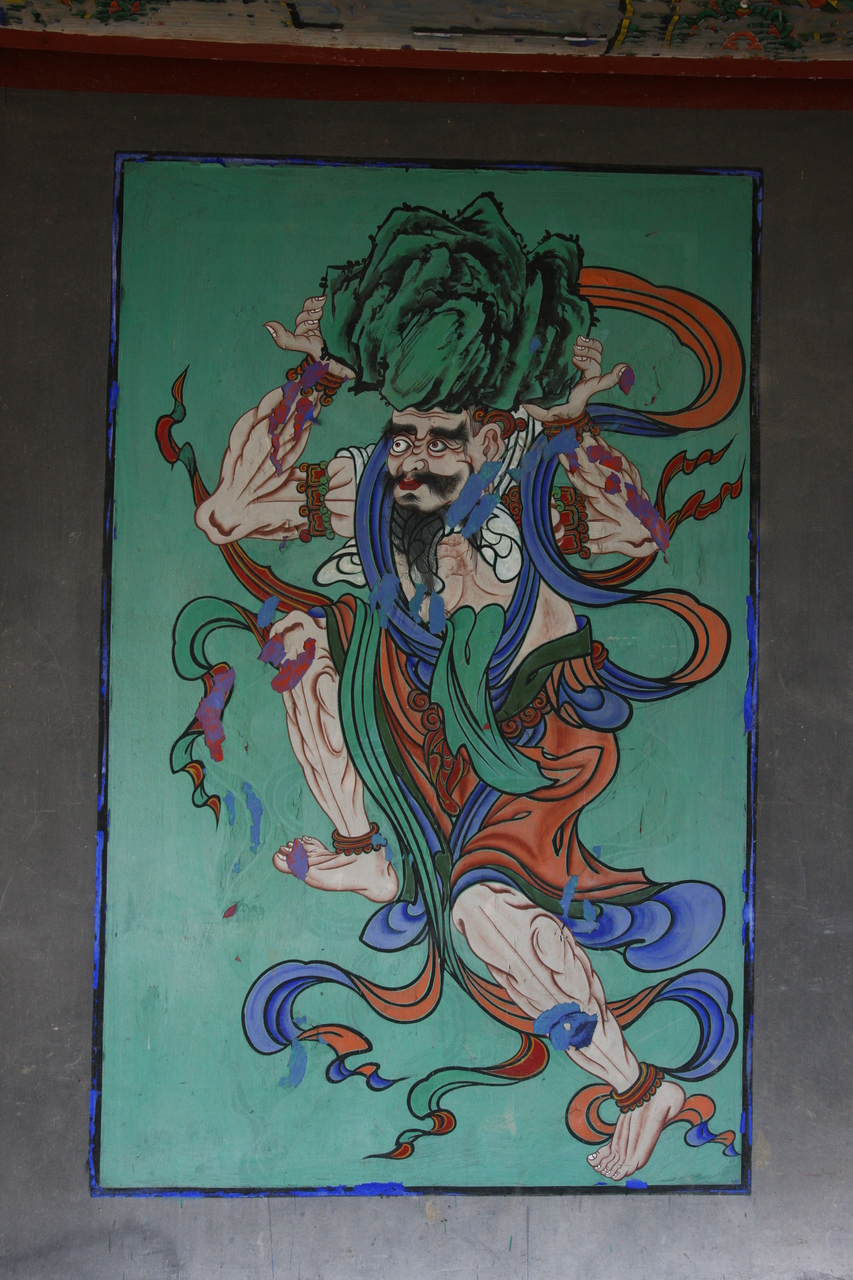
Palgongsan Donghwasa Temple representative scenic panoramaZoom
+1More
1 / 6
Palgongsan Donghwasa Temple representative scenic panorama
Curator's Guide & Overview
Comprehensive Guide1. Historical Origins & Cultural Background
Founded in 493 AD during the reign of Silla’s King Soji by monk Geukdal, the temple was originally named Yugasa. When Master Simji rebuilt it in 832 AD, paulownia blossoms (Donghwa) bloomed miraculously in deep winter amidst falling snow, earning the sanctuary its poetic name Donghwasa ('Paulownia Blossom Temple'). It serves as the head temple of the 9th District of the Jogye Order of Korean Buddhism.
2. Architectural Highlights & Key Structures
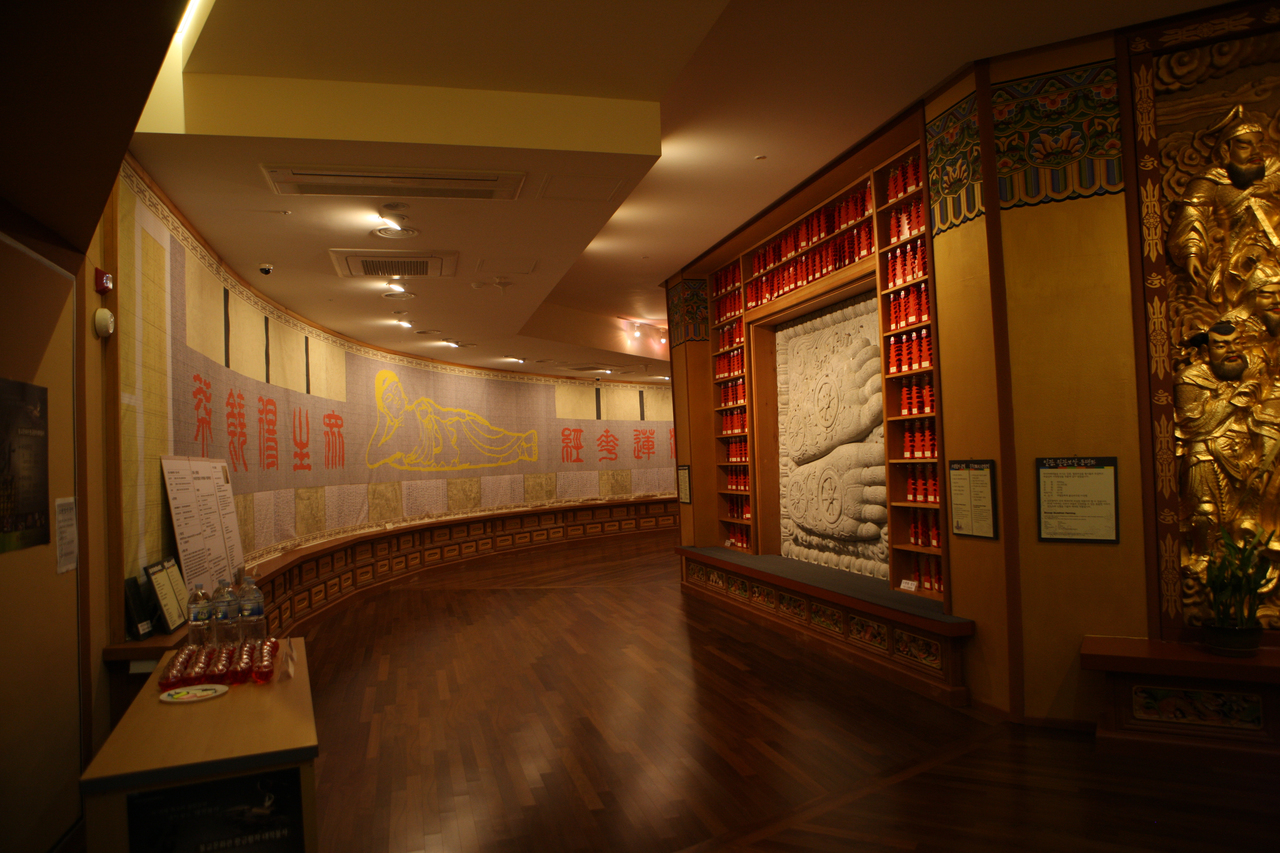
The complex centers upon the monumental Tongil Yaksa Yeoraedaebul (Grand Unification Medicine Buddha), carved from 2,000 tons of solid granite and soaring 33 meters into the mountain sky, fronted by two 17-meter stone pagodas. Other architectural treasures include the Joseon-era Daeungjeon Main Hall (Treasure No. 1563) with intricate floral latticework, and the ancient Seolbeopjeon lecture hall.
3. Four Seasons Landscape & Seasonal Visiting Charms
Spring brings pink cherry blossoms and azaleas lining the mountain access winding road. Summer provides cooling valley breezes along the pristine Sutaegol stream. Autumn is Donghwasa's crowning season, when Mount Palgongsan erupts into fiery crimson maples and golden oaks. Winter offers serene snow blankets draping temple pagodas and frozen mountain waterfalls.
4. Operating Hours & Peak Viewing Times
The temple grounds open daily from 08:00 to 18:00 year-round. The nearby Palgongsan Cable Car operates from 09:30 to 17:00 (extended to 17:30 or 18:00 on spring and autumn weekends). Visiting in early morning (08:30 - 10:30) allows visitors to hear the echoing temple bells and forest birds in absolute tranquility.
5. Admission Fees & Concessions (Youth/Foreigner Discounts)
Admission to Donghwasa temple grounds and the Tongil Daebul courtyard is completely free of charge. The separate Palgongsan Cable Car ride costs 13,000 KRW for a round-trip adult ticket (10,000 KRW for children).
7. Barrier-Free Accessibility & Visitor Amenities
Paved access roads connect the bus stop to the main temple halls. Step-free access ramps lead into the vast Tongil Daebul plaza. Modern wheelchair-accessible public restrooms are located adjacent to the parking area and the temple museum.
8. Recommended Walking Route & Highlights Tour
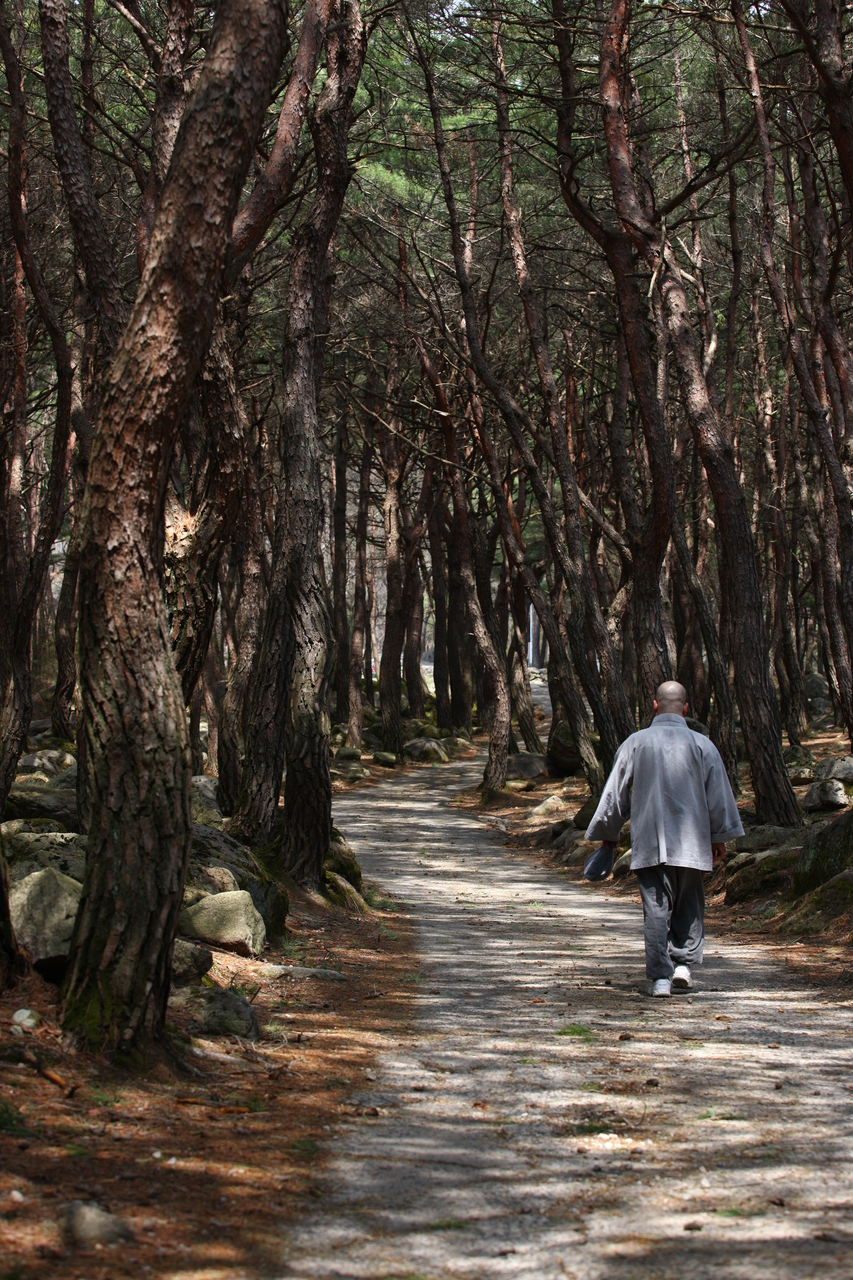
Enter through the Iljumun Gate → stroll along the pine-forested valley trail → cross the stone bridge over the mountain stream → visit Daeungjeon Main Hall → walk to the vast plaza of the 33-meter Tongil Daebul Buddha → explore the underground Zen Museum → take the Palgongsan Cable Car up to the mountain observation deck.
9. Local Food Specialties & Regional Flavors
The Donghwasa Food Village at the base of the mountain is celebrated for healthy mountain gastronomy: wild mountain vegetable bibimbap (sanchae-bibimbap), acorn jelly pancakes (dotorimuk-jeon), bubbling soft tofu stew (sundubu-jjigae), and whole herbal braised duck stew (baeksuk).
10. Dietary Options (Vegetarian, Halal & Allergen Guide)
As a premier Buddhist monastery, Donghwasa offers authentic Buddhist temple food experiences. Base restaurants serve purely plant-based menus featuring wild ferns, perilla seed soups, and pan-fried mountain herbs without alliums (garlic/onions).
11. Signature Photo Spots & Golden Hour Lighting
Key photography angles: standing beneath the towering 33-meter Tongil Daebul Buddha framed by Palgongsan’s jagged granite crags, the ancient wooden lattice doors of Daeungjeon Hall, and the vibrant autumn maple tunnel leading across the temple footbridge.
12. Visitor Etiquette & Cultural Property Regulations
Maintain a quiet, reverent demeanor inside Buddhist worship halls. Remove shoes before entering temple sanctuaries. Photography of interior Buddha statues during live prayer ceremonies is strictly forbidden.
13. Safety Precautions & 1330 Tourism Hotline Support
Temple office staff and emergency first aid stations are located near the administrative hall. Mountain hiking paths feature emergency distance markers. Multi-language travel hotline 1330 is available at all times.
14. Nearby Connected Attractions & Walking Links
Palgongsan Cable Car is a 10-minute walk west, while Gatbawi (the famous stone Buddha with a stone scholar hat) is reachable via a 15-minute bus ride to the southern hiking trail.
15. Frequently Asked Questions (FAQ)
Q: Does Donghwasa offer overnight Templestay programs? A: Yes, Donghwasa operates accredited experiential and monastic Templestay programs in English and Korean, offering temple bell ringing, 108 prostrations, and tea meditation with Buddhist monks.
16. Regional Extended Day Trip Itinerary
Morning visit to Donghwasa and the 33m Grand Buddha → mountain vegetable bibimbap lunch at Palgongsan village → afternoon Palgongsan Cable Car ride for summit views → evening return to downtown Daegu.
Essential Visitor Facts
Operating Hours
Temple Grounds: 08:00 - 18:00; Palgongsan Cable Car: 09:30 - 17:00 (Weekends until 17:30)
Admission / Price
Free Temple Admission (National Cultural Heritage Free Entry)
Closed Days
Closed on Mondays/Tuesdays
Best Time to Visit
Morning (around 09:30-10:00)
Transit & Access Directions
Daegu Metro Line 1 Ayanggyo Station Exit 2 -> transfer to Express Bus Palgong 1 (Donghwasa terminus, 35 min)
Accessibility & Special Amenities
Wheelchair ramps, tactile paving, accessible restrooms
Location Coordinates
Latitude: 35.9934
Longitude: 128.7056
Discover Themes & Highlights
Key interest areas and cultural highlights:
#donghwasa-temple#VisitDaegu#KoreaTravelAtlas
Community Traveler Reviews0 Reviews
Visitor tips, feedback, and questions submitted by real travelers.
No community reviews submitted yet. Be the first traveler to share your experience!
Connected Cultural Destinations
Handpicked nearby attractions and regional cultural highlights.

Seomun Market & Night Street
서문시장 야시장Seomun Market & Night Street, Daegu, South Korea
Seomun Market is Daegu’s historic Joseon-era wholesale marketplace, renowned for its massive night food street with over 80 gourmet food stalls, flat dumplings, and hand-cut noodles.
HalalMorning (around 09:30-10:00)
Details→
E-World & 83 Tower
이월드 83타워E-World & 83 Tower, Daegu, South Korea
E-World & 83 Tower is Daegu’s premier European-style theme park and metropolitan landmark, featuring thrilling rollercoasters, seasonal light festivals, and an observatory 312 meters in the sky.
Morning (around 09:30-10:00)
Details→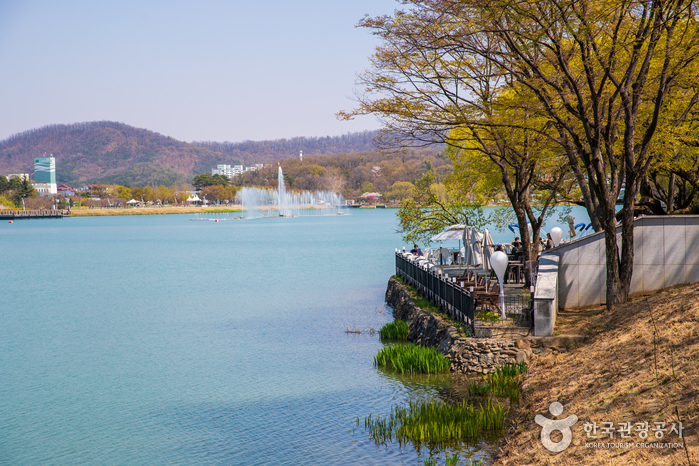
Suseong Lake & Light Park
수성못 유원지Suseong Lake & Light Park, Daegu, South Korea
Suseong Lake is Daegu’s favorite urban waterfront oasis, renowned for its 2-kilometer lakeside walking boardwalk, romantic duck boats, and spectacular evening musical water fountain shows.
Morning (around 09:30-10:00)
Details→
Bulguksa Temple (UNESCO)
불국사Bulguksa Temple (UNESCO), Gyeongju, Gyeongbuk, South Korea
Bulguksa Temple is a monumental UNESCO World Heritage Buddhist sanctuary founded in 751 under the unified Silla Dynasty on the slopes of Mount Tohamsan in Gyeongju. Renowned as the pinnacle of anci...
Morning (around 09:30-10:00)
Details→