Daegu•Market•Modern Shopping Street
Seomun Market & Night Street
서문시장 야시장
Powered by Korea Tourism OrganizationAddress: Seomun Market & Night Street, Daegu, South Korea (대구광역시 중구 큰장로26길 45 (대신동))
Editorial review pending

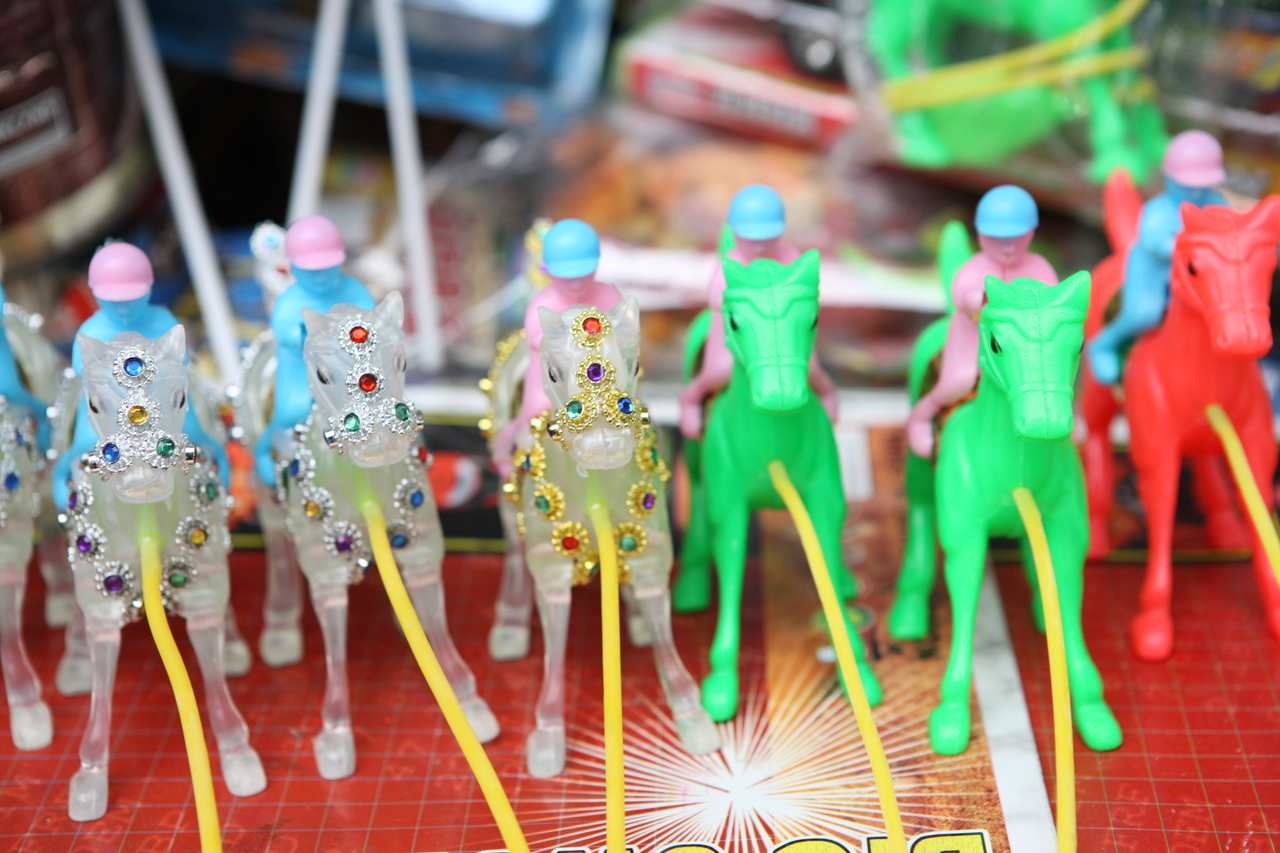
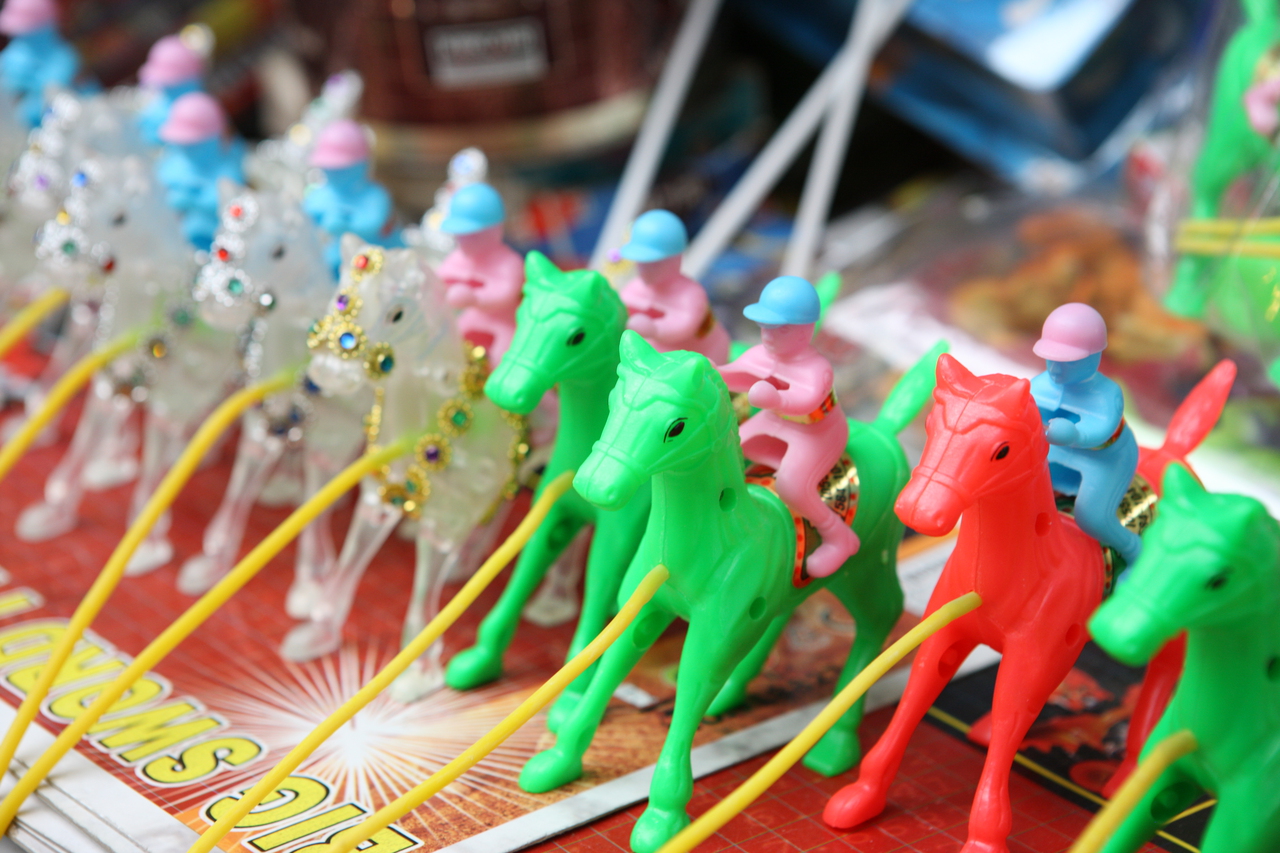
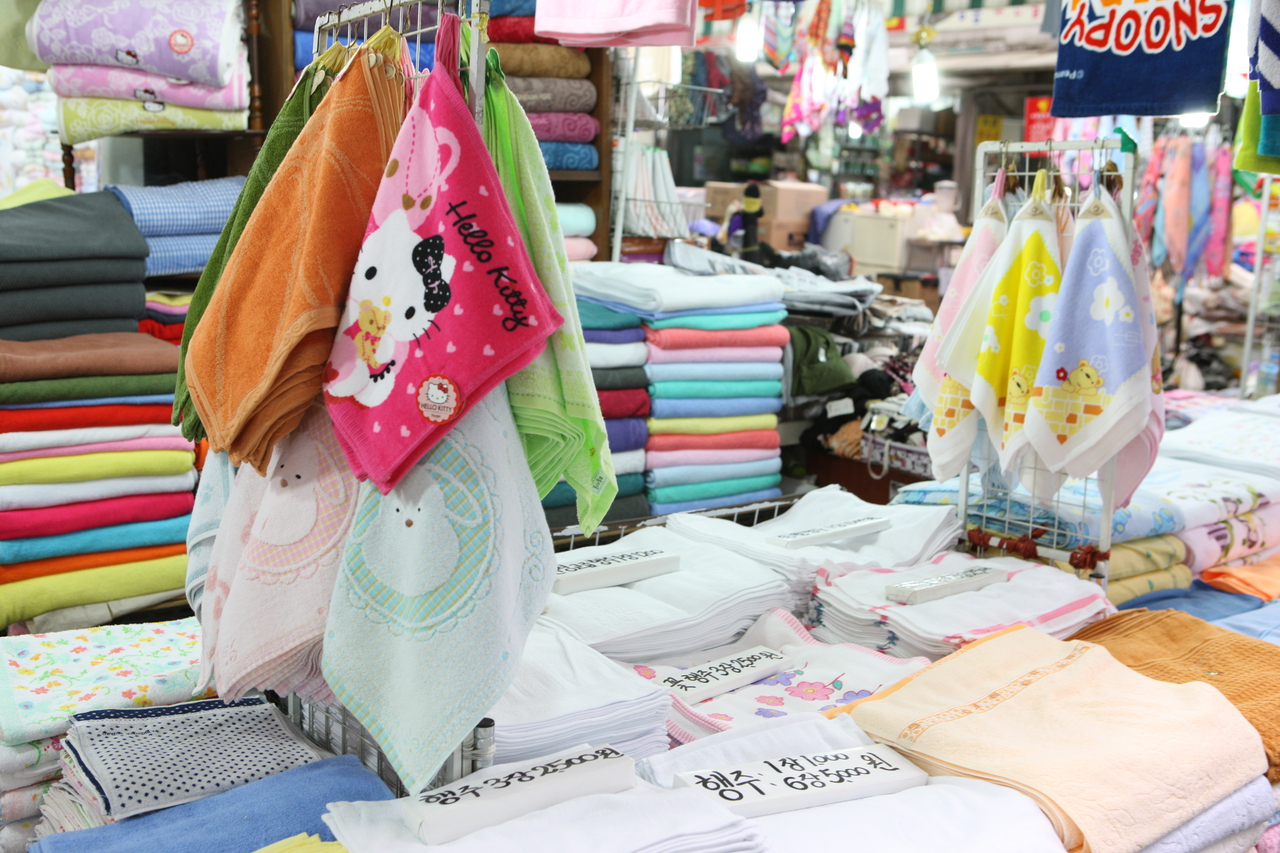
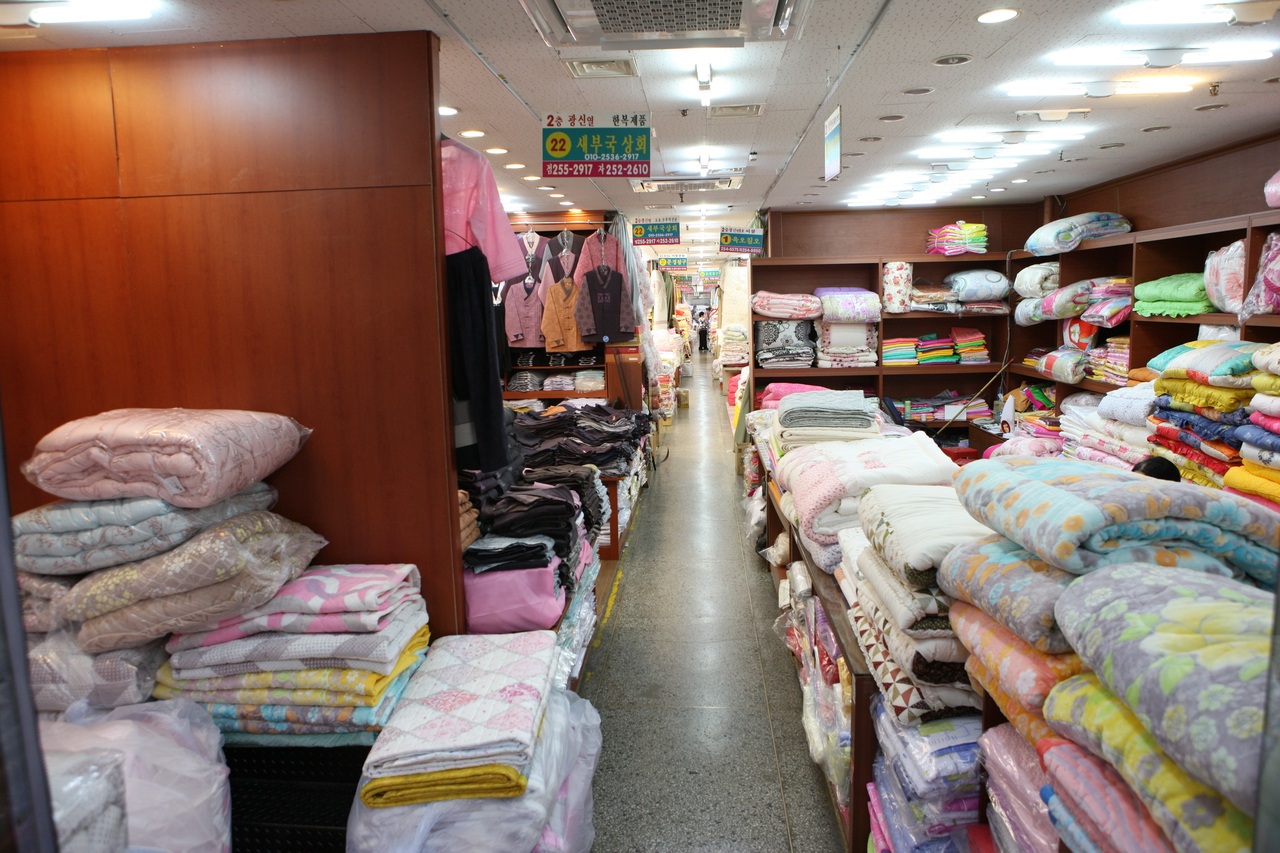
Seomun Market & Night Street representative scenic panoramaZoom
+1More
1 / 6
Seomun Market & Night Street representative scenic panorama
Curator's Guide & Overview
Comprehensive Guide1. Historical Origins & Cultural Background
Dating back to the middle Joseon Dynasty, Seomun Market (formerly Daegu Market) was celebrated alongside Pyongyang Market and Ganggyeong Market as one of the three largest commercial trading hubs in all of Joseon Korea. Relocated to its present site in 1920, the market has functioned for centuries as the regional powerhouse for textiles, silk trade, and wholesale commodities.
2. Architectural Highlights & Key Structures
The marketplace spans six massive multi-story commercial zones encompassing over 4,000 independent shops. The main architectural attraction at twilight is the central 350-meter open-air pedestrian concourse, which transforms into a dazzling culinary avenue illuminated by neon light installations, mobile yellow food carts, and live street performance stages.
3. Four Seasons Landscape & Seasonal Visiting Charms
Spring brings pleasant evenings ideal for strolls between food stalls. Summer turns the market into a lively heatwave retreat with iced misugaru drinks and chilled bibim noodles. Autumn fills the market with seasonal persimmons, regional apples, and crisp night air, while winter gathers crowds around steaming pots of fish cake broth and spicy tteokbokki.
4. Operating Hours & Peak Viewing Times
The traditional day market operates from 09:00 to 18:00 daily (closed the 1st and 3rd Sunday of each month). The famed Seomun Night Market opens every Friday, Saturday, and Sunday from 19:00 to 23:30 (and selected weekdays, closed Tuesdays). Arriving around 18:45 allows visitors to watch the spectacular procession of mobile food carts rolling into position.
5. Admission Fees & Concessions (Youth/Foreigner Discounts)
Admission to the market grounds and the night street is completely free. Street food items typically range from 3,000 KRW to 8,000 KRW per portion. All night market vendor stalls accept Korean credit cards, T-money transit cards, Samsung Pay, and mobile QR payments.
6. Public Transit & Subway Exit Directions
Take Daegu Metro Line 3 (the scenic yellow monorail) to Seomun Market Station and exit via Exit 2 or 3, which connects via an elevated covered skywalk directly into the market's main gate. Subway Line 2 Cheongna Hill Station is also accessible within an 8-minute flat walk.
7. Barrier-Free Accessibility & Visitor Amenities
The market concourse features level paved corridors and elevator access within main commercial building complexes. Modern accessible public restrooms equipped with diaper-changing stations and emergency buttons are located on the ground floor of Building 4 and the central customer service center.
8. Recommended Walking Route & Highlights Tour
Begin at Metro Line 3 elevated exit → browse daytime fabric and traditional bedding corridors in Building 1 & 2 → savor midday Kaljebi (hand-torn noodles) at Food Street Alley No. 2 → stroll to Dongsan Medical Center historic missionary houses nearby → return at 19:00 to experience the vibrant night market street food stalls.
9. Local Food Specialties & Regional Flavors
Daegu culinary essentials are centered here: Napjak Mandu (pan-fried flat dumplings smothered in spring onions and chili powder), Kaljebi (half knife-cut noodles, half hand-pulled dough dumplings in savory anchovy kelp broth), spicy braised ribs (jjim-galbi), and skewered grilled pork belly rolls.
10. Dietary Options (Vegetarian, Halal & Allergen Guide)
Vegetarian diners can enjoy freshly griddled mung bean pancakes (bindaetteok), vegetable gimbap, sweet hotteok pancakes, and cold acorn jelly salad (dotorimuk-muchim). Halal chicken skewers and vegetarian noodle options are marked with clear English signage at multiple night stalls.
11. Signature Photo Spots & Golden Hour Lighting
Best photo spots include the elevated platform of Metro Line 3 capturing yellow monorail trains gliding over the bustling market rooflines, the illuminated neon entrance archway of the night market, and sizzling close-ups of flat dumplings browning on giant circular griddles.
12. Visitor Etiquette & Cultural Property Regulations
Seomun Market is a bustling, high-density working market. Keep to the right along narrow corridors, respect queues at popular food stalls, return disposable trays to designated recycling stations, and refrain from smoking throughout market streets.
13. Safety Precautions & 1330 Tourism Hotline Support
On-site safety stewards in fluorescent vests patrol the night market. A fire station and an emergency medical booth are stationed at the main market entrance. For lost items or multilingual travel assistance, contact the Daegu Tourism Call Center or 1330.
14. Nearby Connected Attractions & Walking Links
Directly across the street stands Dalseong Park (3-minute walk north), while the historic Cheongna Hill Missionary Houses and the historic 3.1 Independence Movement Staircase sit 5 minutes south.
15. Frequently Asked Questions (FAQ)
Q: Is seating available at the night market? A: Yes, communal standing counters and covered picnic tables with umbrellas are situated along the median and adjacent plazas for dining comfortably on street food purchases.
16. Regional Extended Day Trip Itinerary
Morning exploration of Seomun traditional textile market → lunch of Napjak Mandu and Kaljebi → afternoon walk through Cheongna Hill and Modern History Alley Route 2 → evening street gastronomy feast at Seomun Night Market.
Essential Visitor Facts
Operating Hours
Day Market: 09:00 - 18:00 (Closed 1st & 3rd Sundays); Night Market: 19:00 - 23:30 (Fri/Sat until 24:00, Closed Tuesdays)
Admission / Price
Free Market Entry
Closed Days
Open 365 Days
Best Time to Visit
Morning (around 09:30-10:00)
Transit & Access Directions
Daegu Metro Line 3 Seomun Market Station Exit 2 or 3 (Direct connecting overpass)
Accessibility & Special Amenities
Wheelchair ramps, tactile paving, accessible restrooms
✓ Halal Options Nearby
Location Coordinates
Latitude: 35.8690
Longitude: 128.5815
Discover Themes & Highlights
Key interest areas and cultural highlights:
#seomun-market#VisitDaegu#KoreaTravelAtlas
Community Traveler Reviews0 Reviews
Visitor tips, feedback, and questions submitted by real travelers.
No community reviews submitted yet. Be the first traveler to share your experience!
Connected Cultural Destinations
Handpicked nearby attractions and regional cultural highlights.

Dongseongro Youth Shopping District
동성로 쇼핑거리Dongseongro Youth Shopping District, Daegu, South Korea
Dongseongro is the beating cultural and commercial heart of Daegu, an energetic pedestrian shopping district packed with global fashion flagships, indie boutiques, and historic bakery cafes.
Morning (around 09:30-10:00)
Details→
Apsan Park & Sunset Observatory
앞산전망대 케이블카Apsan Park & Sunset Observatory, Daegu, South Korea
Apsan Park & Sunset Observatory is Daegu’s largest natural municipal park, spreading across scenic valleys and granite ridges of Mount Apsan at 600 meters above sea level. The mountain is crowned b...
Morning (around 09:30-10:00)
Details→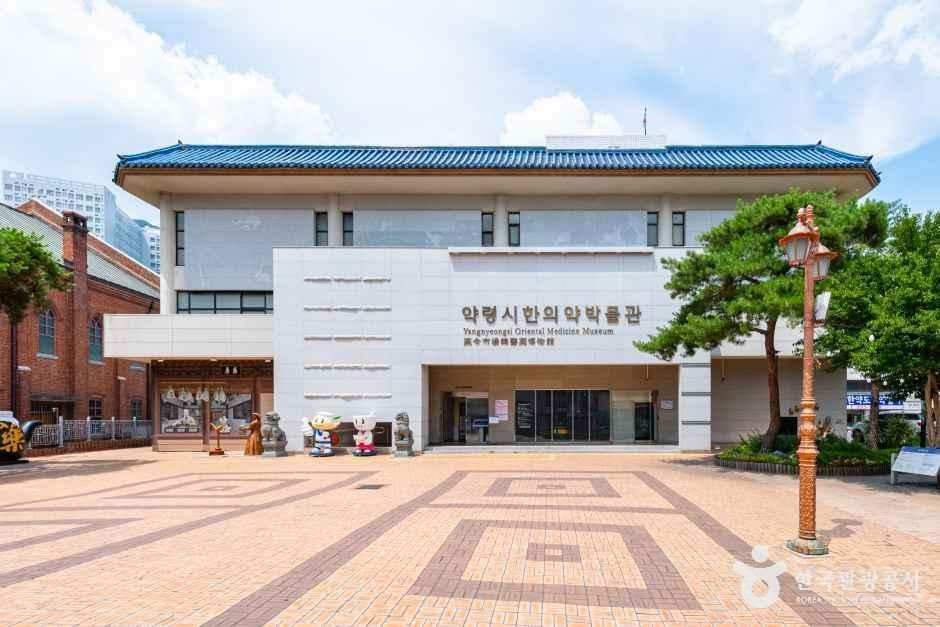
Daegu Yangnyeongsi Oriental Medicine Market
대구 약령시 한의약박물관Daegu Yangnyeongsi Oriental Medicine Market, Daegu, South Korea
Daegu Yangnyeongsi is Korea’s oldest traditional herbal medicine market founded in 1658, featuring an immersive oriental medicine museum, herbal foot spas, and aromatic heritage apothecary lanes.
Morning (around 09:30-10:00)
Details→
Dalseong Earthen Fortress Park
달성공원Dalseong Earthen Fortress Park, Daegu, South Korea
Dalseong Park is Daegu’s historic 2,000-year-old earthen fortress sanctuary, offering ancient walking ramparts, leafy heritage gardens, an urban zoo, and nostalgic historical shrines.
Morning (around 09:30-10:00)
Details→