Daegu•Heritage•Historic Fortress
Dalseong Earthen Fortress Park
달성공원
Powered by Korea Tourism OrganizationAddress: Dalseong Earthen Fortress Park, Daegu, South Korea (대구광역시 중구 달성공원로 35 (달성동))
Editorial review pending

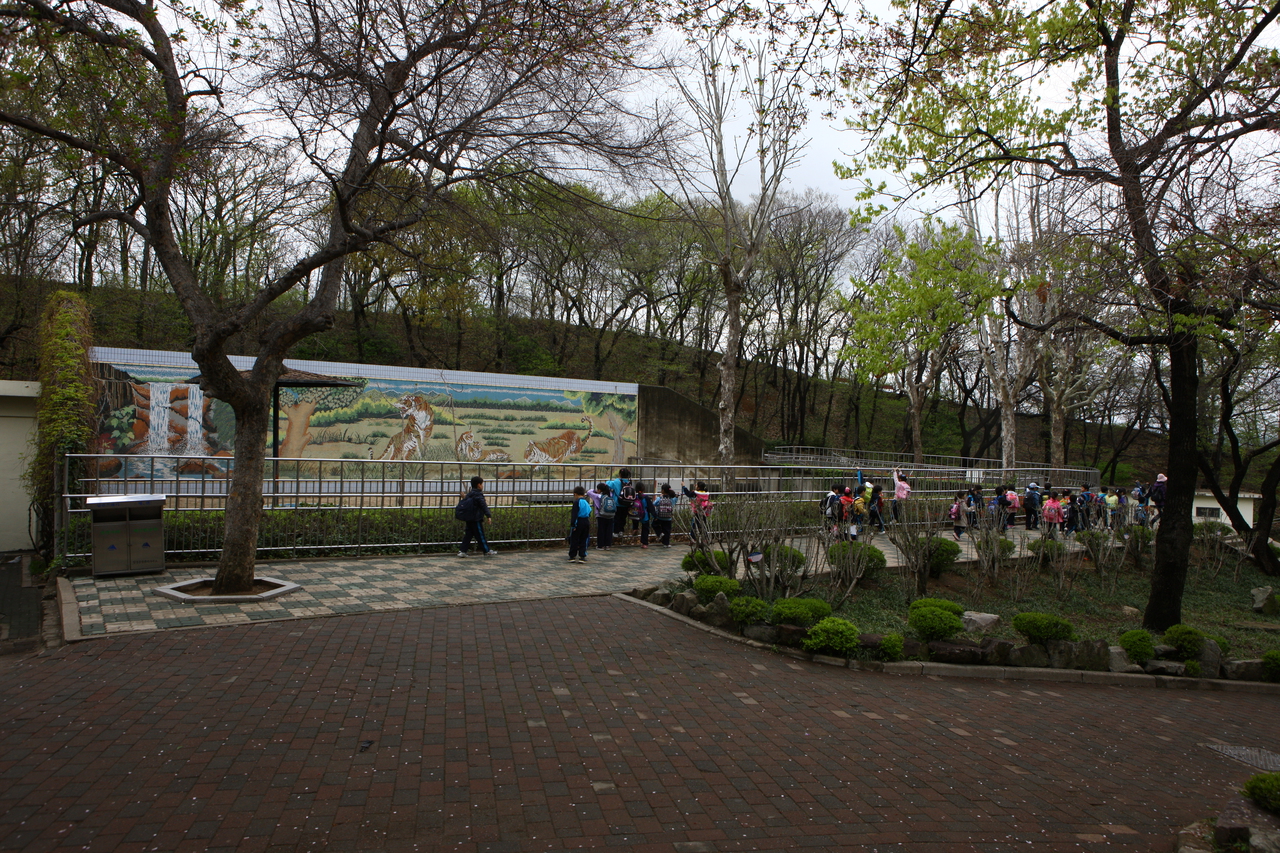
Dalseong Earthen Fortress Park representative scenic panoramaZoom


+1More
1 / 6
Dalseong Earthen Fortress Park representative scenic panorama
Curator's Guide & Overview
Comprehensive Guide1. Historical Origins & Cultural Background
Dalseong Earthen Fortress (Historic Site No. 62) is one of Korea’s earliest surviving proto-Three Kingdoms defensive earthworks, built along the natural hills of the Dalgubeol basin in the 2nd to 3rd centuries AD. Absorbed by Silla in 261 AD to serve as a regional military outpost, it was fortified with stone under King Seonjo in 1596 during the Imjin War, later serving as the provincial governor's headquarters (Gyeongsang-gamyeong) before its modern transformation into Daegu's first municipal park in 1905.
2. Architectural Highlights & Key Structures
The park is embraced by an undulating 1.3-kilometer ancient earthen embankment standing 4 to 6 meters tall, completely enveloped by centenarian zelkova, ginkgo, and weeping willow trees. Cultural landmarks scattered throughout include Gwanpungnu (an elegant Joseon wooden watchtower pavilion relocated from the governor's office), the memorial monument to Donghak founder Choe Je-u, and the Dalseong local zoo sheltering elephants, tigers, and exotic avian species.
3. Four Seasons Landscape & Seasonal Visiting Charms
Spring blankets the earthen embankment in pale pink cherry blossoms and fresh green shoots. Summer provides deeply shaded forest canopies and cool breezeways atop the rampart ridge. Autumn turns the ancient woodland into a vibrant sea of crimson maples and golden ginkgo foliage, while winter offers peaceful contemplative snowscapes across the quiet historic lawns.
4. Operating Hours & Peak Viewing Times
The park grounds open every day from 05:00 to 21:00 with free access. Zoo enclosures and animal exhibition areas operate daily from 10:00 to 17:00 (subject to animal health and seasonal weather adjustments). Early morning between 06:00 and 08:30 is favored by joggers and elderly locals practicing tai chi amidst birdsong.
5. Admission Fees & Concessions (Youth/Foreigner Discounts)
Admission to both Dalseong Park and its integrated municipal zoo is completely free for all visitors. Horse-drawn carriage tours along the outer perimeter operate on weekends for a small fee.
6. Public Transit & Subway Exit Directions
Take Daegu Metro Line 3 (the monorail line) to Dalseong Park Station and take Exit 2 or 3. Walk straight 250 meters east along Dalseonggongwon-ro to arrive directly at the imposing traditional red gate entrance within 3 minutes.
7. Barrier-Free Accessibility & Visitor Amenities
The central ring paths are wide, paved, and flat, offering smooth access for baby strollers and wheelchairs. The ridge trail along the top of the earthen rampart has occasional gentle staircases, while lower paths provide complete step-free circumnavigation. Accessible restrooms are located near the main entrance and the central fountain.
8. Recommended Walking Route & Highlights Tour
Enter through the Main Gate → climb up to the ancient Gwanpungnu Wooden Pavilion → walk along the crest of the 2,000-year-old earthen ramparts → visit the Choe Je-u Donghak monument → tour the tiger, elephant, and aviary zoo enclosures → rest under the grand centenarian zelkova tree lawn (approx. 90 minutes).
9. Local Food Specialties & Regional Flavors
Just outside the park gate lies Dalseong Pork Soup Alley (Dwaeji-gukbap), serving rich, steaming bowls of pork and rice soup accompanied by fresh garlic and salted shrimp for over 50 years. Famous Seomun Market culinary alleys sit just 5 minutes walk to the south.
10. Dietary Options (Vegetarian, Halal & Allergen Guide)
Traditional bakeries and fruit stands surround the main entrance plaza. Inside the park, picnic pavilions allow visitors to enjoy plant-based packed lunches. Authentic vegan temple stews are served near Seomun Market.
11. Signature Photo Spots & Golden Hour Lighting
Iconic photographic spots: looking up at the historic curved eaves of Gwanpungnu Pavilion framed by red maple leaves in autumn, the panoramic view of Daegu's cityscape looking through the ancient oak branches atop the earthen fortress ridge, and the grand traditional gate entrance.
12. Visitor Etiquette & Cultural Property Regulations
Feed no outside human food to the zoo animals under any circumstances. Respect the historical integrity of the earthen ramparts by staying on designated wood and gravel trails. Bicycles and e-scooters are prohibited inside the park.
13. Safety Precautions & 1330 Tourism Hotline Support
Park security rangers and an administrative office are situated near the front entrance. CCTV coverage monitors main promenades. Multilingual assistance is accessible via 1330.
14. Nearby Connected Attractions & Walking Links
Seomun Traditional Market and Night Market are located 5 minutes walk south, while Dalseong Park Station offers instant access via Metro Line 3 to Dongseongro and Kim Kwang-seok Memorial Street.
15. Frequently Asked Questions (FAQ)
Q: Is the zoo inside Dalseong Park truly free? A: Yes, Dalseong Park Zoo was established as Daegu's first public animal sanctuary in 1970 and has remained completely free of charge to all visitors for over 50 years.
16. Regional Extended Day Trip Itinerary
Morning tranquil stroll along the ancient ramparts of Dalseong Park → lunch of hearty Dwaeji-gukbap or Seomun market noodles → afternoon shopping and coffee in Dongseongro → evening night market street food tour.
Essential Visitor Facts
Operating Hours
Park Grounds: 05:00 - 21:00; Zoo Facilities: 10:00 - 17:00 (Year-round open)
Admission / Price
Free Public Admission (Both Park and Zoo)
Closed Days
Closed on Mondays/Tuesdays
Best Time to Visit
Morning (around 09:30-10:00)
Transit & Access Directions
Daegu Metro Line 3 Dalseong Park Station Exit 2 or 3 (3 min walk)
Accessibility & Special Amenities
Wheelchair ramps, tactile paving, accessible restrooms
Location Coordinates
Latitude: 35.8752
Longitude: 128.5772
Discover Themes & Highlights
Key interest areas and cultural highlights:
#dalseong-park#VisitDaegu#KoreaTravelAtlas
Community Traveler Reviews0 Reviews
Visitor tips, feedback, and questions submitted by real travelers.
No community reviews submitted yet. Be the first traveler to share your experience!
Connected Cultural Destinations
Handpicked nearby attractions and regional cultural highlights.

Seomun Market & Night Street
서문시장 야시장Seomun Market & Night Street, Daegu, South Korea
Seomun Market is Daegu’s historic Joseon-era wholesale marketplace, renowned for its massive night food street with over 80 gourmet food stalls, flat dumplings, and hand-cut noodles.
HalalMorning (around 09:30-10:00)
Details→
Dongseongro Youth Shopping District
동성로 쇼핑거리Dongseongro Youth Shopping District, Daegu, South Korea
Dongseongro is the beating cultural and commercial heart of Daegu, an energetic pedestrian shopping district packed with global fashion flagships, indie boutiques, and historic bakery cafes.
Morning (around 09:30-10:00)
Details→
Kim Kwang-seok Memorial Street
김광석 다시그리기길Kim Kwang-seok Memorial Street, Daegu, South Korea
Kim Kwang-seok Memorial Street is a soulful 350-meter artistic mural lane honoring the iconic Korean folk-rock balladeer, filled with nostalgic bronze statues, acoustic music, and retro cafes.
Morning (around 09:30-10:00)
Details→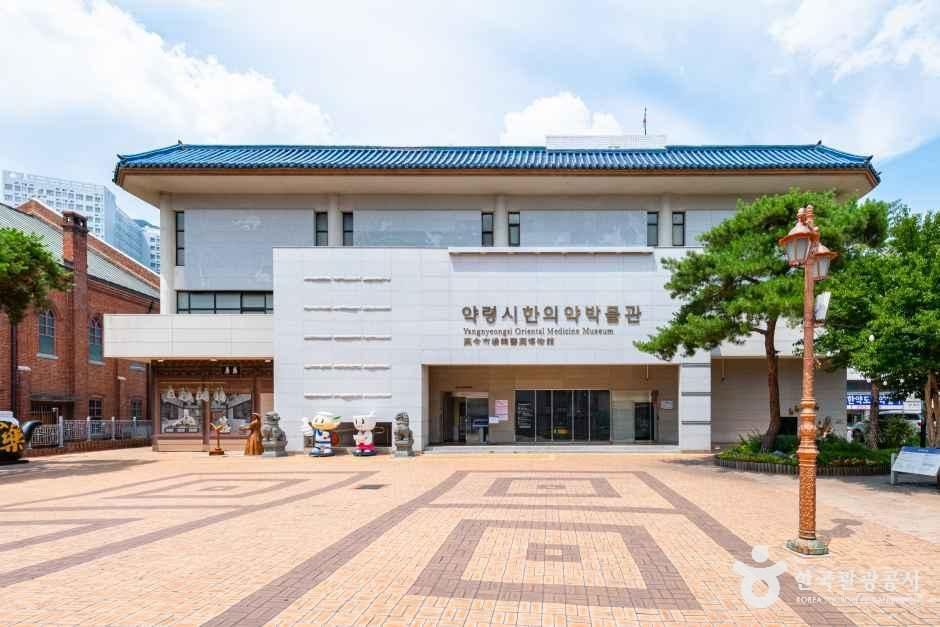
Daegu Yangnyeongsi Oriental Medicine Market
대구 약령시 한의약박물관Daegu Yangnyeongsi Oriental Medicine Market, Daegu, South Korea
Daegu Yangnyeongsi is Korea’s oldest traditional herbal medicine market founded in 1658, featuring an immersive oriental medicine museum, herbal foot spas, and aromatic heritage apothecary lanes.
Morning (around 09:30-10:00)
Details→