Chungnam•Taean•Nature•Garden & Forest
Anmyeondo Recreational Pine Forest
안면도 자연휴양림
Powered by Korea Tourism OrganizationAddress: Anmyeondo Recreational Pine Forest, Taean, Chungnam, South Korea (충청남도 태안군 안면읍 안면대로 3195-6)
Editorial review pending
Anmyeondo Recreational Pine Forest representative scenic panoramaZoom


+1More
1 / 6
Anmyeondo Recreational Pine Forest representative scenic panorama
Curator's Guide & Overview
Comprehensive Guide1. Historical Origins & Cultural Background
Spanning over 135 hectares of coastal hills on the central spine of Anmyeon Island, Anmyeondo Recreational Pine Forest is South Korea’s sole preserved natural forest of pure Korean red pines (Pinus densiflora for. multicaulis), affectionately known as 'Anmyeonsong'. Unlike mainland red pines whose trunks frequently curve and twist due to harsh mountain winds, Anmyeonsong pines grow soaring, perfectly arrow-straight trunks with reddish-brown patterned bark, reaching heights of over 30 meters. This rare botanical phenomenon led royal foresters during the Goryeo and Joseon dynasties to designate this entire island forest as a strictly guarded sovereign reserve (Bongsan), prohibiting unauthorized logging under penalty of death so the straight timber could be reserved exclusively for palace construction, royal coffins, and Admiral Yi Sun-sin's naval warships (Geobukseon).
2. Architectural Highlights & Key Structures
Today, the forest is a world-class ecotourism destination featuring a 3.5-kilometer web of elevated wooden walking boardwalks, peaceful earth trails, and the popular 'Skywalk' canopy pathway that elevates visitors straight into the fragrant pine needle crowns. Just across an underground passageway lies the companion Anmyeondo Arboretum, home to the elegant Hanok-styled Korean Garden, Rose of Sharon pavilion, azalea hills, and the Cheongpa Pavilion viewpoint offering sweeping views of the West Sea.
3. Four Seasons Landscape & Seasonal Visiting Charms
Spring brings refreshing breezes carrying the sweet scent of budding pine needles alongside pastel pink wild azaleas and camellia blooms in the arboretum. Summer provides South Korea’s most potent phytoncide forest bathing therapy, as warm coastal sunshine stimulates the century-old pine needles to release aromatic terpene compounds while the dense canopy shades the forest floor by 4 to 5 degrees Celsius below surrounding beach temperatures. Autumn offers crisp walking weather, with golden maple leaves and silver grass bordering the red-trunked pine woods. Winter presents a striking visual contrast of dark green pine needles, red pine bark, and pure white snowdrifts overlooking the frozen sea winds.
4. Operating Hours & Peak Viewing Times
The forest welcomes guests daily from 09:00 to 18:00 (last entry at 17:00) during summer months (March through October), and 09:00 to 17:00 (last entry at 16:00) in winter (November through February). The best hours to experience peak phytoncide atmospheric density and serene light are between 09:30 and 11:30 in the morning.
5. Admission Fees & Concessions (Youth/Foreigner Discounts)
Admission is extraordinarily affordable: 1,000 KRW for adults, 800 KRW for youth, and 400 KRW for children. A single admission ticket grants full access to both the Pine Forest and the adjacent Anmyeondo Arboretum. On-site parking costs 3,000 KRW for standard passenger cars.
6. Public Transit & Subway Exit Directions
From Seoul, board an express bus from Central City Bus Terminal (Gangnam) or Seoul Nambu Terminal directly to Anmyeon Intercity Bus Terminal (approx. 2 hours 15 to 30 minutes). From Anmyeon Terminal, take any local rural bus bound for Gonam or Yeongmok Port (approx. 10 minutes) and alight at the 'Jayeon Hyuyangrim' stop. A local taxi from Anmyeon Terminal takes less than 7 minutes and costs approximately 7,500 to 8,500 KRW.
7. Barrier-Free Accessibility & Visitor Amenities
The forest is a premier national model for accessible nature recreation. The flagship 'Moojang-ae Nanum-gil' (Barrier-Free Inclusive Trail) is a gently graded, continuous elevated timber boardwalk equipped with protective handrails and resting turnouts that permits effortless wheelchair and stroller navigation through the deepest section of the pine groves. Wheelchairs are provided free at the ticket pavilion, and barrier-free restrooms are situated at both the main gate and the arboretum entrance.
8. Recommended Walking Route & Highlights Tour
Recommended 2.5-Hour Pine Healing & Arboretum Circuit: Depart from the Forest Ticket Booth → Stroll along the Barrier-Free Wooden Boardwalk inhaling pine phytoncides → Ascend the canopy Skywalk for tree-top panoramic views → Climb the gentle ridge trail to the Forest Observation Deck overlooking the Yellow Sea → Walk through the pedestrian underpass into the Anmyeondo Arboretum → Tour the traditional Hanok Korean Garden (Asa-won) and bamboo groves → Relax at Cheongpa Pavilion → Return to the entrance and enjoy local Taean seafood stew.
9. Local Food Specialties & Regional Flavors
After your woodland walk, explore the exceptional seafood offerings of Anmyeon Island. Signature regional culinary delights include Taean Gukbap made with Gejang, Kkotgetang (rich and spicy blue crab soup with tender radish), Ganjang Gejang (fresh raw blue crab marinated in aged soy sauce), and the iconic local specialty 'Gukji-mok' or 'Ge-gukji'—an ancient Taean coastal stew of preserved cabbage, shrimp, and fermented blue crabs boiled with dried red peppers and perilla seeds.
10. Dietary Options (Vegetarian, Halal & Allergen Guide)
Vegetarian and vegan diners will find delicious choices at the gate restaurants: savory wild acorn jelly salads (Dotorimuk-muchim), potato pancakes (Gamjajeon), and rustic Soybean Paste Stew (Doenjang Jjigae) made with fresh local tofu and island spring greens. Island street stalls sell freshly steamed Taean sweet potatoes, pumpkin taffy, and seasonal dried persimmons. Halal visitors can savor all vegetarian tofu stews, seafood crab stews, and grilled sea fish without issue.
11. Signature Photo Spots & Golden Hour Lighting
Iconic photographic opportunities: framing the towering straight red trunks of the Anmyeonsong pines converging towards the sky with a wide-angle lens, walking shots along the serpentine wooden skywalk surrounded by emerald pine needles, the traditional tile-roofed pavilions of the Hanok Korean Garden reflected in the arboretum pond, and sunset light filtering through the red pine bark creating a fiery glow.
12. Visitor Etiquette & Cultural Property Regulations
Anmyeondo Pine Forest is a precious national botanical reserve. Strictly no smoking, matches, or campfires are permitted anywhere on the grounds due to catastrophic pine needle fire hazards. Do not peel or damage the reddish pine bark, collect pine cones, or disturb native wildlife. Pets are not allowed inside the recreation forest or arboretum.
13. Safety Precautions & 1330 Tourism Hotline Support
Wear comfortable walking shoes or light running shoes. In summer, bring drinking water and light insect repellent. For log cabin forest lodge reservations or guided forest therapy programs, visit the official Chungnam Forest Recreation website or call 041-674-5019 or 1330.
14. Nearby Connected Attractions & Walking Links
Combine your trip with Taean’s world-famous coastline: Kkotji Beach (PLACE-CHUNGNAM-004), famous for its Grandmother and Grandfather Rock sunset silhouettes, is just a 5-minute drive (3.5 km) to the west.
15. Frequently Asked Questions (FAQ)
Q: What makes Anmyeonsong pines unique in Korea? A: While most Korean red pines are bent by coastal gales, Anmyeondo’s unique soil and microclimate cause these trees to grow extraordinarily straight and tall with few lower branches, making their timber the most durable and prized structural wood in Korean architectural history. Q: Does one ticket cover the arboretum too? A: Yes, your single 1,000 KRW admission ticket gives you full entry to both the natural pine forest on the east side and the botanical arboretum across the road.
16. Regional Extended Day Trip Itinerary
Anmyeon Island Forest & Ocean Day Tour: Morning bus from Seoul to Anmyeon Terminal → Short taxi to Anmyeondo Pine Forest → Walk the Barrier-Free Pine Boardwalk and canopy Skywalk → Cross under the road to explore the Korean Garden in Anmyeondo Arboretum → Savor a bubbling pot of authentic Ge-gukji (crab stew) for lunch → 5-minute taxi to Kkotji Beach → Walk along the tidal flats and photograph the Grandmother Rocks → Catch the breathtaking West Sea sunset → Return to Seoul by evening express bus.
Essential Visitor Facts
Operating Hours
Summer (Mar - Oct) Daily 09:00 - 18:00 (Entry closes 17:00); Winter (Nov - Feb) Daily 09:00 - 17:00 (Entry closes 16:00); Open year-round
Admission / Price
Adults 1,000 KRW, Youth 800 KRW, Children 400 KRW; Small car parking 3,000 KRW (Includes Forest & Arboretum admission)
Closed Days
Open 365 Days
Best Time to Visit
Morning (around 09:30-10:00)
Transit & Access Directions
From Seoul Nambu Terminal or Central City, take an intercity bus to Anmyeon Bus Terminal (approx. 2 hrs 20 mins), then board local Taean Rural Bus 500-series to Anmyeondo Recreational Forest stop (approx. 10 mins, or taxi 7 mins / 8,000 KRW)
Accessibility & Special Amenities
Wheelchair ramps, tactile paving, accessible restrooms
Location Coordinates
Latitude: 36.4885
Longitude: 126.3565
Discover Themes & Highlights
Key interest areas and cultural highlights:
#anmyeondo-pine-forest#VisitChungnam#KoreaTravelAtlas
Community Traveler Reviews0 Reviews
Visitor tips, feedback, and questions submitted by real travelers.
No community reviews submitted yet. Be the first traveler to share your experience!
Connected Cultural Destinations
Handpicked nearby attractions and regional cultural highlights.
Wondaeri Whispering Birch Forest (Inje)
인제 원대리 자작나무숲Wondaeri Whispering Birch Forest (Inje), Inje, Gangwon, South Korea
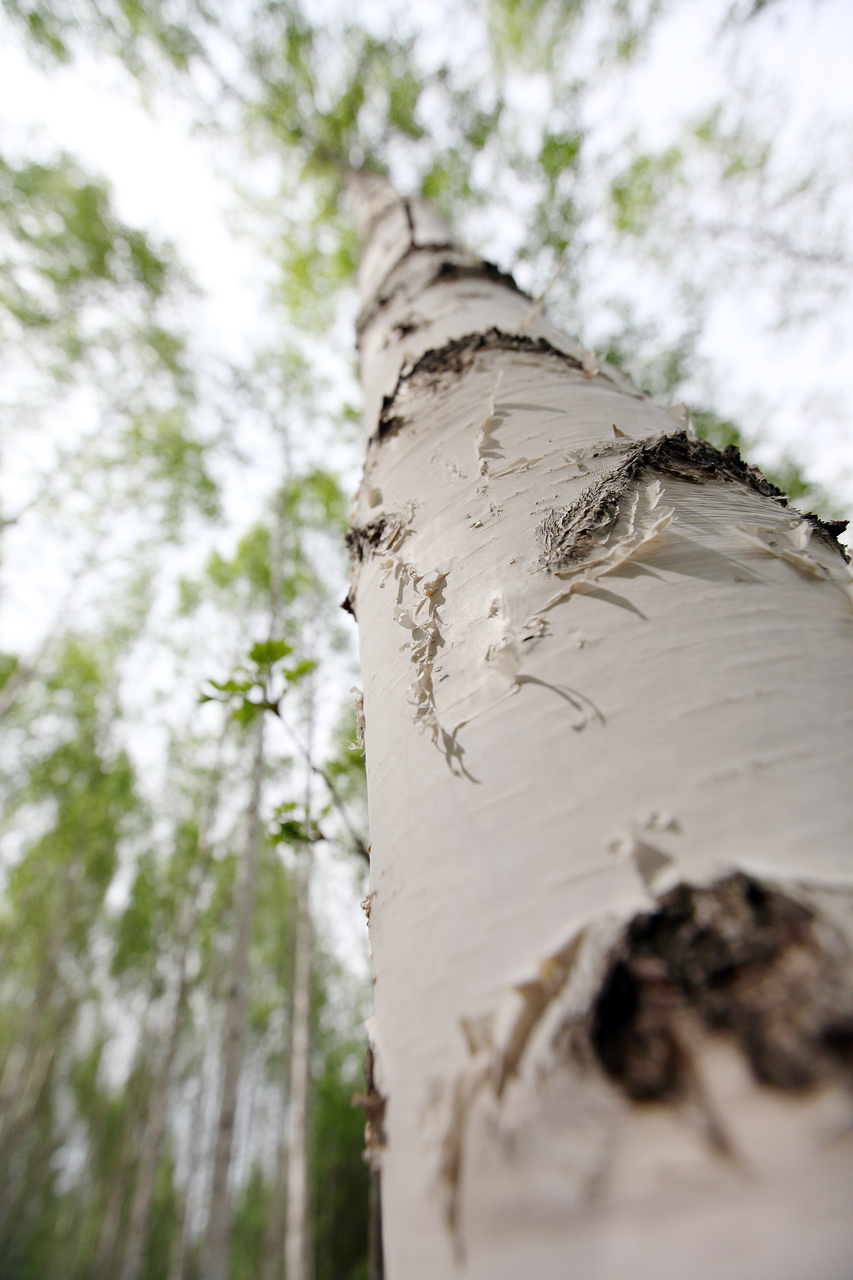
Wondaeri Whispering Birch Forest in Inje is an iconic pure-white fairy tale sanctuary in the high mountains of Gangwon, showcasing over 700,000 dazzling silver birch trees, pristine forest bathing ...
Morning (around 09:30-10:00)
Details→
Taean Coast (Kkotji Sunset Beach)
태안 꽃지해수욕장Taean Coast (Kkotji Sunset Beach), Taean, Chungnam, South Korea
Taean Kkotji Beach is the premier coastal sanctuary of Taean Coast National Park on Anmyeondo Island, immortalized by Halmi and Harabi (Grandmother and Grandfather) sea stacks framing South Korea’s...
Morning (around 09:30-10:00)
Details→
Yesan Yedangho Lake Suspension Bridge
예산 예당호 출렁다리Yesan Yedangho Lake Suspension Bridge, Yesan, Chungnam, South Korea
Yesan Yedangho Suspension Bridge spans 402 meters across South Korea’s largest agricultural reservoir, featuring a soaring 64-meter spiral observation tower, dazzling laser musical water fountains,...
Morning (around 09:30-10:00)
Details→
Damyang Juknokwon Bamboo Forest
담양 죽녹원Damyang Juknokwon Bamboo Forest, Damyang, Jeonnam, South Korea
Damyang Juknokwon is South Korea’s premier 31-hectare bamboo sanctuary, featuring eight meditative forest trails beneath towering green bamboo canopies, rich phytoncide breezes, traditional scholar...
Morning (around 09:30-10:00)
Details→