Gyeongnam•Hadong•Heritage•Historic Landmark
Hadong House of Choi Champan & Agyang Plain
하동 최참판댁 및 악양평야
Powered by Korea Tourism OrganizationAddress: Hadong House of Choi Champan & Agyang Plain, Hadong, Gyeongnam, South Korea (경상남도 하동군 악양면 평사리길 66-7 (평사리 최참판댁))
Editorial review pending

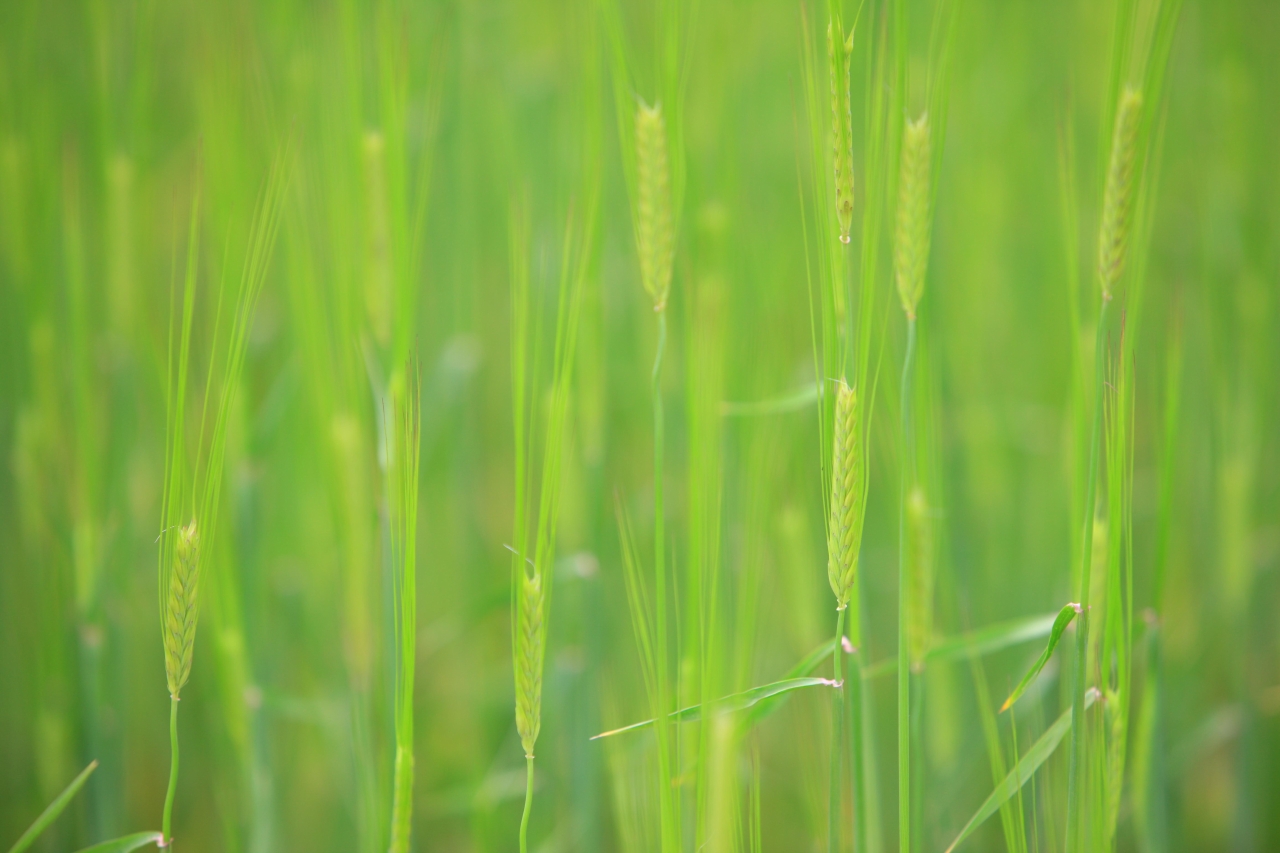
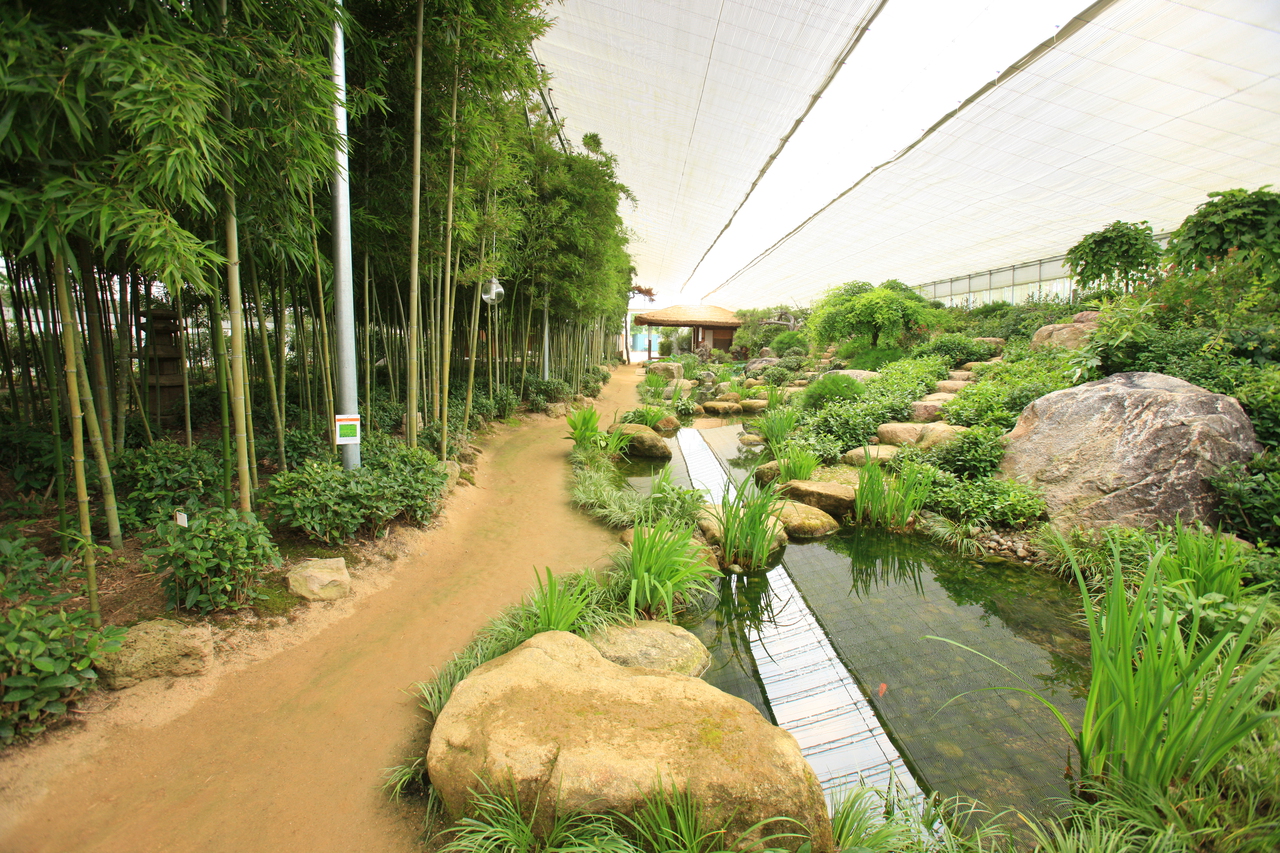
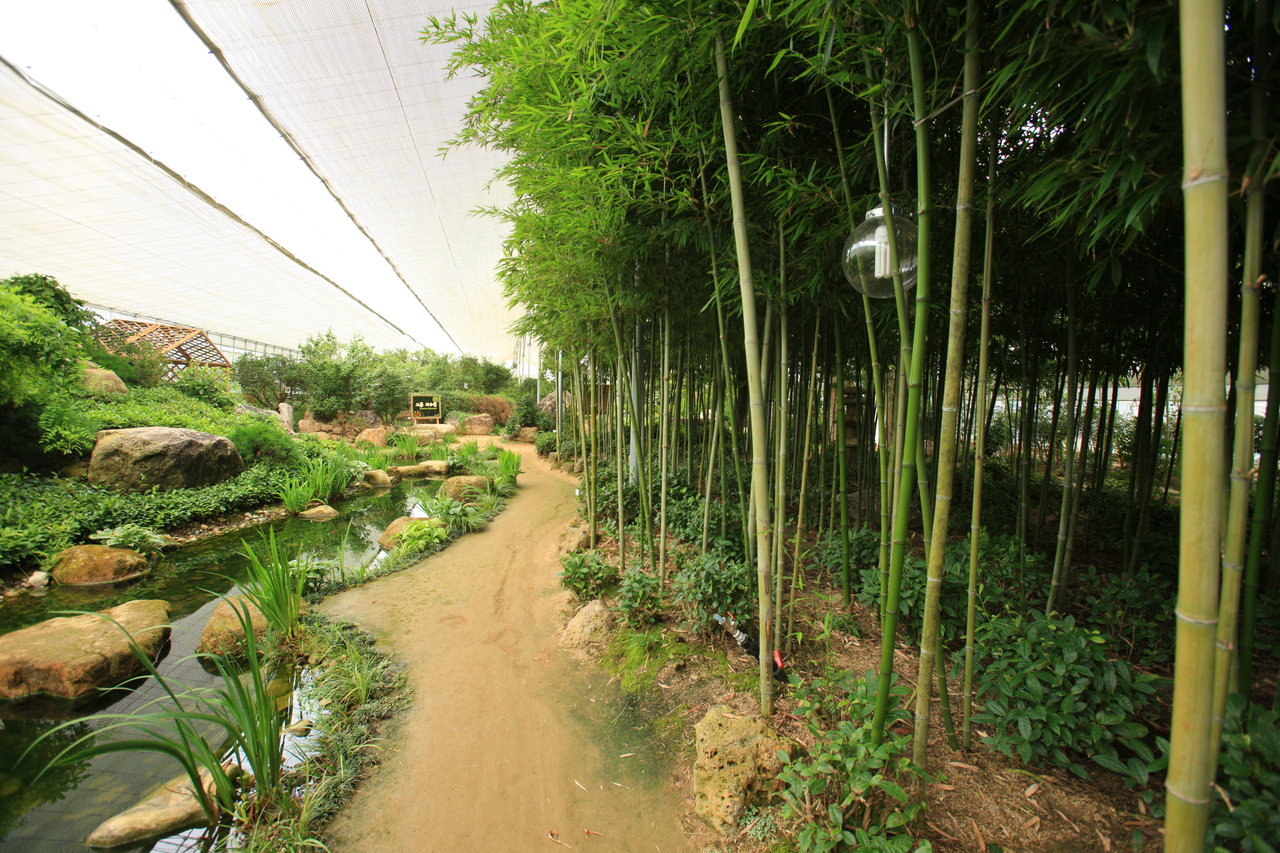
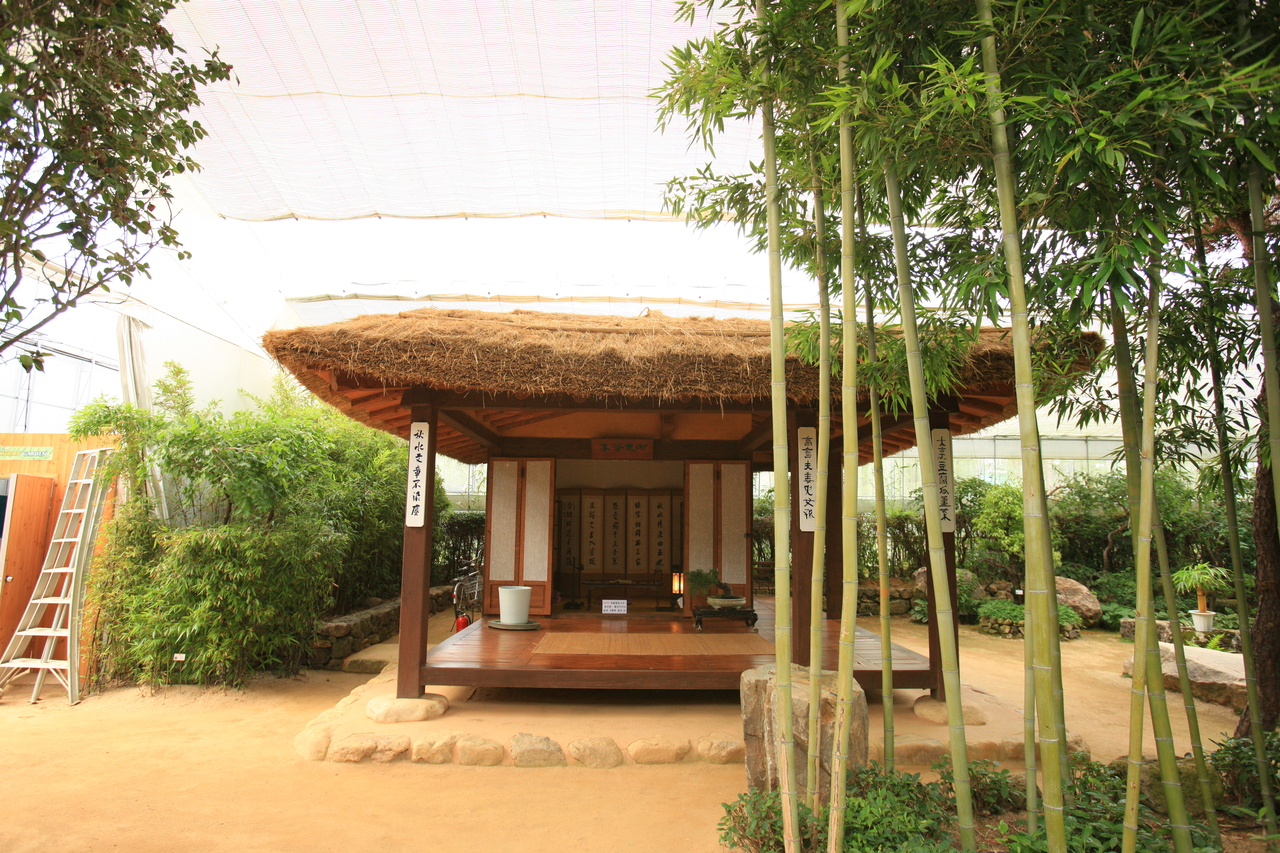
Hadong House of Choi Champan & Agyang Plain representative scenic panoramaZoom
+1More
1 / 6
Hadong House of Choi Champan & Agyang Plain representative scenic panorama
Curator's Guide & Overview
Comprehensive Guide1. Historical Origins & Cultural Background
Hadong Choe Champan-daek, nestled against the gentle southern foothills of Mount Jirisan in Pyeongsa-ri, Agyang-myeon, is South Korea’s foremost literary landscape and a living monument to traditional Joseon rural architecture. This idyllic hamlet serves as the physical and spiritual setting for author Park Kyung-ni’s monumental 25-volume epic novel *Toji* (The Land), which traces the dramatic multi-generational saga of the aristocratic Choe family and peasant tenants through the turbulent transition from the late Joseon Dynasty, the Japanese colonial era, to the dawn of national liberation. Constructed meticulously in 2001 using traditional carpentry according to historical research, the 14-building tiled-roof aristocratic (Yangban) manor house stands proudly overlooking the vast 830,000-pyeong golden plains of Pyeongsa-ri and the glittering waters of the Seomjingang River.
2. Architectural Highlights & Key Structures
The architectural layout of Choe Champan-daek exemplifies the hierarchical harmony of traditional Joseon scholar-gentry residences. Visitors enter through the towering soseuldaemun (stepped gatehouse) to discover the masculine Sarangchae (master's study and guest quarters), whose wide, open wooden veranda (Numaru) commands an unobstructed panoramic vista across the sweeping rice paddies below. Adjacent lies the intimate Anchae (women's inner quarters), flanked by ancestral shrines, grain storehouses, servant quarters, and animal stables. Clustered around the noble estate are thatch-roofed peasant cottages named after memorable characters from the novel—such as Yong-i’s house, I-pyeong’s house, and the village tavern—where authentic folk implements and vintage earthenware jars evoke the daily rhythm of 19th-century rural life. High above the estate sits the Park Kyung-ni Literary Museum, preserving the author’s fountain pens, manuscripts, glasses, and personal effects.
3. Four Seasons Landscape & Seasonal Visiting Charms
Pyeongsa-ri enchants travelers with pastoral poetry across all four seasons. Spring (March to April) blankets the slopes in soft pink cherry blossoms along the Seomjingang riverside road, while wild green tea shoots emerge in emerald patches on the hillsides. Summer (June to August) turns the vast plains into a waving sea of deep green rice shoots, with refreshing mountain breezes sweeping down from Mount Jirisan. Autumn (September to October) is the breathtaking visual climax: the vast 830,000-pyeong plains transform into an ocean of shimmering golden rice, framed by heavy orange clusters of native Daebong persimmons hanging from every village rooftop, celebrated during the annual Toji Literary Festival. Winter brings serene countryside peace, with crisp blue skies framing the weathered thatch roofs and two iconic pine trees standing in the fields.
4. Operating Hours & Peak Viewing Times
Choe Champan-daek is open daily year-round from 09:00 to 18:00 (last ticketing at 17:30). The surrounding Pyeongsa-ri plains, Dongjeongho Lake, and the famous Husband-and-Wife Pines (Bubu-song) are open 24 hours daily with free public access. The Park Kyung-ni Literary Hall operates Tuesday through Sunday from 09:00 to 18:00 (closed Mondays). The optimal time to explore is late morning through mid-afternoon (10:30 to 15:30), allowing time to walk up the village street, tour the noble estate, visit the literary museum, and stroll around Dongjeongho Lake. Plan roughly 2 to 2.5 hours for the complete circuit.
5. Admission Fees & Concessions (Youth/Foreigner Discounts)
Admission to Choe Champan-daek and the Park Kyung-ni Literary Museum is 2,000 KRW for adults, 1,500 KRW for teenagers, and 1,000 KRW for children (free for children under 6 and seniors aged 65+). Sprawling paved municipal parking at the base of the village along the Agyang road is completely free of charge.
6. Public Transit & Subway Exit Directions
From Seoul Nambu Terminal, take an express bus directly to Hadong Public Bus Terminal (approx. 3 hours 50 minutes). From Hadong Terminal or the KTX/Mugunghwa Hadong Station, local rural buses bound for Hwagae or Agyang operate every 30 to 40 minutes, reaching the Choe Champan-daek entrance stop in roughly 20 to 25 minutes. A taxi from Hadong Station takes about 15 minutes and costs approximately 15,000 KRW. Driving from Gwangju or Suncheon takes about 1 hour via the scenic Seomjingang riverside highway (Route 19).
7. Barrier-Free Accessibility & Visitor Amenities
The village pathway ascending from the lower parking area to Choe Champan-daek is a wide, smoothly paved asphalt and stone lane flanked by traditional artisan shops and persimmon drying racks. While the 400-meter approach is a steady uphill incline that requires moderate physical effort, it has zero steps, making it accessible for sturdy strollers and electric wheelchairs. Within Choe Champan-daek, courtyards are flat packed dirt. However, stepping onto the raised wooden verandas (Maru) of the Sarangchae and Anchae involves traditional stone footings. Accessible public restrooms are located at the lower parking plaza and beside the entrance ticketing booth.
8. Recommended Walking Route & Highlights Tour
Recommended 2-Hour Literary Landscape & Aristocratic Hanok Circuit: Arrive at the lower parking plaza and walk past local craft shops selling dried persimmons and wild mountain teas → Ascend the gentle stone-paved hill through the thatch-roofed peasant cottages of Yong-i and I-pyeong → Pass through the grand Soseuldaemun gate into Choe Champan-daek → Take off your shoes to sit on the polished wooden floor of the Sarangchae Numaru veranda, gazing out over the vast golden plains of Pyeongsa-ri and the flowing Seomjingang River → Walk through the quiet courtyard of the Anchae to inspect the traditional kitchen cauldrons and wooden grain storehouses → Visit the Park Kyung-ni Literary Museum to view the handwritten manuscripts and fountain pen of the great author → Walk back down the hill and take a 5-minute drive into the plains to photograph the famous Husband-and-Wife Pines (Bubu-song) standing side-by-side amidst the rice fields → Conclude with a lunch of fresh Hadong Marsh Clam Soup (Jaecheop-guk) and Hadong green tea.
10. Dietary Options (Vegetarian, Halal & Allergen Guide)
Vegetarians can feast abundantly in Hadong: savor Sanchae Bibimbap loaded with fresh wild mountain herbs from Mount Jirisan, crispy potato pancakes, savory mushroom stews, and seasoned deodeok roots. Traditional village teahouses serve authentic Hadong green tea, sweet dried persimmons, and traditional rice snacks. Halal and pescatarian diners will find paradise in Hadong: fresh Seomjingang marsh clam soup (Jaecheop-guk), spicy mitten crab soup (Chamgetang), and grilled sweetfish are completely free of land meats and pork broths.
11. Signature Photo Spots & Golden Hour Lighting
Signature photographic perspectives: sitting on the polished wooden corner of the Sarangchae Numaru veranda with the vast green or golden Pyeongsa-ri plains and the shimmering curve of the Seomjingang River framed through the open wooden eaves (the definitive Toji landscape shot); standing beside the two solitary Husband-and-Wife Pines (Bubu-song) rising side-by-side in the middle of the vast golden rice fields; close-ups of bright orange Daebong persimmons hanging beneath the curved black tiles of the Hanok roofs in autumn; and atmospheric views across Dongjeongho Lake with Mount Jirisan reflecting in the water.
12. Visitor Etiquette & Cultural Property Regulations
Literary heritage etiquette: Choe Champan-daek is a living cultural treasure. Remove shoes before stepping onto the wooden floorboards of the Sarangchae or Anchae. Do not touch or lean against delicate paper-screen sliding doors (Hanji-mun). Do not enter private residential cottages or climb on agricultural stone walls. Stay on designated paths when visiting the Husband-and-Wife Pines in the plains; do not trample ripening rice crops. Smoking and open flames are strictly forbidden throughout the wooden estate. Dispose of all trash in designated bins.
13. Safety Precautions & 1330 Tourism Hotline Support
Wear comfortable walking shoes, as the 400-meter walk from the parking lot to the estate is an uphill climb. In autumn, make sure to taste the sweet dried Daebong persimmon slices sold by local village elders along the path. For literary commentary tours and festival schedules, contact the Choe Champan-daek Information Center at 055-880-2960 or dial 1330.
14. Nearby Connected Attractions & Walking Links
Nearby attractions: visit the famous Hwagae Traditional Market (Hwagaejangteo, celebrated for uniting merchants from Jeolla and Gyeongsang provinces); tour historic Ssanggyesa Temple, celebrated for its 10-ri Cherry Blossom Road in spring; visit the Hadong Wild Tea Museum and the ancient green tea plantations; or walk across the suspension bridge at Mount Geumo Skywalk and ride the Hadong Zipwire.
15. Frequently Asked Questions (FAQ)
Q: Was Choe Champan a real historical figure? A: No, Choe Champan and his granddaughter Lady Seo-hui are fictional characters created by author Park Kyung-ni in her epic novel *Toji*; however, the author specifically chose the real village of Pyeongsa-ri as the setting because its vast 830,000-pyeong plains enclosed by Mount Jirisan and the Seomjingang River provided the perfect economic foundation for a wealthy aristocratic family to sustain a sweeping 50-year historical saga. Q: What is the significance of the two pine trees in the plain? A: Known affectionately as the Husband-and-Wife Pines (Bubu-song), these two stately red pines stand side-by-side in the middle of the vast, tree-less Pyeongsa-ri rice fields; in the hearts of readers, they symbolize the enduring love and tragic resilience of the novel’s two central characters, Gil-sang and Seo-hui, against the stormy tides of Korean history.
16. Regional Extended Day Trip Itinerary
Hadong Toji Literary & Seomjingang Nature Day Tour: Morning bus or drive from Hadong Station to Pyeongsa-ri → Ascend the village lane to explore Choe Champan-daek aristocratic manor house → Sit on the Sarangchae veranda to admire the sweeping panoramic views across the 830,000-pyeong plains → Tour the Park Kyung-ni Literary Museum → Walk out into the plains to photograph the famous Husband-and-Wife Pines → Village lunch enjoying restorative Hadong Marsh Clam Soup (Jaecheop-guk) and sweet persimmons → Drive along the Seomjingang riverbank to explore Hwagae Market and Ssanggyesa Temple → Savor authentic wild green tea at a traditional teahouse → Return via KTX Hadong Station.
Essential Visitor Facts
Operating Hours
Open daily year-round 09:00 - 18:00 (ticketing closes at 17:30); Pyeongsa-ri plains, Dongjeongho Lake, and the Husband-and-Wife Pines accessible 24/7.
Admission / Price
Admission: Adults 2,000 KRW, Youth 1,500 KRW, Children 1,000 KRW (free for children under 6 and seniors aged 65+); Public parking available (free).
Closed Days
Closed on Mondays/Tuesdays
Best Time to Visit
Morning (around 09:30-10:00)
Transit & Access Directions
From Hadong Bus Terminal or KTX Hadong Station, take a local rural bus bound for Agyang/Hwagae (approx. 20-25 minutes, departs every 30-40 minutes) and alight at Choe Champan-daek stop. A taxi takes about 15 minutes (approx. 15,000 KRW).
Accessibility & Special Amenities
Wheelchair ramps, tactile paving, accessible restrooms
Location Coordinates
Latitude: 35.1585
Longitude: 127.7125
Discover Themes & Highlights
Key interest areas and cultural highlights:
#hadong-seomjin-choi-champan#VisitGyeongnam#KoreaTravelAtlas
Community Traveler Reviews0 Reviews
Visitor tips, feedback, and questions submitted by real travelers.
No community reviews submitted yet. Be the first traveler to share your experience!
Connected Cultural Destinations
Handpicked nearby attractions and regional cultural highlights.

Namwon Gwanghalluwon Chunhyang Garden
남원 광한루원Namwon Gwanghalluwon Chunhyang Garden, Namwon, Jeonbuk, South Korea
Namwon Gwanghalluwon is South Korea’s premier classical Joseon garden and the legendary birthplace of Chunhyangga, celebrated for the monumental Gwanghallu Pavilion (Treasure No. 281), the romantic...
Morning (around 09:30-10:00)
Details→
Jirisan Gurye Hwaeomsa Temple
구례 화엄사Jirisan Gurye Hwaeomsa Temple, Gurye, Jeonnam, South Korea
Jirisan Gurye Hwaeomsa is a monumental thousand-year-old Buddhist sanctuary on Mount Jirisan, revered for its peerless concentration of National Treasures—including the colossal two-story Gakhwangj...
Morning (around 09:30-10:00)
Details→
Andong Hahoe Folk Village (UNESCO)
안동 하회마을Andong Hahoe Folk Village (UNESCO), Andong, Gyeongbuk, South Korea
Andong Hahoe Folk Village is a living UNESCO World Heritage treasure where the Pungsan Ryu clan has resided for over 600 years, cradled by the sweeping S-curve of the Nakdong River, preserving auth...
Morning (around 09:30-10:00)
Details→
Jirisan National Park (Cheonwangbong Peak)
지리산국립공원 (천왕봉)Jirisan National Park (Cheonwangbong Peak), Sancheong, Gyeongnam, South Korea
Jirisan Cheonwangbong is the highest mountain peak on the South Korean mainland (1,915m), revered as the mother mountain and spiritual spine of Korea, legendary for its mystical sea-of-clouds sunri...
Morning (around 09:30-10:00)
Details→