Daejeon•Nature•Lake & Reservoir
Daecheongho Lake Obaek-ri Trail
대청호 오백리길
Powered by Korea Tourism OrganizationAddress: Daecheongho Lake Obaek-ri Trail, Daejeon, South Korea (대전광역시 동구 대청호수로 518 일원 (추동 대청호반))
Editorial review pending

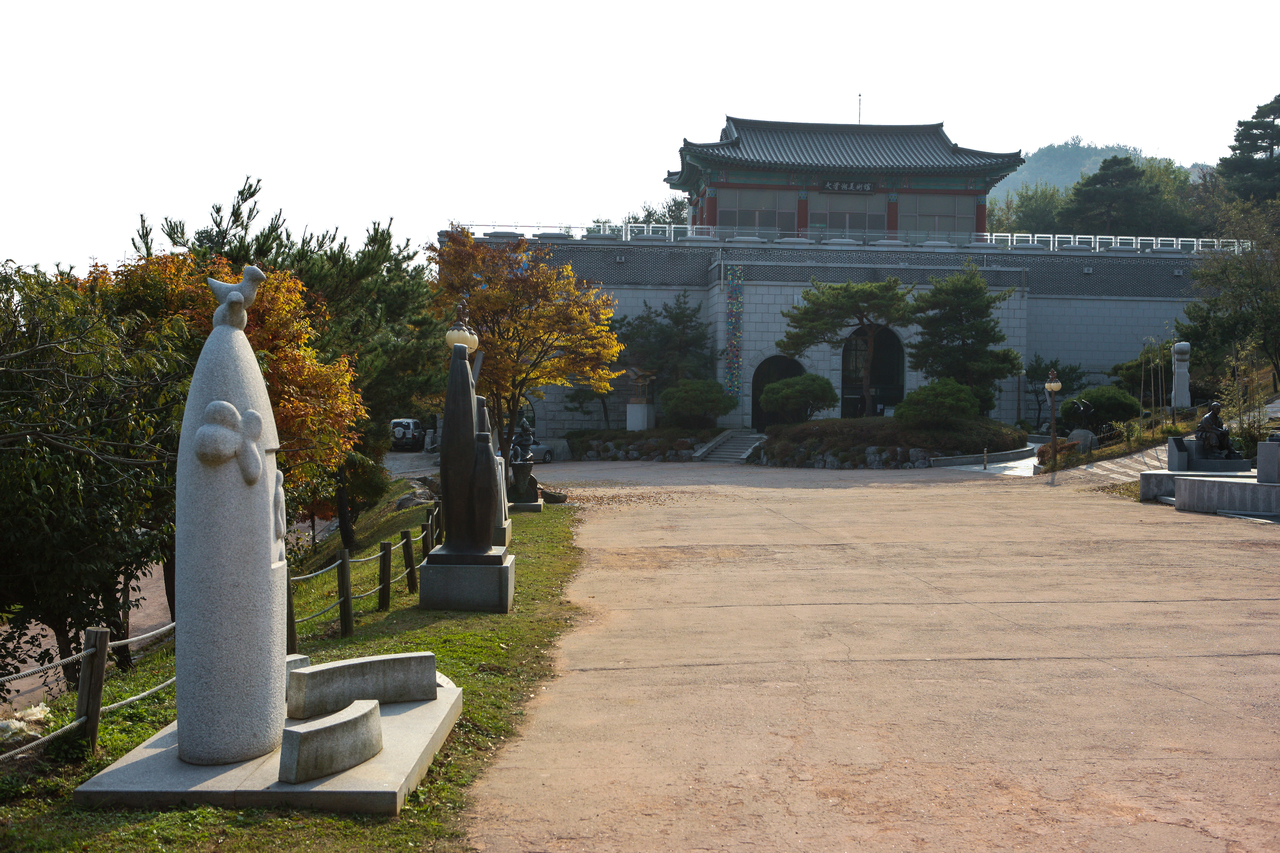
Daecheongho Lake Obaek-ri Trail representative scenic panoramaZoom


+1More
1 / 6
Daecheongho Lake Obaek-ri Trail representative scenic panorama
Curator's Guide & Overview
Comprehensive Guide1. Historical Origins & Cultural Background
Completed in 1980 with the construction of the colossal Daecheong Multipurpose Dam across the Geum River, Daecheongho Lake is South Korea’s third largest artificial reservoir, holding 1.5 billion tons of pristine fresh water serving the central region. The Daecheongho Obaek-ri Trail is an expansive 200-kilometer (500-ri) network of 21 thematic hiking and walking sections, curated to preserve the pristine lakeside ecology and rural heritage.
2. Architectural Highlights & Key Structures
The crowning jewel of the trail is Section 4 ('Galdae Hyanggi-gil' or Reed Scent Trail) in Chudong, encompassing a picturesque water-willow wetland where submerged willow trees emerge surrealistically from the mirror-like lake surface. Wooden observation boardwalks wind through towering reed beds and silver grass marshes, complemented by traditional thatched photo pavilions and artistic wind chime installations.
3. Four Seasons Landscape & Seasonal Visiting Charms
Spring brings pink cherry blossoms creating a 26-kilometer floral tunnel along the lakeside roadway—celebrated as one of the longest cherry blossom drives in Korea. Summer features lush aquatic greenery and cool lake breezes under weeping willows. Autumn is peak walking season, blanketed in golden reeds and fiery red sumac reflected in glassy water. Winter offers mystical morning mist rising off the quiet lake surface beneath frost-tipped reeds.
4. Operating Hours & Peak Viewing Times
The outdoor walking trails and wetland boardwalks are open 24 hours daily with free access. Visiting between 06:30 and 09:30 allows photographers to capture the legendary morning water mist (mul-an-gae) and soft sunrise light filtering through the submerged willow branches. The nearby Daecheongho Natural Ecology Museum is open Tuesday through Sunday from 09:00 to 18:00 (closed Mondays).
5. Admission Fees & Concessions (Youth/Foreigner Discounts)
Admission to the Daecheongho Obaek-ri Trail, the Chudong Wetland boardwalks, and the Natural Ecology Museum is completely free of charge. Parking at the Chudong Wetland and Ecology Museum plazas is also free.
7. Barrier-Free Accessibility & Visitor Amenities
The central Chudong Wetland boardwalk (Section 4 core zone) is flat, paved with wide wooden planks, and equipped with safety kickplates, allowing smooth access for wheelchairs and baby strollers. Natural earthen hiking sections beyond the wetland require comfortable walking shoes. Accessible restrooms are located at the Daecheongho Natural Ecology Museum.
8. Recommended Walking Route & Highlights Tour
Start at Daecheongho Natural Ecology Museum parking area → cross to Chudong Wetland Park entrance → walk along the elevated wooden boardwalk through the golden reed fields → photograph the submerged water willows reflected in the lake → visit the thatched traditional pavilion filming site → relax on lakeside viewing benches (approx. 90 minutes).
9. Local Food Specialties & Regional Flavors
The lakeshore is famous for authentic inland fresh-water gastronomy: spicy fresh-water catfish stew (Mae-euntang) simmered with wild perilla and hand-pulled dough (sujebi), grilled freshwater eel (minmul jangeo-gui), and savory freshwater snail soup (dallang-e-tang / olgaengi-guk).
10. Dietary Options (Vegetarian, Halal & Allergen Guide)
Local village restaurants serve rustic mushroom hotpot, acorn jelly salad with wild sesame oil, and sanchae-bibimbap prepared with herbs harvested from surrounding mountains. Several charming lakeside bakery cafes (like Pangobaek and Cafe Raon) serve artisanal drip coffee and vegan-friendly plant-based bread.
11. Signature Photo Spots & Golden Hour Lighting
Must-capture shots: early morning mist swirling around submerged willow trees standing in glassy water, walking along the endless wooden boardwalk surrounded by golden reeds in October, and panoramic sunset skies reflected across the expansive lake mirror.
12. Visitor Etiquette & Cultural Property Regulations
Daecheongho is a strictly protected metropolitan drinking water sanctuary. Swimming, fishing, camping, and littering are strictly prohibited under national water preservation laws. Keep strictly to designated boardwalks and hiking paths.
13. Safety Precautions & 1330 Tourism Hotline Support
Safety ring buoys and emergency contact markers are stationed along water boardwalks. The Dong-gu municipal eco-ranger office patrols the area. Multilingual tourism help is accessible via 1330.
14. Nearby Connected Attractions & Walking Links
Daecheong Dam Memorial Plaza and the Water Culture Center sit 20 minutes north, while Cheongnamdae (the former presidential lakeside retreat) lies along the opposite shoreline in Chungbuk.
15. Frequently Asked Questions (FAQ)
Q: Is Section 4 suitable for casual walkers? A: Yes, Section 4 (Chudong Wetland Reed Scent Trail) is the gentlest and most accessible of all 21 sections, featuring an entirely flat wooden deck loop that takes just 40 to 60 minutes of easy walking.
16. Regional Extended Day Trip Itinerary
Morning photography and reed walk along Daecheongho Section 4 → fresh-water catfish stew or acorn jelly lunch at a lakeside village restaurant → afternoon visit to Daecheong Dam Water Culture Center → return to central Daejeon for evening shopping.
Essential Visitor Facts
Operating Hours
Open 24/7 (Daylight walking recommended 06:00 - 18:00 for trail safety)
Admission / Price
Free Eco-Trail Access
Closed Days
Open 365 Days
Best Time to Visit
Morning (around 09:30-10:00)
Transit & Access Directions
Daejeon Station -> City Bus 60 or 61 to Chudong Wetland Park stop (30 min ride)
Accessibility & Special Amenities
Wheelchair ramps, tactile paving, accessible restrooms
Location Coordinates
Latitude: 36.4252
Longitude: 127.4812
Discover Themes & Highlights
Key interest areas and cultural highlights:
#daecheongho-lake-trail#VisitDaejeon#KoreaTravelAtlas
Community Traveler Reviews0 Reviews
Visitor tips, feedback, and questions submitted by real travelers.
No community reviews submitted yet. Be the first traveler to share your experience!
Connected Cultural Destinations
Handpicked nearby attractions and regional cultural highlights.

Expo Science Park & Hanbit Tower
엑스포과학공원 한빛탑Expo Science Park & Hanbit Tower, Daejeon, South Korea
Expo Science Park is Daejeon’s landmark innovation sanctuary born from the 1993 World Expo, featuring the iconic 93-meter Hanbit Tower, musical dancing fountains, and night media art.
Morning (around 09:30-10:00)
Details→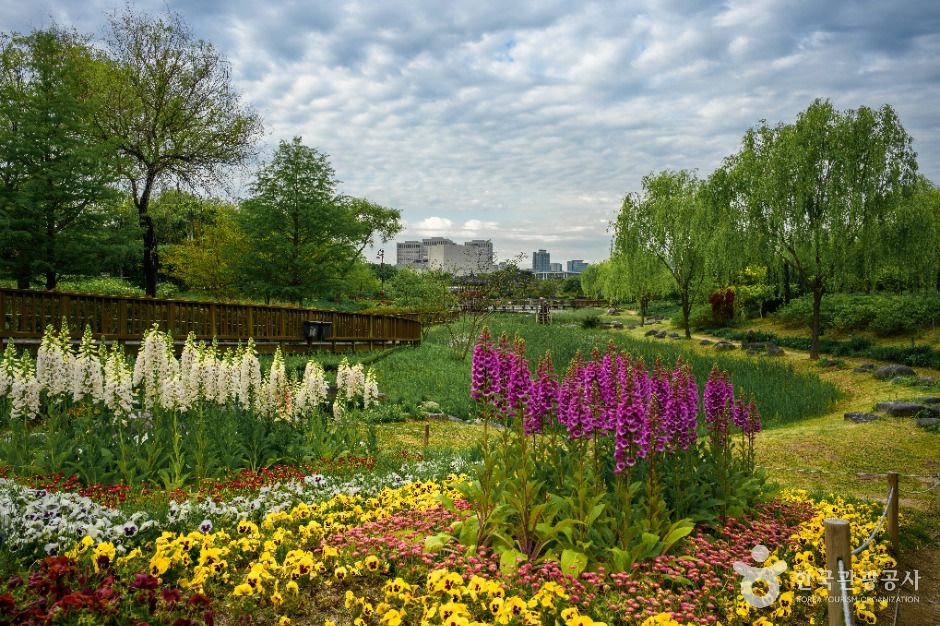
Hanbat Arboretum
한밭수목원Hanbat Arboretum, Daejeon, South Korea
Hanbat Arboretum is South Korea’s largest man-made urban botanical garden, spanning 370,000 square meters of tranquil wetlands, tropical glasshouses, and blooming seasonal flora.
Morning (around 09:30-10:00)
Details→
Jangtaesan Metasequoia Forest
장태산자연휴양림Jangtaesan Metasequoia Forest, Daejeon, South Korea
Jangtaesan Recreational Forest is South Korea’s only pure exotic Metasequoia woodland, featuring over 6,300 colossal dawn redwood trees, a thrilling tree canopy Skyway, and mountain suspension bridge.
Morning (around 09:30-10:00)
Details→
Sung Sim Dang Heritage Bakery
성심당 본점Sung Sim Dang Heritage Bakery, Daejeon, South Korea
Sung Sim Dang is South Korea’s most legendary heritage bakery founded in 1956, celebrated in the Michelin Green Guide for its iconic Twigim Soboro (fried streusel buns) and Chive Bread.
Morning (around 09:30-10:00)
Details→