Daejeon•Culture•Museum
National Science Museum
국립중앙과학관
Powered by Korea Tourism OrganizationAddress: National Science Museum, Daejeon, South Korea (대전광역시 유성구 대덕대로 481 (구성동))
Editorial review pending

National Science Museum representative scenic panoramaZoom


1 / 5
National Science Museum representative scenic panorama
Curator's Guide & Overview
Comprehensive Guide1. Historical Origins & Cultural Background
Originally established in Seoul in 1949 and relocated to its expansive 160,000-square-meter campus in Daedeok Science Town in 1990, the National Science Museum serves as the premier national storehouse for Korea's scientific heritage, technological innovations, and natural history specimens. It functions as the educational focal point connecting cutting-edge research institutes of Daedeok Innopolis directly to the public.
2. Architectural Highlights & Key Structures
The complex includes six specialized exhibition halls: the Science and Technology History Hall (displaying ancient astronomical rain gauges, celestial globes, and Korean industrialization breakthroughs), the Natural History Hall (featuring mammoth and dinosaur skeletons), the Future Technology Hall, the 23-meter-dome Planetarium, and a working 1-kilometer urban Maglev (Magnetic Levitation) Train track.
3. Four Seasons Landscape & Seasonal Visiting Charms
Spring brings bright cherry blossoms along the open lawns and outdoor dinosaur park. Summer offers interactive air-conditioned science hands-on laboratories for families. Autumn fills the leafy pine promenades with golden leaves, while winter offers warm, state-of-the-art indoor aerospace simulators and digital planetarium star shows.
4. Operating Hours & Peak Viewing Times
The museum is open Tuesday through Sunday from 09:30 to 17:30 (last admission 16:30). Closed every Monday, New Year's Day, and national holiday substitute dates. Weekday mornings offer the quietest viewing of permanent halls, while weekend Maglev train slots book quickly online.
5. Admission Fees & Concessions (Youth/Foreigner Discounts)
General admission to all permanent exhibitions (Science & Technology History Hall, Natural History Hall, and Future Tech Hall) is completely free. Interactive specialized venues charge nominal tickets: Planetarium (2,000 KRW adults / 1,000 KRW youth), Creative Wing (2,000 KRW), and Maglev Train ride (2,000 KRW).
6. Public Transit & Subway Exit Directions
Take Daejeon Metro Line 1 to Government Complex Station (Exit 3). Board City Bus 301, 318, or 606 and ride 10 minutes to the National Science Museum bus stop directly in front of the main entrance plaza.
7. Barrier-Free Accessibility & Visitor Amenities
The entire museum campus is designed to the highest barrier-free standards, with paved gentle walkways connecting all pavilions. Automated doors, escalators, passenger elevators, tactile floor paving, and wheelchair-accessible restrooms are installed across all buildings. Complimentary strollers and wheelchairs are available at the main gate.
8. Recommended Walking Route & Highlights Tour
Enter Main Plaza → view outdoor life-size rockets and dinosaur models → tour Natural History Hall (dinosaur fossils and Korean endemic ecosystems) → explore Science and Technology History Hall (Joseon celestial clocks and Korea's first automobile) → experience the Future Technology Hall → ride the Maglev Train → watch the digital star show in the Planetarium (approx. 2 to 3 hours).
9. Local Food Specialties & Regional Flavors
The on-site Science Food Court serves family-friendly meals: pork cutlets, warm udon, bibimbap, and ramyeon. The nearby Doryong-dong district (5 minutes walk south) offers artisan pasta, gourmet stone-pot rice, and specialty roasteries.
10. Dietary Options (Vegetarian, Halal & Allergen Guide)
The cafeteria provides vegetable bibimbap and tofu stews. Vegetarian pasta and plant-based burgers are served in adjacent Doryong-dong bistros. The neighboring KAIST campus provides Halal food options for international researchers.
11. Signature Photo Spots & Golden Hour Lighting
Top photo spots: standing beneath the towering replica of Korea's space launch vehicle Naro and KSLV-II rockets at the outdoor aerospace plaza, the dramatic full-size Tyrannosaurus Rex skeleton in the Natural History Hall, and inside the futuristic Maglev train.
12. Visitor Etiquette & Cultural Property Regulations
Do not run or shout in the exhibition halls. Food and beverages are prohibited inside gallery rooms. Touching delicate historical models and fossil displays without staff supervision is prohibited.
13. Safety Precautions & 1330 Tourism Hotline Support
A fully equipped first aid station staffed by nurse personnel is located on the ground floor of the Central Exhibition Hall. Emergency exits and AEDs are marked clearly. Multilingual travel assistance is accessible via 1330.
14. Nearby Connected Attractions & Walking Links
Expo Science Park and Hanbit Tower sit directly across Daedeok-daero to the south, while the Korea Advanced Institute of Science and Technology (KAIST) campus lies 5 minutes west.
15. Frequently Asked Questions (FAQ)
Q: Can visitors ride the Maglev Train? A: Yes, the museum operates an authentic urban magnetic levitation passenger train gliding silently on magnetic tracks; rides depart multiple times daily and can be reserved online or at the ticketing kiosk.
16. Regional Extended Day Trip Itinerary
Morning visit to the National Science Museum and Maglev train ride → lunch in Doryong-dong → afternoon walk across Expo Bridge to Hanbat Arboretum → evening sunset at Hanbit Tower.
Essential Visitor Facts
Operating Hours
Open Tuesday - Sunday 09:30 - 17:30 (Last entry 16:30, Closed Mondays and Jan 1)
Admission / Price
Permanent Exhibition Halls: Free; Planetarium: 2,000 KRW; Maglev Train: 2,000 KRW
Closed Days
Open 365 Days
Best Time to Visit
Morning (around 09:30-10:00)
Transit & Access Directions
Daejeon Metro Line 1 Government Complex Station Exit 3 -> Bus 301, 318, 606 to National Science Museum stop (10 min)
Accessibility & Special Amenities
Wheelchair ramps, tactile paving, accessible restrooms
Location Coordinates
Latitude: 36.3761
Longitude: 127.3798
Discover Themes & Highlights
Key interest areas and cultural highlights:
#national-science-museum-daejeon#VisitDaejeon#KoreaTravelAtlas
Community Traveler Reviews0 Reviews
Visitor tips, feedback, and questions submitted by real travelers.
No community reviews submitted yet. Be the first traveler to share your experience!
Connected Cultural Destinations
Handpicked nearby attractions and regional cultural highlights.

Expo Science Park & Hanbit Tower
엑스포과학공원 한빛탑Expo Science Park & Hanbit Tower, Daejeon, South Korea
Expo Science Park is Daejeon’s landmark innovation sanctuary born from the 1993 World Expo, featuring the iconic 93-meter Hanbit Tower, musical dancing fountains, and night media art.
Morning (around 09:30-10:00)
Details→
Yuseong Hot Springs Open-Air Foot Spa
유성온천 야외족욕체험장Yuseong Hot Springs Open-Air Foot Spa, Daejeon, South Korea
Yuseong Hot Springs is Korea’s famed 1,000-year-old royal alkaline thermal spring, featuring free open-air natural mineral foot baths shaded by weeping willows and fringetree blossoms.
Morning (around 09:30-10:00)
Details→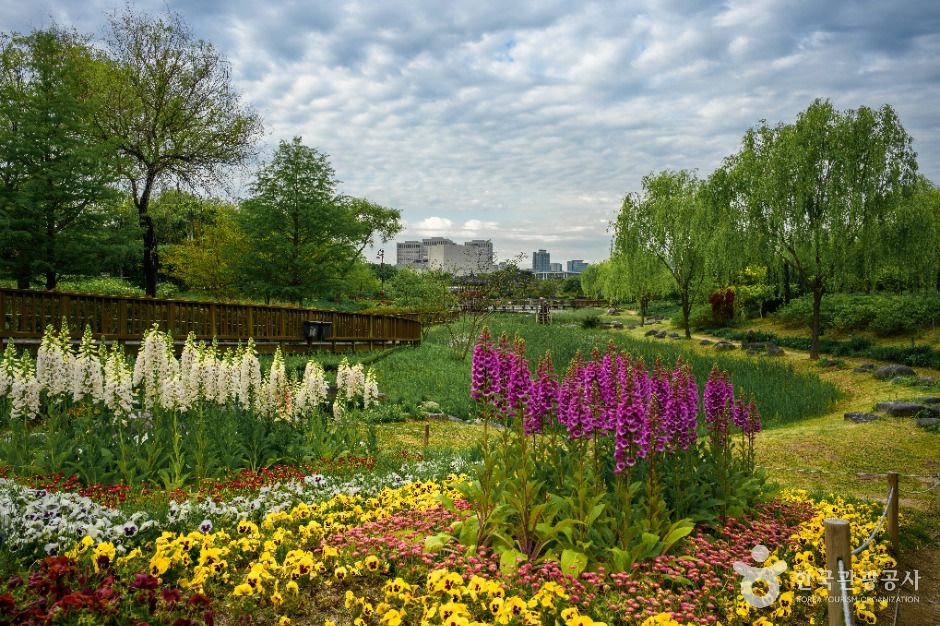
Hanbat Arboretum
한밭수목원Hanbat Arboretum, Daejeon, South Korea
Hanbat Arboretum is South Korea’s largest man-made urban botanical garden, spanning 370,000 square meters of tranquil wetlands, tropical glasshouses, and blooming seasonal flora.
Morning (around 09:30-10:00)
Details→
Sung Sim Dang Heritage Bakery
성심당 본점Sung Sim Dang Heritage Bakery, Daejeon, South Korea
Sung Sim Dang is South Korea’s most legendary heritage bakery founded in 1956, celebrated in the Michelin Green Guide for its iconic Twigim Soboro (fried streusel buns) and Chive Bread.
Morning (around 09:30-10:00)
Details→