Gyeongbokgung was the main palace of the Joseon dynasty, and it is the most visited of Seoul's royal palaces. The palace is large, and a visit goes better with a plan. This guide covers the history in brief, how to reach the palace, when the guard ceremony happens, the free entry for hanbok wearers and a walking order that follows the grounds from front to back.
A short history
Construction began in 1395, and the palace served as the seat of the Joseon court. It was destroyed during the Japanese invasion of 1592 and stood in ruins for a long time. The main buildings were rebuilt in 1867. Much of the complex was later demolished under Japanese rule, so only part of the original layout survives. Restoration work continues, and visitors may see scaffolding or fenced-off areas. Most of what stands today is a reconstruction, which is useful context when looking at the buildings.
Getting there
Two metro stations serve the palace:
- Gyeongbokgung Station on line 3, which is the closest to the palace gate and the National Folk Museum side.
- Gwanghwamun Station on line 5, which suits visitors who want to begin at Gwanghwamun Gate.
Either way, the walk to the main gate is short. Check exit numbers on Naver Map or Kakao Map before leaving, because large stations have many exits.
The Royal Guard Changing Ceremony
The ceremony takes place at Gwanghwamun Gate, the main southern gate. It is held at scheduled times, and it does not run on the palace's weekly closing day. Times can change by season or for special events, so check the official palace site on the day.
- Arrive early if photographs matter. The area in front of the gate fills up quickly.
- The ceremony is held outdoors, so dress for the weather.
- Staying close to the gate for the ceremony and then entering afterward is a simple way to combine the two.
Entering in hanbok
Visitors wearing hanbok, the traditional Korean dress, enter the palace for free. Many visitors rent hanbok for the day from shops in the surrounding area. Rental terms and prices vary, so compare options and read the conditions before choosing.
- Check the official site for the current rules on what counts as hanbok for free entry.
- Hanbok can be restrictive on long walks. Comfortable shoes that suit the outfit help, as the palace paths include gravel and uneven stone.
- Hanbok rental is a personal choice and not a requirement. Regular admission is available to everyone else, and the fee is listed on the official site.
A suggested visit order
This route follows the palace from the public front to the quieter rear:
1. Gwanghwamun. Start at the main gate, and watch the guard ceremony if the timing works.
2. Geunjeongjeon. The throne hall is the central building of the palace, where formal state events took place. The stone-paved courtyard in front is worth a slow look.
3. Gyeonghoeru. This large pavilion stands over a pond and was used for royal banquets. It is among the most photographed spots in the palace.
4. Hyangwonjeong. A smaller pavilion on an island in a pond at the northern part of the grounds. It is generally calmer than the main courtyards.
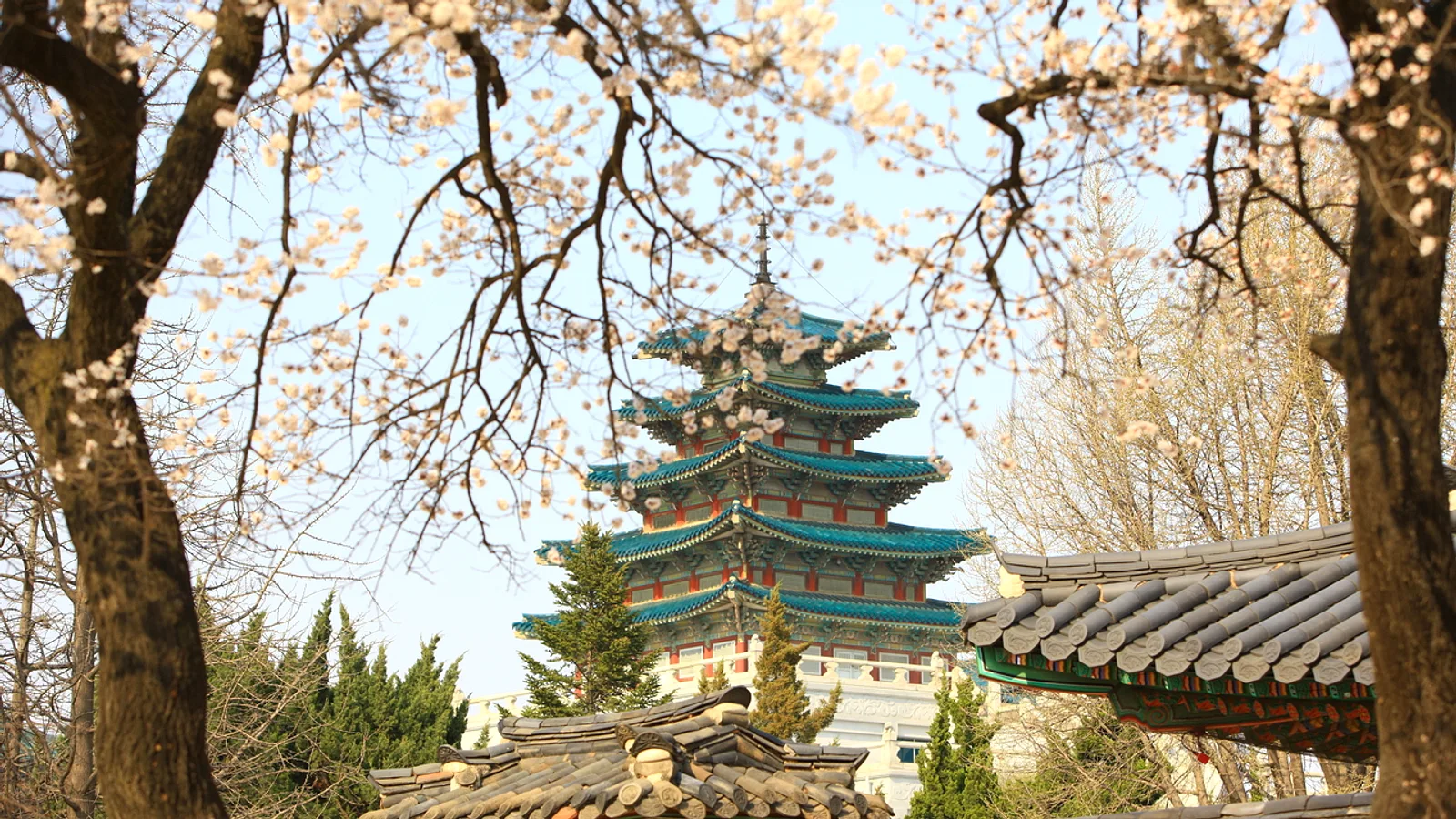
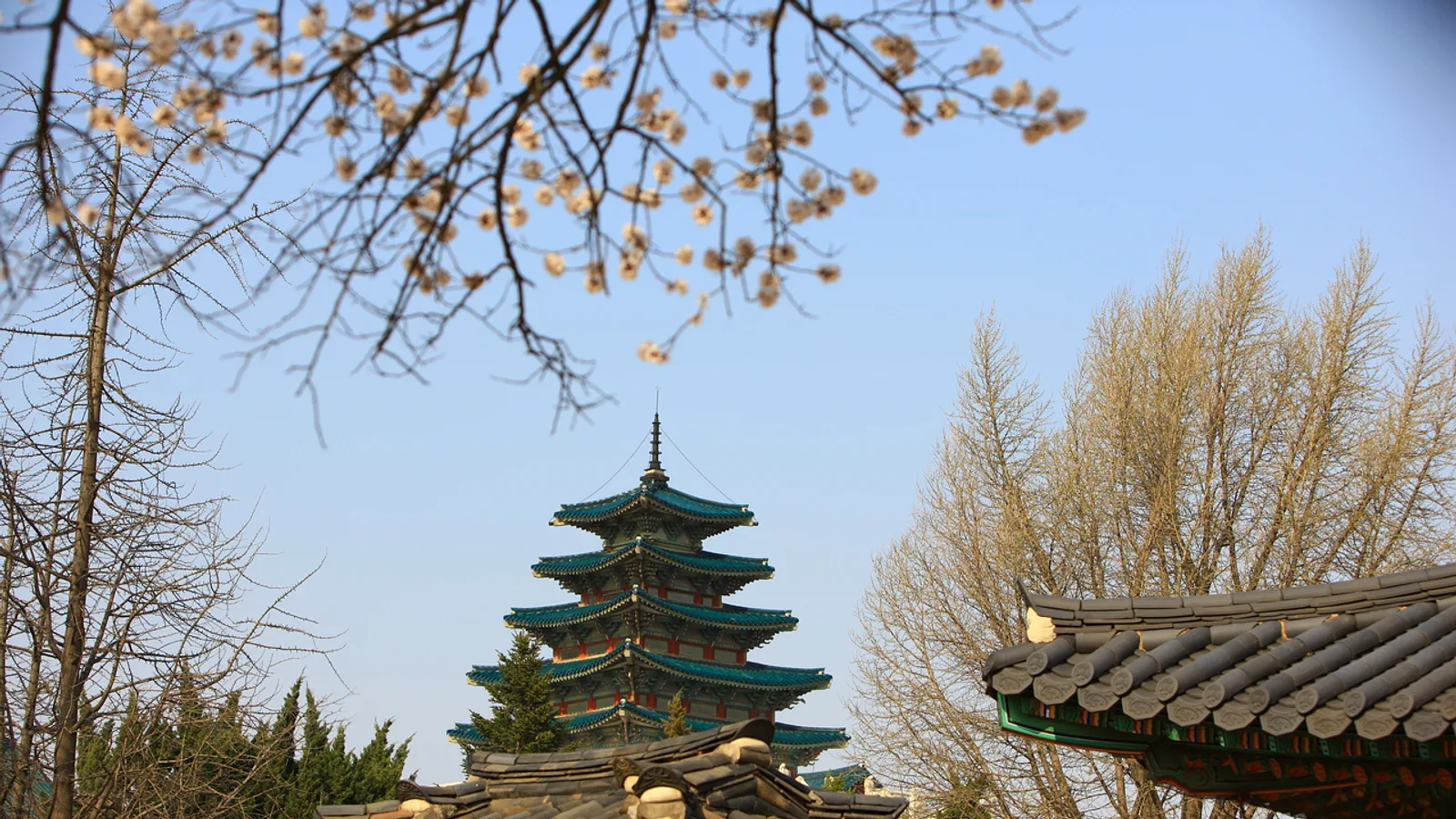
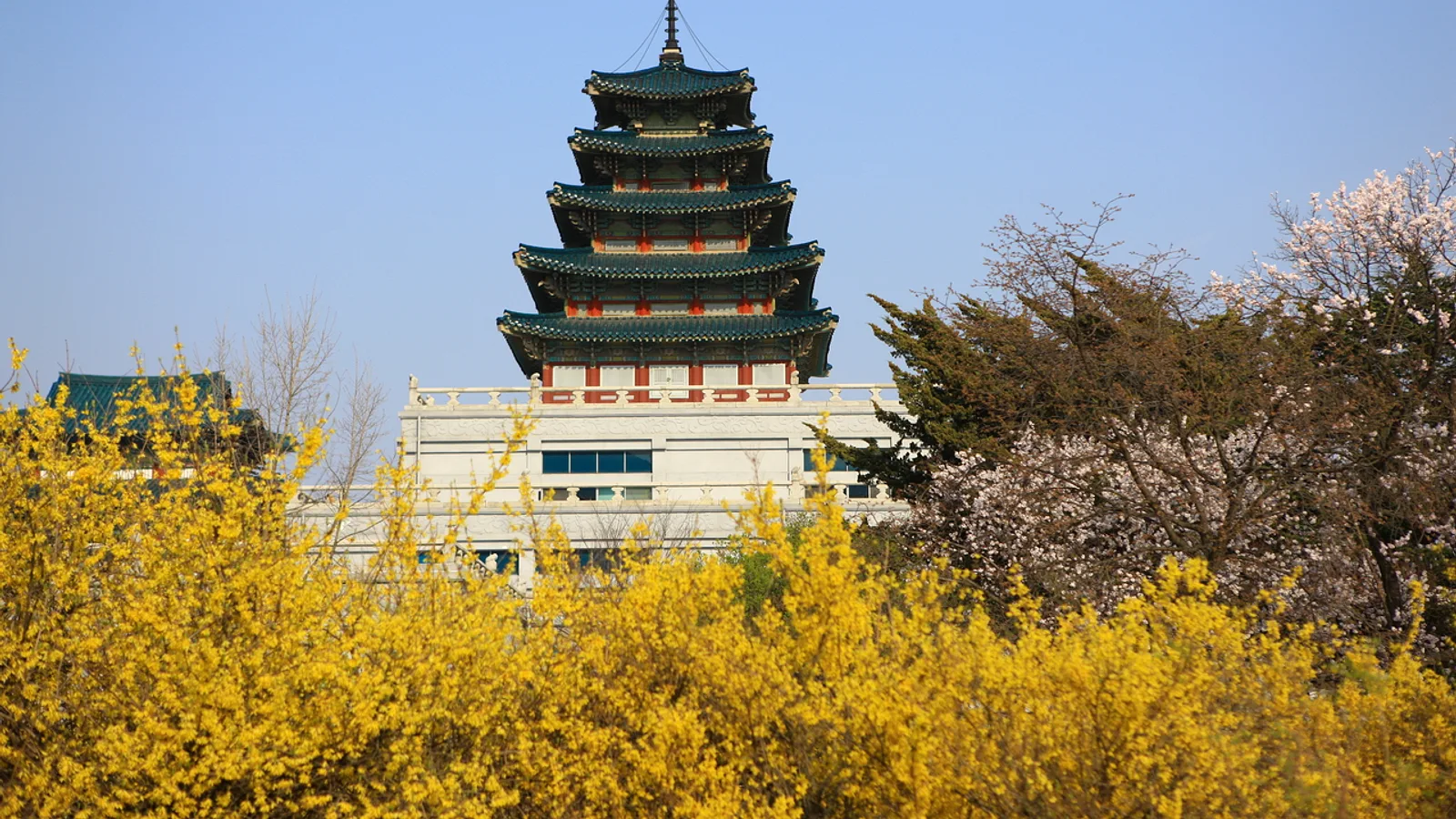
5. National Folk Museum. Located inside the grounds, it is a good final stop and a place to rest indoors. Check the museum's own page for its opening arrangements.
Allow a relaxed half day for the full route. Walking distances between stops are longer than the map suggests.
Closing day and timing
The palace is closed on Tuesdays. Plan another day for Gyeongbokgung if the trip includes a Tuesday, and note that the guard ceremony does not take place on the closing day either. If a public holiday falls on a Tuesday, arrangements can differ, so confirm on the official site.
Weekends and holidays are the busiest, particularly when many visitors are in hanbok. Weekday mornings tend to be calmer. Spring and autumn are comfortable for walking, while summer can be hot and winter cold, with little shelter in the open courtyards.
Tips
- Check the official palace site for the ceremony schedule, closing days and ticket details before going. Do not rely on older blog posts.
- Use Naver Map or Kakao Map for exits and walking routes. Google Maps is often less accurate for walking directions in Korea.
- Bring water and wear comfortable shoes. The grounds are wide and mostly unshaded.
- Treat the buildings with care. Do not touch painted surfaces, and follow staff instructions and signs about restricted areas.
- Because restoration is ongoing, some areas may be closed. Have a flexible plan and skip a stop if it is fenced off.
- Pair the visit with other nearby sights on a separate leg of the day, rather than rushing the palace.