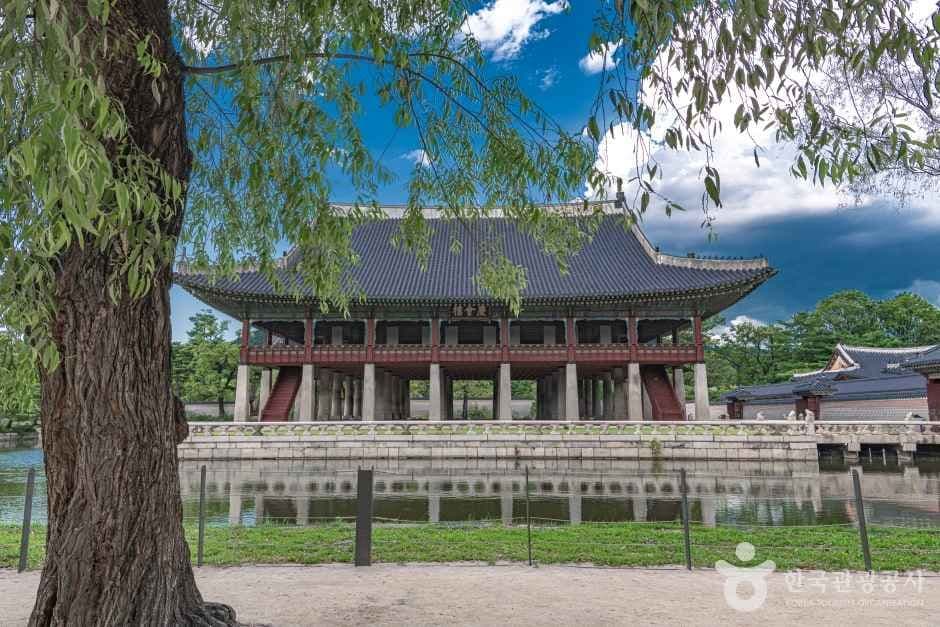
 Photo KTO
Gyeongbokgung Palace
경복궁
Gyeongbokgung Palace is the grandest royal palace of the Joseon Dynasty, established in 1395 in northern Seoul. Framed by Mount Baegaksan, its majestic grounds encompass Geunjeongjeon Throne Hall, ...
Halal
North GyeongsangVue sur la Ville
경주 첨성대 및 동궁과 월지
Dernière vérification du texte du site:
Cheomseongdae Observatory & Donggung Palace (경주 첨성대 및 동궁과 월지) in Gyeongju, Gyeongbuk. A vibrant evening destination known for illuminated skylines, vibrant night culture, and lively urban energy, situated with convenient transit connections and comprehensive visitor amenities.
Visitor tips, feedback, and questions submitted by real travelers.
A practical guide to Hwangnidan-gil, the Poseok-ro stretch of renovated hanok cafes and small shops in Hwangnam-dong, with advice on timing, payment and nearby sights.
How to reach and plan a coastal day trip from Gyeongju through Gampo, Yangnam and Pohang, with transport options, key sights, seafood notes and practical cautions.
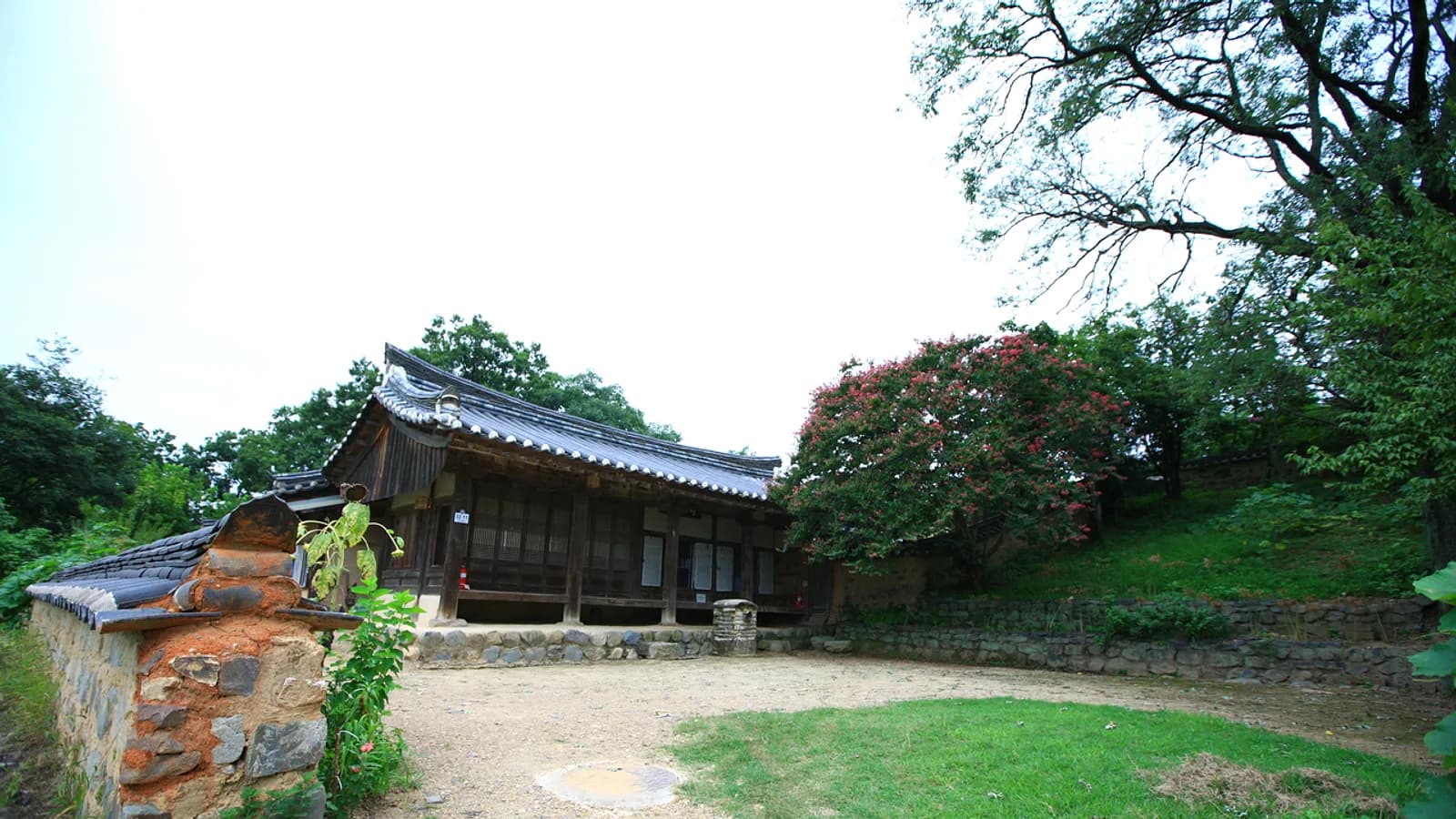
A practical plan for photographing Gyeongju: Daereungwon mounds in early light, Wolji Pond after dark, Bulguksa and Hwangnidan-gil in soft morning light, and which season suits each.
Attractions à proximité et temps forts culturels de la région.
Photo KTO경복궁
Gyeongbokgung Palace is the grandest royal palace of the Joseon Dynasty, established in 1395 in northern Seoul. Framed by Mount Baegaksan, its majestic grounds encompass Geunjeongjeon Throne Hall, ...
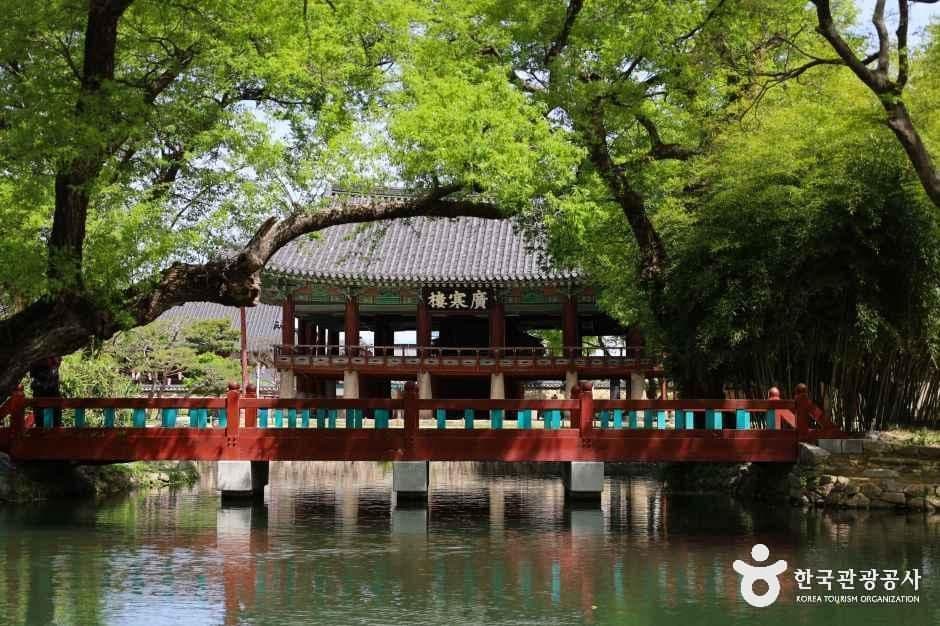 Photo KTO
PatrimoineLieu HistoriqueNamwon
남원 광한루원
Namwon Gwanghalluwon is South Korea’s premier classical Joseon garden and the legendary birthplace of Chunhyangga, celebrated for the monumental Gwanghallu Pavilion (Treasure No. 281), the romantic...
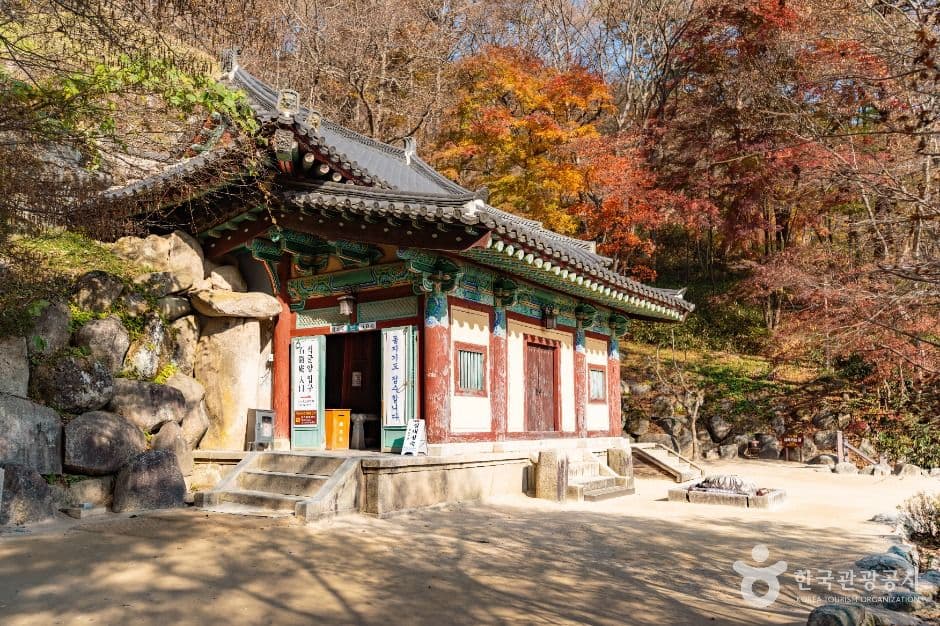 Photo KTO
PatrimoineSite de Vestiges AnciensGyeongju
석굴암
Seokguram Grotto is a supreme masterpiece of East Asian Buddhist art and a UNESCO World Heritage treasure, enshrining a monumental white granite Sakyamuni Buddha carved in 751 AD within a sublime s...
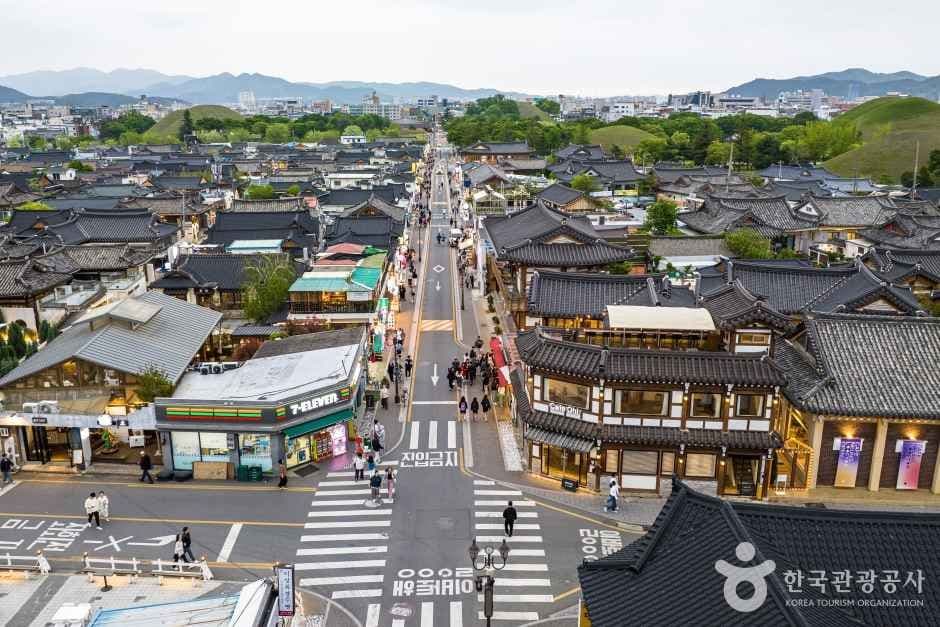 Photo KTO
CafésMaison de Thé TraditionnelleGyeongju
경주 황리단길
Gyeongju Hwangridan-gil is South Korea’s most fashionable retro-cultural district, where historic 1960s low-slung Hanok alleys adjacent to the royal Daereungwon burial tumuli have transformed into ...