Incheon•Nature•Scenic Nature Spot
Sorae Ecology Park & Windmills
소래습지생태공원
Powered by Korea Tourism OrganizationAddress: Sorae Ecology Park & Windmills, Incheon, South Korea (인천광역시 남동구 소래로 154 일원)
Editorial review pending

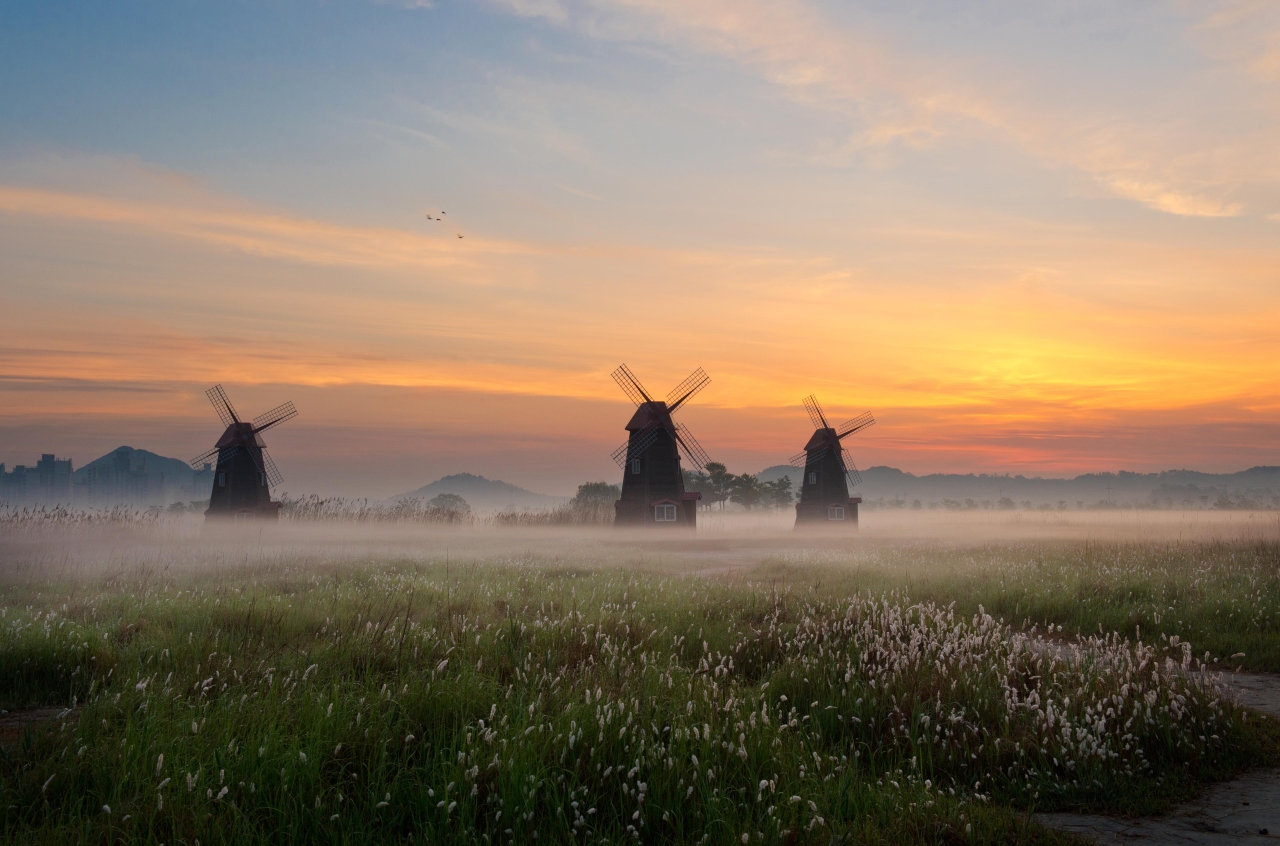
Sorae Ecology Park & Windmills representative scenic panoramaZoom


+1More
1 / 6
Sorae Ecology Park & Windmills representative scenic panorama
Curator's Guide & Overview
Comprehensive Guide1. Historical Origins & Cultural Background
Sorae Ecology Park was originally one of Korea's largest commercial salt-making facilities during the Japanese colonial era, operating from 1934 until its closure in 1996 due to imported salt competition. Recognizing its exceptional ecological value, Incheon Metropolitan City restored the 3.5-million-square-meter coastal salt marsh into an urban wetland sanctuary where nature and maritime history thrive side by side.
2. Architectural Highlights & Key Structures
The park's visual centerpiece is a trio of rustic 7.5-meter red Dutch-style windmills standing gracefully among sea salt beds and purple Suaeda salsa salt-grass fields. The complex preserves authentic wooden salt storehouses, traditional brine evaporation evaporation crystallizing ponds, an interactive salt museum, and extensive wooden observation boardwalks stretching across the coastal tidal wetlands.
3. Four Seasons Landscape & Seasonal Visiting Charms
Spring brings lush green halophyte vegetation and migrating shorebirds. Summer sees family visitors raking crystal white sea salt on the historic salt pans and enjoying outdoor saltwater foot baths. Autumn transforms the vast marshland into a sea of red salt grass and golden reeds under fiery sunsets, while winter offers mystical morning mist and frost-covered wooden bridges.
4. Operating Hours & Peak Viewing Times
The park grounds and walking trails are open daily from 04:00 to 23:00. The indoor Ecology Exhibition Hall and the outdoor sea-salt foot spa operate Tuesday through Sunday from 10:00 to 18:00 (last entry 17:30, closed Mondays). Photographers flock to the windmills during dawn mist (05:30 to 07:00) and twilight sunset.
5. Admission Fees & Concessions (Youth/Foreigner Discounts)
Admission to Sorae Ecology Park, the mudflat walkways, and the outdoor saltwater foot bath is completely free of charge. Hands-on salt harvesting experiences for children cost a nominal 2,000 KRW during summer operational months.
6. Public Transit & Subway Exit Directions
Take the Suin-Bundang Line to Soraepogu Station (Exit 2). Walk 15 minutes north along Sorae-ro or transfer to Bus 6-1 or 51-1 for a quick 5-minute ride directly to the park gate. Convenient bicycle rentals are located near the subway exit.
7. Barrier-Free Accessibility & Visitor Amenities
The park is well-equipped with barrier-free facilities: flat gravel walkways, wide wooden boardwalks across mudflats with safety rails, curb-free entries, and accessible public restrooms. The indoor Ecology Hall features ramped entrances and passenger elevators for wheelchair visitors.
8. Recommended Walking Route & Highlights Tour
Park entrance → explore the historic salt pans and wooden salt storehouse → walk along the wooden deck to the three iconic Red Windmills → photograph coastal reeds and halophyte salt grasses → visit the Ecology Exhibition Hall and observation deck → soak feet in the free natural sea-salt foot spa.
9. Local Food Specialties & Regional Flavors
The nearby Sorae Port Fish Market (15 minutes walk south) is famous for freshly caught blue crabs, grilled jumbo prawns, seasonal salted baby shrimp (saeujeot), and steaming bowls of clam kalguksu noodle soup served along the bustling fishing wharf.
10. Dietary Options (Vegetarian, Halal & Allergen Guide)
The park's open lawns offer tranquil settings for plant-based picnics. Nearby noodle eateries serve warm buckwheat noodles, vegetable bibimbap, and sweet red bean pancakes. Pescatarians will find endless fresh seafood options around the adjacent harbor.
11. Signature Photo Spots & Golden Hour Lighting
The iconic postcard shot is framing the three red Dutch windmills at dawn as low morning mist rises off the salt marshes, or at dusk with the wooden windmill silhouettes backlit by an orange and magenta sunset over tidal water channels.
12. Visitor Etiquette & Cultural Property Regulations
Protect the fragile tidal wetland ecosystem: do not step off boardwalks into protected mudflat areas, do not pick salt-marsh plants, and avoid disturbing resting migratory birds. Pet dogs must remain on leashes and stay off fragile salt crystallization beds.
13. Safety Precautions & 1330 Tourism Hotline Support
Emergency call stations and lifebuoys are positioned along major waterways. The park management office operates a first aid station, and Namdong Police Station patrols the area. Multilingual tourism help is accessible via 1330.
14. Nearby Connected Attractions & Walking Links
Soraepogu Traditional Fish Market sits 1 kilometer south along the estuary, while Songdo International District is a 15-minute subway ride west on the Suin-Bundang Line.
15. Frequently Asked Questions (FAQ)
Q: Can visitors touch the salt in the pans? A: Yes, during seasonal operating hours, the salt farm experience zone allows children and adults to use wooden rammers (dae-pa) to push white sea salt crystals across the tiles just like traditional salt farmers.
16. Regional Extended Day Trip Itinerary
Morning photography at Sorae Ecology Park windmills → sea-salt foot bath relaxation → walk south to Soraepogu Fish Market for grilled seafood lunch → afternoon shopping and waterfront views in Songdo Central Park.
Essential Visitor Facts
Operating Hours
04:00 - 23:00 (Eco Exhibition Hall 10:00 - 18:00, Closed Mondays)
Admission / Price
Free Park Entry
Closed Days
Open 365 Days
Best Time to Visit
Morning (around 09:30-10:00)
Transit & Access Directions
Suin-Bundang Line Soraepogu Station Exit 2 (15 min walk or 5 min by Bus 6-1)
Accessibility & Special Amenities
Wheelchair ramps, tactile paving, accessible restrooms
Location Coordinates
Latitude: 37.4109
Longitude: 126.7554
Discover Themes & Highlights
Key interest areas and cultural highlights:
#sorae-ecology-park#VisitIncheon#KoreaTravelAtlas
Community Traveler Reviews0 Reviews
Visitor tips, feedback, and questions submitted by real travelers.
No community reviews submitted yet. Be the first traveler to share your experience!
Connected Cultural Destinations
Handpicked nearby attractions and regional cultural highlights.

Olympic Park (Lone Tree)
올림픽공원 (나홀로나무)Olympic Park (Lone Tree), Seoul, South Korea
Olympic Park in eastern Seoul is a sprawling 1.4-million-square-meter sanctuary combining 1988 Summer Olympic monumental venues, third-century Baekje earthen fortress trails, and the iconic Lone Tr...
HalalMorning (around 09:30-10:00)
Details→
Songdo Central Park
송도 센트럴파크Songdo Central Park, Incheon, South Korea
Songdo Central Park is an avant-garde 400,000-square-meter urban oasis featuring Korea’s first seawater canal, futuristic architectural icons like the Tri-bowl, and moon-shaped electric leisure boats.
Morning (around 09:30-10:00)
Details→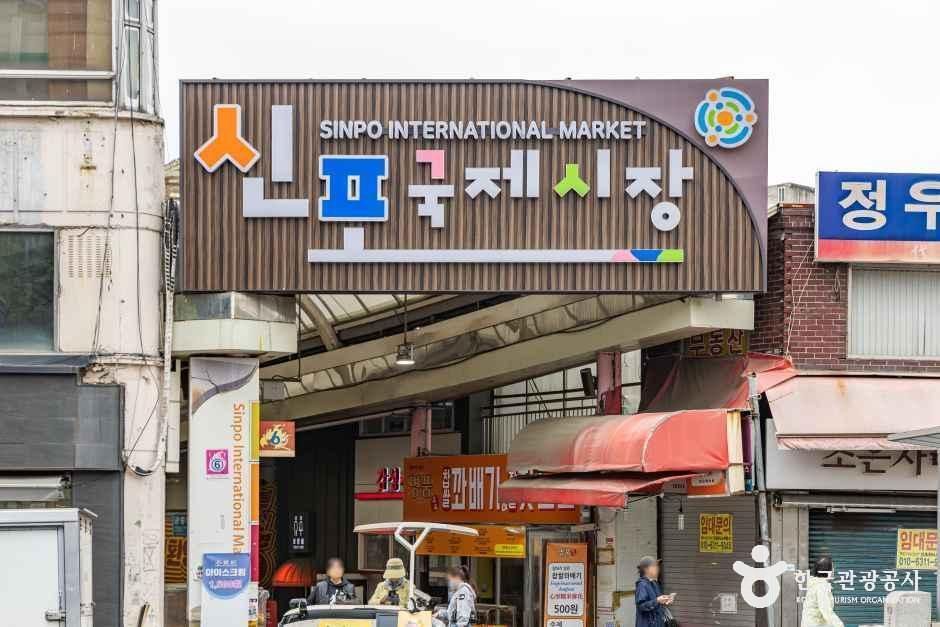
Sinpo International Market
신포국제시장Sinpo International Market, Incheon, South Korea
Sinpo International Market is Incheon’s premier historic market dating back to the late nineteenth century, famous nationwide for its fiery sweet Dakgangjeong chicken, handmade dumplings, and hollo...
HalalMorning (around 09:30-10:00)
Details→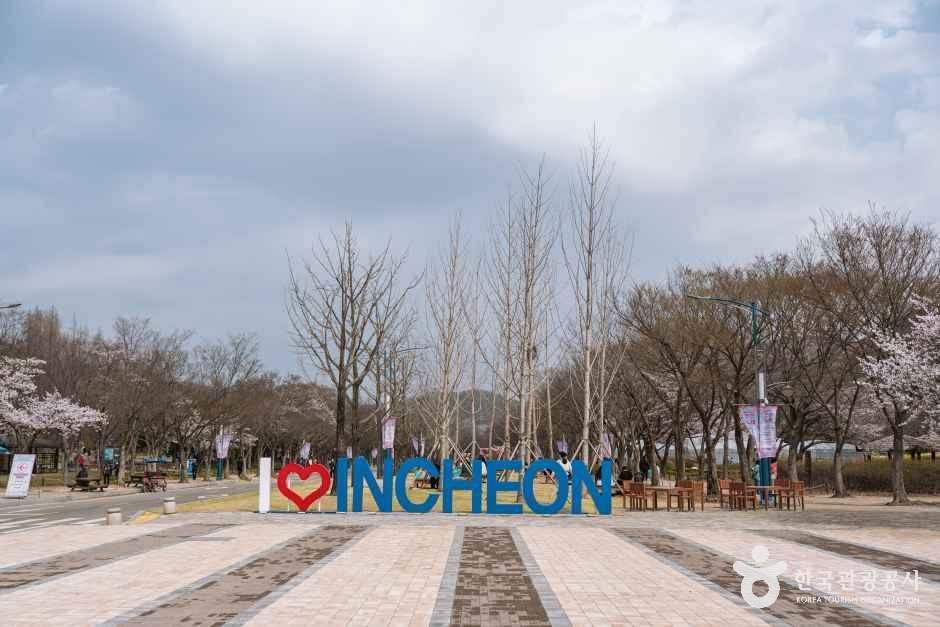
Incheon Grand Park
인천대공원Incheon Grand Park, Incheon, South Korea
Incheon Grand Park is a vast 2.6-million-square-meter ecological reserve surrounded by Mount Gwanmosan, featuring cherry blossom tunnels, an outdoor botanical garden, a children’s zoo, and peaceful...
Morning (around 09:30-10:00)
Details→