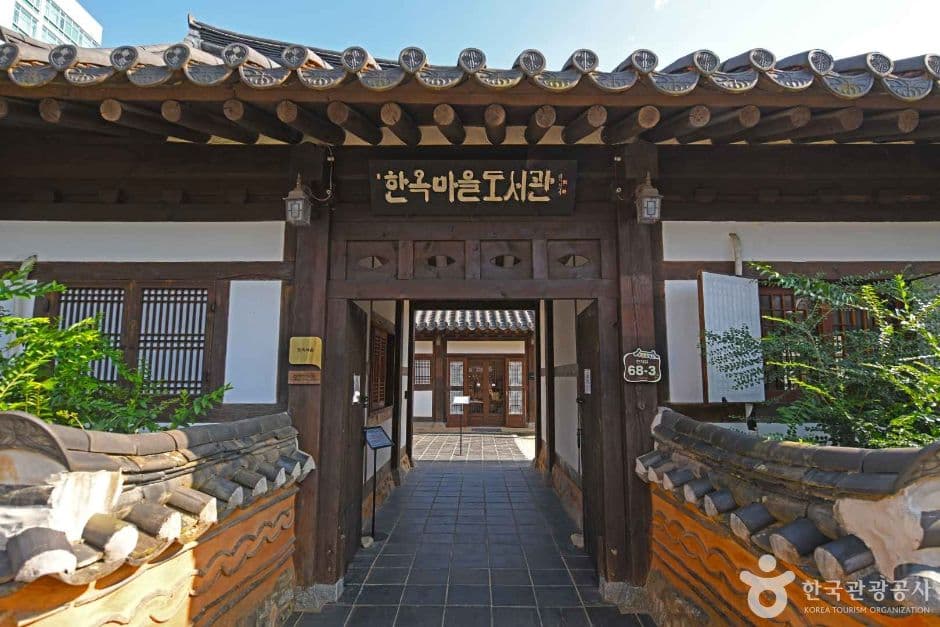
1. The Hanok Experience: Timber, Paper, and Stone
A Hanok is a traditional Korean architectural residence constructed with red pine timber pillars, clay tiles (Giwa), granite foundations, and breathable mulberry paper walls (*Changhoji*).
2. Understanding Acoustic Vulnerability
Because Hanok walls utilize historic sliding paper lattice doors rather than modern drywall soundproofing, noise travels easily between rooms and courtyards. Observe quiet hours from 22:00 to 08:00, speak in gentle tones, and walk softly across wooden verandas (*Maru*).
3. Ondol Underfloor Radiant Heating
Hanok rooms utilize *Ondol*—warm water circulating through subfloor stone pipes. The warmth radiates up through the floor. Sleep directly on comfortable Korean quilted futon mattresses (Yo) laid on the warm floor for deep restorative sleep. Adjust the wall thermostat gently, as floors retain heat for hours.
4. Fire Safety in Historic Timber Residences
Open flames, smoking, and room candles are strictly prohibited in all Hanok properties due to the irreplaceable historic nature of wooden structures.