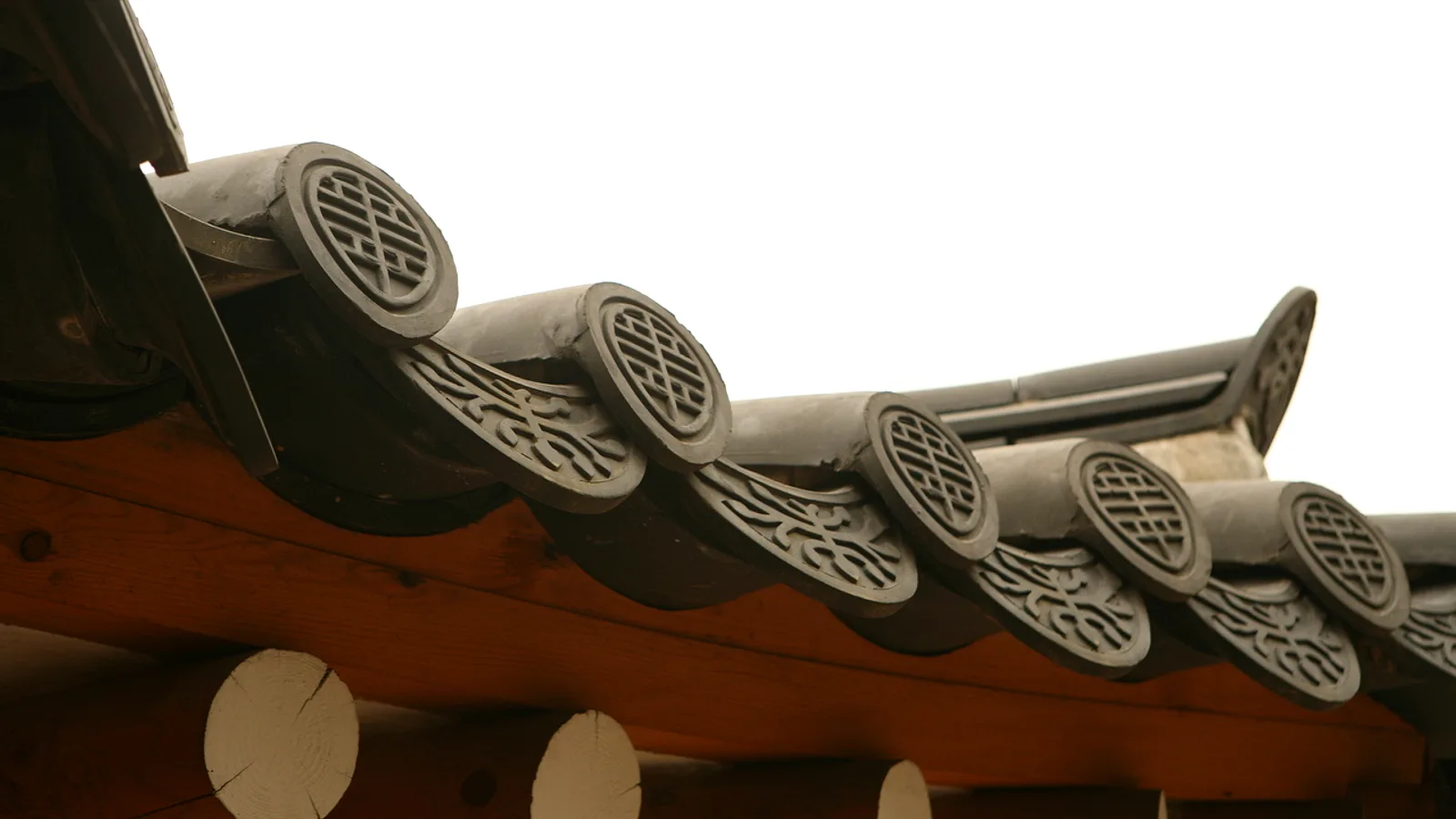
Bukchon and Ikseon-dong are both known for hanok, the traditional Korean house, but they are very different places to visit. Bukchon is a residential neighborhood of traditional houses set between Gyeongbokgung and Changdeokgung, where people live ordinary daily lives. Ikseon-dong is a compact hanok alley of cafes and small shops near Jongno 3-ga, built for browsing and lingering. Seeing both in one day gives a good picture of how traditional architecture survives in modern Seoul, as long as the two are treated differently.
Understanding the two areas
Bukchon sits on a slope between two royal palaces, so the walk involves hills and stairs. The appeal is the streetscape: tiled rooflines, low walls, narrow lanes and the contrast with the city beyond. Most buildings are private homes, not attractions, and the lanes are not a museum.
Ikseon-dong is smaller and denser. The hanok there have been converted into cafes and small shops, and the alleys are narrow enough that a busy day feels crowded. It is commercial, so staying inside a cafe for a drink or a snack is the normal way to enjoy it.
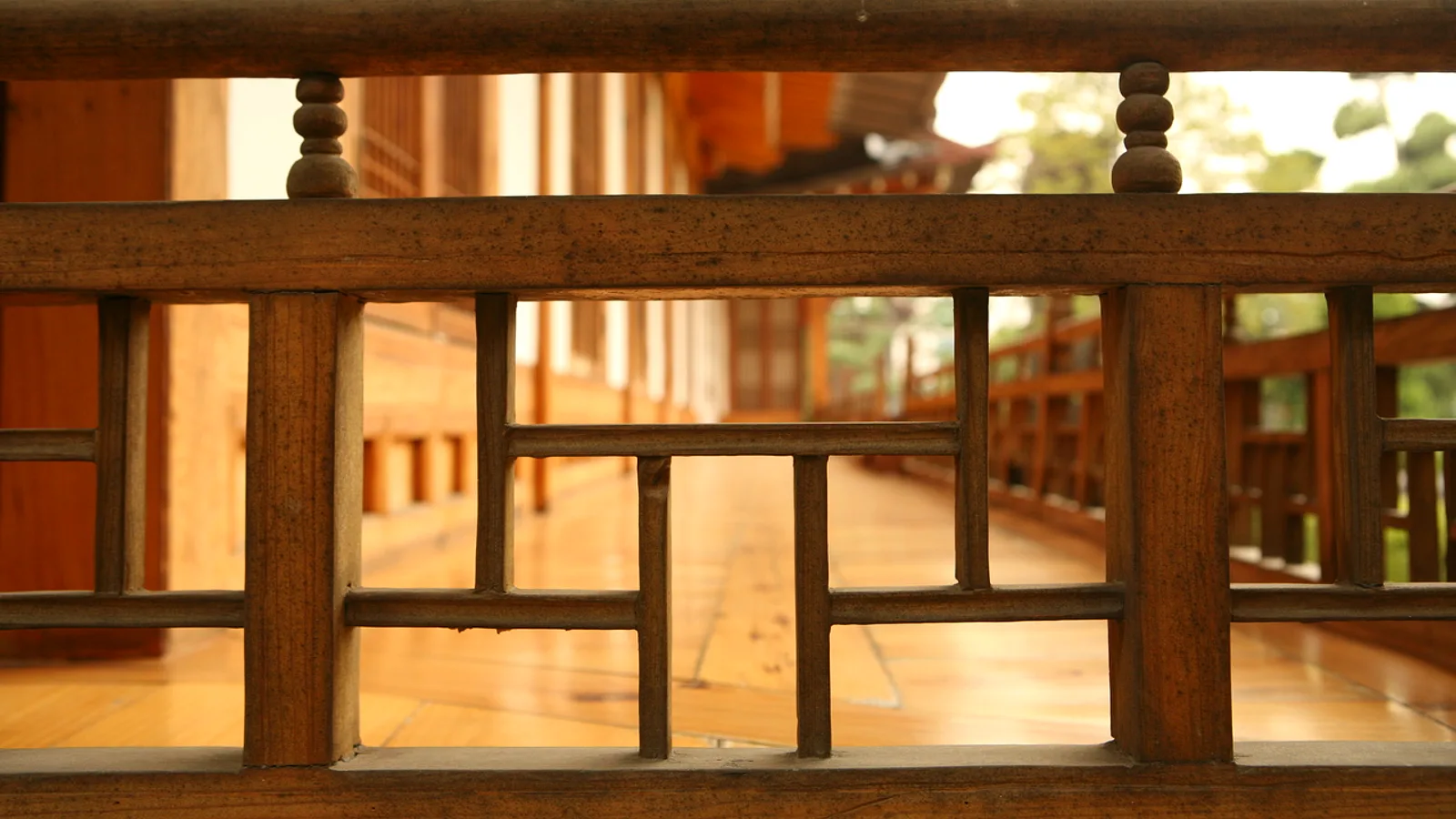
Bukchon etiquette
Quiet hours and respect for residents apply in Bukchon. Rules and visiting restrictions can change, so check current guidance from the local district or an official tourism source before going.
- Keep your voice low, especially in the narrow lanes between houses.
- Do not open gates, peek into courtyards or point cameras at windows and doors.
- Do not block lanes for photos. Step aside so residents can pass.
- Avoid drones, tripods and group shoots in residential lanes.
- Follow any posted signs about restricted areas or visiting periods.
- Carry your litter with you. Public bins are limited in residential areas.
Planning the route
A simple plan is to start in Bukchon and finish in Ikseon-dong. Begin near one of the two palaces, climb gently through the hanok lanes, and then walk toward Jongno 3-ga for a cafe stop. Because the route runs downhill toward the end, it suits tired legs.
Check Naver Map or Kakao Map for the current walking route and distances. Google Maps is often less reliable for walking directions in Korea, so a Korean map app is the better choice. Bukchon's lanes are winding, so check your position occasionally instead of following a single line.
If time is short, choose one area. Bukchon works better earlier in the day, when the lanes are calmer. Ikseon-dong is easier to enjoy later, when the cafes are open and the alleys feel livelier.
Combining the walk with the palaces
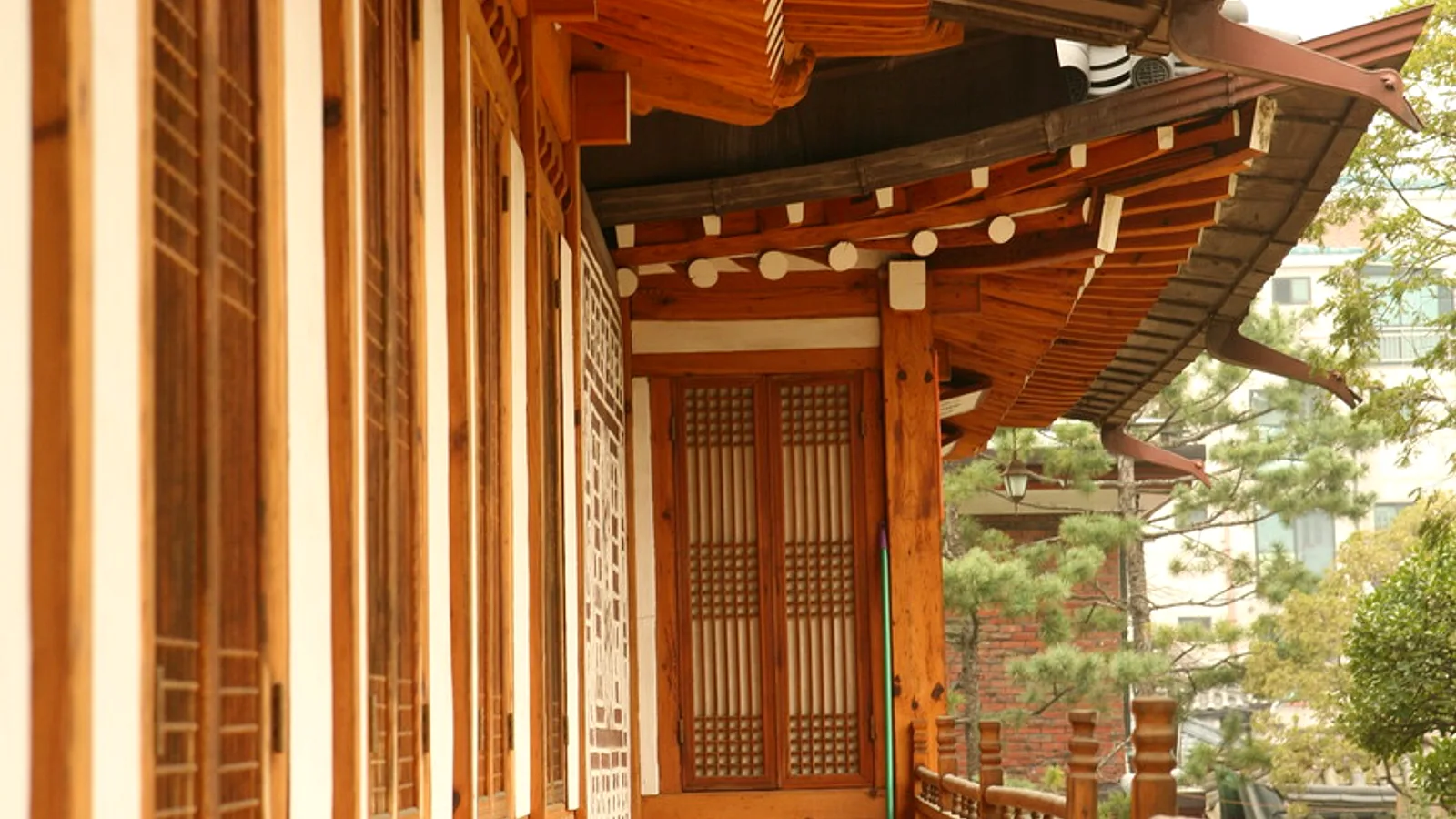
Both Gyeongbokgung and Changdeokgung sit beside Bukchon, so the neighborhood pairs well with a palace visit. Seeing the palace first gives context for the hanok style, since the houses nearby reflect the same architectural tradition at a smaller, residential scale.
Palace opening days, ticket rules and guided-tour options vary. Check the official palace websites before you plan the day, and do not assume both are open on the same days.
Ikseon-dong: how to enjoy it
Ikseon-dong rewards slow walking. The alleys branch in unexpected directions, and small shops sit between the cafes. Wander without a fixed target, then pick a cafe when you want a break.
- Popular cafes can have waiting lists, particularly at weekends. Check Naver Map or Kakao Map for current details.
- Hanok interiors often have low ceilings, thresholds and floor seating. Watch your head and your step.
- Some places ask you to remove shoes. Follow the signs.
- Alleys are narrow, so keep bags close and avoid stopping in the middle of a passage.
Food and dietary cautions
Cafes in Ikseon-dong typically serve coffee, tea, desserts and light meals. Menus may include nuts, dairy, eggs, wheat and sesame, and staff may not be able to confirm every ingredient. Traditional drinks and sweets can contain nuts, seeds or sesame. If you have an allergy, show a written note in Korean and ask staff directly before ordering.
Vegetarian and vegan travelers should ask about ingredients, because broths, sauces and seasonings in Korean cooking often contain fish or meat products. Halal and kosher options are limited in this area, so do not assume a dish suits your diet from its name alone.
Tips
- Wear comfortable shoes with good grip. Bukchon has slopes and uneven paving.
- Bring water, since shaded rest spots are limited in the lanes.
- Check the weather. Rain makes the hills slippery, and heat or cold makes the climb tiring.
- Go early in the day for a quieter Bukchon, and expect more crowds on weekends and holidays.
- Photograph streets and rooflines from public lanes, and avoid including residents without permission.
- Check official tourism sources for current visiting rules, as restrictions in residential areas can change.
- Use Naver Map or Kakao Map to confirm routes, cafe details and any closures before you set out.
- Allow flexible time. Rushing through either area defeats the point of a walk.