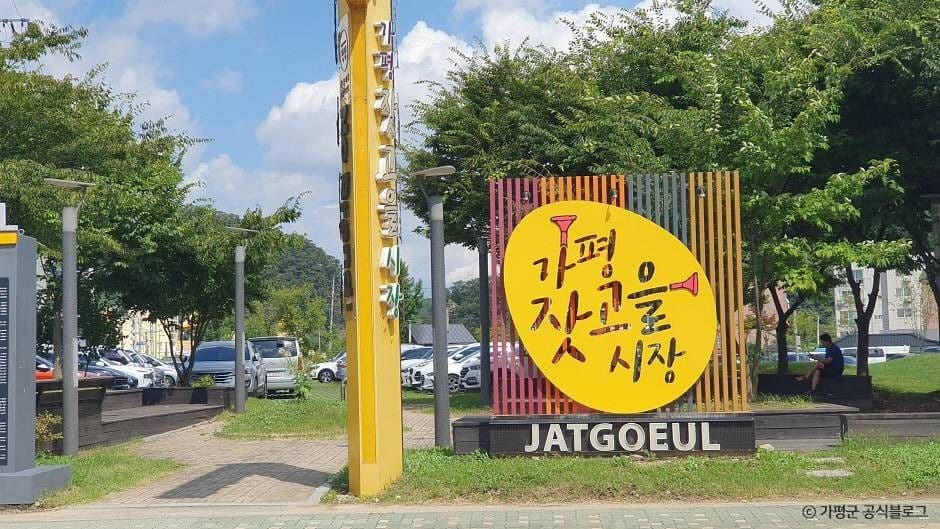
1. Atmosphere and Cultural Significance
Korean traditional markets (*Jeontong Sijang*) are dynamic sensory labyrinths preserving regional food heritage, bustling street food stalls, and warm community hospitality (*Jeong*).
2. Cash vs Card Etiquette
While modern street vendors increasingly accept QR payments and international credit cards, carrying 20,000 to 50,000 KRW in small cash bills (1,000 KRW and 5,000 KRW banknotes) ensures smooth transactions at mom-and-pop vegetable stalls, fishmongers, and small fried snack carts.
3. Tasting Culture and "Deom" (Free Generosity)
- Tasting (Sisik): Generous merchants often slice fresh seasonal fruit or dried squid for you to taste before buying. Smile and say *"Masisseoyo!"* (Delicious!).
- Deom (Bonus Gifts): In Korea, aggressive bargaining is considered discourteous; instead, polite and cheerful customers are often awarded *Deom*—an extra handful of fruit, extra dumplings, or bonus snacks packed into your bag for free.
4. Famous Traditional Markets to Visit
- Seoul: Gwangjang Market (street food), Namdaemun Market (wholesale clothes & souvenirs), Mangwon Market (trendy youth food).
- Daegu: Seomun Market (PLACE-DAEGU-003, massive textiles and food night market).
- Busan: Jagalchi Fish Market and Gukje Market.