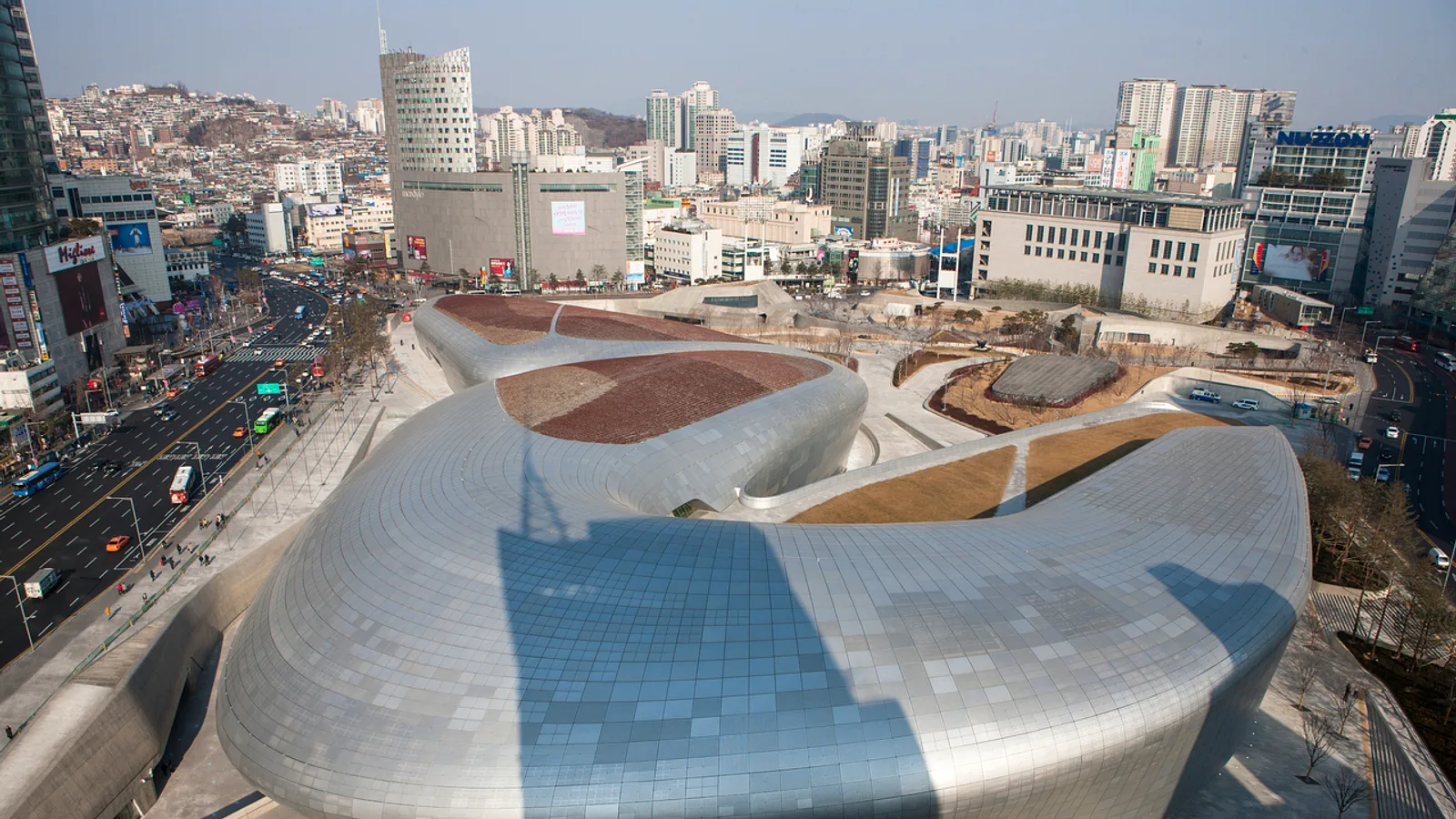
Seoul's markets show different sides of the city's shopping culture. Dongdaemun is the center of wholesale fashion and runs late into the night. Gwangjang Market is a long-established food market nearby. Mangwon Market is a neighborhood market where locals do their daily shopping. Dongdaemun Design Plaza (DDP), a curved building by Zaha Hadid, sits in the middle of the Dongdaemun area and works well as an anchor. This guide explains how the places fit together and what to prepare before going.
Dongdaemun Design Plaza
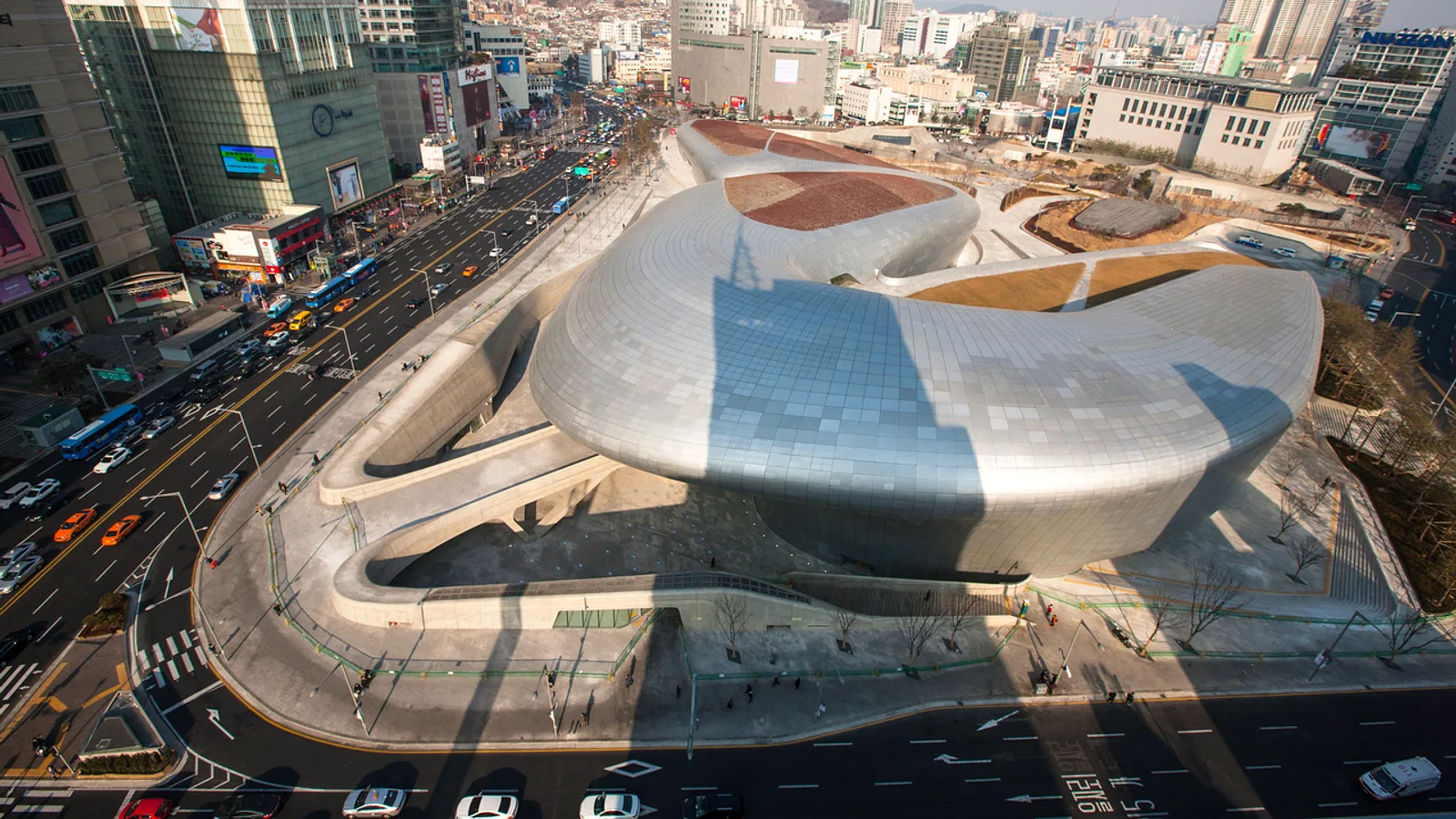
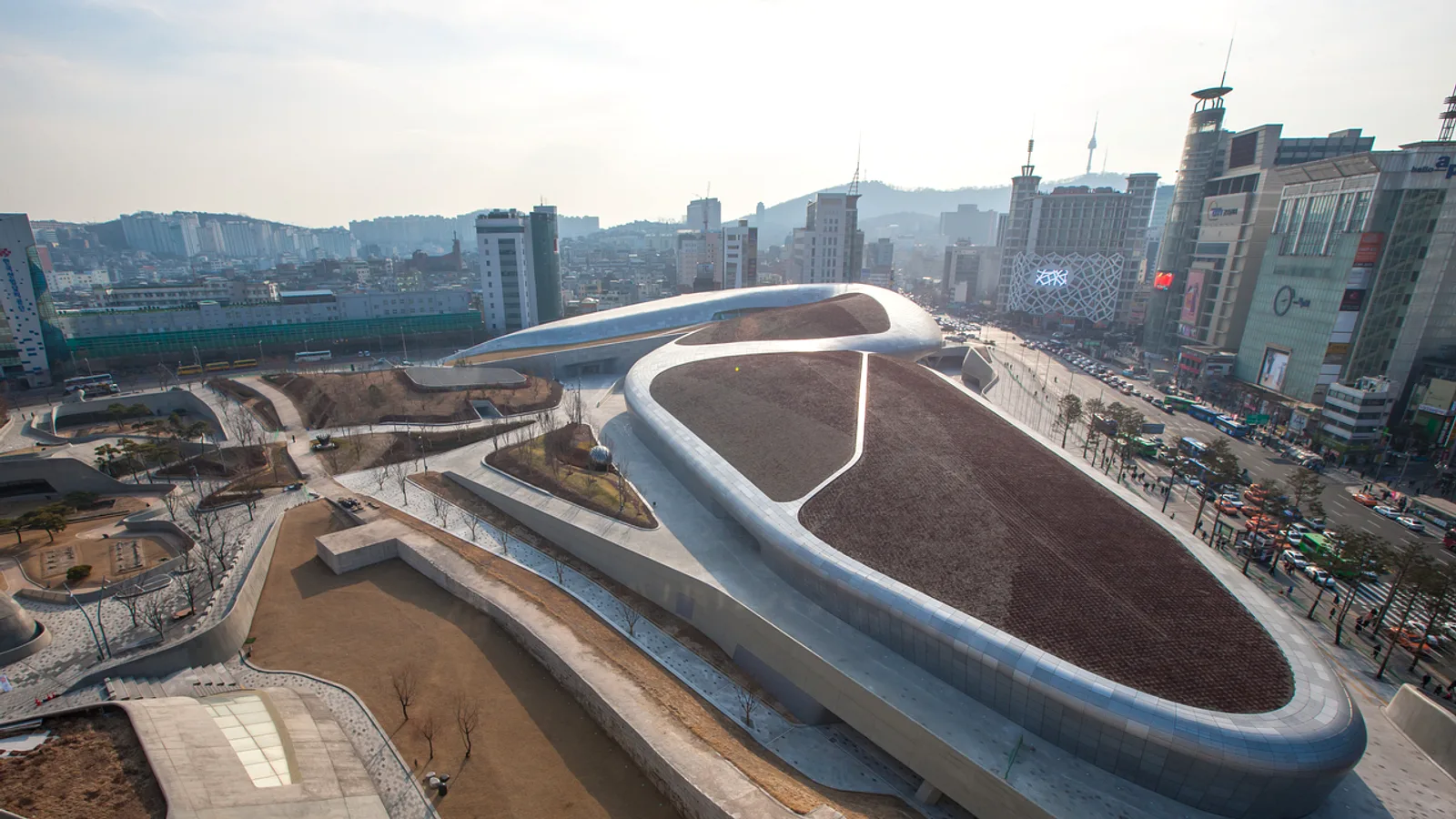
DDP is known for its flowing, curved exterior with no obvious right angles. The building is worth a walk even for visitors who never go inside, because the shape looks different from each side.
- Exhibitions, events and some shops change through the year. Check the official DDP website for current programs and whether entry is free or ticketed.
- The surrounding plaza is open and easy to cross on foot, which makes it a good meeting point.
- Dongdaemun History & Culture Park Station is the usual subway stop for the building. Check Naver Map or Kakao Map for the exit closest to where you want to go.
The LED Rose Garden
In season, DDP's grounds are lit by an LED rose garden, which looks best after dark. The display is seasonal, so confirm on the official site that it is running during your trip. Visiting at dusk lets you see the building in daylight and then watch it change as the lights come on.
- Weather and events can affect what is on display. Check before making a special trip.
- Lighting and photography conditions are best in the evening, but the area can be crowded in good weather.
Dongdaemun Fashion Markets
The fashion markets around DDP are among the most active in Seoul and stay busy late into the night. Clothing, accessories, fabrics and trims are sold in large multi-floor buildings and along nearby streets. Some stalls sell mainly to wholesale buyers and some also serve individual shoppers.
- Policies differ by building and stall. Ask about minimum purchases, payment methods and whether fitting is allowed before you commit.
- Stalls often have no fitting room, so check sizes and measurements carefully.
- Return and exchange rules vary widely. Ask before paying, and keep your receipt.
- Many shops accept cards, but some prefer cash. Keep a small amount on hand.
- Opening days and hours vary by building. Check Naver Map or Kakao Map for the specific place you plan to visit.
Gwangjang Market
Gwangjang Market is close to Dongdaemun and is best known for its food stalls. It is a good stop for a meal between fashion shopping and sightseeing. Dishes commonly associated with the market include bindaetteok (mung bean pancakes), small gimbap rolls and raw beef dishes, though availability depends on the stall.
- Stalls usually display their dishes, so pointing is a workable way to order.
- Seating is often shared and can be tight, especially at busy meal times.
- Prices and menus differ between stalls. Check the posted menu before you sit down.
- Some sections also sell textiles and secondhand clothing, so the market is not only for eating.
Mangwon Market
Mangwon Market is a local neighborhood market. Compared with Dongdaemun and Gwangjang, it serves residents more than visitors, with fresh produce, prepared side dishes, snacks and everyday goods. It suits travelers who want to see how Seoul residents shop for groceries.
- Allow time to walk the lanes slowly and look at what locals buy.
- Prepared foods and snacks are a casual way to taste regional home-style cooking.
- Opening days and hours vary by stall. Check Naver Map or Kakao Map before going.
- Mangwon is in a different part of the city from Dongdaemun, so plan it as a separate outing rather than a quick detour.
Food and Allergy Cautions
Market food often uses ingredients that are not obvious from the dish name. Ask each stall about your needs, and use a translation app or a written allergy card in Korean if language is a barrier.
- Sesame oil, sesame seeds, soy sauce and fish-based broths are common. Soy and wheat are present in many sauces.
- Pancakes and fried items may be cooked on shared surfaces, so cross-contact is possible.
- Shellfish, fish paste and egg appear in many dishes, including some that look plain.
- Raw beef and other raw or lightly prepared dishes carry food-safety risks. People who are pregnant, elderly, very young or immunocompromised should avoid them.
- Vegetarian and vegan options are limited at traditional stalls because meat or seafood stock is common. Ask clearly and expect that a stall may not be able to guarantee it.
Tips
- Plan the order by time of day: DDP and the LED rose garden fit an evening, while the fashion markets suit a late-night visit.
- Wear comfortable shoes. Market buildings and lanes involve a lot of walking and stairs.
- Carry a small bag and keep valuables close in crowded aisles.
- Ask about tax-free shopping and refund rules at the shop, because conditions vary by store and can change.
- Check official sites, Naver Map or Kakao Map for current hours, closing days and event schedules before you leave.
- Bring some cash for small stalls, and a card for larger shops.
- Learn a few words, such as "how much" and "do you have this size", or keep them saved on your phone.